
Hearing buzzing inside your walls is unsettling — and the instinct to plug the hole is exactly wrong. Wasp nest in wall of house what to do comes down to three rules: confirm what is in there, do NOT seal the entry hole, and call a professional. This guide walks you through each step.
Confirming It: Is It Really a Wasp Nest? #
Before anything else, make sure you know what you are dealing with. The signs of a wall nest:
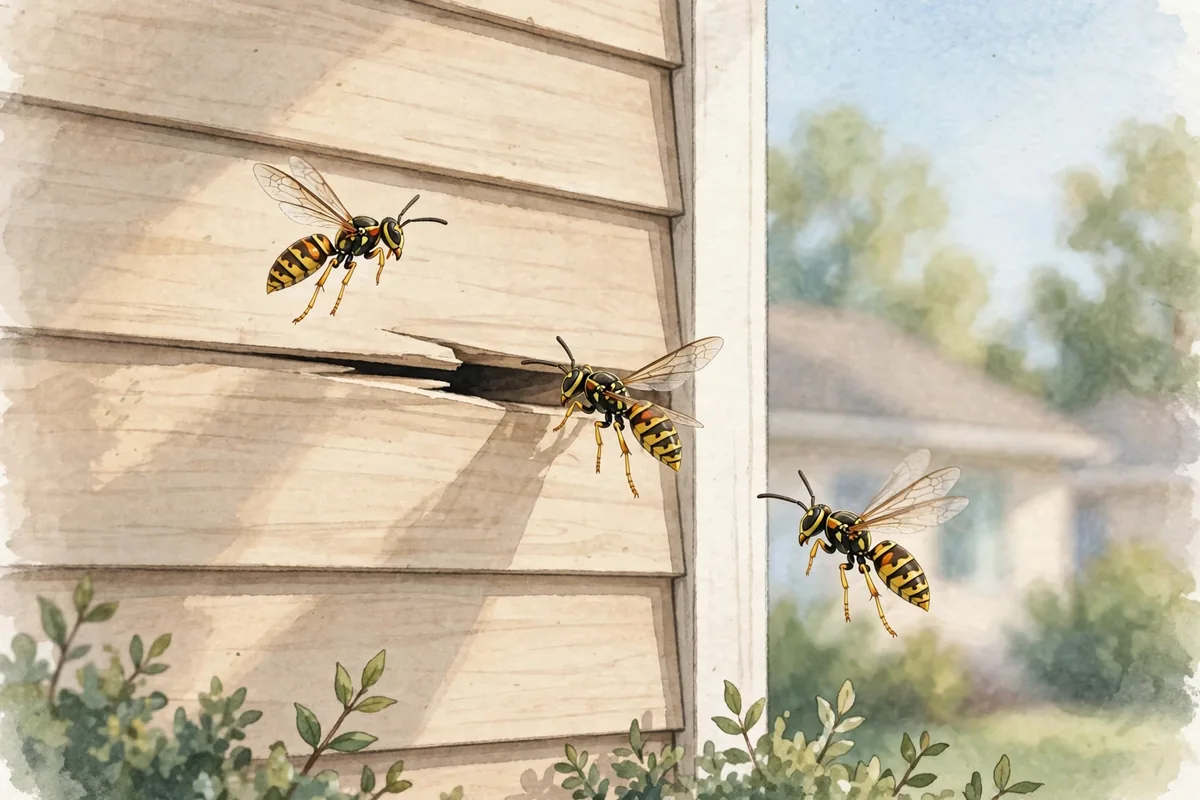
- Steady traffic at one spot. Wasps flying in and out of the same gap in siding, soffits, vents, or around a window frame — usually yellow jackets, the most common wall-nesters.
- A defined flight path. They take a consistent line in and out, unlike random foragers wandering a yard.
- Buzzing or scratching inside the wall. Press your ear to the interior wall during a quiet moment; a nest produces a distinct, localized hum, sometimes with scratching or chewing sounds.
- Wasps appearing indoors. If they show up in upstairs rooms, near ceiling lights, or around fixtures with no obvious outdoor source, they may be exiting the wall cavity through light fittings or gaps.
Critical distinction: if they look fuzzy and round, they may be honeybees — and a honeybee colony in a wall is a completely different job (often involving a beekeeper, and the honeycomb can cause ongoing problems if left behind). Our wasp nest vs hornet nest identification guide can help with the wasp side. Mason bees in mortar joints are harmless and should be left alone. Watch from a distance during the day and mark the entrance — never poke the hole to “check.”
The Rules While You Wait #
Until the nest is treated, follow these non-negotiable rules:
- Do NOT seal the entry hole. This is the most important rule. Sealing the outside opening before the colony is dead traps wasps inside the wall cavity and forces them to find a new exit — which is usually through light fittings, sockets, or gaps into your rooms. The hole stays open until all activity has stopped.
- Do NOT spray the hole with aerosol wasp spray. Sprays cannot reach a nest a foot or two inside the wall, and they tend to agitate the colony or drive wasps deeper into the house.
- Avoid vibrations near the nest. Drilling, hammering, slamming doors, or even loud music against the adjoining wall can provoke a defensive response. Keep kids and pets away from that wall section.
- Reduce indoor entry points. Seal gaps between the room and the wall cavity — around light fixtures, outlets, and pipes — so wasps cannot wander out of the wall into your living space.
- Note the timing. In late fall, colonies die off naturally with freezing temperatures, and the old nest is never reused. If it is October or later, the nest is far from doors, and no wasps are coming inside, waiting can be a legitimate option. In summer, or when the entrance is by a door, deck, or play area, act now.
Getting Rid of It: The Professional Route #
Wall-void nests are the classic call-a-professional situation. The nest’s true location is hidden, the colony can number in the thousands by late summer, and a botched treatment sends angry wasps into your home instead of killing them.
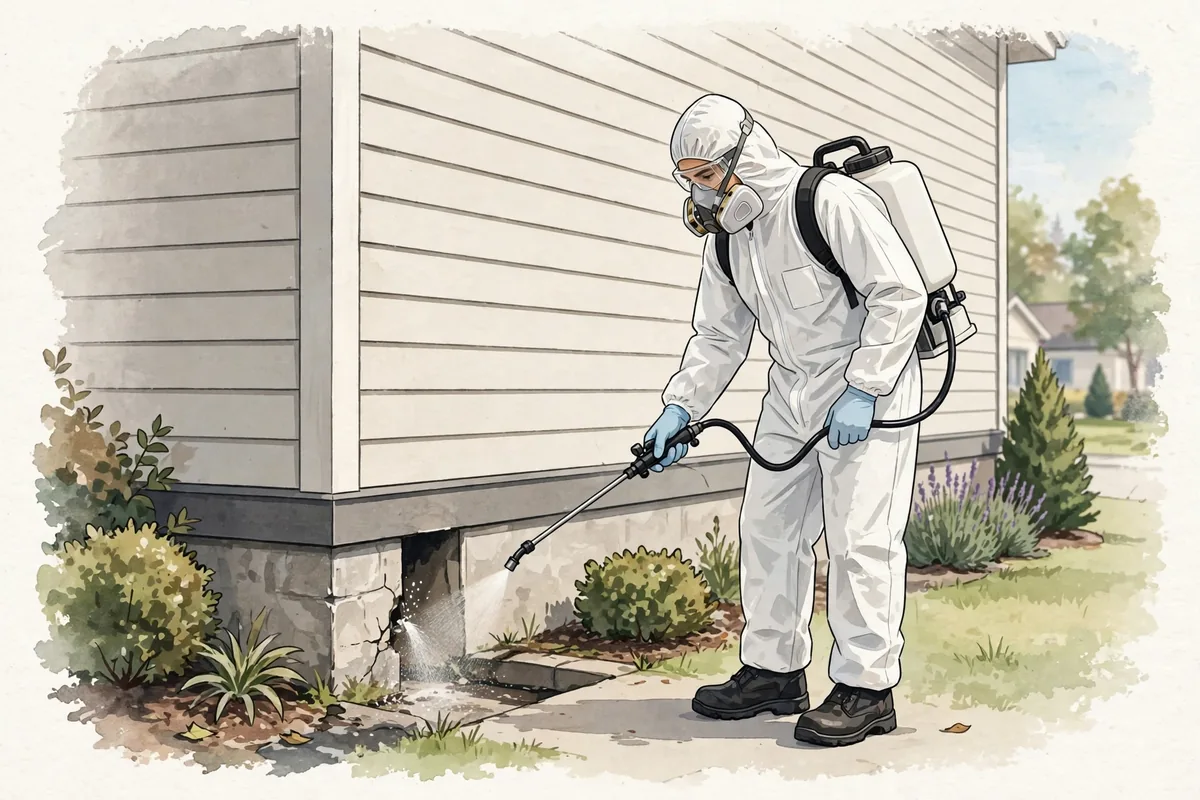
What professionals do: they typically apply an insecticide dust into the entrance at dusk or dawn, when wasps are least active. Dust outperforms liquid spray here because it clings to workers’ bodies — wasps walking in and out carry it back to the nest far more effectively than any spray can reach. Treatments may be repeated, and activity usually stops over several days. Only after several days with zero traffic should the entry hole be sealed, preventing next year’s queens from moving in.
If you are determined to handle it yourself, extension guidance describes the same dust-at-the-entrance approach, applied with a hand duster in the evening, using a product labeled for wasps and following the label exactly. Be honest about the risks: protective gear is essential, you must find every entrance, and if the nest is large or hard to reach, this is where DIY stops making sense. A single wrong move at the wrong hour can put dozens of stings on you in seconds — our multiple wasp stings first aid guide covers that scenario.
After Treatment: Preventing a Repeat #
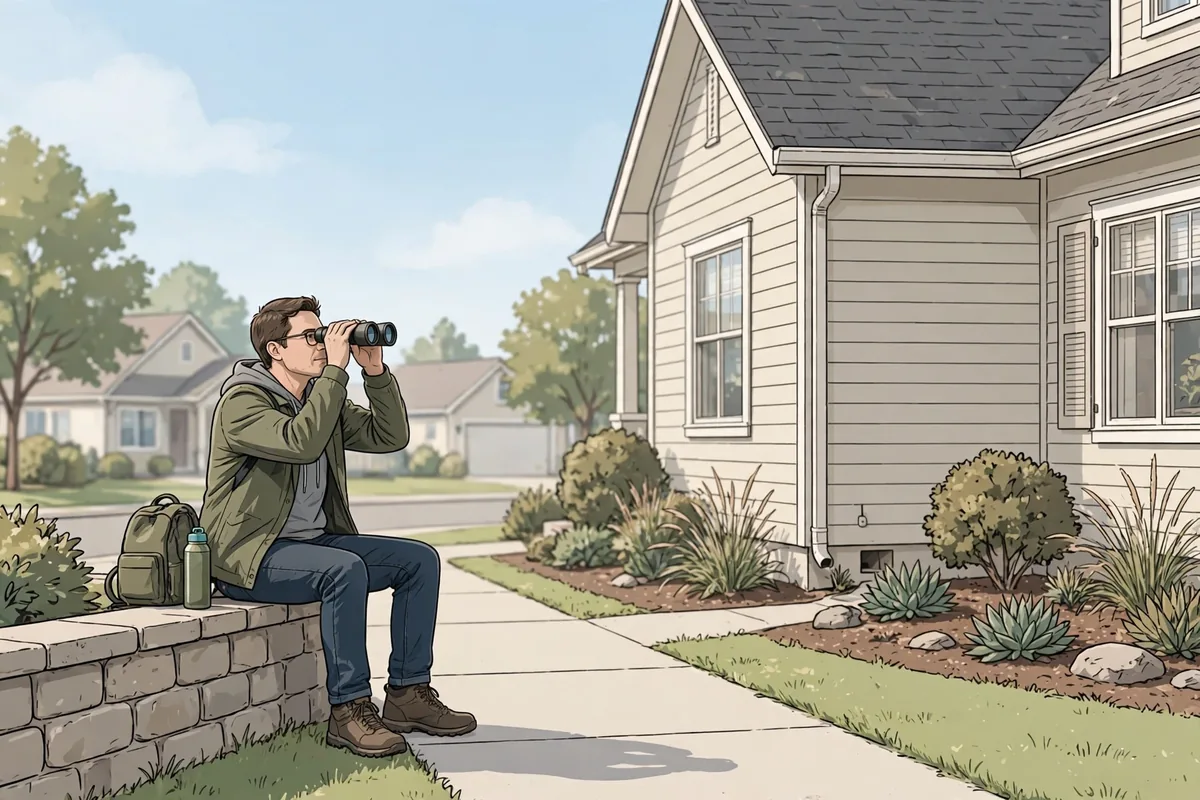
Wasps do not reuse old nests, but new queens scout the same favorable spots every spring. After activity has fully stopped:
- Seal the entry point permanently. Caulk gaps in siding, repair broken vents, and mesh soffit openings — now that the hole can be safely closed.
- Inspect the roofline in spring. Check eaves, fascia boards, and air bricks for new gaps before nesting season starts.
- Reduce attractants. Keep trash bins closed, rinse recycling, and clear fallen fruit — late-summer wasps are drawn to food and sugar.
- Seal interior gaps between the loft or wall cavities and living spaces, so any future nest has no route indoors.
The old nest itself can usually stay in the wall — it will not be reused. Some homeowners have it removed during other wall work, but opening the wall purely for nest removal is rarely necessary.
What a Wall Nest Looks Like From Inside the House #
A wall nest rarely announces itself with a visible nest. Most homeowners first notice it through indirect clues, and learning to read those clues helps you act early, before the colony grows large. The most common indoor sign is sound: a steady, localized buzzing or faint scratching behind one section of wall, often louder in warm daylight when workers are active and quieter at night. Sound alone does not prove a nest — pipes and appliances hum too — but buzzing that comes and goes with the time of day, and always from the same spot, points toward insects in the cavity.
Other indoor clues include wasps appearing in the same room repeatedly with no open window to explain them, small dark marks or staining around a light fitting or vent, and a faint sweet or musty smell near the wall in late summer when a large colony is present. Wasps may also show up in an upstairs room directly above the outdoor entrance, because wall cavities run vertically and insects follow gaps around wiring and pipework. If you notice several of these signs together, treat the wall as an active nest site: keep the room’s fixtures sealed as far as you safely can, note the outdoor entrance, and arrange professional advice rather than opening the wall yourself.
It is also worth ruling out look-alikes. A cluster of flies around a window may be cluster flies sheltering for winter, not wasps. Sawdust-like frass below a timber beam suggests wood-boring insects rather than a nest. And a honeybee colony in a wall behaves differently from a wasp nest: bees are rounder and furrier, their traffic is steadier through the day, and removing them usually needs a beekeeper, because abandoned honeycomb in a wall attracts other pests and can stain plaster. If you are unsure which insect you have, a clear photo of one insect at the entrance, taken from a safe distance, helps a professional identify it before anyone starts treatment.
What to Ask a Pest Professional Before Treatment #
Not all wall-nest jobs are the same, and a short conversation before treatment prevents most surprises. Start with identification: ask the technician to confirm the species and the likely nest location, because yellow jackets, paper wasps, and honeybees need different approaches. Then ask about method. For wall voids, professionals usually apply insecticide dust into the entrance at dawn or dusk; ask why dust is preferred over spray for your nest, how many visits are likely, and how long activity should take to stop. A reputable technician will explain that activity fades over several days rather than vanishing in an hour, and will tell you what to do if wasps start appearing indoors during treatment.
Also ask about safety and follow-up. Mention children, pets, and anyone in the household with a sting allergy, and ask whether rooms adjoining the wall should stay unused for a period after treatment. Ask when the entry hole can be sealed — the answer should be only after several days with zero traffic, never the same day — and whether sealing is included in the visit or left for you to arrange. Finally, ask what happens if activity returns: does the visit include a re-check, and what signs should prompt you to call back? Writing down the answers gives you a clear plan and a record to compare if a second opinion is ever needed.
Costs, Timing, and What Treatment Day Looks Like #
Treatment day for a wall nest is usually quieter than people expect, and knowing the sequence in advance keeps everyone calmer. The technician normally works at dawn or dusk, when most workers are inside the nest and flight traffic is low. They will inspect the outside of the house first, confirm every entrance — a nest can have more than one — and then apply dust into the entrance using a hand duster or similar applicator. You may see a brief increase in activity around the entrance as disturbed wasps react, which is why everyone should stay indoors and away from that wall during the visit.
| Stage | What usually happens | What you should do |
|---|---|---|
| Before the visit | Entrance confirmed, rooms near the wall noted | Keep kids and pets away from the wall; do not seal the hole |
| Treatment day | Dust applied at dawn or dusk; brief activity spike possible | Stay indoors near that wall; do not spray the entrance yourself |
| Days 1–3 after | Traffic falls as dust spreads through the colony | Watch from a distance; note any wasps appearing indoors |
| Several days, zero traffic | Colony treated; entrance can be sealed | Seal the hole permanently and check nearby gaps |
Prices vary widely by region, nest size, and access, so get a written quote before work starts rather than relying on a phone estimate. If activity has not clearly fallen within a few days, call the technician back instead of sealing the hole or spraying it yourself — a nest with a second entrance, or a colony larger than expected, may need a repeat treatment. And remember the seasonal angle: a nest found in late autumn may already be near the end of its natural life, so a professional may advise waiting and sealing in spring instead of treating at all. That advice is worth hearing, because it saves both money and unnecessary chemical use.
For nests in other awkward spots, the same principles apply: confirm the species, do not seal a live entrance, and let a professional handle a nest you cannot reach safely. Our guides to a wasp nest in a mailbox and how to find a wasp nest around the house follow the same approach, and how long a wasp nest stays active explains the seasonal timeline in more detail.
Warning signs: when to seek care #
Call 911 immediately if you develop trouble breathing or swallowing, swelling of the face, lips, tongue, or throat, widespread hives, dizziness or fainting, or a racing heartbeat. If you carry epinephrine for a known allergy, use it first, then call 911.
Wall nests raise sting risk precisely because encounters are unexpected and close-quarters. Seek urgent care if you are stung many times and feel nauseated, dizzy, or unwell; for any sting inside the mouth or throat or near the eye; or if swelling spreads well beyond the sting site after 24–48 hours, shows red streaks, pus, or fever.
Frequently asked questions #
Can wasps chew through my walls into the house? #
They do not chew through solid drywall to attack you, but a colony disturbed or trapped in a cavity will follow existing gaps — light fixtures, outlets, pipe runs, loft hatches — to get out. That is why sealing the outside hole prematurely is dangerous: it converts their outdoor exit into an indoor one.
Will the nest damage my house? #
The main risk is stings, not structure. Very large nests can cause minor staining or moisture issues in plasterboard or insulation over time, but serious structural damage from wasps alone is rare. The bigger property concern is honeybees, whose wax and honey cause lasting damage — another reason to confirm the species first.
How long will a wall nest stay active? #
In most of the US, the colony builds through summer, peaks in August and September, and dies with hard frosts in fall. Only mated new queens survive winter, and they leave to hibernate elsewhere — they do not reuse the old nest. In warm climates without hard freezes, activity can persist longer.
Can I just wait until winter? #
Sometimes, yes — with conditions. University extension guidance notes that freezing temperatures kill the workers and the resident queen, making a far-from-traffic nest safe to ignore until spring. But do not wait if wasps are entering your living space, the entrance is near a door or play area, or anyone in the household is allergic to stings.
More questions, answered #
Can wasps get into my bedroom through a ceiling light? #
Yes, through gaps rather than through solid material. Wasps in a wall cavity follow existing routes — around light fittings, outlet boxes, pipe runs, and loft hatches — so a ceiling light in a room adjoining the nest is a common indoor exit. If wasps appear around a fitting, do not remove the fitting yourself while the colony is active; keep the room door closed, cover the gap temporarily from the room side if you can do so safely, and tell your pest professional that indoor emergence is happening, because it changes how treatment is handled.
Should I open the wall to remove the nest? #
Almost never, and not while the colony is alive. Opening a wall releases the colony into the room, creates a repair job, and still leaves the problem of treating the nest itself. The old nest can usually stay in the wall once the colony is dead — it will not be reused — so opening the wall purely for removal is rarely necessary. The exception is during other planned wall work, when a contractor can remove the old nest while the wall is already open.
What if the nest is in a rented home? #
Tell your landlord or property manager promptly, in writing, and include the entrance location and whether wasps are coming indoors. Pest control in a wall cavity is normally the property owner’s responsibility, and a professional job protects both you and the building. While you wait, follow the same rules as a homeowner: do not seal the hole, do not spray it, and keep children and pets away from that wall. If anyone in the household has a sting allergy, say so clearly in your message so the job is treated as urgent.
Related guides #
- How Long Does a Wasp Nest Stay Active?
- Wasp Nest in Your Mailbox: What to Do
- How to Find a Wasp Nest: House & Yard Checklist
- Yellow Jacket Ground Nest in Yard: Safety
- Beehive vs Wasp Nest: How to Tell
Medical and editorial note #
This guide is general information, not medical advice. Wasp nest removal in wall cavities carries real sting risk, and a large or aggressive colony is best handled by a licensed pest professional. If you have a known sting allergy in the household, treat any wall nest as urgent and keep epinephrine accessible until the nest is resolved.


