
Fire Ant Bites on the Thigh: First Aid, Pustules, and Infection Watch #
Fire ant bites on the thigh are usually painful, very itchy, and likely to form small white pustules over the next day or so. Move away from the ants, remove any ants trapped in clothing, wash the skin gently, protect the pustules from pressure and scratching, and watch closely for signs of infection or a severe allergic reaction.
This guide explains what to do in the first minutes, how to care for pustules on the thigh day by day, how sitting and walking affect healing, how to tell fire ant pustules from pimples or folliculitis, and when to seek prompt or emergency care. It is written for adults, parents, outdoor workers, gardeners, hikers, and anyone who spends time outdoors in fire ant country in the United States.
What Fire Ant Bites on the Thigh Look and Feel Like #
Fire ant stings on the thigh often arrive as a group rather than as a single spot. That pattern is one of the most useful clues. A person may notice a sudden burning or stinging feeling, then find several red, raised bumps clustered on one part of the thigh, or spread across a wider area where ants were trapped under clothing.
The first minutes after a sting #
In the first minutes, the skin often feels hot, tight, and sharply painful. Many people describe a burning sensation that is stronger than a typical mosquito bite. Redness and swelling can build quickly around each sting site. Itching often starts soon after the pain eases a little, and it can become intense over the following hours.
The thigh is a large, fleshy area, so swelling may look less dramatic than swelling on a finger or an eyelid, but it can still be uncomfortable, especially when clothing presses against the area or when the person sits down. Swelling that stays close to the sting sites and improves over a few days is common. Swelling that keeps spreading, becomes very painful, or is paired with fever or red streaks needs prompt medical attention.
Why several bites appear together #
Fire ants often sting more than once, and more than one ant may be involved. When a mound is disturbed, ants rush out and may climb onto shoes, socks, and trousers. If they get inside a trouser leg, they can sting repeatedly as they move upward. That is why a person may end up with a line of bites, a cluster on the inner thigh, or bites on both thighs after one outdoor incident.
This pattern matters for first aid. It is not enough to treat one visible bump and move on. Check the whole thigh, including the inner thigh, the back of the thigh, the area near the knee, and the skin under sock lines and waistbands. Check the other leg as well, and check shoes, socks, and trouser cuffs for ants that are still present.
What the skin usually looks like over time #
At first, each sting site often looks like a red, raised bump. Within hours, many sites develop a small blister like bump. Over the next day or so, many of these become pustules, which are small raised spots with a white or cloudy center surrounded by red skin. Pustules from fire ants are a known part of the reaction, and they are not the same as ordinary pimples, even though they can look similar at a glance.
Pustules are fragile. On the thigh, they face extra pressure from sitting, walking, tight clothing, and seams. Protecting them from friction and scratching is one of the most important parts of thigh care, because a broken pustule leaves an open spot that is more likely to become infected.
Why the Thigh Gets Hit So Hard #

The thigh is exposed in ways people do not always notice. Shorts leave the thigh open. Trousers can trap ants inside. Sitting on grass, a log, a low wall, or a picnic blanket can put the thigh right against ant activity. Gardening, yard work, playing outdoors, and walking through tall grass all increase the chance of contact.
Ants inside trousers while standing or sitting outdoors #
One of the most common thigh scenarios is ants getting inside a trouser leg. This can happen while standing near a mound, while stepping over garden beds, while sitting on the ground, or while working close to soil, mulch, or a tree base. Once inside, ants may move upward until clothing fits snugly, and then sting.
If you feel sudden stinging, burning, or crawling on the thigh, do not keep standing in the same spot and hope it passes. Move away from the area at once. Step onto pavement or another clear surface. Remove shoes and trousers carefully if you can do so safely and privately, and shake them out away from your body. Check socks, underwear waistbands, and any folds of fabric where ants can hide. A single ant left in clothing can sting again.
Multiple bites across the thigh #
Multiple bites across the thigh can make the whole area sore, itchy, and tender. Walking may hurt where the inner thighs rub together. Sitting may press pustules against a chair. Lying on one side may press the outer thigh against bedding. These everyday pressures do not mean something is seriously wrong on their own, but they do mean care needs to be gentle and consistent.
When many bites are present, keep a simple mental map of the worst areas. Notice which spots are most painful, which are most swollen, and which pustules look different from the others. That helps you spot change over time. If redness spreads well beyond the original cluster, if pain increases instead of easing after the first day or two, or if new symptoms appear, seek prompt care.
Shorts, sock lines, and waistbands #
Shorts leave the thigh unprotected, so ants can reach skin directly. Trousers protect skin in one sense but can trap ants in another. Sock lines matter because ants often climb from shoes to socks to the lower leg and then to the thigh. Waistbands matter because ants moving upward can be stopped by a snug waistband and then sting near that line.
After an incident, wash clothing that may have ants in it before wearing it again. Shake clothing outdoors, away from people and pets. Check pockets, cuffs, and seams. If you are outdoors and cannot change clothes right away, at least remove and shake out shoes and socks, and check trouser legs carefully.
First 10 Minutes: What to Do Right Away #
Quick, calm action in the first minutes reduces further stings and gives the skin the best start. You do not need special equipment. Distance, removal, washing, and a cool compress cover most of the early care.
Move away and stop further stings #
Move away from the mound, the nest area, or the patch of ground where the stings happened. Do not stand near the mound to inspect it. Do not try to brush ants off while still standing in the same spot, because more ants may climb on. Once you are clear, remove ants from skin and clothing.
Brush ants off gently but firmly. Do not crush ants against the skin if you can avoid it, because crushing can irritate the skin further. If ants are inside trousers, remove the trousers if possible. If you are in a public place and cannot remove trousers, loosen the waistband, shake the leg gently, and move to a private place as soon as you can to check thoroughly.
Wash the skin gently #
Wash the thigh with clean water and mild soap. Use gentle pressure and clean hands. Do not scrub hard, do not use rough washcloths on fresh sting sites, and do not apply harsh cleaners. Pat the skin dry with a clean towel rather than rubbing.
Washing helps remove ants, soil, and debris. It also gives you a clearer view of the sting sites. After washing, avoid covering the area with tight bandages or sticky tape over fresh pustules. If a dressing is needed to protect the area from clothing friction, use a clean, nonstick, loose covering and change it if it becomes damp or dirty.
Apply a cool compress #
A cool, damp cloth or a wrapped cold pack can help ease burning and swelling in the early phase. Keep the compress clean and do not place ice directly on skin. Use short periods of cooling, then remove the compress and let the skin rest. If cooling makes pain worse, or if the skin becomes numb, white, or very pale, remove the compress and seek advice.
Cooling is comfort care, not a cure. It does not prevent pustules from forming, and it does not replace watching for allergic symptoms or infection. Use it as part of early care, alongside washing and protection from further stings.
Watch for severe allergic symptoms from the start #
Most fire ant stings cause local pain, itching, and pustules. A small number of people develop a severe allergic reaction. Watch from the very beginning for trouble breathing, swelling of the lips, tongue, or throat, widespread hives, dizziness, fainting, nausea, or a feeling of collapse. These symptoms need emergency care at once, even if the thigh itself does not look severe.
If you have a prescribed epinephrine auto-injector, use it as directed if severe symptoms occur, and still seek emergency care right away. Do not wait to see if symptoms improve on their own. Tell emergency responders that the reaction followed fire ant stings, and mention how many stings there were if you know.
Step by Step First Aid for the Thigh #
First aid for fire ant bites on the thigh follows a simple order: stop further stings, clean, soothe, protect, and monitor. Keep the routine gentle. The thigh heals best when pustules are left intact and skin is not irritated by harsh products or rough handling.
Step one: clear ants and clothing #
Move to a safe spot, remove ants, and check all clothing. Shake out trousers, socks, and shoes outdoors. Wash clothing before reuse if ants were inside it. Check skin folds, the back of the knee, and the inner thigh, where ants and bites can be easy to miss.
Step two: wash and dry #
Wash with mild soap and clean water. Rinse well. Pat dry. Avoid hot water on freshly stung skin if it increases pain or itching. Avoid scented lotions, sprays, or strong products on open or blistered skin in the early phase.
Step three: soothe itching and pain #
For itching, a cool compress and loose clothing often help. Some people use over the counter products made for insect bites, such as a soothing lotion or an oral antihistamine. If you use any product, follow the label directions exactly, and do not combine products unless the labels or a clinician say it is appropriate. Name product types only, and avoid guessing at amounts or timing. If you are unsure, if you take other medicines, or if the person stung is a child, seek pharmacist or clinician advice before adding a product.
Keep nails short and clean while the area is itchy. Try not to scratch. Scratching breaks pustules, increases soreness, and raises infection risk. A loose, clean covering can help reduce the urge to scratch, especially at night, but it must not be tight or trap moisture for long periods.
Step four: protect pustules from pressure #
Choose loose trousers or shorts that do not rub the worst area. Avoid tight jeans, tight leggings, and seams that sit directly over pustules during the first days. If you must wear work trousers, consider a clean, soft barrier layer that reduces friction without sticking to the skin. Change out of damp or sweaty clothing when you can, because damp fabric and sweat can increase irritation.
At night, wear loose sleepwear and use clean bedding. If pustules are on the outer thigh, try not to lie directly on that side for long periods if it causes pain. If pustules are on the inner thigh, a soft layer between the thighs can reduce rubbing while walking, but remove it if it traps heat or moisture.
Step five: monitor every day #
Check the thigh regularly each day during the first week. Look for spreading redness, increasing pain, warmth, swelling that keeps growing, pus beyond the expected pustule appearance, red streaks leading away from the area, fever, or new symptoms. Note what changes and when, so you can describe it clearly if you seek care.
This daily check is especially important when there are many bites. One infected spot among many pustules can be easy to miss if you only glance at the area. Take time to look at the inner thigh, the back of the thigh, and any spots hidden by clothing lines.
Pustules: What They Are and How to Protect Them #
Pustules are the hallmark of fire ant stings. Understanding them helps you avoid the most common mistake, which is trying to pop, drain, or scrub them away.
What a fire ant pustule is #
After a fire ant sting, the skin often forms a small raised spot that becomes cloudy or white in the center. This is a pustule. It is part of the local reaction to the sting, not a sign on its own that the skin is infected. Most pustules dry up and form a small scab over several days, then heal without leaving a lasting mark if they are left alone.
Pustules can be tender, itchy, and easy to break, especially on the thigh where clothing and movement put pressure on them. A pustule that breaks on its own because of friction is different from a pustule that is deliberately popped. Both leave an open spot, but deliberate popping adds extra trauma and pushes bacteria from hands and nails into the skin.
Never pop, squeeze, or scratch pustules open #
Do not pop fire ant pustules. Do not squeeze them, do not pierce them with a needle, and do not scratch them open. Popping does not speed healing. It creates an open wound, increases pain, and raises the risk of bacterial infection. It can also leave a scar or a dark mark that lasts longer than the pustule itself would have.
If a pustule breaks accidentally, wash the area gently with mild soap and water, pat dry, and cover it with a clean, nonstick dressing if clothing will rub it. Watch that spot more closely for infection signs. Do not apply harsh antiseptics, and do not cover a broken pustule with tight, airless tape for long periods.
Keeping pustules clean without overtreating #
Clean the thigh regularly with mild soap and water during the healing phase, and after sweating, yard work, or exercise. Pat dry. Avoid repeated scrubbing, avoid strong soaps, and avoid layering many different creams and sprays on the same area. Simple, gentle care is usually best.
If you use a soothing product, apply it to skin around the pustules rather than rubbing it directly into broken spots, unless the product label says it is suitable for that use. Stop any product that causes increased redness, burning, rash, or itching beyond the original sting reaction, and seek advice if the reaction spreads.
When a pustule looks different from the rest #
Most pustules in a cluster look similar. Watch for a spot that becomes much more painful than its neighbors, much warmer, much more swollen, or that develops spreading redness around it. Watch for pus that increases rather than dries up, for a spot that reopens repeatedly, or for a sore that grows instead of shrinking. Those changes can signal infection and need prompt care.
Also watch for a pustule that does not follow the usual timeline. If most pustules are drying and forming scabs while one spot keeps getting worse, that spot deserves closer attention. Do not wait for a fever to appear before seeking care if pain and redness are clearly spreading.
Day by Day Pustule Timeline #

Healing times vary from person to person and depend on how many stings there were, where they are on the thigh, how much pressure they face, and whether they were scratched or broken. The timeline below describes a common pattern. It is not a promise about any individual case, and it does not replace medical advice if symptoms worsen.
Day zero: sting day #
On sting day, expect burning, pain, redness, and swelling. Small raised bumps appear. Itching often builds over hours. Early care is washing, cooling, loose clothing, and watching for allergic symptoms. Avoid tight clothing and avoid scratching, even though itching can be strong.
The first day after stings #
Over the first day, many bumps develop into small blister like spots, and then into pustules with a white or cloudy center. Itching may peak during this period. The area may feel tender when sitting or walking. Redness may still be present around each pustule. This stage can look alarming, especially when there are many pustules, but pustules alone do not automatically mean infection.
Days two to four: pustule peak and drying #
During the next few days, pustules often reach their most noticeable stage and then begin to dry. Some form small scabs. Itching may ease gradually, although some spots remain itchy until scabs fall off. Pain should generally ease rather than increase during this phase. If pain increases sharply, or if redness spreads well beyond the pustules, seek prompt care.
This is also the phase when thigh pressure matters most. Sitting for long periods, tight waistbands, and inner thigh rubbing can break pustules that would otherwise dry intact. Plan clothing and seating with that in mind. Stand and move gently when you can, and avoid long periods in damp, sweaty clothing.
Days five to ten: scabs and fading #
As pustules dry, scabs form and then fall off naturally. Do not pick scabs. Picking reopens the skin and can lead to infection or marking. The skin underneath may look pink or slightly darker than surrounding skin for a while. That color change often fades over time.
By this stage, most discomfort should be clearly improving. If the area is still very painful, still spreading, still warm and swollen, or if new sores appear, seek care rather than waiting for the timeline to catch up. Healing that stalls or reverses is a reason to get checked.
Beyond ten days: lingering marks and slow spots #
Some spots take longer, especially if they were broken, scratched, or infected. A small dark mark or light scar can remain for a while after a deep or broken pustule heals. Protect healing skin from sun and friction, and keep it moisturized only with gentle products once the skin is closed, if that helps comfort.
If a spot remains open, oozing, painful, or growing after the rest of the area has healed, seek care. Do not keep applying new home remedies to a stubborn spot. A clinician can assess whether infection, a different skin condition, or another cause is involved.
| Stage | What to expect on the thigh | Best care focus |
|---|---|---|
| Sting day | Burning, pain, redness, swelling, raised bumps | Move away, remove ants, wash gently, cool compress, watch for allergy signs |
| First day after | Bumps become blister like spots, then pustules, strong itching | Loose clothing, do not scratch, protect from seams and pressure |
| Days two to four | Pustules peak, then begin to dry, some scabs form | Avoid sitting pressure, keep clean and dry, watch for spreading redness |
| Days five to ten | Scabs fall off naturally, soreness eases | Do not pick scabs, keep friction low, monitor slow or worsening spots |
| Beyond ten days | Fading marks, most spots closed | Protect healing skin, seek care for any open, growing, or painful spot |
Sitting, Walking, and Clothing Pressure on the Thigh #
The thigh is not a still surface. It moves, folds, presses against chairs, and rubs against the other thigh. That movement shapes how fire ant pustules heal, and it explains why thigh bites can feel worse than bites on a less mobile area.
Sitting pressure on outer and back thigh pustules #
Sitting presses the back and outer thigh against a chair, car seat, or bench. If pustules are in that zone, sitting can flatten them, break them, or increase pain. Use a soft seat cushion if it helps, shift position regularly, and stand for short breaks when you can. Avoid hard, rough seating surfaces against bare pustules during the first days.
In a car, the seat belt and seat edge can also press on the upper thigh. Adjust clothing so seams do not sit directly over the worst pustules. If driving is painful because of thigh pressure, delay nonessential driving until sitting is more comfortable, or plan breaks.
Walking and inner thigh rubbing #
Walking causes the inner thighs to rub together, especially in warm weather or during longer walks. If pustules are on the inner thigh, this rubbing can break them and increase soreness. Shorter, slower walks, loose trousers, and a soft barrier layer can help. Avoid long hikes, running, or intense exercise that increases friction and sweat over fresh pustules until the area is more settled.
Sweat itself can irritate healing skin. After walking or working outdoors, change out of damp clothing, wash gently, and pat dry. Do not leave sweaty fabric pressed against pustules for hours.
Shorts, trousers, and fabric choices #
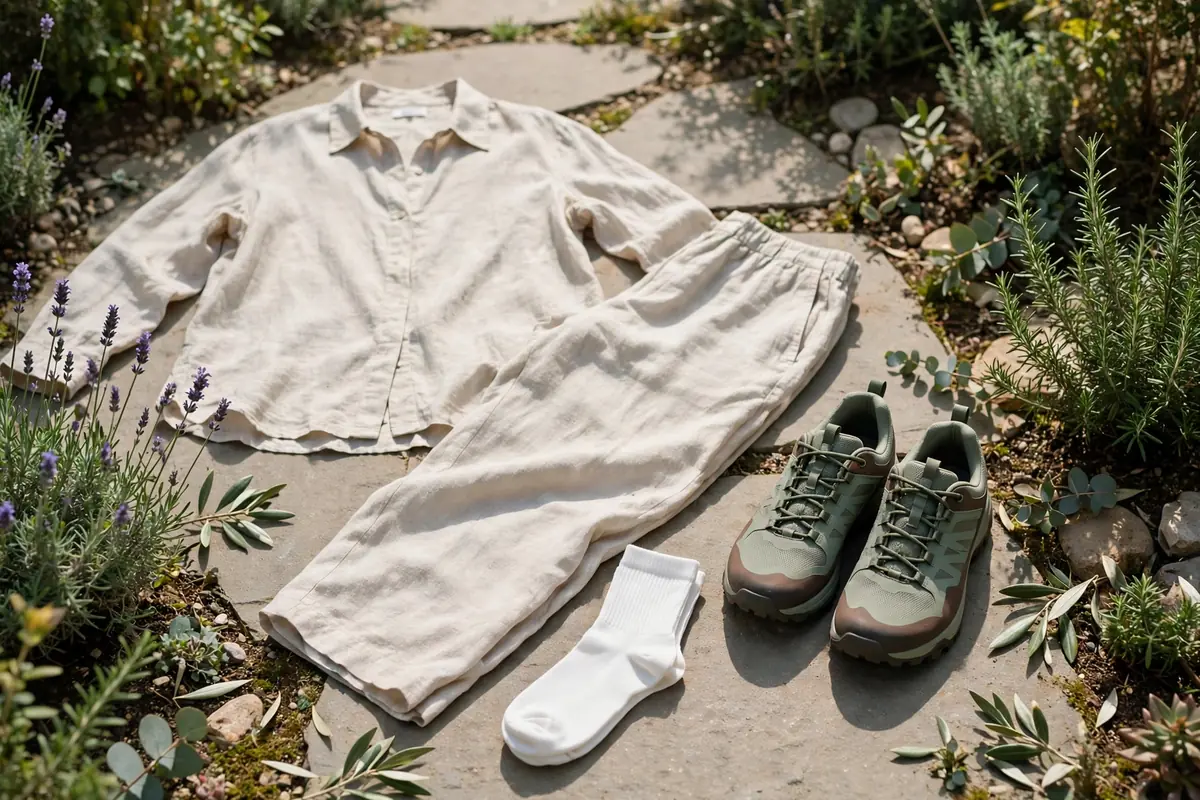
Loose, breathable fabric is usually the most comfortable choice during healing. Light cotton trousers or loose shorts reduce friction and allow air to reach the skin. Tight jeans, tight leggings, and rough fabrics can rub pustules and trap heat. Seams, pockets, and waistbands that cross the bite area deserve special attention, because a seam can act like a constant pressure line.
If work requires trousers or protective clothing, choose the loosest safe option, and add a clean, soft inner layer if it reduces seam pressure without trapping moisture. At home, change into loose clothing as soon as you can after an incident.
Sleep positions and bedding #
At night, bedding and sleep position can press on thigh pustules. Clean, soft bedding helps. If pustules are on the outer thigh, sleeping on the opposite side may be more comfortable. If pustules are on the inner thigh, loose sleepwear reduces rubbing. Avoid heavy blankets that trap heat over the area if they increase itching.
If itching is worse at night, a cool cloth before bed and loose sleepwear can help. Keep nails short, and consider a loose covering over the area if scratching during sleep is a problem. Remove the covering if it becomes damp or uncomfortable.
Telling Fire Ant Pustules From Pimples or Folliculitis on the Thigh #
The thigh commonly develops pimples, ingrown hairs, and folliculitis, which is inflammation around hair follicles. These can look similar to fire ant pustules, especially when only a few spots are present. Context, timing, and pattern usually help tell them apart, but when in doubt, seek clinician advice rather than guessing.
Clues that point toward fire ant stings #
Fire ant pustules often appear suddenly, in a group, after outdoor exposure, mound disturbance, or ants in clothing. Pain and burning at the start are often stronger than with ordinary pimples. The spots often appear within hours, then turn into pustules over the next day. The pattern may follow a trouser leg, a sock line, or a cluster where ants were trapped.
If you remember stinging, burning, or ants on clothing, and the spots appeared soon after, fire ant stings are a likely explanation. If you spent time sitting on grass, gardening, or walking near mounds, that history also supports fire ant stings.
Clues that point toward pimples or folliculitis #
Pimples and folliculitis often develop more gradually, without a sudden stinging event. They may center on hair follicles, appear after shaving, sweating, tight clothing, or friction, and may be more scattered or tied to a specific area such as the upper thigh or buttock crease. They may be less painful at first, and they may not follow the rapid bump to pustule timeline seen after fire ant stings.
Folliculitis can also form pustules, and it can become infected. That overlap is why visual similarity alone is not enough. If spots keep appearing without new ant exposure, if they cluster around hair follicles after shaving, or if they do not follow the sting timeline, consider folliculitis or another skin condition and seek advice.
Why the distinction matters #
The distinction matters because care differs. Fire ant pustules should be left alone to dry and scab. Pimples should also not be squeezed, but folliculitis may need different assessment, especially if it spreads, recurs, or becomes painful. Infection can occur in either case, and infection signs should prompt care regardless of the original cause.
Do not try to diagnose yourself by squeezing, cutting, or testing a spot. If the pattern is unclear, if spots worsen, or if you have diabetes, immune suppression, poor circulation, or another condition that affects skin healing, seek prompt clinician advice early rather than waiting.
| Feature | Fire ant pustules | Pimples or folliculitis |
|---|---|---|
| Onset | Sudden, often within hours of outdoor exposure or ants in clothing | More gradual, often after shaving, sweat, friction, or tight clothing |
| Pattern | Cluster or line, often many spots together | Often centered on hair follicles, may be scattered or in a friction zone |
| Early feeling | Burning and sharp pain, then intense itching | Mild soreness or itching, sometimes tender around a hair |
| Timeline | Bumps to blister like spots to pustules, then drying and scabbing | Pimples may come and go, folliculitis may persist or recur without new stings |
| Key history | Mound disturbance, sitting on grass, ants in trousers or socks | Recent shaving, heat, sweat, tight fabric, no sting event |
Itching, Pain, and Swelling Management Without Harm #
Itching is often the longest lasting symptom. Pain usually eases first, while itching can linger until scabs fall off. Managing itching without breaking the skin is the main challenge, especially on the thigh where scratching is easy and tempting.
Gentle comfort measures #
Cool compresses, loose clothing, clean skin, and distraction help many people. A cool shower or a cool damp cloth can calm itching for a short time. Avoid very hot water, which can increase itching afterward. Avoid rubbing with towels, brushes, or rough fabrics.
Keep the area clean and dry after sweating. Change damp clothing promptly. Avoid scented products on broken or freshly pustular skin. If you use a product for itching, follow the label directions, apply it as directed, and stop if it causes new irritation.
Products to use with care #
Over the counter options for insect bites include soothing lotions and oral antihistamines. These are product types, not prescriptions, and they are not right for everyone. Follow label directions, check for interactions with other medicines you take, and seek pharmacist or clinician advice if you are unsure, if you are pregnant, or if the person affected is a child.
Avoid products that promise to dry out pustules quickly, draw out venom, or heal bites overnight. Avoid home remedies that involve harsh chemicals. The goal is comfort and protection, not aggressive treatment of the pustule itself.
Swelling that needs attention #
Mild swelling around sting sites is common. Swelling that spreads well beyond the bite area, swelling that makes walking difficult, swelling paired with severe pain, or swelling that keeps growing after the first day or two deserves prompt assessment. Swelling of the lips, tongue, or throat is an emergency, not a local swelling issue, and needs emergency care at once.
Elevating the leg for short periods can help comfort if swelling is bothersome, as long as elevation does not press pustules against a hard surface. Gentle movement, rather than complete immobility, often helps the thigh feel less stiff, but avoid exercise that rubs or breaks pustules.
Infection Watch: What to Look For and When to Act #
Infection is the main complication to watch for after fire ant bites on the thigh. It usually happens when pustules are broken by scratching, friction, or popping, and bacteria enter the skin. It can also happen when many bites create many small openings, or when healing is slowed by pressure, moisture, or an underlying health condition.
Early infection signs #
Watch for redness that spreads outward from a pustule or cluster, rather than staying close to the original spots. Watch for pain that increases after initially improving. Watch for warmth in the skin around the area, swelling that grows, and pus that increases, becomes thicker, or has an unpleasant odor. Watch for red streaks leading away from the bite area toward the groin or knee. Watch for fever, chills, or a general feeling of being unwell.
Any one of these signs on its own may not prove infection, but a combination, or a clear worsening trend, should prompt care. Do not wait for all signs to appear. Early assessment is safer than waiting for a small infection to become a larger one.
Pustules versus infection: a practical comparison #
Normal fire ant pustules are small, white or cloudy centered spots that dry and scab over several days. Pain and itching gradually ease. Infection tends to move in the opposite direction. Pain increases, redness spreads, warmth grows, and the area may become more swollen and tender to touch. A single spot that becomes much worse than its neighbors is a warning sign even if the rest of the cluster is improving.
If you are unsure whether a spot is a normal pustule or an infected sore, seek advice and describe the timeline. Mention when the stings happened, how many bites there were, whether pustules were scratched or broken, and what has changed since yesterday. That history helps a clinician assess the area.
Who should seek care sooner #
Seek care sooner if the person has diabetes, immune suppression, poor circulation, eczema or broken skin, or a condition that slows healing. Seek care sooner if bites are on a child, if there are very many bites, if pustules are repeatedly broken by work clothing, or if fever or spreading redness appears. Seek care sooner if a spot remains open, painful, or growing after the rest of the area has healed.
Children may scratch more, may not report worsening pain clearly, and may have thinner skin on the thigh. Check a child’s thigh daily, keep nails short, use loose clothing, and seek care early if redness spreads or if the child develops fever.
What to do while waiting for care #
While waiting for care, keep the area clean and gently covered if clothing rubs it. Do not pop or drain the spot. Do not apply harsh chemicals, strong antiseptics, or home mixtures. Note when symptoms started, what changed, and whether fever is present. Bring a list of medicines and allergies to the appointment if you can.
If symptoms worsen quickly, if red streaks spread rapidly, if pain becomes severe, or if fever rises, seek urgent care rather than waiting for a routine appointment. If emergency symptoms appear, call 911.
Warning Signs: When to Get Emergency or Prompt Care #
Some symptoms after fire ant stings need emergency care. Others need prompt care the same day. Knowing the difference helps you act quickly without panic, and helps you avoid delay when delay is dangerous.
Emergency signs: call 911 now #
Call 911 right away if you notice trouble breathing, swelling of the throat or tongue, widespread hives, dizziness or fainting, or collapse after fire ant stings. If a prescribed epinephrine auto-injector is available, use it as directed, and still seek emergency care immediately, even if symptoms seem to improve. Do not drive yourself if you feel faint, dizzy, or short of breath. Tell emergency responders that fire ants caused the reaction.
Emergency signs can appear quickly, sometimes within minutes. They can also appear after an initial mild reaction, so keep watching during the first hours, especially if there were many stings. If you have had a severe reaction to stings before, seek emergency care at the first sign of a similar reaction, and do not wait to see how it develops.
Prompt care signs: seek care the same day #
Seek prompt care the same day for spreading redness, increasing pain, warmth, swelling that keeps growing, pus beyond normal pustules, fever, red streaks, a sore that keeps reopening, or a spot that becomes much worse than its neighbors. Seek prompt care if the thigh becomes difficult to walk on, if sitting becomes very painful, or if the area does not improve after several days.
Also seek prompt care if you are unsure whether the spots are fire ant pustules, folliculitis, or another skin condition, and symptoms are worsening. A clinician can examine the area, assess for infection, and advise on next steps. Bring information about when the stings happened, where you were, and whether ants were in clothing.
Signs that can wait for routine advice #
Mild itching, mild redness close to pustules, and gradual drying and scabbing are common and often settle with gentle care. If symptoms are steadily improving, if pain is easing, and if no spreading redness, fever, or emergency signs are present, routine monitoring at home is often reasonable. Still check the area daily, because a stable situation can change, especially if pustules are broken by friction.
When in doubt, seek advice. It is safer to have a clinician look at a thigh that turns out to be healing normally than to wait while an infection spreads.
For broader context on how different stinging insects are managed, see this guide to carpenter ant bite treatment and this guide to bee sting on eyelid treatment. Those guides cover different body areas and insects, but they share the same core principles: remove the cause, wash gently, protect the skin, and watch for allergy and infection signs.
Fire Ant Bites on the Thigh in Special Situations #
Thigh bites affect different people differently. Children, older adults, outdoor workers, and people with skin or circulation conditions may need extra attention, even when the initial stings look similar.
Children and thigh bites #
Children often get thigh bites while playing on grass, sitting on the ground, or walking through yards. They may not notice ants in clothing right away, and they may scratch vigorously. Check the whole thigh, change clothing, and wash gently. Use loose clothing and keep nails short. Watch for fever, spreading redness, or a child who becomes unusually tired, irritable, or unwilling to walk because of thigh pain.
Explain pustule care in simple terms: do not pop, do not scratch, tell an adult if pain gets worse. If a child has many bites, if pustules are broken, or if any emergency sign appears, seek care promptly.
Older adults and people with slower healing #
Older adults and people with diabetes, poor circulation, immune suppression, or chronic skin conditions may heal more slowly and may develop infection more easily. Thigh skin may be thinner, and pressure from sitting may cause more damage. Daily checks matter more in these situations. Seek care early if redness spreads, pain increases, or a spot stays open.
If mobility is limited, sitting pressure can be a bigger problem. Shift position regularly, use soft seating, and keep the area clean and dry. Ask a family member or caregiver to help check hard to see areas such as the inner thigh and back of the thigh.
Outdoor workers, gardeners, and hikers #
Outdoor workers face repeated exposure. A gardener, landscaper, farm worker, or hiker may get thigh bites more than once in a season. After each incident, change clothing, shake out trousers and socks, and wash promptly. Do not continue working in the same mound area after stings. Mark the area mentally and avoid it until it can be managed safely.
Work clothing that is tight, damp, or rough can worsen healing. If possible, wear loose work trousers, closed shoes, and socks that cover the ankle. Tuck trousers into socks only if that is part of safe work practice for the job, and check for ants inside clothing after work near mounds. Wash work clothing before reuse.
People with a history of severe sting reactions #
Anyone who has had a severe allergic reaction to insect stings before should treat new fire ant stings with extra caution. Keep a prescribed epinephrine auto-injector accessible when outdoors if one has been prescribed, and know how to use it. Tell companions about the history, so they can help if symptoms appear. Seek emergency care at the first sign of breathing trouble, throat swelling, widespread hives, dizziness, or collapse.
Do not rely on antihistamines or soothing lotions to treat a severe allergic reaction. Those products do not replace emergency care or epinephrine when it has been prescribed.
Preventing the Next Thigh Bites Outdoors #
Prevention is especially important for the thigh, because the same habits that lead to bites once can lead to bites again. Small changes in clothing, seating, and awareness reduce risk without making outdoor time unpleasant.
Clothing and footwear habits #
Wear closed shoes and socks outdoors in fire ant areas. Avoid sandals in grass, mulch, or soil where mounds may be hidden. Wear trousers rather than shorts when working in yards, gardens, or fields. Shake out shoes before putting them on if they were left outdoors, and check trouser legs after sitting or working near soil.
After outdoor work, change out of work clothing promptly, especially if you sat on the ground or worked near mounds. Wash clothing that may have ants in it before wearing it again. Keep a spare set of clean clothes accessible during long outdoor work days.
Seating and ground awareness #
Avoid sitting directly on grass, logs, low walls, or mulch in fire ant areas. Use a chair, a clean blanket on a checked surface, or a raised seat. Before sitting, look at the ground around you for mounds, ant trails, or disturbed soil. Teach children to check before sitting on grass or playing near mounds.
When gardening, avoid kneeling or sitting in soil without checking first. Use gloves and long trousers, and move carefully around garden beds, tree bases, and compost areas where ants may nest. If you disturb a mound accidentally, move away at once and check clothing.
Yard and mound awareness #
Learn what fire ant mounds look like in your area. They are often loose soil mounds without a central opening on top, and they can appear in lawns, gardens, fields, and near sidewalks. Do not step on, kick, or poke mounds. Keep play areas, picnic spots, and work zones clear of visible mounds where possible, and seek professional advice for mound management if mounds are a recurring problem on your property.
Pets can also disturb mounds and bring ants into contact with people. Check pets after outdoor time in fire ant areas, and avoid letting pets sit or lie on mounds.
What Not to Do After Fire Ant Bites on the Thigh #
Mistakes after fire ant bites usually come from trying to do too much, too aggressively. The skin needs gentle care, not strong chemicals or forceful treatment.
Do not pop, cut, or drain pustules #
Popping, cutting, squeezing, or draining pustules does not help healing. It opens the skin, increases pain, and raises infection risk. It can also leave a scar. Leave pustules intact, and let scabs fall off naturally.
Do not use harsh or dangerous home remedies #
Do not apply bleach, rubbing alcohol, toothpaste, or full strength essential oils to fire ant bites or pustules. These products irritate skin, damage healing tissue, and can cause new rashes or burns. Do not apply hot compresses that are hot enough to burn, and do not scrub the area with harsh brushes or abrasive products.
Do not cover fresh pustules with tight, airless wraps for long periods. Do not leave damp, dirty dressings on the skin. Do not reuse dirty cloths or compresses. Clean, gentle, simple care is safer than aggressive home treatment.
Do not ignore spreading symptoms #
Do not ignore spreading redness, increasing pain, fever, red streaks, or a spot that keeps getting worse. Do not assume that because most pustules are healing, a single worsening spot will settle on its own. Do not delay emergency care for breathing trouble, throat swelling, widespread hives, dizziness, or collapse.
Do not keep applying new products to a worsening spot in hopes that one of them will work. If symptoms worsen, seek clinician advice and describe what you have already tried.
Do not keep wearing ant contaminated clothing #
Do not put the same trousers, socks, or shoes back on without checking and shaking them out after an incident. Ants can remain hidden in cuffs, seams, and shoe interiors. Wash clothing that had ants in it before reuse. Check bags, blankets, and picnic gear that were on the ground near a mound as well.
Frequently Asked Questions #
How long do fire ant bites on the thigh take to heal? #
Healing time varies with the number of stings, the location on the thigh, and whether pustules stay intact. Many thigh bites improve noticeably within a few days as pustules dry and scab, and most spots settle over one to two weeks. Spots that are broken, scratched, or infected take longer. Seek care if pain or redness increases instead of easing, if a spot stays open, or if new symptoms appear.
Should I pop fire ant pustules on my thigh? #
No. Do not pop, squeeze, or pierce fire ant pustules. Popping creates an open wound, increases pain, and raises infection risk. Let pustules dry and form scabs naturally. If a pustule breaks accidentally because of clothing pressure or movement, wash gently, pat dry, cover it loosely if needed, and watch it closely for infection signs.
Why do I have so many bites on one thigh? #
Fire ants often sting more than once, and several ants may be involved in one incident. Ants trapped inside a trouser leg can sting repeatedly as they move upward. Sitting or standing near a disturbed mound can also expose a large area of thigh at once. Check the whole thigh, the other leg, and all clothing for ants, because more ants may still be present after the first stings.
Are fire ant pustules on the thigh a sign of infection? #
Not on their own. Pustules are a common part of the fire ant reaction. They usually have a white or cloudy center, dry over several days, and form a small scab. Infection is more likely when redness spreads well beyond the pustules, pain increases after improving, warmth and swelling grow, pus increases, red streaks appear, or fever develops. Seek prompt care if those signs appear.
Can I sit and walk normally with fire ant bites on the thigh? #
Many people can sit and walk, but comfort depends on where the pustules are and how many there are. Sitting presses on back and outer thigh pustules, and walking rubs inner thigh pustules. Use loose clothing, shift position regularly, take short breaks, and avoid long, sweaty walks or intense exercise over fresh pustules. If walking becomes very painful, or if sitting pressure keeps breaking pustules, adjust activity until the area settles.
What should I wear while thigh pustules are healing? #
Loose, breathable clothing is usually best. Avoid tight jeans, tight leggings, and seams that sit directly over pustules. Choose soft fabric that does not trap heat or moisture. Change out of damp or sweaty clothing promptly. At night, wear loose sleepwear and use clean bedding. If work requires trousers, choose the loosest safe option and add a soft inner layer only if it reduces friction without trapping moisture.
When should I seek care for fire ant bites on the thigh? #
Seek emergency care at once for trouble breathing, throat or tongue swelling, widespread hives, dizziness, fainting, or collapse. Seek prompt care the same day for spreading redness, increasing pain, warmth, swelling that keeps growing, pus beyond normal pustules, fever, red streaks, a sore that keeps reopening, or a spot that becomes much worse than its neighbors. Seek care sooner if you have diabetes, immune suppression, poor circulation, or another condition that affects healing, or if the person affected is a child with spreading symptoms.
Can fire ant bites on the thigh leave scars? #
Most intact pustules heal without a lasting scar, although the skin may look pink or slightly darker for a while. Broken, scratched, or infected pustules are more likely to leave a mark. Protecting pustules from pressure and scratching, letting scabs fall off naturally, and seeking care early for infection give the skin the best chance to heal cleanly. Protect healing skin from friction and sun while it settles.
How can I tell if ants are still in my trousers after thigh bites? #
Shake trousers outdoors, away from your body, and check cuffs, seams, pockets, and waistbands. Check socks and shoes as well, because ants often climb from shoes upward. Wash clothing that had ants in it before wearing it again. If you feel new stinging or crawling after changing, check again, because a single ant hidden in a fold can sting again.
Medical Disclaimer #
This guide provides general information only. It is not medical advice, and it does not replace advice from a qualified clinician who can examine the affected area. Fire ant reactions vary from person to person, and symptoms that look mild at first can change. Seek prompt medical care if you notice spreading redness, increasing pain, warmth, swelling, pus beyond normal pustules, fever, red streaks, or any symptom that worries you. Call 911 immediately in an emergency, including trouble breathing, swelling of the throat or tongue, widespread hives, dizziness, fainting, or collapse. If you have a prescribed epinephrine auto-injector, use it as directed and still seek emergency care right away. If you are unsure about any product, medicine, or next step, ask a pharmacist or clinician before proceeding.


