
Spider Bites: Symptoms, Warning Signs & First Aid
Compare suspected spider bites with other skin reactions, understand common symptoms, and recognize when severe pain, tissue changes, or systemic illness needs care.
Identification is difficult
Many rashes and bites are incorrectly blamed on spiders without seeing the spider.
Track progression
Pain, swelling, blistering, color change, and systemic symptoms should be monitored.
Seek care when needed
Severe pain, spreading symptoms, fever, or tissue injury may require evaluation.
Latest spider bite guides
Spider-bite comparisons and practical guides focused on realistic identification limits and safety.
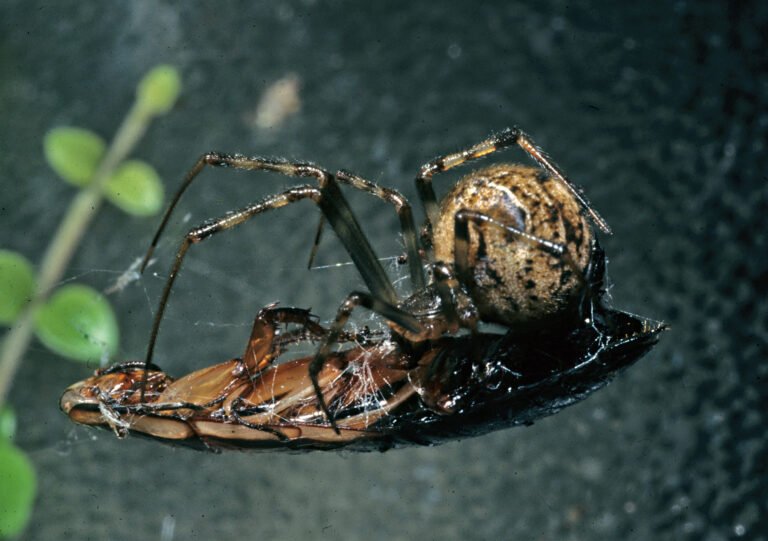
Because many skin infections and other bites are mislabeled as “spider bites,” the strongest evidence is actually seeing the spider at the time of exposure. Severe pain, progressive tissue injury, major muscle cramping, breathing problems, or systemic illness should prompt medical evaluation and reconsideration of the assumed cause.

Asian Tiger Mosquito Bite vs Jumping Spider Bite: Pictures, Key Differences, and What to Do
Asian Tiger Mosquito Bite vs House Spider Bite: Pictures, Key Differences, and What to Do

Asian Tiger Mosquito Bite vs Hobo Spider Bite: Pictures, Key Differences, and What to Do
American Dog Tick Bite vs Wolf Spider Bite: Pictures, Key Differences, and What to Do
American Dog Tick Bite vs Jumping Spider Bite: Pictures, Key Differences, and What to Do
American Dog Tick Bite vs House Spider Bite: Pictures, Key Differences, and What to Do
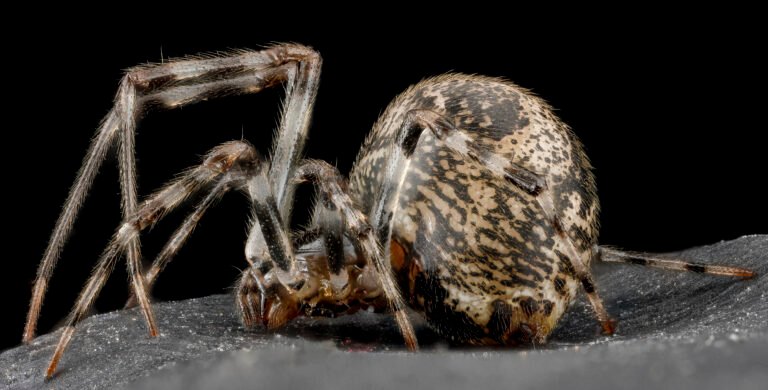


Black Widow Bite Treatment: Safe First Aid, Relief, and When to Get Help
Why suspected spider bites are difficult to identify
Many skin problems are labeled “spider bites” even when no spider was seen. Redness, swelling, pain, blisters, or skin breakdown can also occur with infections, other arthropod exposures, irritation, or unrelated skin conditions. That makes exposure evidence and symptom progression especially important.
Seeing the spider is stronger evidence than matching a lesion
If a spider was safely observed and photographed, identification may be possible. Without that evidence, a skin mark alone usually cannot confirm the cause.
Monitor pain and tissue changes
Pay attention to whether pain, swelling, blistering, discoloration, or other local changes are improving or worsening. Severe pain, systemic illness, or rapidly progressing tissue changes deserve medical evaluation.
Avoid delaying care for perfect identification
When symptoms are severe or worsening, treatment decisions should not depend on proving the exact spider species. Review Emergency & Warning Signs and seek appropriate care.
Do not rely on appearance alone to identify a spider bite.
Skin infections, other bites, and non-bite conditions can resemble suspected spider bites. Severity and progression should guide care.