
Wasp, Hornet and Yellowjacket Stings
Learn about wasp, hornet, and yellowjacket stings, including pain and swelling, repeat-sting risk, allergic reactions, and practical first aid.
Often immediate pain
Wasp and hornet stings can cause sharp pain and rapid local swelling.
Multiple stings matter
Repeated stings can increase the amount of venom exposure.
Watch systemic symptoms
Widespread hives, breathing symptoms, or fainting need urgent attention.
Latest wasp & hornet guides
Guides covering common wasp and hornet sting scenarios, symptom comparisons, and safer next steps.
Wasps, hornets and yellowjackets can sting more than once, so moving calmly away from an active nest or swarm is an important first step. Most stings cause local pain and swelling, but widespread hives, throat or tongue swelling, breathing difficulty, fainting, or rapidly progressive symptoms can indicate a severe allergic reaction. Review Emergency Warning Signs when symptoms extend beyond a typical local reaction.
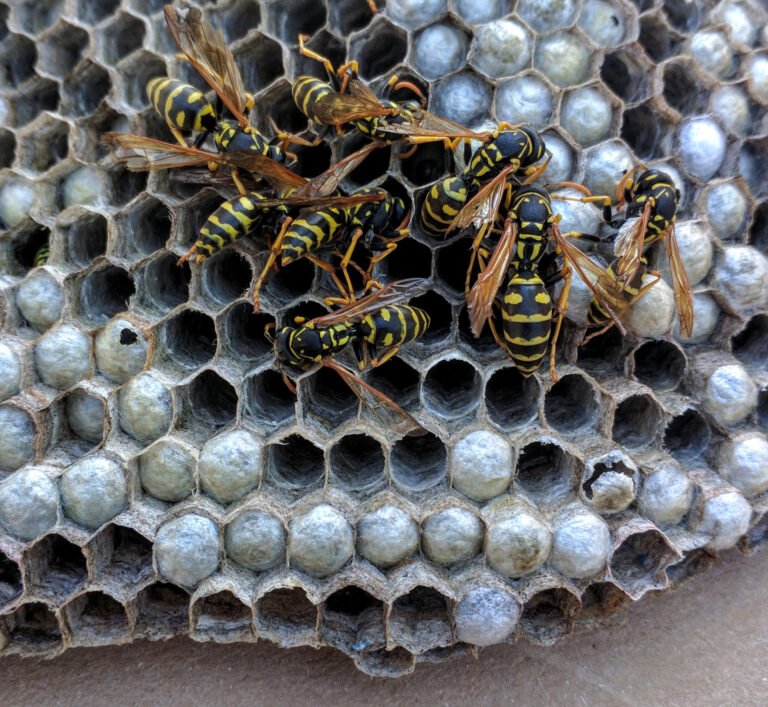
Asian Tiger Mosquito Bite vs Paper Wasp Sting: Pictures, Key Differences, and What to Do
Asian Tiger Mosquito Bite vs Bald-Faced Hornet Sting: Pictures, Key Differences, and What to Do
Lone Star Tick Bite vs Paper Wasp Sting: Key Differences
Lone Star Tick Bite vs Yellow Jacket Sting: Differences
Vinegar for Wasp Stings: Does It Help? Evidence and First Aid
Insect Sting First Aid: Symptoms, Relief, and When to Get Help
What matters after a wasp, hornet, or yellowjacket sting
Wasps, hornets, and yellowjackets can cause sharp pain, redness, warmth, and swelling. Unlike a honeybee, these insects can sting more than once, so the number of stings and the overall reaction can matter as much as the appearance of any single sting site.
Multiple stings deserve closer attention
Several stings can produce more pain and swelling and may create a greater overall venom exposure. Keep track of how many stings occurred when possible and watch for symptoms away from the sting sites.
Species identification is often less important than severity
It is useful to know whether the encounter involved a wasp, hornet, or yellowjacket, but urgent decisions should focus on the person’s symptoms and condition rather than perfect species identification.
Use a safety-first threshold
If symptoms are rapidly worsening, involve breathing or circulation, or affect the whole body, do not wait for online identification. Review Emergency & Warning Signs and seek appropriate medical care.
Multiple stings or whole-body symptoms change the urgency.
Seek medical help promptly when symptoms are severe, rapidly worsening, or extend well beyond the sting site.