Independent bite & sting education

Breathing trouble, throat swelling, or fainting after a bite or sting? Call 911 now.
Clear answers for
insect bites & stings.
Understand the clues, care for a mild reaction, and recognize when to get medical help. Find plain-language guidance for everyday bites, stings, and outdoor prevention.
Not sure what caused it?
Skin appearance is only one clue. Timing, location, and exposure matter too.
Understand the clues
Compare patterns, exposure, and timing without relying on a photo alone.
Care for a mild reaction
Start with practical first-aid information for local itching, pain, or swelling.
Know when to get help
Find warning signs that need prompt care or an emergency response.
Find the guide that fits your question.
Start with common bites and stings, then explore first aid, warning signs, and prevention.
Itching, swelling, larger local reactions, and ways to reduce exposure.
Wasp, hornet, and yellow jacket sting guidance and safety basics.
Possible bite clues, uncertainty, and symptoms that deserve medical attention.
Pain, skin reactions, repeated stings, and when to seek care.
Small reaction?
Start with the basics.
A local bite or sting needs different care from an attached tick or a whole-body allergic reaction. Use the specific guide for your situation.
General information only. Severe symptoms need emergency care.
Move away & check
Leave the insect or nest area. Check for emergency symptoms before treating a local reaction.
Clean the area
Gently wash with soap and water. Follow the specific guide for a visible stinger or attached tick.
Cool & protect
For a mild local reaction, try a cold pack wrapped in a cloth. Avoid scratching or breaking the skin.
Watch for changes
Keep an eye on worsening pain, increasing redness, swelling, or signs of infection.
First-aid reference: MedlinePlus: insect bites and stings.
Know the signs that matter.
Check whole-body symptoms first. A small skin mark does not tell the whole story.
Call 911 now
Trouble breathing, swelling of the tongue or throat, fainting, or collapse can signal a severe allergic reaction. Do not wait to see if it improves.
If you have prescribed emergency epinephrine, use it as directed while getting emergency help.
Contact a healthcare professional
Increasing redness, warmth, drainage, fever, or worsening pain can need medical assessment. After a tick bite, a new rash or fever also deserves attention.
Tell your clinician when and where the exposure happened and how your symptoms have changed.
Safety references: AAAAI: anaphylaxis · CDC: after a tick bite.
Enjoy the outdoors. Plan for the pests.
A few practical habits can reduce exposure at home, on the trail, and during travel.
Before you head outside
Use an EPA-registered repellent as labeled. Cover exposed skin when practical and avoid disturbing nests.
After outdoor time
Check for ticks after grassy or wooded exposure. Remove an attached tick promptly using appropriate guidance.
Around your home
Repair window and door screens. Regularly empty and clean containers that collect standing water.
Prevention references: EPA: repellent safety · CDC: mosquito prevention.
New guides. Useful answers.
Core StingHelp guides: Yellow jacket sting first aid · Bald-faced hornet sting treatment · Fire ant bite treatment · Honey bee sting treatment · How to tell if a bug bite is healing · Tick bite warning signs · Bite and sting first-aid checklist · How to remove an attached tick safely · Bite and sting warning signs
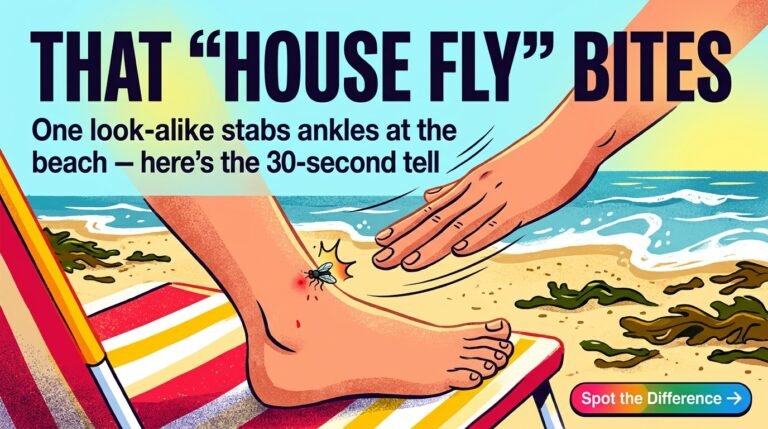
Stable Fly vs. House Fly: How to Tell Apart the Look-Alike That Bites Your Ankles
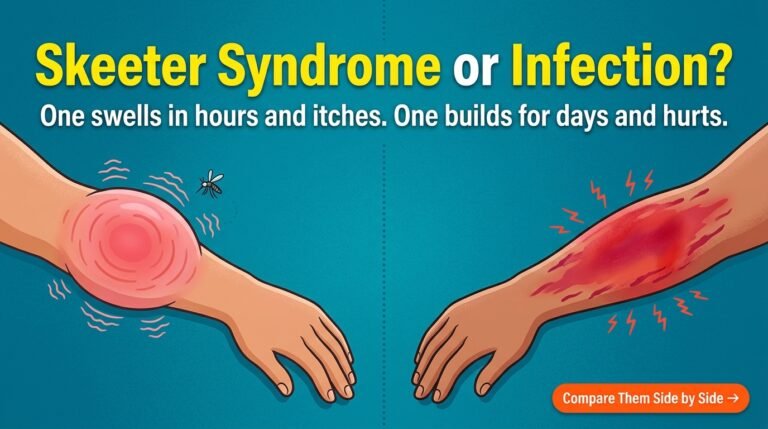
Skeeter Syndrome vs. Cellulitis: How to Tell a Big Mosquito Allergy From a Real Skin Infection
A little clarity
goes a long way.
Quick answers to the questions readers ask first.
Can a photo tell me what bit me?
A photo may help document a reaction, but appearance alone cannot reliably identify its cause. Timing, exposure, symptoms, and an examination can matter. Start with our bite and sting clue guide.
What can I do for a mild bite or sting?
Move away from the source, gently wash the area, and use a wrapped cold pack for a local reaction. Avoid scratching. A visible stinger or attached tick needs specific care. Read our first-aid guide.
When should I call 911 after a sting?
Call 911 for trouble breathing, tongue or throat swelling, fainting, collapse, or a rapidly worsening severe reaction. Use prescribed emergency epinephrine as directed. Do not delay emergency help to read a guide.
What should I do if a tick is attached?
Remove it promptly. Use clean, fine-tipped tweezers to grip it close to the skin, then pull steadily without twisting. Clean the area and your hands. Contact a clinician if a rash or fever develops afterward. See the tick-bite guide.
Is every StingHelp guide medically reviewed?
Medical review is article-specific. A reviewer profile does not mean every guide has completed clinical review. Look for a named reviewer and documented review date on the article. Read our Medical Review Policy.
Health information should be clear about its limits.
StingHelp is an educational resource for a U.S. audience. It does not diagnose a bite or replace care from a qualified healthcare professional.
Research & sources
See how guides are researched, how sources are chosen, and where uncertainty remains.
Medical review
Understand what an article-level clinical review means and how review status is shown.
Updates & corrections
Learn how information is updated and how to report a correction or content concern.
Keep practical guidance close.
Sign up for bite and sting guidance, prevention tips, and StingHelp content updates.
Your information is handled under our Privacy Policy. For urgent symptoms, seek medical help rather than waiting for an email.