
Bee Stings: Symptoms, First Aid & Warning Signs
Understand common bee-sting reactions, first aid, swelling, stinger removal, allergic warning signs, and when medical care may be needed.
Immediate care
Move away, inspect the site, and remove a visible stinger appropriately.
Allergic reactions
Whole-body symptoms matter more than the size of a local welt.
Monitor change
Watch whether pain and swelling improve, stabilize, or worsen.
Latest bee sting guides
Practical articles on bee-sting symptoms, first aid, allergy, comparisons, and recovery.
Start with safe stinger removal and local care, then monitor the whole person—not just the sting site. Use First Aid for Bites and Stings for immediate steps and Emergency Warning Signs for breathing difficulty, throat swelling, fainting, or rapidly progressive symptoms.

Asian Tiger Mosquito Bite vs Honey Bee Sting: Pictures, Key Differences, and What to Do
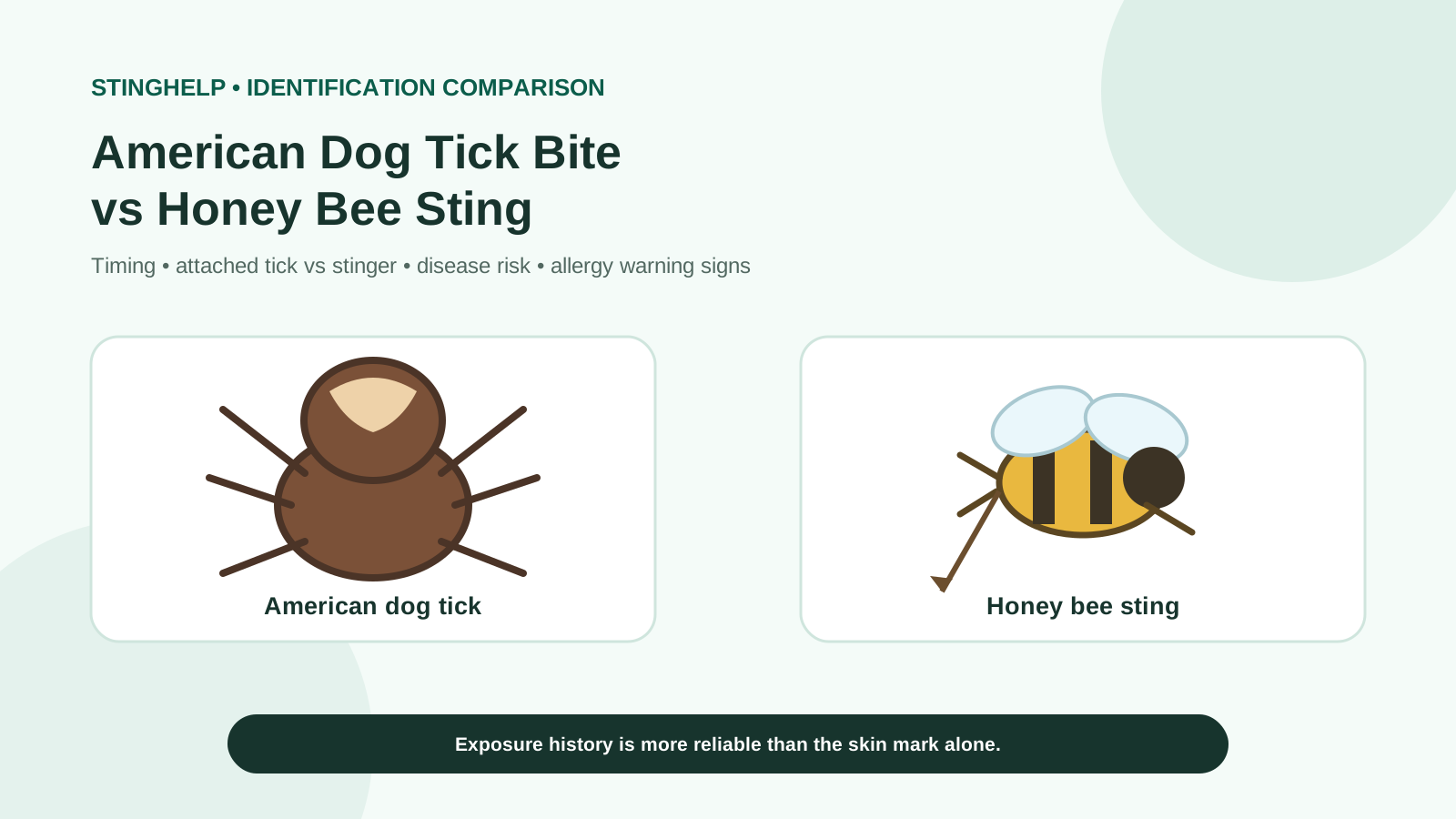
American Dog Tick Bite vs Honey Bee Sting: Pictures, Key Differences, and What to Do

Baking Soda for Bee Stings: Evidence and Safer First Aid

How Long Does Bee Sting Pain Last? Healing and Warning Signs
Bumblebee Sting Warning Signs: When to Seek Medical Help


Insect Sting First Aid: Symptoms, Relief, and When to Get Help
Understanding bee-sting reactions
Bee stings usually cause immediate pain followed by redness, tenderness, itching, and swelling near the sting site. The size of a local reaction can vary widely, so the most useful questions are whether symptoms stay local, whether they are improving over time, and whether any whole-body symptoms appear.
Local swelling can be uncomfortable without being an emergency
A larger area of swelling may still represent a local inflammatory reaction. Monitor how it changes and avoid using the size of one welt as the only measure of severity.
A visible stinger can provide an important clue
Honeybees may leave a stinger behind. If one is clearly visible, prompt removal is more useful than spending time debating the exact technique. Afterward, gentle cleaning and monitoring are reasonable first steps.
Whole-body symptoms change the situation
Widespread hives, breathing difficulty, throat swelling, fainting, collapse, or another rapidly worsening reaction requires urgent attention. Use the Emergency & Warning Signs hub when symptoms extend beyond a routine local reaction.
Breathing trouble or throat swelling after a sting is an emergency.
Severe allergic reactions can progress quickly. Do not wait for online identification if breathing, fainting, collapse, or throat swelling occurs.