
Wasp Sting on the Stomach: First Aid, Swelling, and When to Worry #
A wasp sting on the stomach is usually painful but manageable at home: move away from the wasp, get it out from under your clothing, wash the area gently, apply a cold compress, and watch closely for signs of a severe allergic reaction. The stomach brings its own problems, because shirts, waistbands, belts, bending, and sitting can press, rub, and trap heat against the sting, so care in the first hours matters as much as the first minutes. This guide explains what to do, what to avoid, how swelling normally behaves, and when to get urgent help.
Why a Stomach Sting Feels Different #
A sting on the stomach is not medically different from a sting elsewhere, but it feels different in daily life. The abdomen moves with breathing, bending, twisting, sitting, laughing, and lifting, so inflamed skin is tugged often. Clothing also sits directly on the area all day, adding warmth, moisture, and friction. Swelling can be harder to judge on the abdomen than on an arm, because there is no matching side for comparison and the natural curve of the belly can hide how far redness has spread.
Movement and clothing as ongoing irritation #
Every change of position can briefly restart soreness at a fresh sting, especially in the first hours. The bigger issue is repeated friction from a shirt, waistband, or belt that rubs the same spot all day. Reducing that friction, by loosening clothing and choosing soft fabrics, often brings more relief than another remedy, because it removes ongoing irritation rather than only treating its result.
The First 10 Minutes: Step-by-Step Checklist #

Work through these steps calmly and in order. If you are helping someone else, stay with them and talk them through each step so they do not rush, panic, or scratch.
Step 1: Move away and free the wasp #
Step away from the area where the sting happened. Wasps can sting more than once, and a wasp trapped under a shirt can sting repeatedly if it feels squeezed. Do not swat wildly at your own stomach, because that presses the wasp harder against the skin. Step into open space, lift the shirt hem away from the body if you can do so safely, and let the wasp leave. If the wasp is still under the shirt, remove the shirt carefully rather than shaking it violently against the skin. Shake the shirt out away from your body and away from other people.
Step 2: Look, wash, and cool the site #
Lift the shirt and look at the stomach in good light for a raised welt and the exact sting point. Wasps usually do not leave a stinger behind, unlike honey bees, so do not dig or probe for one. If you do see a small dark point, scrape it gently across the skin with a clean card edge, then wash. Wash gently with mild soap and cool or lukewarm running water, using a hand or soft cloth, then pat dry with a clean towel. Keep water cool rather than hot, because hot water increases blood flow and can make throbbing worse. Next, wrap ice or a cold pack in a thin clean cloth and hold it lightly against the site for about 10 minutes, then remove it for about 10 minutes. Repeat this cycle several times in the first hour or two. Never place ice directly on bare skin and never press a heavy cold pack hard into the abdomen.
Step 3: Loosen the waist and watch for allergy signs #
Loosen your belt, undo the top button if needed, and pull the waistband slightly away from the sting or change into looser trousers. A tight waistband sitting on a fresh sting rubs with every step and breath and traps heat and sweat. Then sit down in a comfortable position, preferably reclined slightly rather than folded forward, so the stomach is not compressed. Stay with another person if possible for at least the first 30 minutes and watch for hives away from the sting, swelling of the lips, tongue, face, or throat, trouble breathing, wheezing, dizziness, faintness, nausea, or a feeling that something is seriously wrong. If any of those appear, call 911 right away. If the person has a prescribed epinephrine auto-injector, they should use it as directed by their allergy plan and still seek emergency care afterward.
Step 4: Record a baseline #
Write down the time of the sting, where on the stomach it happened, and how the area looks at the start. Take a clear photo in good light for your own comparison later, and mark the outer edge of redness lightly with a pen if the skin is not too tender. When you check again in a few hours, you will know whether the area is stable, improving, or spreading, instead of relying on memory.
Wasps Trapped Under Shirts: What Actually Happens #
Many stomach stings happen because a wasp got trapped under clothing and stung in self defense. This is common when a wasp lands on a shirt, crawls under a loose hem, gets caught between layers, or is trapped when a person puts on a shirt left outdoors, in a garage, or on a porch.
Why a trapped wasp stings repeatedly #
A wasp that is free in the air usually stings once and flies away. A wasp trapped against skin, pressed by fabric, or unable to escape feels threatened and may sting several times in the same small area. That is why a trapped wasp sting can feel more intense than expected and can leave more than one welt close together. Freeing the wasp, rather than slapping at the area, ends the stinging quickly. Slapping presses the wasp harder against the skin and can provoke another sting.
What to do if you feel buzzing under a shirt #
If you feel buzzing, crawling, or a sharp sting under your shirt, stay as calm as you can, step away from other people and from any nest area, and lift the shirt hem away from your body. Do not tuck the shirt tighter, do not press the fabric flat against the stomach, and do not run while flailing at your torso. Once in open space, remove the shirt gently and shake it away from your body. Check inside the shirt before putting it back on. If you are with a child, help them remove the shirt calmly rather than telling them to shake it while still wearing it.
Waistband, Belt, and Clothing Friction #
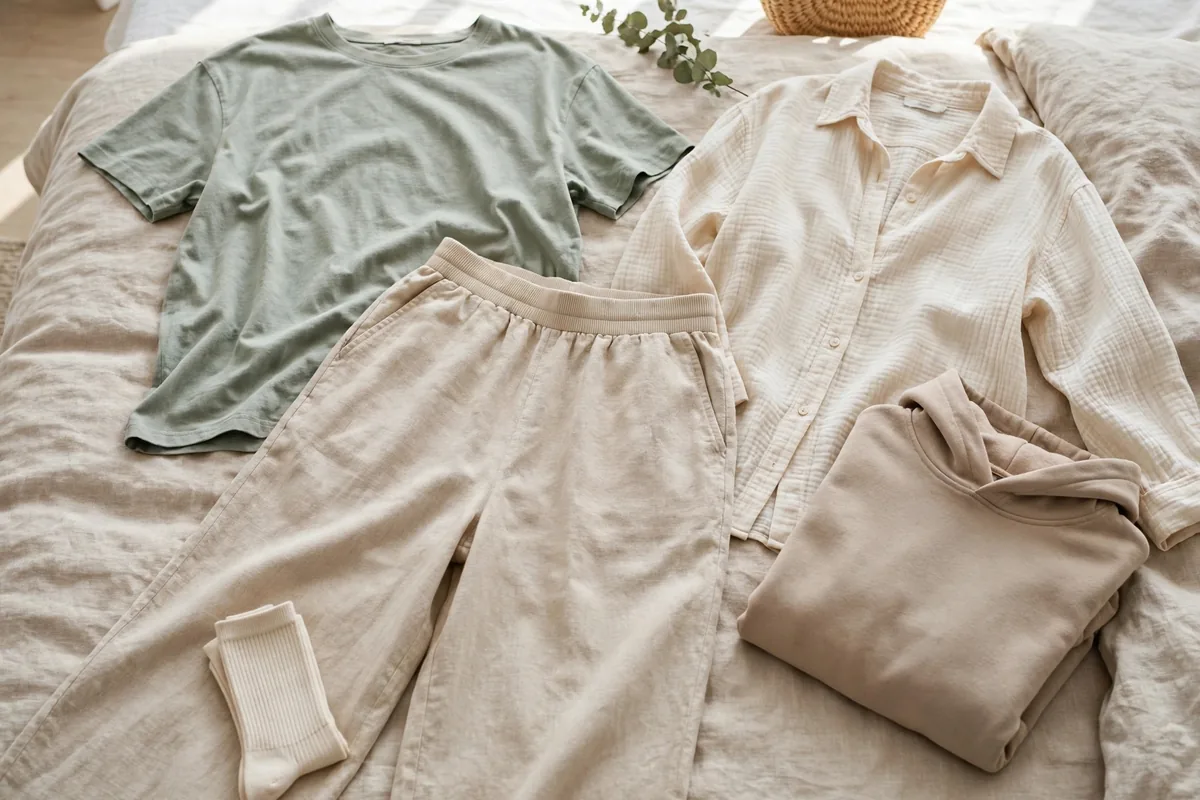
The waistband is the most overlooked factor in stomach sting recovery. A sting on the lower abdomen, near the navel, or along the side often sits exactly where a waistband, belt, drawstring, or underwear elastic crosses the skin, and that line of pressure becomes a line of friction with every movement.
How friction keeps irritation going #
Friction mechanically irritates inflamed skin, traps heat and sweat that soften the skin surface, and can rub off soothing products or dressings. None of this makes a sting dangerous on its own, but it can keep a sting sore for longer if it is not reduced. For the first day, choose the loosest comfortable option you own. Leave belts off or much looser than usual, move a buckle away from the sting if the sting is near the front, and consider trousers or a skirt with a soft elastic waist if the sting is at the waistline. If you must wear firm work trousers, place a clean soft cloth between the waistband and the sting for short periods, and remove it to let the skin breathe when resting at home. Change promptly out of damp or sweaty clothing, because damp fabric clings and rubs more than dry fabric.
Bending, Sitting, and Everyday Movement #
Total bed rest is not needed for a normal local reaction, and gentle movement helps circulation and prevents stiffness. Certain movements fold the abdomen sharply and compress the sting site, and those are worth modifying for a day.
Bending, sitting, and standing #
Bending forward at the waist folds abdominal skin and presses the upper and lower abdomen together, which can squeeze a front abdominal welt and cause a sharp twinge. For the first day, bend with your knees rather than your waist when picking something up, keep the back straighter, and avoid heavy lifting that forces hard bracing of the abdominal muscles. For sitting, a firmer chair with good back support, sitting upright rather than slumped, usually feels better than a low soft sofa that folds the abdomen. If you work at a desk, stand and walk gently every hour or so rather than sitting folded for long stretches. In a car, sit more upright for short trips, and adjust the lap belt slightly if it sits directly on the sting, while still keeping the belt safe and properly positioned. Never remove a seatbelt while driving.
Cold, Cleaning, and Comfort Measures That Help #

First aid for a stomach sting does not require exotic products. Simple, gentle, repeatable measures help most, used correctly and consistently rather than trying many products at once.
Cold, washing, and soothing products #
A cold compress narrows blood vessels near the skin, which limits swelling, and numbs nerve endings, which reduces pain and itching. A flexible cold pack, a bag of frozen peas, or a damp cloth cooled in the refrigerator often conforms better to the curve of the belly than a rigid ice block. Always wrap the cold source in a thin clean cloth, apply lightly for about 10 minutes, then remove it for at least 10 minutes. If skin becomes very pale, blotchy, numb, or painful from cold itself, remove the compress and let skin warm naturally before trying again with more cloth and a shorter application. Wash once with mild soap and water after the sting, then keep the area clean with normal daily washing. Do not scrub repeatedly, and avoid harsh antiseptics or alcohol on inflamed skin. Pat dry rather than rubbing dry. If skin is broken, cover it lightly with a clean dry dressing while clothing will rub it, and change the dressing daily.
What Not to Do #
Well meaning home remedies cause many avoidable problems after stings. Avoid the mistakes below, which are especially relevant for stomach stings where clothing already traps heat and friction.
Actions that damage skin or worsen swelling #
Do not scratch, squeeze, or pick at the site. Scratching breaks the skin barrier and invites bacteria in, squeezing does not force venom out after it has entered tissue and only adds bruising, and picking reopens wounds. Do not apply heat in the first day, including hot showers directly on the site, heating pads, or saunas, because heat increases blood flow and can worsen swelling and throbbing. Lukewarm showers are fine, but keep water brief and aim it away from the sting. Do not use toothpaste, vinegar, baking soda pastes, meat tenderizer, bleach, essential oils, or alcohol on the sting. They do not remove venom and can irritate inflamed skin or cause chemical irritation on broken skin, especially trapped under a shirt.
Swelling on the Stomach: What Is Normal and What Is Not #
Normal swelling builds over hours, peaks, and then falls over days. Abnormal swelling keeps spreading, becomes very painful, or is joined by whole body symptoms. Knowing the pattern helps you judge whether you are healing on schedule.
The normal pattern and large local reactions #
A normal local reaction starts with sharp pain and a small raised welt within minutes. Over the next few hours, redness and swelling spread a little, the area feels warm and tender, and itching begins as pain fades. Swelling often peaks around one to two days, then gradually falls over the next few days. Mild reactions may settle within a day or two, while larger local reactions can take several days to a week to fully resolve. A large local reaction means swelling spreads well beyond the sting point, sometimes across a broad area of the abdomen, but without whole body allergic symptoms. On the stomach it can feel especially uncomfortable because the swollen area moves with breathing and bending and clothing presses on a wider tender zone. It still deserves medical advice if it is very large, keeps spreading after two days, interferes with movement or sleep, or shows infection signs.
How to track swelling #
Look at the site once in the morning and once in the evening in good light. Compare it with your earlier photo and pen mark, and note whether redness stays inside the mark, reaches it, or passes beyond it. Write a short note each time: date, time, pain and itch in your own words, whether the area feels hotter than nearby skin, and any new symptoms. A trend that is stable or improving after the peak is reassuring. A trend that keeps expanding day after day, or that reverses from improving to worsening, is a reason to seek advice.
| Feature | Normal local reaction | Reason to seek advice |
|---|---|---|
| Size | Swelling stays near the sting and peaks within about two days | Swelling keeps spreading widely after two days or covers a very large part of the abdomen |
| Pain | Sharp at first, then sore and tender, easing after the peak | Pain keeps increasing after two days, or becomes severe and deep |
| Skin warmth | Mild warmth near the sting | Marked heat with spreading redness, red streaks, or pus |
| Itching | Itching near the sting, easing over days | Itching with hives far from the sting, or swelling of face or lips |
| Whole body symptoms | None | Trouble breathing, dizziness, vomiting, or widespread hives |
| Healing trend | Improves after the peak | Worsens after improving, or shows no improvement after several days |
Wasp Sting Compared With Other Stings and Bites #
The first aid core is similar for most stings: move away, clean, cool, and watch for allergy signs. Differences lie in whether a stinger is left behind, whether stings repeat, and how the local pattern unfolds.
Wasps, bees, and other insects #
Wasps and hornets have smooth stingers and can sting more than once. They usually do not leave a stinger in the skin, so digging for one is rarely needed. Honey bees have barbed stingers that usually remain in the skin, so prompt gentle removal matters more for bees. Bee sting swelling can also vary greatly by location, and a guide to a sting in a very different, swell-prone location shows how much the site itself shapes the reaction: see bee sting on the eyelid treatment for an example of location-specific swelling care. For a stomach sting, the bee difference is simple: if you see a stinger, remove it gently by scraping, then wash and cool the area. Other insects cause confusion too. Ant bites and stings follow different patterns, and treatment emphasis can differ where an acid spray rather than injected venom drives burning: see carpenter ant bite treatment for how a non-wasp bite is handled differently.
| Feature | Wasp sting | Bee sting | Ant bite or sting |
|---|---|---|---|
| Stinger left behind | Usually no | Honey bee usually yes | Usually no stinger, ants bite or spray |
| Repeat stings | Yes, a wasp can sting more than once | Honey bee usually once, bumble bee can repeat | Possible, often in a cluster if a nest is disturbed |
| First pain | Sharp and burning | Sharp and burning | Sharp pinch or burning, depending on species |
| First check | Look for welt, no digging for a stinger | Look for and gently scrape away a stinger if present | Wash well, look for bite marks or blisters |
| Swelling pattern | Builds over hours, peaks in one to two days | Similar, varies greatly by body location | Often smaller, may blister with some species |
| Main first aid | Move away, wash, cool, loosen clothing | Remove stinger gently, wash, cool, watch | Wash, cool, protect broken skin, watch |
Warning Signs: When to Call 911 #
Most wasp stings on the stomach are local reactions that settle with home care. A small number trigger a severe whole body allergic reaction called anaphylaxis, which is a medical emergency. It can develop quickly, often within minutes, though whole body symptoms can also appear over the first hour. Knowing the signs in advance and acting without delay is the most important part of this guide.
Signs that mean emergency care now #
Call 911 right away if any of the following appear after a sting, even if the sting seemed mild at first: trouble breathing, wheezing, coughing that does not settle, or tightness in the throat or chest; swelling of the lips, tongue, face, or throat, or swelling that spreads far beyond the sting; widespread hives, rash, or itching over much of the body; dizziness, lightheadedness, fainting, confusion, or a feeling of doom; nausea, vomiting, severe abdominal cramping, or diarrhea that starts after the sting; or a weak or rapid pulse, pale or clammy skin, or collapse. Do not wait to see whether these signs improve on their own, and do not drive yourself to care if you have these symptoms. If a prescribed epinephrine auto-injector is available and the person has an allergy plan, use it as directed and still call 911, because symptoms can return after a first improvement.
Call 911 immediately if there is trouble breathing, throat or tongue swelling, widespread hives, dizziness or fainting, vomiting with other allergic signs, or any sign of anaphylaxis after a wasp sting. Use a prescribed epinephrine auto-injector as directed if one is available, keep the person lying down with legs raised unless breathing is difficult, and stay with them until emergency help arrives. Do not delay the call to try home remedies first.
Signs that mean same day medical advice #
Seek same day clinician advice or urgent care for swelling that keeps spreading rapidly, becomes very large, or is joined by red streaks, increasing heat, pus, or fever; pain that becomes severe, deep, or much worse after the first day; a sting near the navel, groin, or a surgical scar that becomes very swollen, hot, or painful; multiple stings, especially in a child, older adult, or person with a known sting allergy; or no improvement after several days, or a wound that reopens, blisters widely, or drains. While waiting for emergency help, keep the person calm and still, help them lie down with legs raised if they feel faint unless breathing is difficult, loosen tight clothing around the waist and neck, and do not give food or drink if breathing or swallowing is difficult. Stay with them, note when symptoms started, and tell responders about known allergies, medicines, and whether epinephrine was used and when.
The 24 to 72 Hour Monitoring Plan #
The first 10 minutes get attention, but the next three days decide whether a stomach sting heals smoothly or needs care. Swelling often peaks in this window, itching often rises as pain falls, and infection, if it develops, usually declares itself by getting worse instead of better after the first day or two.
Daily monitoring checklist and timeline #
Use this checklist once in the morning and once in the evening for three days: look at the site in good light and compare it with your earlier photo and pen mark; note whether redness and swelling are smaller, the same, or larger; feel lightly for heat compared with nearby skin; note pain and itching in your own words as easing, steady, or worsening; check for new symptoms such as hives elsewhere, fever, chills, red streaks, pus, blistering, or spreading rash; check whether clothing is still rubbing or trapping sweat; and record any product used. If every check shows steady improvement or stability after the peak, home care can continue. If any check shows a clear worsening trend, especially after improvement, seek medical advice that day.
| Time after sting | Common and reassuring pattern | Flag for medical advice |
|---|---|---|
| First hour | Sharp pain easing, small welt, mild redness | Breathing trouble, face or throat swelling, widespread hives, dizziness |
| 2 to 12 hours | Swelling and redness build, warmth and tenderness, itching starts | Rapidly spreading swelling, severe pain, vomiting, or whole body symptoms |
| 12 to 24 hours | Swelling near its peak, soreness with movement, itching more noticeable | Fever, red streaks, pus, or swelling that keeps expanding quickly |
| 24 to 48 hours | Swelling peaks then starts to fall, pain eases, itching may peak | Swelling still rising sharply, marked heat, or no sign of a peak |
| 48 to 72 hours | Swelling clearly falling, color fading to pink, tenderness easing | Swelling, pain, or redness worse than at 48 hours, or new fever |
| Days 4 to 7 | Small firm spot or faint pinkness may linger, then resolves | No improvement, reopening wound, wide blistering, or ongoing drainage |
Sleeping Position and Nighttime Care #
Nighttime is when stomach stings often feel worse, because you notice pain more when distractions fade, clothing and bedding press on the area for hours, and itching tends to rise in the evening. A few adjustments make nights much more comfortable.
Best positions and bedding #
For most stomach stings, sleeping on your back with the upper body slightly raised on pillows is most comfortable. This avoids direct pressure on the front of the abdomen, keeps the waistband area open, and reduces folding of abdominal skin. If back sleeping is uncomfortable, sleeping on the side away from the sting can also work, as long as the sting side is not pressed into the mattress and bedding is not bunched against it. Avoid sleeping face down in the first night or two if the sting is on the front of the abdomen, because body weight presses directly into the welt for hours. Wear loose, soft, breathable sleep clothing with no tight elastic at the waist, keep bedding light so heat does not build up against the abdomen, and change sleep clothing if it becomes damp with sweat. Keep a clean cool cloth nearby for a brief nighttime compress if itching wakes you, and avoid scratching in a half asleep state.
Clothing Choices While You Heal #
Clothing is treatment for a stomach sting, not just comfort. The right choices reduce friction, heat, and pressure for days, while the wrong choices can keep a healing sting irritated long after venom effects have faded.
Fabrics, waistbands, and daily dressing #
Soft, breathable, lightweight fabrics such as cotton and cotton blends, linen in warm weather, and soft jersey knits usually feel best. They allow air movement and have less stiff texture than heavy denim or rough synthetic fabrics. Choose shirts that are loose through the midsection rather than fitted or tucked tightly. Avoid tight belts, firm waistbands that sit directly on the sting, shapewear, compression tops, and trousers that need to be forced closed. Avoid heavy buckles over the sting and drawstrings tied tightly at the exact sting level. For work or school, choose the loosest option within dress expectations. For outdoor activity, choose light colors and loose coverage, which also help with wasp avoidance, and avoid floral prints and strong fragrances that can attract wasps.
Special Situations #
Most stomach stings follow the normal pattern, but certain situations need extra care, closer watching, or earlier medical advice.
Children, pregnancy, and known allergy #
Children may not describe a sting clearly, may scratch more, and may become frightened by pain and swelling. Stay calm, explain each step simply, use products only as directed for the child’s age, and watch closely for whole body symptoms, because children may not report dizziness, nausea, or throat tightness in clear words. Seek pediatric advice promptly for multiple stings, a known allergy, rapidly spreading swelling, or any breathing concern. During pregnancy, a normal local reaction stays in the skin, but whole body symptoms, fever, infection signs, severe pain, abdominal cramping, vaginal bleeding, or reduced fetal movement as you normally perceive it should prompt prompt obstetric or urgent care advice. Avoid new medicines without checking with a clinician or pharmacist. People with a known severe insect sting allergy should follow their allergy action plan from the start, not wait to see how the sting develops, keep the auto-injector nearby, stay with another person, and watch for at least the first hour.
Multiple stings, scars, devices, and healing conditions #
Multiple stings increase total venom exposure and the chance of a larger local reaction or whole body symptoms. Count welts if you can, note the time, loosen all clothing, and monitor through the 24 to 72 hour window with extra care. Seek advice promptly for many stings, for stings in a young child or older adult, or for any whole body symptom. A sting near the navel, a surgical scar, a hernia area, or a medical device site such as an insulin pump site or ostomy area needs extra attention. Avoid pressing or applying products over a device site without clinician guidance, and do not remove or adjust a device because of a sting unless a clinician advises it. People with diabetes, immune suppression, poor circulation, or chronic skin conditions may heal more slowly and be more vulnerable to skin infection, so gentle washing, protection of broken skin, loose clothing, and early review for spreading redness or fever are especially important.
Prevention: Keeping Wasps Away From Your Midsection #
Prevention for stomach stings is mostly about clothing habits, food awareness, and nest awareness, because most stomach stings involve a wasp trapped in clothing or encountered around food and outdoor living spaces.
Clothing, food, and nest habits #
Shake out shirts, jackets, hoodies, and towels that have been outdoors, in a garage, or hanging unused before putting them on, and check pockets, folds, hoods, and sleeves. Avoid leaving shirts draped over outdoor furniture for long periods in wasp season. When eating outdoors, keep food covered when not eating, drink from closed containers or cups with lids rather than open cans, check the rim of a can or bottle before drinking, clean spills promptly, and keep trash bins closed and away from seating. If a wasp approaches, stay still and move away slowly rather than swatting near your torso. Learn common nest places such as eaves, porches, sheds, garages, woodpiles, fences, and dense shrubs. If you see frequent wasp traffic in one area, avoid it and do not disturb the nest yourself. For nests near a home entrance, play area, or work area, contact a pest professional.
Frequently Asked Questions #
How long does a wasp sting on the stomach hurt? #
Sharp pain usually eases within the first hour or two, then soreness and tenderness remain for a day or two. Itching often rises as pain falls and can linger for a few days. Most normal stomach stings feel much better by day three and resolve within a week, though a small firm spot or faint pinkness can linger briefly. Pain that keeps increasing after two days, becomes severe and deep, or is joined by fever or spreading redness deserves medical advice.
Why does my stomach sting hurt more when I bend or sit? #
Bending and sitting fold abdominal skin and press waistbands and clothing against the sting site. That folding and pressure tug at inflamed skin and can briefly restart soreness. Sitting upright in a firm chair, bending with the knees instead of the waist, loosening the waistband, and avoiding heavy lifting for a day usually reduce this flare. If bending pain is deep, widespread across the whole abdomen, or joined by vomiting or other whole body symptoms, seek medical advice rather than assuming it is only skin pain.
Should I loosen my belt and waistband after a stomach sting? #
Yes, for at least the first day. A tight belt or waistband sitting on a fresh sting adds friction, heat, and pressure with every step and breath, and it can keep the area irritated long after venom effects have faded. Leave belts off or much looser than usual, move buckles away from the sting, and choose soft elastic waists that sit above or below the sting rather than on it. Change out of damp clothing promptly, because damp fabric clings and rubs more than dry fabric.
Can I sleep on my stomach after a wasp sting on my stomach? #
It is best to avoid sleeping face down for the first night or two if the sting is on the front of the abdomen, because body weight presses into the welt for hours and morning soreness is often worse. Sleeping on your back with the upper body slightly raised, or on the side away from the sting, usually feels better. Wear loose sleep clothing, keep bedding light, and use a cool cloth briefly if itching wakes you. Avoid scratching during the night, when skin is most easily broken without noticing.
Is swelling on the stomach after a wasp sting normal? #
Mild to moderate swelling near the sting is normal and often peaks around one to two days before falling over several days. A large local reaction, where swelling spreads broadly across the abdomen without whole body symptoms, is uncomfortable but still local. Swelling becomes concerning when it keeps spreading rapidly after two days, is joined by marked heat, red streaks, pus, fever, trouble breathing, or swelling of the face or lips. Those patterns need prompt medical advice or emergency care, depending on the signs present.
What should I do if a wasp is trapped under my shirt? #
Stay calm, step away from other people and from any nest area, and lift the shirt hem away from your body to let the wasp leave. Do not slap at the area, because that presses the wasp harder against the skin and can provoke more stings. Once in open space, remove the shirt gently and shake it out away from your body. Check inside the shirt before putting it back on. If you find several stings in a cluster, treat each welt with washing and cooling, loosen all clothing around the waist, and watch closely for whole body symptoms and broader swelling.
When should I call 911 for a stomach sting? #
Call 911 right away for trouble breathing, wheezing, throat or chest tightness, swelling of the lips, tongue, face, or throat, widespread hives, dizziness or fainting, vomiting with other allergic signs, or collapse. Use a prescribed epinephrine auto-injector as directed if one is available and still seek emergency care, because symptoms can return. Do not drive yourself if you have these symptoms, and do not delay the call to try home remedies first. Stay with the person until emergency help arrives.
How can I prevent another wasp sting on the stomach? #
Shake out shirts, jackets, and towels left outdoors or in garages and sheds before wearing them, and check pockets and folds. Keep food and sweet drinks covered outdoors, drink from closed containers, and clean spills promptly. Avoid disturbing nests, keep distance from eaves, sheds, and woodpiles where wasps nest, and contact a pest professional for nests near entrances or play areas. Choose light colored plain clothing and unscented products for outdoor work in wasp season, move calmly around wasps, and lift fabric away from the body rather than slapping if a wasp lands on your shirt.
Medical Disclaimer #
This guide is for general information only and is not medical advice. It does not replace professional medical evaluation, diagnosis, or treatment. If you are concerned about a sting, if symptoms are severe, spreading, or worsening, or if you have a known insect sting allergy, a chronic health condition, or a medical device near the sting site, seek prompt medical care. In an emergency, call 911. Always follow the directions on any product label and the advice of your own clinician or pharmacist, especially for children, during pregnancy, and when you take regular prescription medicines. If any information in this guide conflicts with advice from your clinician, follow your clinician’s advice.


