
Mosquito Bites: Symptoms, Warning Signs & Prevention
Find guidance on mosquito-bite itching and swelling, large local reactions, infection-like changes, warning signs, comparisons, and prevention.
Local reactions
Itching, redness, and mild swelling are common after mosquito bites.
Secondary infection
Scratching can damage skin and increase infection risk.
Prevention
Repellents, clothing, and exposure reduction can lower bite risk.
Latest mosquito bite guides
The latest StingHelp articles on mosquito bites, large reactions, warning signs, comparisons, and prevention.
For most mosquito bites, focus on itch control, protecting the skin from scratching, and watching for changes that do not fit a routine local reaction. Large swelling can reflect a strong local immune response, while fever or systemic illness after mosquito exposure deserves medical evaluation rather than continued photo comparison.
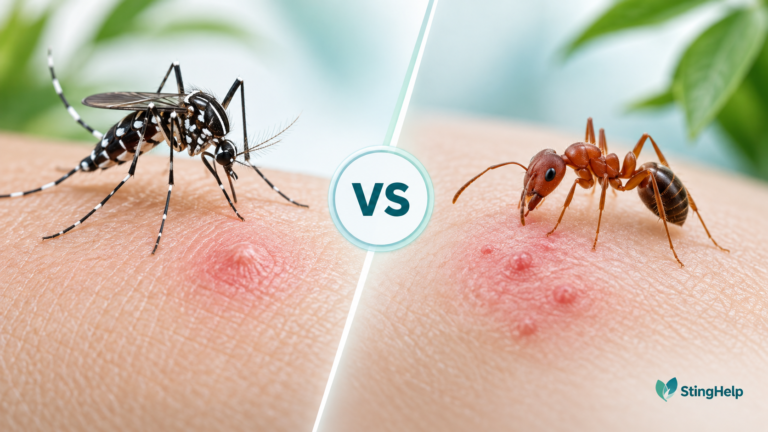
Asian Tiger Mosquito Bite vs Red Ant Bite: Pictures, Key Differences, and What to Do
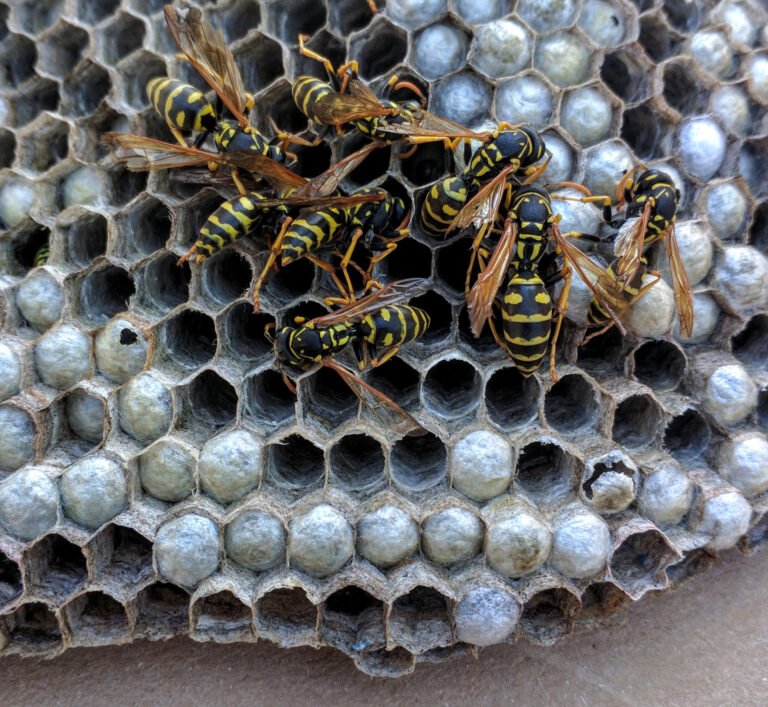
Asian Tiger Mosquito Bite vs Paper Wasp Sting: Pictures, Key Differences, and What to Do

Asian Tiger Mosquito Bite vs Oak Mite Bite: Pictures, Key Differences, and What to Do
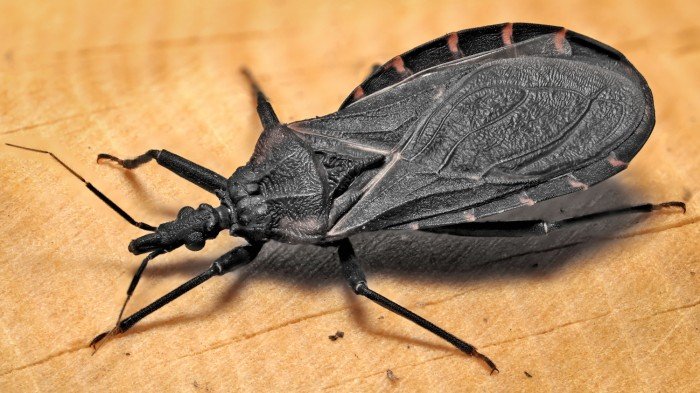
Asian Tiger Mosquito Bite vs Kissing Bug Bite: Pictures, Key Differences, and What to Do

Asian Tiger Mosquito Bite vs Jumping Spider Bite: Pictures, Key Differences, and What to Do
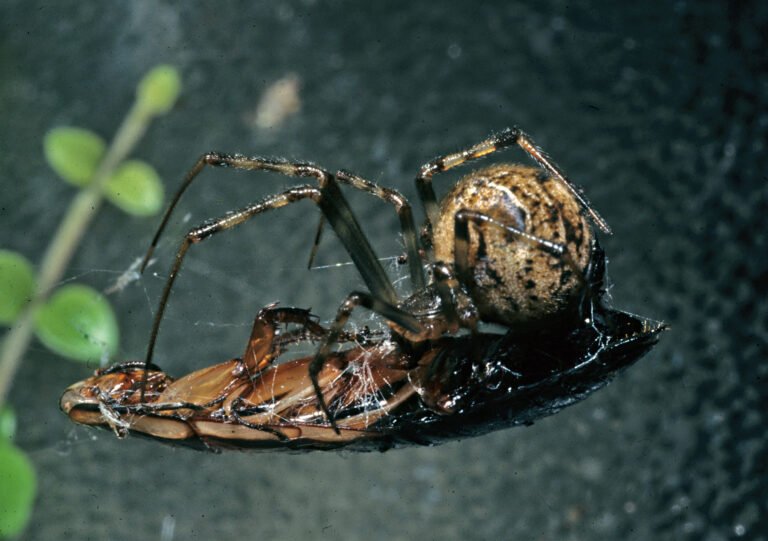
Asian Tiger Mosquito Bite vs House Spider Bite: Pictures, Key Differences, and What to Do
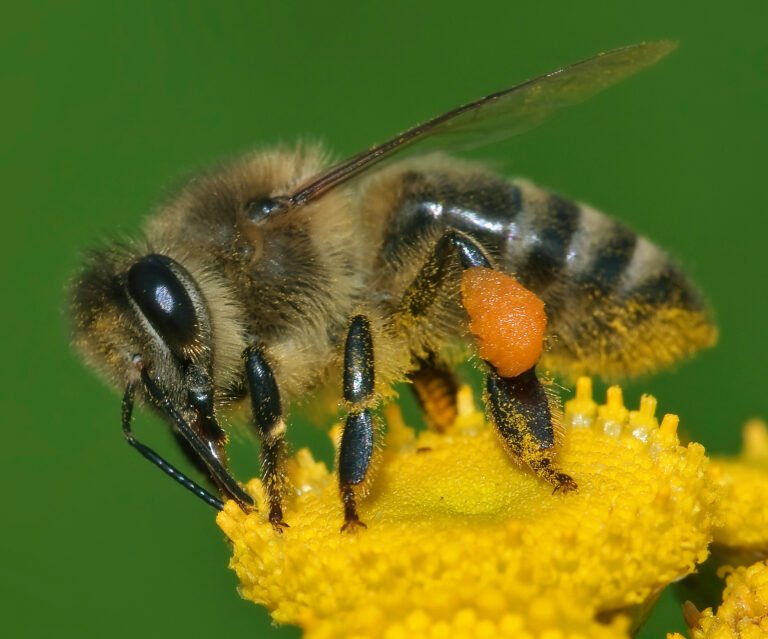
Asian Tiger Mosquito Bite vs Honey Bee Sting: Pictures, Key Differences, and What to Do

Asian Tiger Mosquito Bite vs Hobo Spider Bite: Pictures, Key Differences, and What to Do
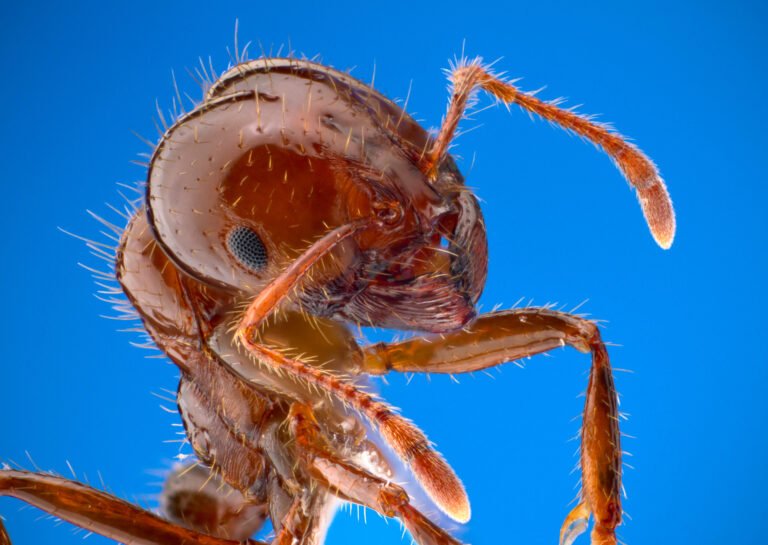
Asian Tiger Mosquito Bite vs Fire Ant Bite: Pictures, Key Differences, and What to Do
How to interpret a mosquito-bite reaction
Most mosquito bites cause an itchy bump, localized redness, or mild swelling that improves with time. Reactions can look different from person to person, and a larger local reaction does not by itself prove infection or a dangerous allergy.
Watch the direction symptoms are moving
Mild itching and swelling that remain localized and gradually improve are different from increasing pain, spreading redness, drainage, fever, or other signs of worsening illness. Scratching can also damage the skin and make irritation harder to interpret.
The bite mark does not identify the mosquito species
A skin welt cannot reliably distinguish one mosquito species from another. Exposure timing, geography, and public-health surveillance are more meaningful when disease risk is the concern.
Separate local skin symptoms from systemic illness
Significant fever, severe headache, confusion, weakness, neurologic symptoms, or other whole-body illness after mosquito exposure deserves medical attention. Use the warning-sign guide when symptoms are more than a routine local reaction.
Fever or whole-body symptoms should not be dismissed as a routine mosquito bite.
Illness after mosquito exposure may need medical evaluation, especially when fever, neurologic symptoms, or significant systemic symptoms develop.