
Fire ant bites on the chest need prompt cleaning, gentle skin care, and close monitoring for infection or a whole-body allergic reaction. Move away from the ants, remove them from your clothing, wash the skin, and avoid scratching or squeezing the bumps that form. Watch closely over the next few days for spreading redness, increasing pain, fever, or any breathing difficulty.
Why Fire Ants Bite the Chest #
Fire ants do not target the chest on purpose. They reach the chest because clothing, posture, and outdoor activity give them an easy path upward. Understanding that path helps you act quickly and helps you prevent the next encounter.
How Fire Ants Get Inside a Shirt #
Fire ants crawl rather than jump or fly onto skin in most encounters. They can climb shoes, socks, pant legs, and then move upward under loose clothing. A shirt that gaps at the waist, a jacket left open, or a tucked shirt that comes loose can create an opening. Once inside, ants may be trapped against warm skin, and several ants can sting in a short period before you realize what is happening.
Sitting or leaning outdoors increases the risk. When you sit on grass, a log, a low wall, or a picnic blanket near a mound, ants can climb onto clothing at ground level and travel upward. Leaning against a tree, a fence post, or outdoor furniture can press clothing against a surface where ants are active. Children playing on the ground, adults gardening, and workers resting outdoors can all be exposed in this way.
Why Multiple Bites Appear Across the Chest #
A single fire ant can sting more than once, and several ants often sting at the same time. On the chest, this can produce a scattered pattern of itchy, painful bumps rather than one isolated bite. The bumps may appear across the upper chest, near the collarbones, between the breasts or pectoral area, and along the sides where a shirt moves against skin.
Because the chest is broad and often covered, you may not see every bite right away. Check the full area in good light after an exposure, including under the arms, along bra straps or undershirt seams, and near the waistband where a shirt may have ridden up. Early inspection helps you clean every sting site, not just the most painful one.
Why the Chest Feels Different From an Arm or Leg Bite #
The chest moves with every breath, and clothing rests against it for most of the day. Breathing, bending, reaching, and lying down all create friction and pressure that can irritate stung skin. A bra strap, an undershirt seam, a seatbelt, or a backpack strap can rub directly across fresh bites.
The chest is also close to the airway, which makes symptom awareness especially important. Local pain, itching, and swelling are common after fire ant stings. Breathing difficulty, throat tightness, or chest tightness are not local symptoms. Those symptoms need urgent attention and must never be dismissed as just a reaction to bites on the skin.
First Signs After Fire Ant Stings on the Chest #
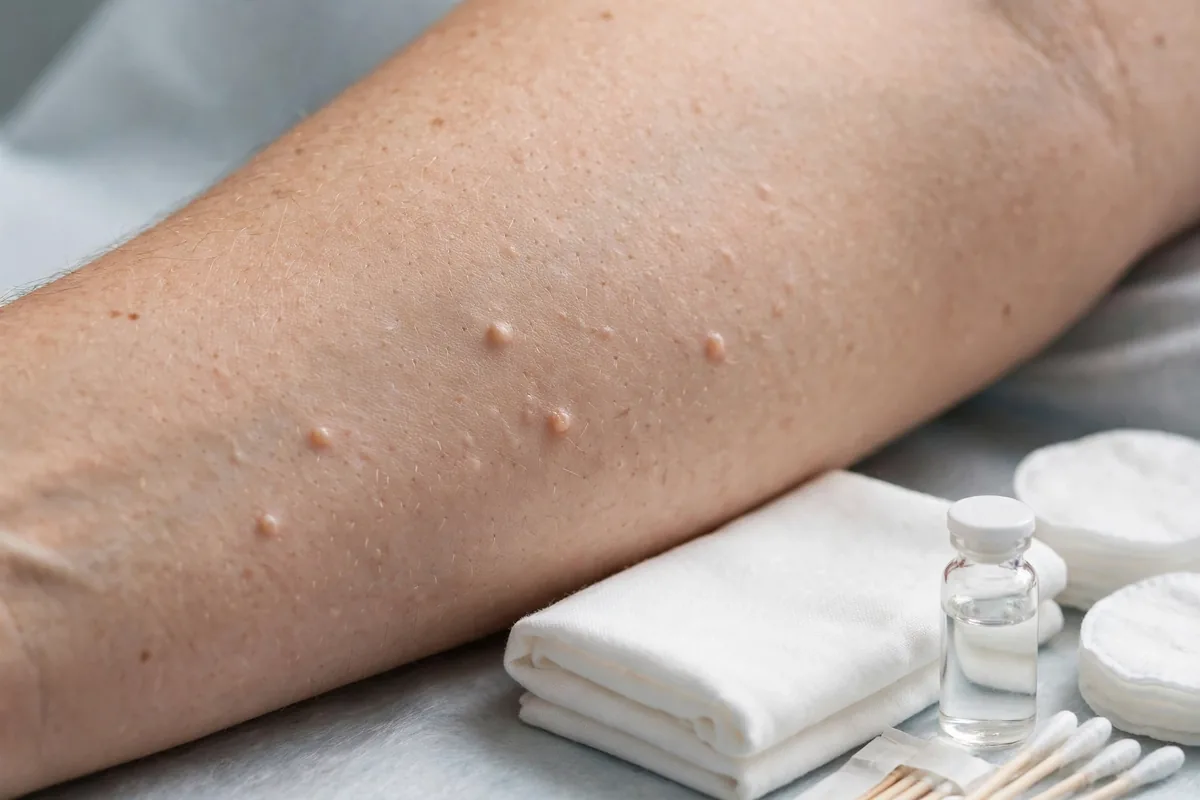
Fire ant stings usually hurt right away. The first sensation is often a sharp burning or stinging pain, followed by itching. The skin may become red and slightly raised within minutes. Small bumps often develop, and over the next day many fire ant stings form small, fluid-filled pustules.
What the First Hours Usually Look Like #
In the first minutes, you may feel burning pain and see redness at each sting site. Itching often increases as the initial pain eases. The area may feel warm and tender to touch. Mild swelling around individual bumps is common, especially if several stings are close together.
By the end of the first day, many sting sites develop a small white or yellowish center. This is the pustule stage. Pustules are a characteristic part of the fire ant sting response for many people. They can look concerning, but an intact pustule is not automatically a sign of infection. Infection is more likely when redness spreads, pain increases after the first day, warmth grows, or pus and fever develop later.
Symptoms That Are Not Just Local #
Most fire ant stings stay local, meaning symptoms remain limited to the skin around the sting. A whole-body reaction is less common but more serious. It can include widespread hives, swelling of the lips, tongue, or throat, trouble breathing, dizziness, fainting, nausea, vomiting, or a feeling that something is very wrong.
On the chest, it can be tempting to explain tightness or shortness of breath as anxiety, heat, or soreness from the bites. Do not make that assumption. Any new breathing difficulty, throat or tongue swelling, fainting, collapse, or rapidly worsening whole-body symptoms after fire ant stings needs emergency help right away. The warning signs section later in this guide explains exactly what to do.
Immediate First Aid Checklist #
Acting quickly reduces the chance of additional stings and limits skin irritation. Use this checklist in order, and stay calm while you work through it.
Step-by-Step First Aid Checklist #
- Move away from the ants at once. Step away from grass, soil, logs, or furniture where ants are present, and brush ants off clothing outdoors if possible.
- Remove ants from skin and clothing promptly. Use a cloth, a brush, or flicking motions to remove ants. Do not crush ants against the skin, because pressure can increase stinging.
- Take off the affected shirt or top in a safe place. Shake it out outdoors, away from other people, and check seams, collars, and folds for remaining ants.
- Inspect the chest in good light. Look for all sting sites, including areas under straps, near the underarms, and along the waistline.
- Wash the chest gently with mild soap and cool or lukewarm water. Pat the skin dry with a clean towel. Do not scrub hard.
- Apply a cold compress for short periods to ease pain and itching. Wrap ice or a cold pack in a clean cloth, and do not place ice directly on bare skin.
- Leave pustules alone. Do not pop, squeeze, scratch, or pick at bumps. Cover them with clean, loose clothing if needed.
- Avoid tight clothing, harsh soaps, scented lotions, and strong scrubbing for the next few days while the skin heals.
- Watch for warning signs for at least several hours, and keep monitoring the skin for infection over the next several days.
- Seek care promptly if breathing trouble, throat or tongue swelling, fainting, widespread hives, or rapidly worsening symptoms develop.
What Not to Do in the First Minutes #
Do not stay in the area to identify the ants while they are still on your clothing. Additional stings only add pain and skin damage. Do not apply bleach, alcohol in large amounts, harsh household cleaners, or home remedies that burn or irritate skin. Do not scratch vigorously, because broken skin raises the risk of a secondary skin infection. Do not cover the area with a tight bandage or airtight wrap, because trapped moisture and friction can worsen irritation.
If a child has been stung on the chest, stay with the child, keep the child calm, and check breathing and alertness while you complete first aid. If an adult has many stings, feels unwell, or has a known allergy to insect stings, seek medical advice promptly rather than waiting to see how symptoms develop.
Cleaning and Soothing the Skin #
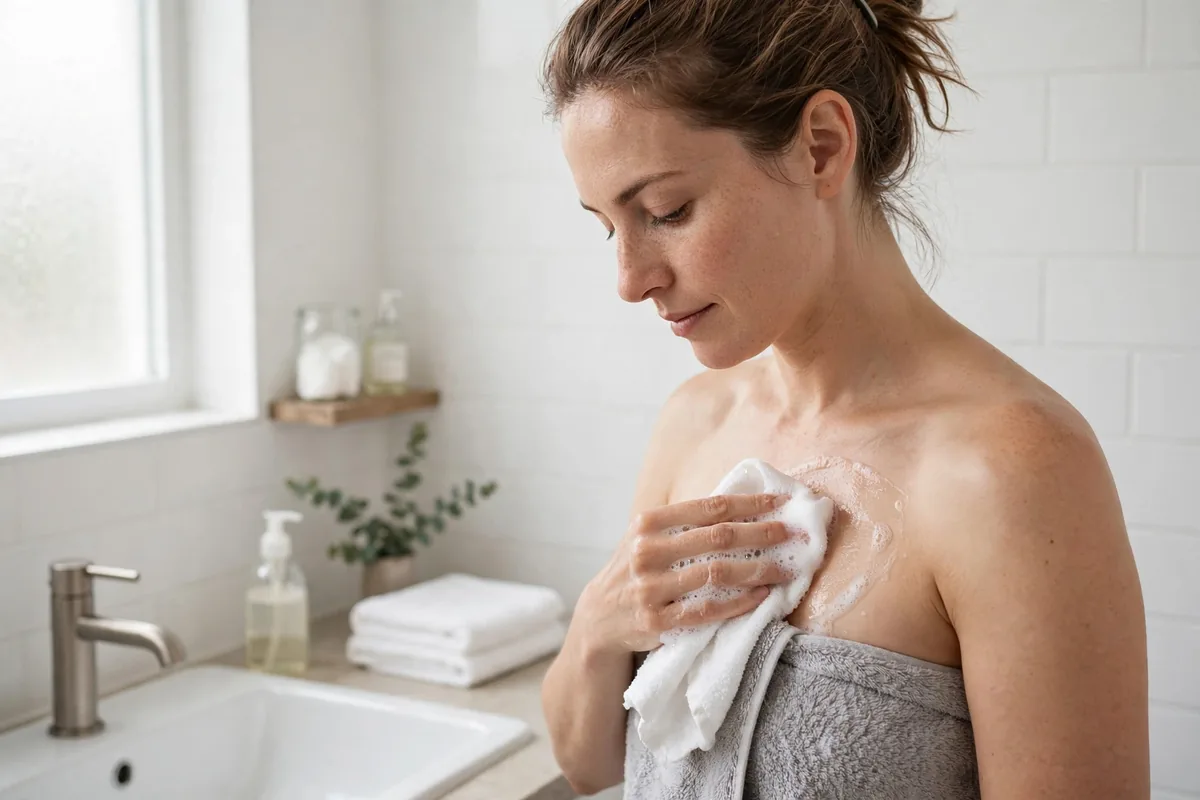
Good basic skin care does most of the work in the first few days. The goal is clean, calm skin that can heal without added irritation or infection.
How to Wash Stung Skin #
Wash the chest once soon after the stings, and then wash gently once or twice daily as part of normal bathing. Use mild, fragrance-free soap and cool or lukewarm water. Let water run over the area rather than scrubbing. Pat dry instead of rubbing, and change into a clean, dry shirt after washing.
Avoid hot water on freshly stung skin, because heat can increase itching for some people. Avoid loofahs, rough washcloths, and exfoliating products on the sting sites until the skin has healed. If soap stings or irritates the area, rinse well and use plain water for the next wash.
Cold Compresses and Itch Relief #
A cold compress can reduce pain, itching, and mild swelling. Apply it for short periods, such as 10 to 15 minutes at a time, with breaks in between. Always place a clean cloth between ice and skin. Check the skin after each application, and stop if the skin becomes very pale, numb, or more painful.
For more detail on safe cold use after bites and stings, see this guide to cold compress use for bites and stings. It explains timing, skin protection, and when cold alone is not enough.
Over-the-counter products for itching and pain may help some people, but choose products carefully. Follow label directions exactly, and do not combine products without checking the labels. If you take other medicines, have a medical condition, are pregnant, or are caring for a child, ask a pharmacist or clinician before using a new product. No specific dose is recommended here, because the right choice depends on age, health history, and other medicines.
Clothing Choices While the Skin Heals #
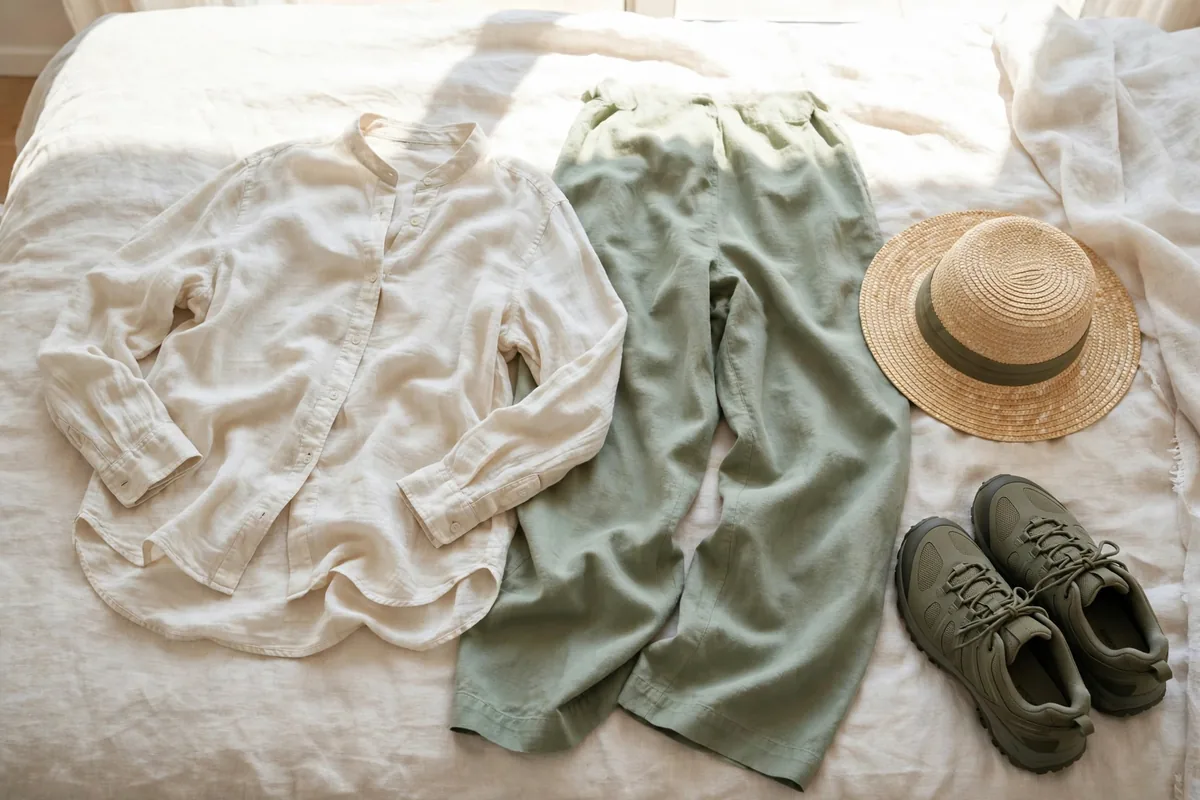
Loose, breathable cotton or other soft fabric is usually most comfortable while chest bites heal. A clean, loose shirt reduces friction and lets air reach the skin. Avoid tight synthetic tops, rough seams, and heavy straps pressing directly on sting sites for the first few days if possible.
If a bra strap or undershirt seam crosses a cluster of bites, adjust the fit, add a soft layer underneath, or switch to a different style for a few days. The aim is not to avoid support or normal clothing entirely, but to reduce repeated rubbing over tender, healing bumps. Change shirts daily, and sooner if you sweat heavily, because clean dry fabric supports healing better than damp fabric held against irritated skin.
Pustule Care: What to Expect and What to Avoid #
Pustules cause the most worry after fire ant stings. They can look like infection, but in the early stage they are often part of the normal sting response. Knowing the difference helps you avoid unnecessary squeezing and helps you spot true infection early.
Why Pustules Form After Fire Ant Stings #
Fire ant venom triggers inflammation in the skin. After the initial red bump, the center of many sting sites fills with fluid and white blood cells, forming a small pustule. This process often takes several hours to a full day. The pustule may be tender, itchy, and slightly raised, and it may have a white or pale yellow center with red skin around it.
Pustules usually dry, crust, and heal over several days to a week or two, depending on the number of stings and how much the area is scratched or rubbed. Some leave a small dark mark or mild discoloration that fades slowly. Scarring is more likely when pustules are squeezed, scratched open, or repeatedly irritated.
Pustule Care Do List #
Keep pustules clean and dry. Wash gently, pat dry, and wear clean loose clothing over them. Leave the surface intact whenever possible, because intact skin protects the tissue underneath. If a pustule opens on its own, wash the area gently, cover it with a clean dry dressing if clothing will rub it, and change the dressing daily or sooner if it becomes damp or dirty.
Trim fingernails short and avoid scratching, especially at night. If itching is strong, a cold compress, loose clothing, and distraction can help. For children, clean hands, short nails, and a loose shirt at bedtime reduce the chance of overnight scratching.
Pustule Care Do Not List #
Do not pop or squeeze pustules. Squeezing breaks the skin barrier, pushes irritants deeper, increases pain and swelling, and raises the risk of bacterial infection. Do not lance a pustule with a needle, pin, or other sharp object at home. Do not apply toothpaste, bleach, strong antiseptics, or unproven home mixtures to open pustules.
Do not pick at crusts. A crust is part of healing. Removing it early reopens the surface and prolongs healing. If a pustule becomes very painful, rapidly larger, or surrounded by spreading redness, seek clinical advice rather than trying to drain it yourself.
How Pustules Normally Heal #
Normal healing follows a gradual pattern. Pain and itching are often strongest in the first day or two, then slowly ease. The pustule dries and forms a small crust. The crust falls off on its own as new skin forms underneath. Mild itching during healing is common.
Healing is not normal when pain increases after the first day or two, redness spreads outward, the area becomes much warmer, swelling grows, red streaks extend from the site, pus increases, or fever develops. Those changes suggest a possible secondary skin infection and need clinical review. People with diabetes, immune suppression, poor circulation, or many chest stings should seek advice earlier, because infection risk and healing time can differ.
Clothing, Friction, and Everyday Comfort #
Chest bites affect daily routines in ways that arm or leg bites do not. Straps, seatbelts, bedding, and posture all press against the same skin. Small adjustments can make healing much more comfortable.
Bra Straps and Undershirt Seams #
A bra strap can sit directly over a cluster of bites, and repeated movement can rub the same spots all day. If possible, adjust strap position slightly, loosen the fit within a comfortable range, or wear a soft camisole layer under the bra for a few days. A seamless or soft-cup style may reduce pressure, but comfort matters more than a specific style.
For people who wear an undershirt, check where seams, tags, and elastic bands fall. A seam across the upper chest can irritate bumps every time you move your arms. Turning a shirt so a seam sits elsewhere, choosing a tag-free soft shirt, or wearing the shirt inside out for a short period at home are simple ways to reduce friction while the skin heals.
Seatbelts, Backpacks, and Work Gear #
A seatbelt crosses the chest diagonally and can press on sting sites during every drive. A soft seatbelt cover can reduce direct rubbing, but do not alter the belt in a way that changes how it protects you. Keep the belt positioned correctly for safety, and use a thin soft layer under it if needed.
Backpack straps, work vests, aprons, and tool harnesses can also press on the chest. If work gear cannot be avoided, pad the contact area with clean soft fabric, adjust straps to reduce direct pressure on the worst clusters, and change out of damp work clothing promptly. Clean gear that contacts healing skin, and avoid sharing towels or clothing while pustules are open.
Sleeping Position and Nighttime Itching #
Sleeping on the stomach or side can press the chest against bedding and increase itching or pain. Sleeping on the back with a clean soft shirt is often more comfortable for the first few nights. Use clean sheets and a clean pillowcase, and keep the bedroom cool if heat worsens itching.
Nighttime scratching is a common cause of broken pustules. Keep nails short, wear a loose clean shirt to bed, and keep a cold compress or clean damp cloth nearby for a brief cool-down if itching wakes you. If a child wakes scratching, check the skin in the morning for open spots, wash gently, and cover areas that bedding will rub.
Multiple Bites Across the Chest: Tracking and Care #
A chest covered in many bites needs a simple tracking routine. Without tracking, it is easy to miss a worsening spot among many improving ones.
Counting and Mapping the Bites #
After first aid, take a few minutes to note how many clusters you can see and where they are. You do not need a medical diagram. A short note such as upper left chest, center chest, right side near underarm, and along the waistband is enough. Note the time of the stings and whether breathing, swelling, or whole-body symptoms occurred.
Recheck the same areas once or twice daily. Look for one or two spots behaving differently from the rest. A single spot with spreading redness, increasing pain, warmth, or pus deserves attention even if the other bites are improving. Photographs in consistent light can help you compare day to day, but do not rely on photos alone if symptoms worsen.
Pain, Swelling, and When Local Symptoms Are Too Much #
Mild to moderate pain and itching are expected. Pain that keeps increasing after the first day, swelling that spreads well beyond the bite clusters, or skin that becomes tight and very tender needs clinical review. Large local swelling on the chest can also make breathing feel uncomfortable, but breathing difficulty itself still needs urgent evaluation, not reassurance that swelling explains it.
If many stings occurred, if the person feels generally unwell, or if pain interferes with sleep, work, or breathing comfortably, seek advice early. A clinician can check for infection, advise on symptom relief suitable for that person, and confirm whether any additional care is needed.
Infection Watch: Signs That Need Prompt Care #
Most fire ant pustules heal without infection when left intact and kept clean. Infection happens when bacteria enter through broken skin, often after scratching, squeezing, or prolonged rubbing. Early recognition matters, because chest skin infections can spread and become painful quickly.
Early Infection Signs to Check Daily #
Check the chest at least once daily for spreading redness around a sting site, red streaks moving away from a bump, increasing warmth, swelling that grows rather than settles, pain that worsens after the first day or two, new yellow or green discharge, or an open sore that does not begin to dry and crust. Fever, chills, feeling unwell, or swollen glands near the armpit or neck with worsening skin signs also need prompt clinical review.
People at higher risk should watch even more closely. This includes people with diabetes, immune suppression, eczema or other skin conditions, poor circulation, and young children who scratch easily. If any risk factor applies, seek advice at the first sign of spreading redness or increasing pain rather than waiting several days.
What to Do If Infection Is Suspected #
Do not try to drain, squeeze, or cut an infected-looking spot at home. Wash gently, keep the area clean and covered with a clean dry dressing if clothing rubs it, and avoid new creams or ointments unless a clinician advises them. Note when symptoms started, whether fever is present, and whether redness is spreading, because that history helps a clinician assess urgency.
Seek same-day care for spreading redness, increasing pain, fever, red streaks, or a rapidly enlarging tender area. Seek urgent care for severe pain, large swelling, fever with feeling very unwell, or any breathing difficulty or whole-body symptoms. Bring a list of medicines, allergies, and recent insect sting history to the visit.
Fire Ant Bites Compared With Other Chest Skin Problems #
Chest bumps after outdoor exposure are not always fire ant stings. Comparison helps you avoid wrong assumptions, but it does not replace clinical assessment when the cause is unclear or symptoms worsen.
Table 1: Fire Ant Chest Bites Compared With Common Look-Alikes #
| Feature | Fire ant bites | Heat rash | Contact irritation from clothing | Acne or folliculitis |
|---|---|---|---|---|
| Typical trigger | Ants crawling inside clothing outdoors | Heat, sweat, and blocked sweat glands | Friction, detergent, or fabric against skin | Blocked hair follicles, sweat, and friction |
| Pain or itch pattern | Burning pain first, then itching | Itching or prickling, often widespread | Itching or burning where fabric rubs | Tenderness at individual bumps, often mild |
| Bump appearance | Red bumps that often form small pustules | Tiny red bumps or blisters in sweaty areas | Redness matching a strap, seam, or band | Pimples centered on hair follicles |
| Spread pattern | Scattered clusters where ants were trapped | Areas where sweat collects under clothing | Lines or patches matching clothing contact | Areas with friction, oil, and sweat |
| Course over days | Pustules dry and crust, then heal | Improves with cooling and dry clothing | Improves when the irritant is removed | Varies, may recur with friction and sweat |
| Warning sign | Breathing trouble or spreading infection signs | Fever with widespread rash needs review | Blistering or severe rash needs review | Spreading pain, fever, or large abscess needs review |
Heat rash and contact irritation often improve when heat, sweat, and friction are reduced. Fire ant pustules follow a more distinct course, with burning pain first and pustules forming over hours. If the pattern does not fit, if blisters are large, or if symptoms worsen, seek clinical advice rather than assuming the cause.
Why a Single Table Cannot Diagnose You #
Skin problems can overlap. A person can have fire ant bites plus heat rash, or bites plus irritation from a strap. A new rash with fever, blistering, widespread peeling, mouth sores, or severe pain needs prompt clinical care. A history of outdoor ant exposure, a clear sting moment, and pustules forming after burning pain point toward fire ant stings, but only an in-person assessment can confirm an uncertain or worsening case.
Home Care Options Compared #
Home care for fire ant chest bites should stay simple. The most helpful steps protect the skin, reduce itching, and allow healing. Aggressive treatments often cause more harm than benefit.
Table 2: Home Care Options for Fire Ant Bites on the Chest #
| Care option | What it can help | How to use it safely | Avoid or stop if |
|---|---|---|---|
| Gentle washing | Removes dirt and reduces infection risk | Mild soap, cool or lukewarm water, pat dry | Scrubbing breaks pustules or increases pain |
| Cold compress | Eases pain, itching, and mild swelling | Wrapped in cloth, short periods with breaks | Skin becomes numb, very pale, or more painful |
| Loose clean clothing | Reduces friction and keeps skin dry | Soft breathable fabric, changed daily | Fabric sticks to open sores or traps sweat all day |
| Clean dry cover | Protects open spots from rubbing | Light dressing, changed daily or when damp | Dressing is tight, airtight, or left unchanged |
| Over-the-counter itch or pain products | May ease itching or discomfort for some people | Follow label directions, check other medicines | Rash worsens, skin reacts, or symptoms do not improve |
| Scratching, squeezing, or home draining | No benefit, harms healing | Do not use this approach | Any use increases infection risk, stop at once |
Follow product labels exactly, and ask a pharmacist or clinician if you are unsure about a product, especially for children, during pregnancy, or when other medicines are in use. If a product causes increased redness, rash, burning, or swelling, stop using it, wash the skin gently, and seek advice if symptoms persist.
Warning Signs: When to Get Emergency Help #
Some symptoms after fire ant stings need emergency care, not watchful waiting. This section is the most important part of this guide. Read it before you need it, and act at once if any of these signs appear.
Emergency Warning Signs #
Watch for trouble breathing, wheezing, throat tightness, swelling of the lips, tongue, or throat, widespread hives, dizziness, fainting, collapse, vomiting with other whole-body symptoms, or rapidly worsening symptoms affecting the whole body. Chest tightness, shortness of breath, or a feeling of throat closing must never be treated as simple soreness from chest bites.
Call 911 right away for trouble breathing, throat or tongue swelling, fainting, collapse, or rapidly worsening whole-body symptoms. Do not wait to see if symptoms improve on their own, and do not drive yourself if you are having breathing difficulty or feeling faint.
If the person has an epinephrine auto-injector prescribed for insect sting allergy, use it as directed by their allergy plan and still call 911. Keep the person lying down with legs raised if faint, unless breathing difficulty makes lying flat worse, in which case help them sit upright while waiting for emergency help. Do not give food or drink to a person who is having trouble breathing or who may faint.
For a fuller list of urgent signs after bites and stings, see this guide to bite and sting warning signs. Use it as a quick reference, but do not delay an emergency call to read further if serious symptoms are present.
When to Contact a Clinician Without Delay #
Not every concerning symptom is an emergency, but several situations still need prompt clinical contact. Seek same-day advice for spreading redness, red streaks, increasing pain after the first day, fever, a large tender swollen area, many stings, or a bite cluster that keeps worsening while others improve.
Situations That Deserve Earlier Advice #
Seek advice earlier if the person has a known insect sting allergy, asthma, heart disease, diabetes, immune suppression, or a skin condition that makes healing slower. Children with many chest stings, people who cannot tell whether breathing feels normal, and anyone whose symptoms interfere with sleep, work, or daily care should also seek advice early.
Bring useful details to the visit or call. Note the time of exposure, the outdoor setting, the number of bite clusters, whether ants were inside clothing, any breathing or whole-body symptoms, fever readings if taken, medicines in use, and known allergies. This history helps a clinician judge infection risk, allergy risk, and the need for in-person review.
Follow-Up After the First Few Days #
Most local symptoms improve gradually over several days. If pain, redness, or swelling has not started to improve after a few days, if new pustules keep appearing without new exposure, or if dark marks, crusts, or open sores persist, seek clinical review. Persistent or worsening symptoms can signal infection, another skin condition, or a need for different skin care advice.
Keep the chest clean and protected until all open spots have healed. Avoid sunburn on healing skin, because sunburn adds pain and irritation. If discoloration remains after healing, it often fades slowly over weeks, but seek advice if a mark becomes raised, very painful, or changes rapidly.
Prevention: Keeping Fire Ants Out of Your Shirt #
Prevention focuses on clothing, seating, and awareness outdoors. Small habits reduce the chance of ants reaching the chest in the first place.
Clothing and Outdoor Habits #
Wear closed shoes and socks outdoors, tuck shirts in when working near grass or soil, and avoid sitting directly on the ground near visible mounds. Use a chair, blanket, or other barrier rather than bare ground when resting outdoors, and shake out clothing and blankets before bringing them indoors.
Check clothing after gardening, yard work, picnics, camping, or outdoor play. Shake shirts outdoors, inspect seams and folds, and change out of work clothes promptly. Keep bags, towels, and jackets off the ground in areas where fire ants are active.
Yard, Picnic, and Play Awareness #
Learn what fire ant mounds look like in your area, and teach children not to step on, poke, or sit on mounds. Keep play areas, picnic spots, and seating away from visible mounds. If you see ants trailing across a bench, log, or blanket, move to another spot rather than brushing a few ants away and staying.
Indoor prevention matters too. Seal gaps where ants enter, clean food spills promptly, and check clothing stored near doors or in garages. If ants repeatedly enter clothing or bedding indoors, professional pest advice may be needed, because repeated indoor exposure increases the risk of bites during sleep or dressing.
Sleeping and Dressing Safely Outdoors #
When camping or resting outdoors, keep bedding off bare ground, shake out shirts and sleeping bags before use, and avoid leaving clothing in piles on grass overnight. Dress in a clean shirt after outdoor activity rather than putting a possibly ant-exposed shirt back on. These simple checks are especially helpful for children, outdoor workers, and anyone who has reacted strongly to stings before.
Frequently Asked Questions #
How long do fire ant bites on the chest take to heal? #
Most fire ant bites improve over several days, with pustules drying and crusting within a week or two in many cases. Healing time varies with the number of stings, scratching, friction from clothing, and overall skin health. Seek care if pain or redness worsens after the first few days, if fever develops, or if open sores do not begin to heal.
Should I pop a fire ant pustule on my chest? #
No. Do not pop or squeeze pustules. Popping breaks the skin barrier, increases pain, and raises the risk of bacterial infection. Keep pustules clean, dry, and covered with loose clothing, and let them dry and crust on their own. If a pustule opens by itself, wash gently and protect it from rubbing until it heals.
How can I tell a normal pustule from an infection? #
A normal pustule often forms within a day, then slowly dries and crusts while pain and itching ease. Infection is more likely when redness spreads outward, pain increases after the first day or two, warmth and swelling grow, red streaks appear, discharge increases, or fever develops. Any of those changes deserves prompt clinical review, especially if you have diabetes, immune suppression, or many bites.
Why does my chest feel tight after fire ant bites? #
Chest tightness can come from local soreness, anxiety, or muscle tension, but it can also signal a serious allergic reaction affecting breathing. Never assume chest tightness is only local soreness. If tightness comes with trouble breathing, wheezing, throat or tongue swelling, widespread hives, dizziness, or fainting, call 911 at once. If tightness is new, worsening, or unexplained, seek urgent medical assessment rather than waiting.
Can I wear a bra or seatbelt over fire ant bites? #
Yes, in most cases, with adjustments for comfort. Use a soft layer under a strap or seatbelt, adjust fit to reduce direct pressure on the worst clusters, and keep the belt positioned correctly for safety. Change out of damp clothing promptly, and avoid tight or rough fabric pressing on open pustules. If pain is severe or skin is badly irritated, seek advice about temporary clothing adjustments.
What should I do if fire ants stung me while I was sleeping? #
Remove the shirt and bedding from the bed, shake them out outdoors, and check the full chest and other covered skin for bites. Wash gently, inspect for all sting sites, and watch for infection and whole-body symptoms just as you would after a daytime exposure. If ants are found repeatedly in bedding or clothing indoors, seek pest control advice, because repeat exposure during sleep can cause many bites before you wake.
When should a child with chest fire ant bites see a clinician? #
Seek prompt advice if a child has many stings, trouble breathing, throat or lip swelling, widespread hives, fainting, fever, spreading redness, increasing pain, or bites that keep worsening. Children scratch more easily, so check the chest daily, keep nails short, and cover open spots that bedding or clothing will rub. When in doubt, contact a clinician early rather than waiting.
Medical Disclaimer #
This guide provides general education about fire ant bites on the chest, first aid, pustule care, infection watch, and prevention. It is not medical advice, and it does not replace professional evaluation or treatment. Individual risk varies with allergy history, health conditions, medicines, age, and the number and severity of stings.
If you have trouble breathing, throat or tongue swelling, fainting, collapse, rapidly worsening whole-body symptoms, spreading infection signs, fever, or any symptom that worries you, seek emergency or prompt clinical care right away. Always follow the directions on any product label, and ask a pharmacist or clinician before using a new medicine or skin product, especially for children, during pregnancy, or when other health conditions apply. If you are unsure whether a symptom is local or serious, choose urgent assessment rather than waiting.


