
If the sting happens now and the only auto-injector within reach is past its date, you need a straight answer: an expired EpiPen still use in a life-threatening emergency is generally considered better than no epinephrine at all — provided the solution looks normal. Research has found that expired pens often retain most of their labeled dose for years past the printed date. That said, manufacturers and health authorities advise replacing pens on schedule, because only an in-date pen guarantees a full-strength dose. Below is what the evidence says and how to make the safest call in the moment.
The direct answer: expired but the only pen you have #
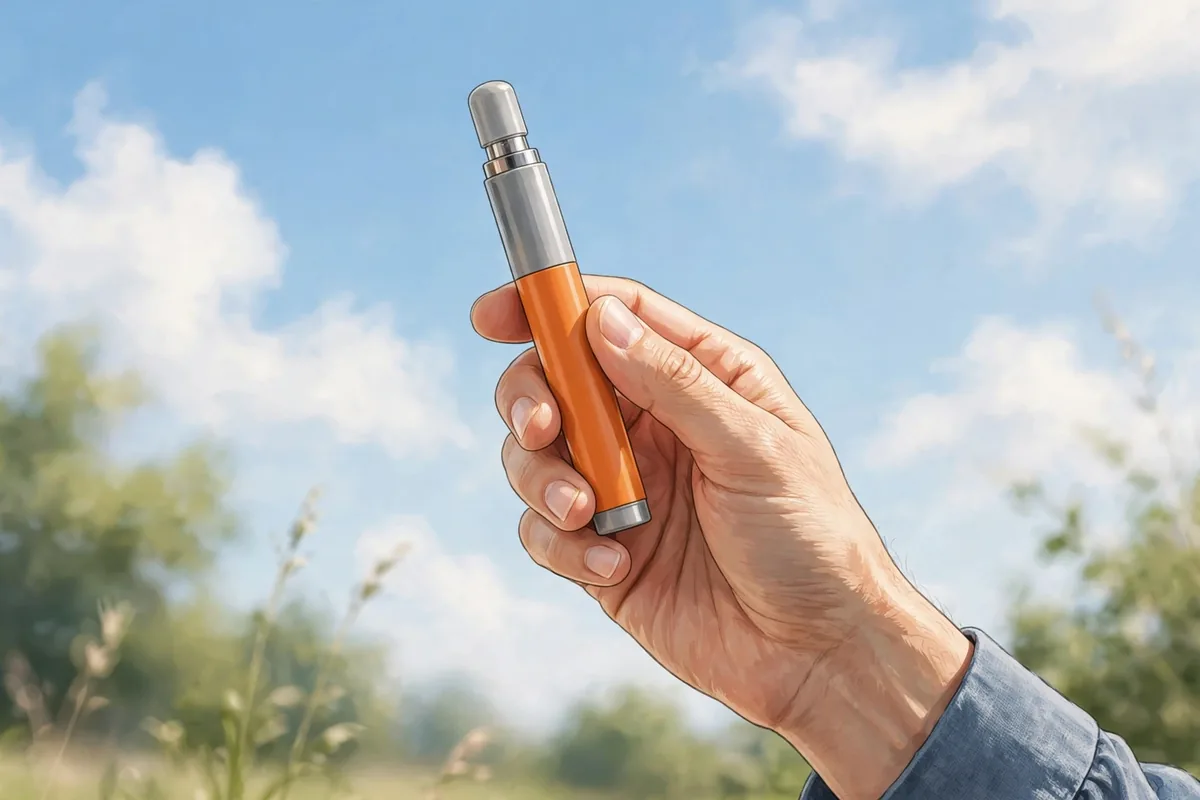
In a genuine anaphylaxis emergency with no in-date pen available, use the expired pen. Do not wait, do not drive to a pharmacy first, and do not skip the injection because of the date. Call 911 immediately, exactly as you would with an in-date injection.
The logic is straightforward: anaphylaxis kills when epinephrine is delayed or absent. Most fatal reactions are associated with not getting epinephrine quickly enough. A possibly reduced dose now beats a perfect dose that arrives ten minutes too late. After injecting, call 911 (or have someone call), lie the person down with legs raised if they feel faint, and be ready for a second reaction hours later — biphasic reactions can return even after treatment.
This is a worst-case exception, not a habit. If you have an in-date pen and an expired one side by side, always use the in-date pen first.
What the research actually found #
At least two published studies have tested expired epinephrine auto-injectors, and both concluded that significant potency remains well past the printed date.
- Simons et al. reported that pens 2–3 years past expiry still contained more than 90% of the original labeled dose, and pens 5–7 years past expiry contained more than 70%.
- Cantrell et al. tested pens 1–50 months (about 4 years) past expiry and found active epinephrine concentrations ranging from 84% to 100% of label claim, with older pens more likely to be lower.
During a US epinephrine shortage in 2019, the FDA itself extended expiry dates on certain EpiPen lots, judging the devices acceptable beyond their printed dates under controlled conditions. Poison control experts have said publicly that if an expired pen is all you have, it is better than nothing.
There are limits to this evidence. The pens in these studies were stored under reasonable conditions. Heat, freezing, and light degrade epinephrine faster — a pen that lived in a hot car for two summers may be far weaker than the studies suggest. And the FDA’s general guidance remains that expired medicines can be less effective or pose safety risks, which is why routine replacement is still the rule.
The window check: when NOT to use it #
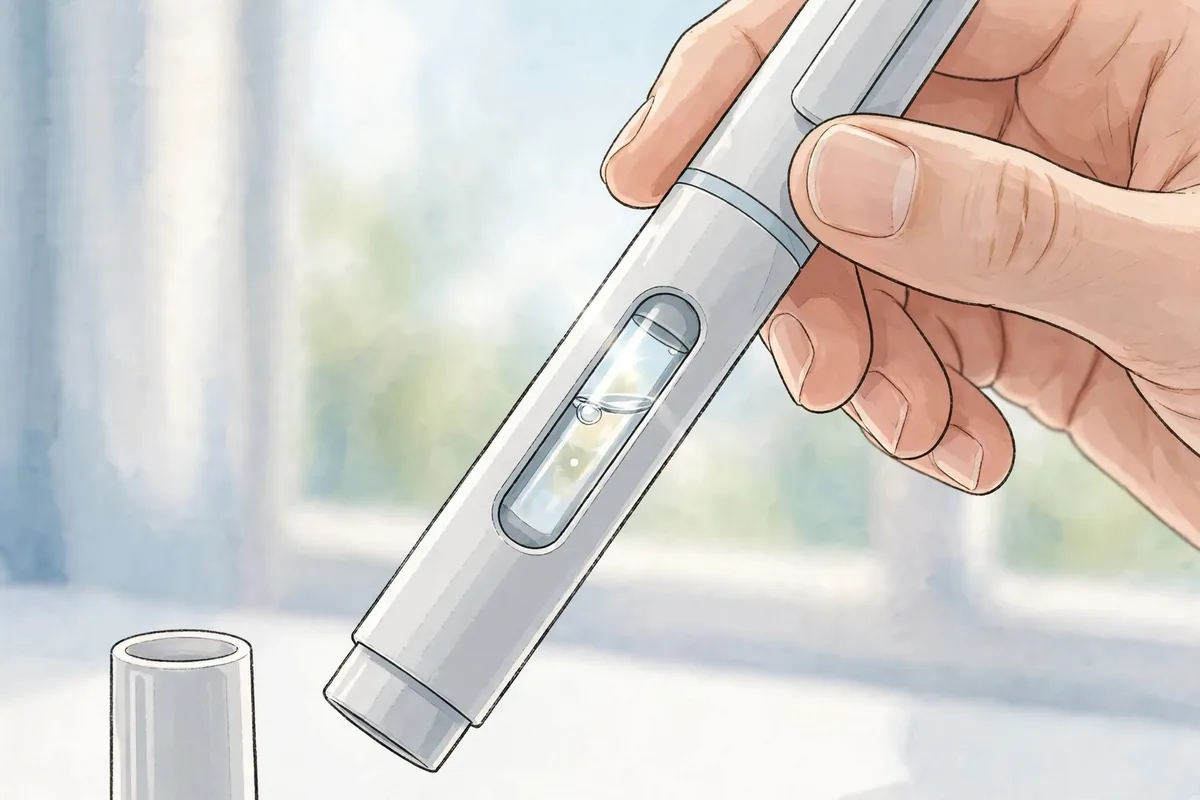
Epinephrine solution should be clear and colorless. The auto-injector has a small viewing window near the tip — check it before injecting, even in a hurry.
Do not use the pen if the solution is:
- Discolored (pink, brown, or yellowish tint)
- Cloudy or hazy instead of clear
- Containing particles, crystals, or sediment
- In a damaged or cracked device
Discoloration signals oxidation, and oxidized epinephrine is genuinely less effective. If the window looks abnormal, that pen has crossed the line from “weaker but useful” to “unreliable” — and injecting it may give a false sense of security. Note that some devices darken slightly at the very end of shelf life without major potency loss, but visible cloudiness or particles are a hard stop.
Also retire any pen past the month shown on the label as a matter of routine. The printed date marks the end of the month — a pen expiring in June is considered expired after June 30. Ask your pharmacist about refill reminders or manufacturer expiry alert programs so a replacement is already in hand.
During a sting emergency with only an expired pen: step by step #
- Check the window. Clear and colorless means proceed. Discolored, cloudy, or particles means skip to step 5.
- Inject immediately. Follow the label instructions — typically into the outer thigh, through clothing if needed. Hold per the label’s timing.
- Call 911. Always, even if symptoms ease. Epinephrine buys time; it is not a substitute for emergency care.
- Note the time. If there is no improvement and emergency help is delayed, guidelines support a second injection after several minutes — carry two pens when possible so a spare exists.
- If the pen is unusable, call 911 and get the person lying down with legs raised (or on their side if vomiting). Keep them still and calm while help comes. Antihistamines are not a substitute for epinephrine in anaphylaxis.
For a refresher on immediate sting response, review what to do in the first 10 minutes after a sting. And if you are unsure whether swelling has crossed into emergency territory, see when sting swelling becomes an emergency.
Keeping your pens current: a simple routine #
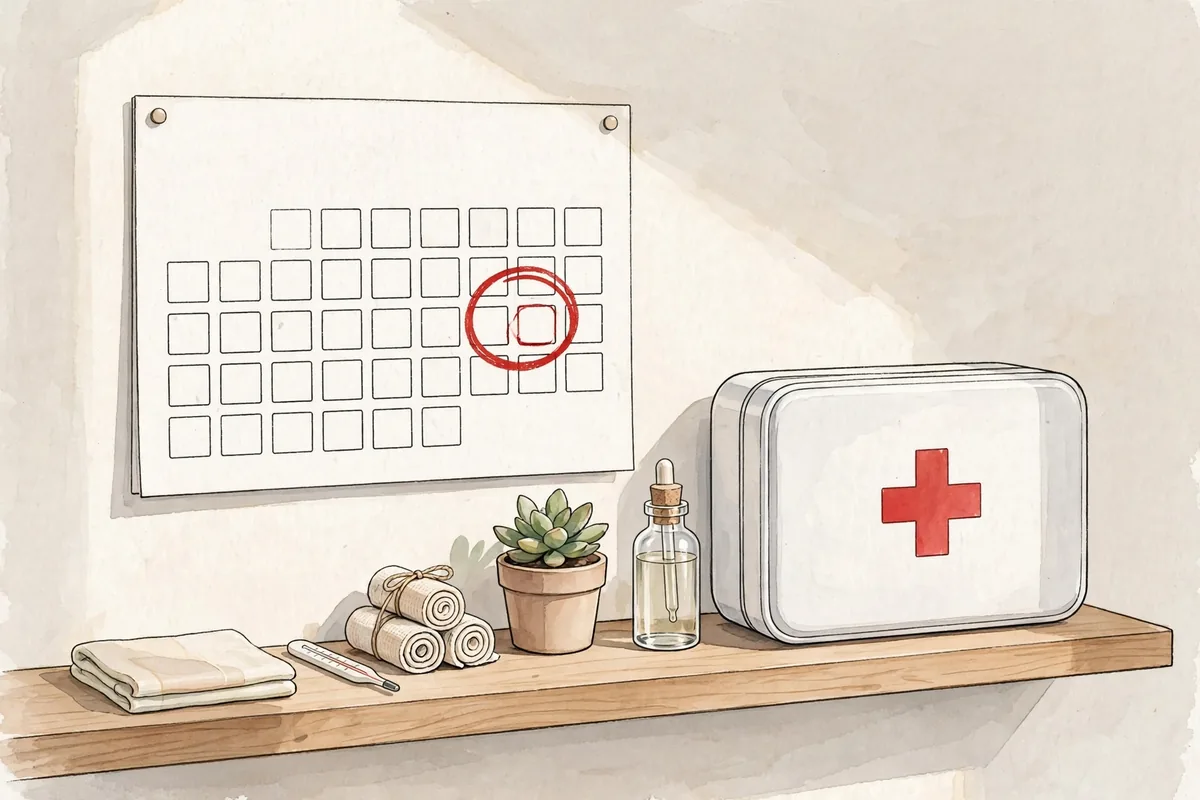
Expired pens only become a dilemma when replacement falls through the cracks. A small system prevents it.
- Log every expiry date in your phone calendar with a reminder one month before.
- Store pens at room temperature (per the label, roughly 20–25°C / 68–77°F). Do not refrigerate, and never leave them in a hot car or freezing garage.
- Keep spares where you need them: home, work bag, school (with the nurse), and with caregivers. Allergies do not check your location before striking.
- Practice with a trainer pen when you get a replacement — most people forget technique over time, and the most common errors are not holding the pen in place long enough and injecting the wrong end.
When you pick up the new pen, dispose of the old one through a pharmacy or sharps take-back program rather than the household trash.
What actually degrades inside an expired pen #
An epinephrine auto-injector is a simple device with one fragile ingredient. The epinephrine solution is sensitive to light, heat, and time. The main change as a pen ages is oxidation: the clear liquid slowly turns pink, then brown, as the epinephrine breaks down into less active compounds. That color change is the most useful signal you have — a clear, colorless solution is the sign of a pen that is probably still close to full strength, while a brown or cloudy one has lost a meaningful amount of potency and should not be relied on.
Potency does not fall off a cliff on the expiry date. The date on the pen is the manufacturer’s guarantee: up to that date, stored correctly, the pen holds its labeled dose. After the date, the drug keeps working for a while but with no guarantee about exactly how much is left. Studies of expired auto-injectors have generally found that many still contain most of their labeled dose months past expiry, which is why emergency guidance treats an expired pen as better than no pen at all — but “most of the dose, usually” is not the same as a guarantee, and it is never a reason to skip replacing a pen you can replace. The expiry date is also only half the story: the needle, the spring, and the plastic housing age too. A very old pen can fail mechanically — a spring that does not fire, a needle that does not extend — and there is no way to test that without wasting the device.
Storage matters as much as the calendar. A pen kept in a hot car, a glovebox, or a sunny windowsill ages far faster than one kept at room temperature in its carrier tube. Heat speeds up the oxidation that turns the liquid brown, and freezing can damage the mechanism. If you have ever left a pen in extreme heat, treat it as suspect even if it is still in date — check the window, and replace it if the liquid has any color at all.
How to inspect a pen in 30 seconds #
You do not need to be a pharmacist to check a pen, and doing it monthly means you will never be surprised by a brown liquid in an emergency. Work through this quick check with every pen in the household.
| Check | What to look for | If it fails |
|---|---|---|
| Expiry date | Printed on the pen and the carrier tube | Order a replacement now; keep using this one only until the new pen arrives |
| Viewing window | Liquid clear and colorless, no particles | Pink, brown, cloudy, or particles — do not rely on it; replace immediately |
| Carrier tube | Intact, closed, no cracks | A damaged tube means the pen has been exposed to light and knocks — replace it |
| Needle end | Cap secure, no bent or exposed needle | Never use a pen with a damaged or exposed needle — get a replacement |
| Spare pen | A second in-date pen is nearby | Ask your prescriber for a two-pen prescription; a second dose is sometimes needed |
Do the check in good light, holding the pen up against a white background so any discoloration is obvious. Teach everyone who might need to use the pen — a partner, a teacher, a grandparent — how to do the same check, so the household does not depend on one person’s memory. And keep the pens where they are actually reachable: a pen in a locked cabinet upstairs is useless during a reaction in the garden. If a second dose ever becomes necessary, timing matters, and the guide on when to give a second dose explains the interval to use. After any use, expired or not, the what to do after using an EpiPen guide walks through the steps that follow the injection, because the injection is the beginning of the emergency response, not the end of it.
Replacing pens without the sticker shock #
Cost is the reason most expired pens stay in circulation, and it is worth tackling directly rather than quietly letting pens age past their date. Start with the prescriber: ask for a prescription that covers two pens, and ask whether a generic epinephrine auto-injector is appropriate — generics hold the same drug and dose at a much lower price in many markets. Manufacturer savings programs and pharmacy discount cards can cut the cost further, and some insurers cover a replacement pen before the old one expires if the prescriber documents the need. It costs nothing to ask, and the pharmacy can usually tell you the price difference before you commit.
Set up a system so expiry never sneaks up on you again. Put the expiry date in your phone calendar with a reminder two months before it, and a second reminder one month before. When the new pens arrive, rotate them: the oldest in-date pen goes to the most-used location, and the newest pen becomes the spare. Check the pens on the same day every month — the first of the month is easy to remember — and do the 30-second window check from the section above. If a child carries a pen at school, ask the school nurse when they check the pens they hold, and replace the school pen on the same schedule as the home pen. Different auto-injector brands store and handle slightly differently, so if you are considering a switch for cost reasons, the EpiPen versus Auvi-Q comparison explains the practical differences before you decide.
One last point that matters in a real emergency: a delayed reaction can appear hours after a sting that seemed to settle, so an expired pen is not the only thing to watch after the event. The delayed allergic reaction guide explains what to watch for in the hours after a sting. And if you are ever unsure whether a reaction is an emergency at all, the guide on when a bee sting is an emergency lays out the decision clearly — when in doubt, treat it as an emergency and call for help.
Warning signs: when to seek care #
Call 911 immediately for trouble breathing or swallowing, swelling of the face, lips, tongue, or throat, widespread hives, dizziness or fainting, or a racing heartbeat after a sting — these are anaphylaxis red flags. Use your epinephrine auto-injector per your action plan, expired or not, if no in-date pen exists.
After any suspected anaphylaxis — expired pen used or not — the person must be evaluated in an emergency department, even if they feel better. Biphasic reactions can return hours later without warning. If the reaction involved only local swelling (no breathing trouble, no whole-body symptoms), urgent care or your doctor is the right level of care, especially if swelling spreads, streaks appear, or it worsens after a day or two.
Frequently asked questions #
How long after expiry might an EpiPen still work? #
Studies found most potency retained for years: above 90% at 2–3 years past date in one study, and 84–100% at up to about 4 years past in another. But storage conditions matter enormously, and the FDA advises replacing pens on schedule because a full guaranteed dose matters most in a life-threatening reaction.
Can I use an expired EpiPen if the liquid looks fine? #
If the solution is clear and colorless and it is the only epinephrine available during anaphylaxis, yes — use it and call 911. If an in-date pen is available, always choose the in-date one.
What if the expired pen’s liquid is brown or cloudy? #
Do not use it. Discoloration or particles mean the epinephrine has degraded and may not work. Call 911 and follow the no-epinephrine steps above while help is on the way.
Does insurance cover replacing EpiPens before they expire? #
Most plans cover one or two auto-injectors per year with a prescription; coverage varies. If cost is a barrier, ask your doctor or pharmacist about generic epinephrine auto-injectors, which are typically much cheaper than the brand name.
Can I use an expired EpiPen on a child? #
The same rule applies as for adults: an expired pen with clear liquid is better than no pen during a severe reaction, and you should call emergency services immediately either way. But children deserve an in-date pen even more than adults do, because dosing and timing are harder to judge in a small body. Make the child’s pens the first ones you replace, and keep a second in-date pen at school or daycare.
Should I carry an expired pen as a backup? #
Carrying an expired pen alongside an in-date pen is reasonable — it costs nothing and it is a spare if the first pen misfires. But never let the expired pen become the only pen you carry because the in-date one is “saved” somewhere else. The in-date pen should always be the one on your person, and the expired one should be replaced at the first opportunity.
How should I store EpiPens so they last? #
Keep them at room temperature, in their carrier tube, out of direct sunlight — a bag, a drawer, or a cupboard works well. Never leave them in a car, a glovebox, or a hot garage, and never store them in a refrigerator or freezer. If a pen has been exposed to extreme heat or cold, check the viewing window and replace it if the liquid has any color.
What do I do with expired EpiPens? #
Do not throw them in household trash. Take expired pens to a pharmacy, a doctor’s office, or a local sharps disposal program — most pharmacies accept them. If you want to keep one for practice, ask your prescriber for a trainer device instead; practicing with a real expired pen risks an accidental injection.
Medical and editorial note #
This article is general information, not medical advice. Epinephrine auto-injectors are prescription devices, and anaphylaxis is a medical emergency — always call 911 during a severe reaction. Talk to your doctor or allergist about your personal action plan, how many pens to carry, and when to replace them.


