
What Bit Me? Bite & Sting Identification Guide
Compare exposure clues, timing, symptoms, and common bite or sting patterns when the cause is uncertain. Skin appearance alone often cannot identify the source.
Timing matters
When symptoms started and how they changed can be useful clues.
Exposure context
Where you were, what you touched, and whether an insect or tick was seen can matter.
Check red flags
Severe or rapidly worsening symptoms are more important than identifying the exact cause.
How to use bite and sting identification guides
A skin mark by itself rarely identifies the exact insect or arthropod that caused it. Redness, itching, swelling, tenderness, and small bumps can overlap across mosquito bites, tick exposures, fleas, mites, ants, stings, and several non-bite skin conditions.
Start with the exposure, not the photo
Useful clues include where you were, whether an insect or attached tick was actually seen, the time of day, whether other people were affected, and how quickly symptoms appeared. These details often provide more context than matching one lesion to an online image.
Separate identification from safety
You do not always need a perfect identification to make a safer next-step decision. If symptoms are mild and improving, monitoring may be reasonable. If they are rapidly worsening, affecting the whole body, or include concerning warning signs, use the Emergency & Warning Signs guide rather than waiting for certainty.
Use comparisons as a filter
StingHelp comparison guides are designed to narrow possibilities and explain what evidence is stronger or weaker. They are educational tools—not a substitute for examination, diagnosis, or testing by a qualified healthcare professional.
Latest identification & comparison guides
Use side-by-side guides to narrow possibilities without treating a skin mark as a definitive diagnosis.
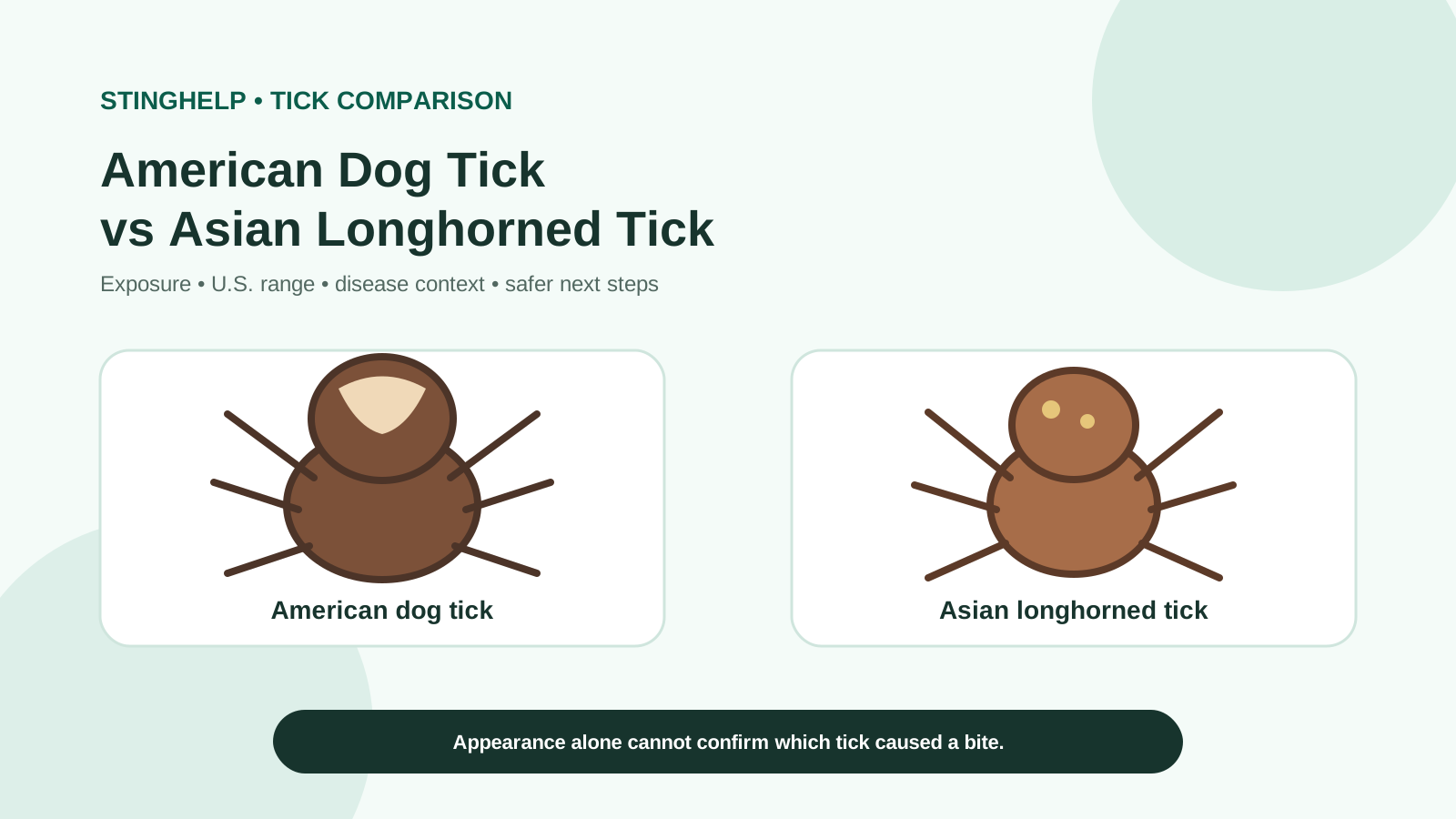
American Dog Tick Bite vs Asian Longhorned Tick Bite: Pictures, Key Differences, and What to Do
No-See-Um Bites: Symptoms, Relief, Prevention, and How to Reduce Biting Midges
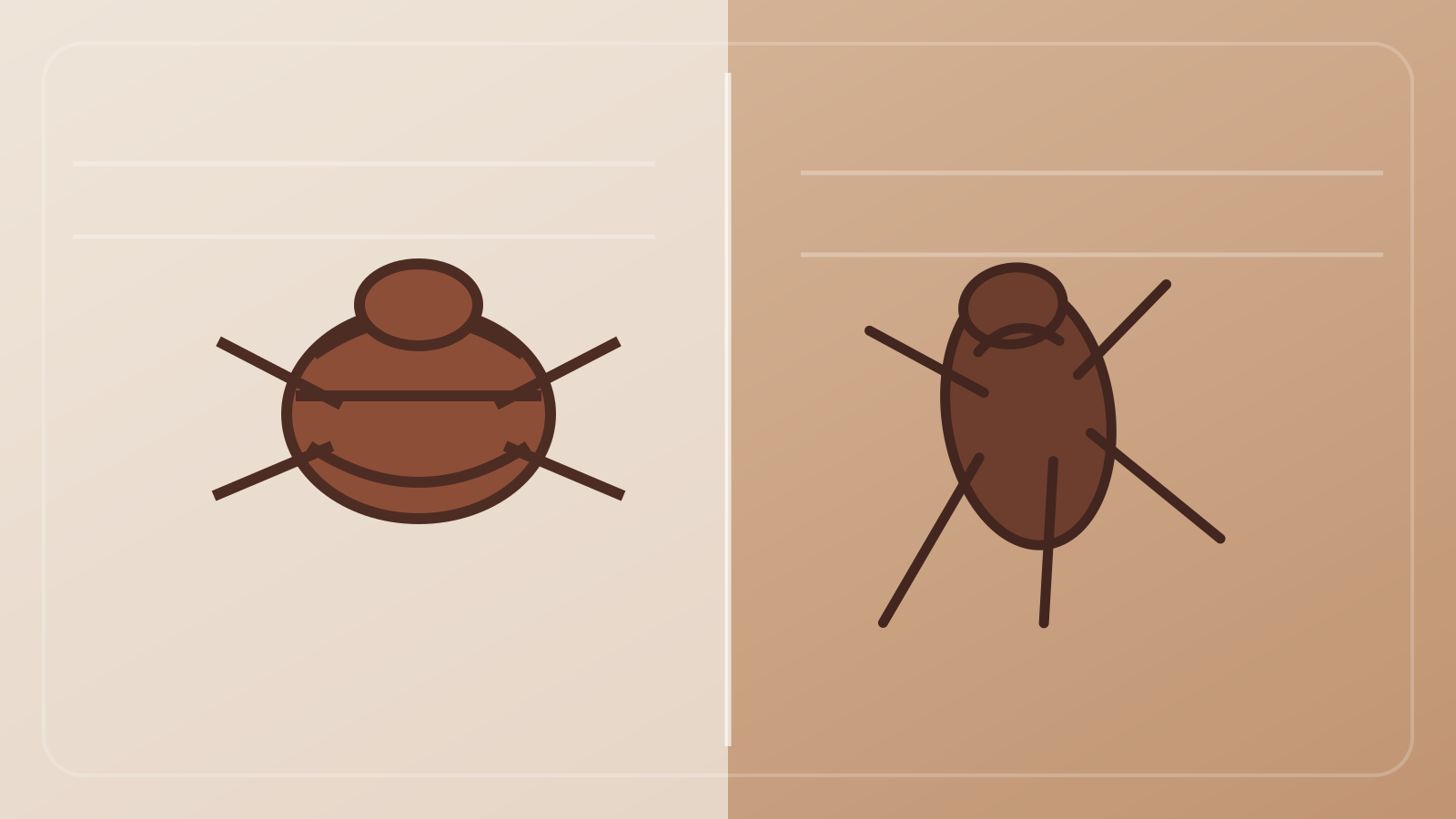
Bed Bug Bites vs Flea Bites: Key Differences, Treatment, and What to Do
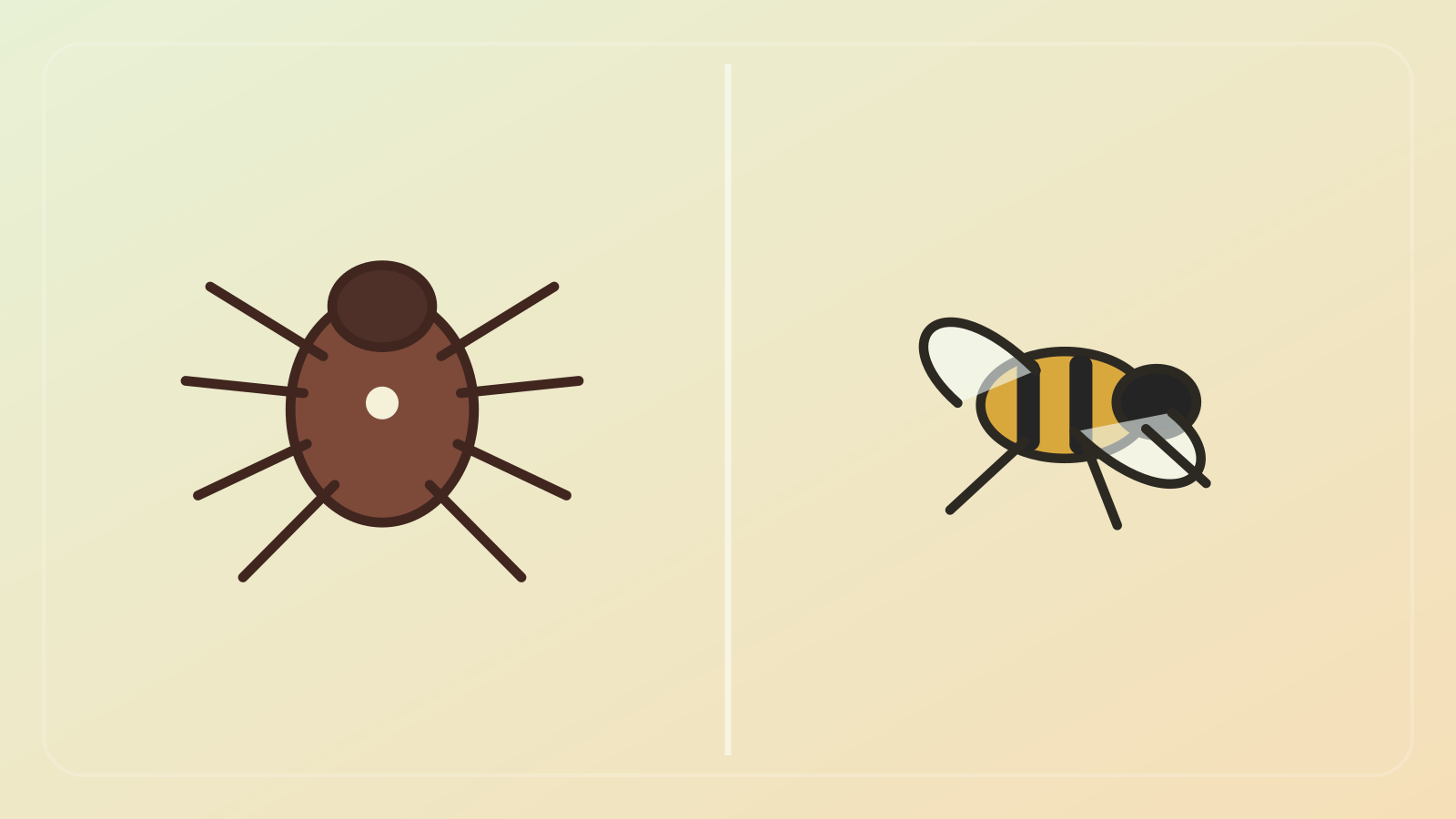
Lone Star Tick Bite vs Paper Wasp Sting: Key Differences
Lone Star Tick Bite vs Yellow Jacket Sting: Differences

Flea Bites vs Chigger Bites: Clues, Relief, and Prevention
American Dog Tick Bite vs False Widow Bite: Differences
Asian Tiger Mosquito Bite vs Black Widow Bite
Asian Tiger Mosquito Bite vs Brown Recluse Bite
Still unsure what caused it?
Focus first on symptom severity and safe next steps. Identification can remain uncertain even with photos.
Frequently Asked Questions
Can you identify an insect bite by appearance alone?
Usually not with certainty. Many bites, stings, allergic reactions, and skin infections can create similar red, itchy, or swollen marks. Use the bite pattern together with body location, timing, recent activities, and whether you saw the insect or an attached tick.
Which clues are most useful when I am not sure what bit me?
Look at whether marks are single or clustered, where they are on the body, when they appeared, whether the exposure happened during sleep or outdoors, and whether symptoms are mainly itchy, painful, or progressively worsening. A timeline is often more useful than the color of a single bump.
Can a photo confirm what caused a bite?
A photo is useful for documenting change, but it usually cannot prove the exact cause. Take a clear dated photo in consistent lighting and use it alongside exposure history and symptom progression.
When should I stop trying to identify the bite and get medical help?
Seek emergency care for trouble breathing, swelling of the lips, tongue, face, or throat, fainting, collapse, or rapidly worsening whole-body symptoms. Seek prompt medical evaluation for fever, spreading redness or rash, pus, severe or increasing pain, or other systemic symptoms.
Medical context: American Academy of Dermatology and CDC tick guidance. Educational information only; not a diagnosis.