Finding a tick on your skin is stressful enough without wondering what might happen weeks later. The powassan virus symptoms timeline is the key thing to know: if you get sick, it usually happens between 1 week and 1 month after the bite, according to the CDC. This guide walks you through that window day by day so you know what to watch for and when to call your doctor.
The Powassan symptom timeline: one week to one month #
Powassan is a rare virus spread by infected ticks, mainly the blacklegged (deer) tick. Unlike Lyme disease, which typically needs a day or more of attachment to transmit, Powassan can pass to you much faster — possibly within minutes of the tick attaching — which is why quick, correct removal matters so much.
Here is the timeline the CDC describes:
- Day 0 (the bite): The tick attaches and may begin transmitting the virus quickly. You will not feel anything — the bite is painless and you usually do not develop a rash.
- Days 1–7: Most people feel completely normal. There is typically no expanding red rash like Lyme’s erythema migrans.
- Weeks 1–5: The incubation window. If symptoms are going to develop, they generally appear somewhere in this range, most often between 1 week and 1 month after the bite.
- First 1–3 days of illness: A flu-like prodrome — fever, headache, vomiting, or general weakness.
- Days to weeks after that: For most people the illness stays mild or passes unnoticed. In a small number of cases the infection progresses to inflammation of the brain (encephalitis) or the membranes around the brain and spinal cord (meningitis), with confusion, coordination problems, speech difficulty, or seizures.
- Recovery: Most people who get only the mild illness recover fully. About 1 in 10 people with severe illness do not survive, and about half of the survivors of severe illness have lasting problems such as recurring headaches, muscle weakness, or memory trouble.
One important note: many people infected with Powassan never develop any symptoms at all. The timeline above describes what can happen, not what usually happens.
Early illness signs after a tick bite #
When Powassan symptoms do appear, they start off looking like a lot of ordinary summer illnesses, which is exactly why the timeline matters. Early signs can include:
- Fever. Often the first sign something is off, sometimes arriving suddenly.
- Headache. A new, persistent headache in the weeks after a known tick bite deserves attention.
- Vomiting or nausea. Stomach upset paired with fever and headache after tick exposure is a combination worth calling your doctor about.
- General weakness or fatigue. Feeling wiped out beyond what a normal day would explain.
What makes early Powassan hard to pin down is how nonspecific these symptoms are. Fever and headache could be dozens of things. The tie-breaker is the exposure history: a tick bite, time in brushy or wooded areas, or a removed tick in the past 1 to 5 weeks. If you removed a tick recently and now have these symptoms, mention the bite right away when you seek care — it changes how a doctor thinks about your case.
Do not try to tough this stage out silently. Early medical evaluation matters most for ruling things out and getting supportive care started. Rest, fluids, and over-the-counter pain relievers can ease mild symptoms while you wait to be seen.
How fast can Powassan spread from the tick? #
This is the detail that surprises most people. With Lyme disease, a tick generally needs to feed for 24–48 hours before the bacteria transmit. Powassan is different: health officials warn it can potentially be transmitted soon after an infected tick attaches — within minutes rather than days.
That speed is why the CDC and state health departments push two habits hard:
- Remove attached ticks promptly using fine-tipped tweezers, gripping as close to the skin as possible and pulling straight up with steady pressure. If you are unsure of the technique, our quick-reference on the correct method walks through it step by step: remove an attached tick safely.
- Prevent the bite in the first place with EPA-registered repellent, long sleeves and trousers in tick habitat, and a full-body tick check (including scalp, armpits, and groin) right after coming indoors.
Powassan is rare — reported US cases number in the dozens to low hundreds per year, though counts have been rising — and with no vaccine and no specific treatment, bite prevention is the entire strategy.
What raises the risk of severe illness #
Anyone can develop severe illness from Powassan, but the CDC identifies groups at higher risk:
- Older adults. Severe outcomes skew older, as with many infections.
- Young children, including infants. Small children are also at higher risk.
- People with weakened immune systems. Immunocompromised people are more vulnerable to severe disease.
Geography matters too. Powassan circulates in the Northeast, Great Lakes, and parts of the Midwest and Canada — overlapping heavily with deer-tick territory. Late spring through fall is peak season, and tick-activity trackers have shown unusually high early-season bite activity in recent years. If you live in or visit these regions, a tick check after mowing, hiking, or gardening is not overkill — it is the single highest-value habit.
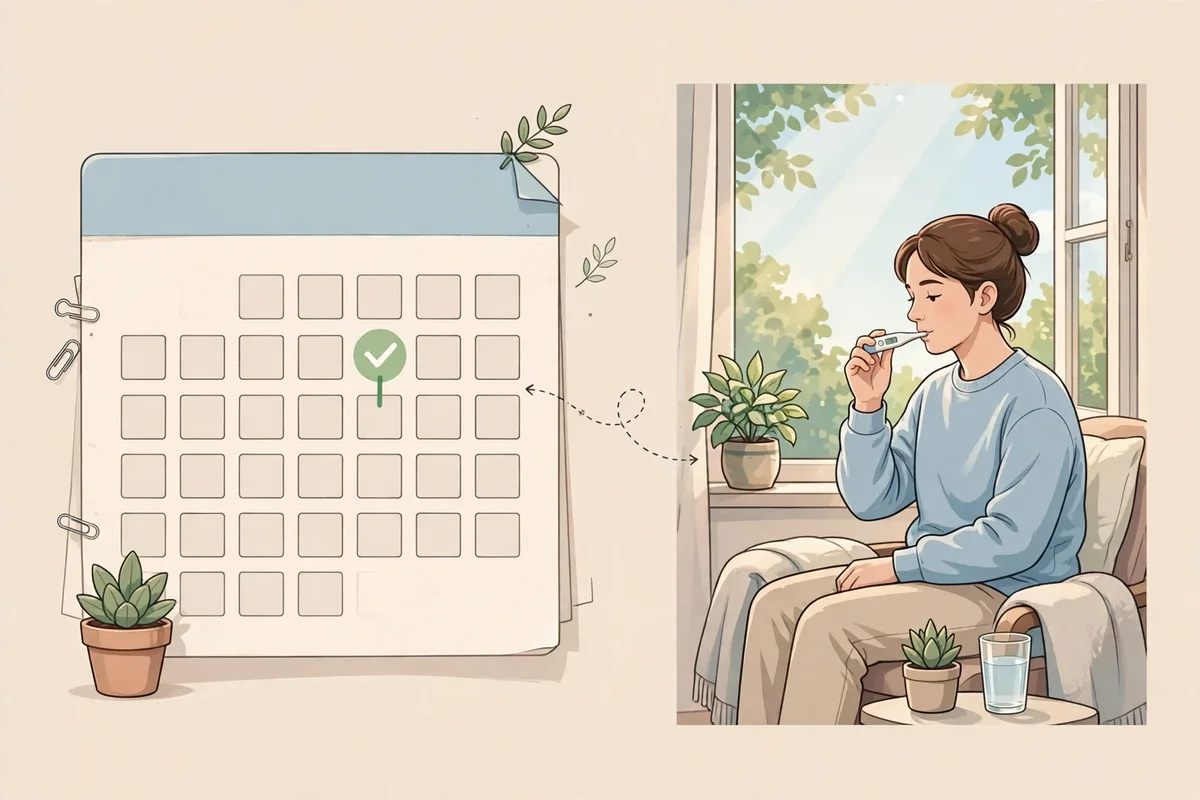
After a bite, the most useful thing you can do is start a watch calendar: note the date of the bite (or tick removal), then stay alert to fever, headache, and neurologic symptoms for the full 5-week window. A written log beats memory every time if you end up talking to a doctor later.
What doctors do when Powassan is suspected #
Because there are no specific medicines for Powassan, care is supportive — but that does not mean doctors are helpless. Here is what typically happens:
- Clinical diagnosis. Your provider weighs your symptoms, exposure history, and the season, considering Powassan alongside other causes of fever and neurologic illness such as West Nile virus.
- Laboratory testing. Blood or spinal fluid tests can look for the virus and rule out look-alike infections.
- Supportive care. Rest, fluids, and pain relief for mild illness; hospitalization for severe cases (breathing support, hydration, brain-swelling management, seizure monitoring).
- Follow-up. Severe cases are tracked over months, since lingering neurologic symptoms are common and rehabilitation may help.
Antibiotics do not treat viruses, so they do not treat Powassan — this is worth knowing so you are not surprised if your doctor does not prescribe them. The value of seeking care is diagnosis, monitoring, and supportive treatment, not a cure in pill form. For practical guidance on what to monitor in the weeks after any tick bite, see our aftercare checklist: tick bite aftercare for the next few weeks.
Warning signs: when to seek care #
Call 911 immediately if the person has any of these: trouble breathing or swallowing, swelling of the face, lips, tongue, or throat, widespread hives, dizziness or fainting, a racing heartbeat, or confusion that comes on suddenly. After any tick bite that was followed by neurologic symptoms — confusion, loss of coordination, difficulty speaking, seizures, or paralysis — get emergency help. Do not drive yourself if you are having neurologic symptoms.
For less urgent but still important situations, call your doctor or urgent care promptly: fever, headache, vomiting, or weakness developing within 1 to 5 weeks of a tick bite; a bite area with spreading redness, red streaks, pus, or increasing pain; a fever above 101°F that does not come down; or a tick that could not be fully removed. Older adults, young children, and immunocompromised people should seek care sooner rather than later after any concerning symptom. Keep your bite-date log handy — it helps the clinician enormously.
Frequently asked questions #
How long after a tick bite do Powassan symptoms start? #
The CDC gives an incubation period of 1 week to 1 month (some clinical sources say 1–5 weeks). Symptoms usually appear somewhere in that range, which is why a five-week watch period after a known tick bite is recommended.
Is Powassan curable? #
There are no specific medicines that treat or prevent Powassan, and no vaccine exists. Treatment focuses on supportive care: rest, fluids, pain relief for mild illness, and hospital care (breathing support, hydration, brain-swelling management) for severe cases. Antibiotics do not work against viruses.
Can a tick bite give me Powassan and Lyme disease at the same time? #
Yes — one blacklegged tick can carry more than one germ. An expanding Lyme-style rash points toward Lyme; neurologic symptoms after a febrile illness point more toward viruses like Powassan. Mention every symptom and the exact bite date so your doctor can evaluate for both.
Do most people with Powassan get brain inflammation? #
No. Many infected people have no symptoms, and most who get sick have a mild febrile illness. Encephalitis or meningitis is the uncommon severe end of the spectrum — but it is serious: about 1 in 10 people with severe illness die, and about half of survivors have lasting neurologic effects.
Medical and editorial note #
This document is general information only and is not medical advice. Powassan virus disease is rare, but its symptoms overlap with many common illnesses, so only a healthcare professional can evaluate your situation. If you develop fever, headache, vomiting, weakness, or any neurologic symptoms in the weeks after a tick bite, contact your doctor promptly — and call emergency services for severe or rapidly worsening symptoms.


