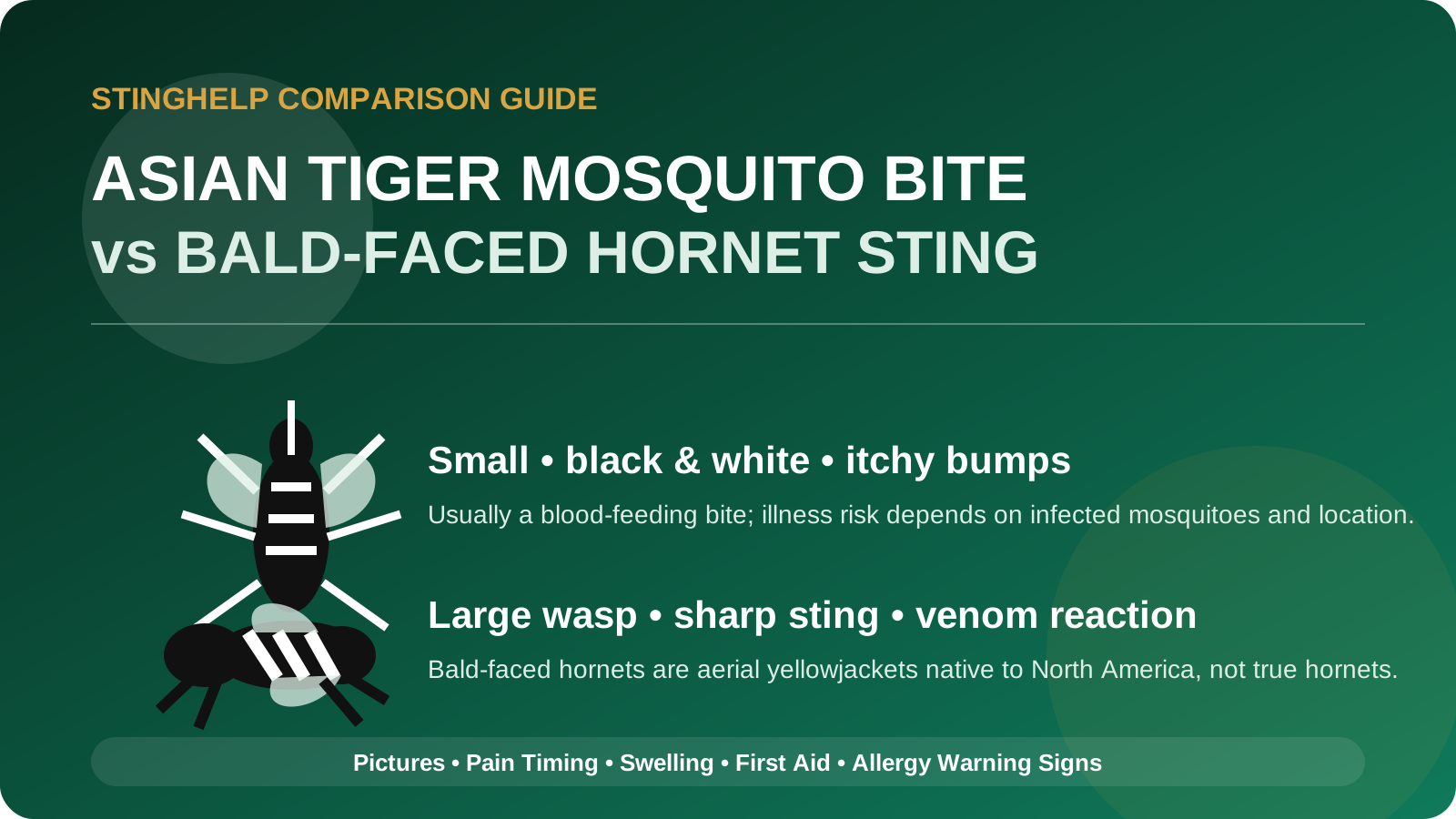
Direct answer: An Asian tiger mosquito bite is usually a blood-feeding bite that becomes itchy, while a bald-faced hornet sting is a venomous defensive sting that is more likely to cause immediate sharp pain and swelling. The insect, exposure setting, and timing are more useful than the skin mark alone.
People comparing asian tiger mosquito bite vs bald-faced hornet sting treatment differences are often trying to answer two questions at once: “What got me?” and “What should I do now?” The safest approach is to separate identification clues from medical warning signs. A red bump cannot reliably identify either insect, and the severity of the reaction matters more than the exact species when symptoms are rapidly worsening.
This guide is written for readers in the United States and Europe. That geographic context matters. The Asian tiger mosquito (Aedes albopictus) occurs in many warm and temperate areas, including parts of the United States and southern Europe. The bald-faced hornet (Dolichovespula maculata), despite its common name, is a North American aerial yellowjacket rather than a true hornet. A person in Europe who thinks they saw a “bald-faced hornet” should be especially cautious about making a species identification from memory or from a skin reaction.
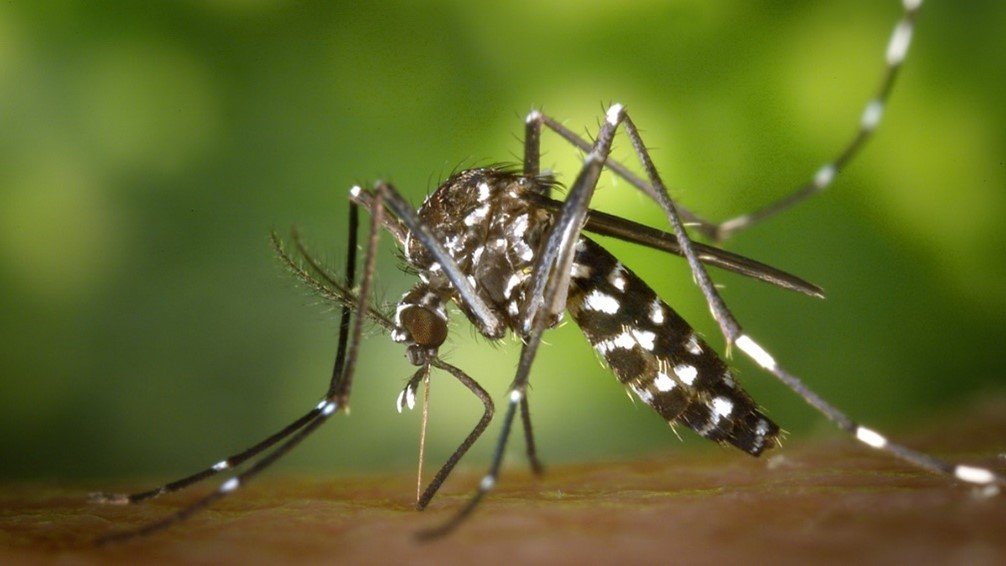
Asian tiger mosquito bite vs bald-faced hornet sting: quick comparison
| Clue | Asian tiger mosquito bite | Bald-faced hornet sting |
|---|---|---|
| Insect | Small, slender black mosquito with conspicuous white markings on the legs and body. | Much larger black-and-white social wasp; technically an aerial yellowjacket, not a true hornet. |
| Typical exposure | Blood-feeding attempt on exposed skin, often outdoors around homes, yards, gardens, or travel destinations. | Defensive sting after close contact with a worker or disturbance near an aerial paper nest. |
| Immediate sensation | May be mild, prickly, or unnoticed at first. | Usually immediately painful, sharp, or burning. |
| Common local reaction | Itchy red bump or wheal with variable local swelling. | Pain, redness, warmth, tenderness, and swelling around the sting site. |
| Important systemic concern | Mosquito-borne illness depends on whether infected mosquitoes and active transmission are present. | Venom allergy can cause anaphylaxis; multiple stings can also require medical evaluation. |
| Geographic clue | Established in many U.S. areas and parts of southern Europe. | Native to North America; a European sighting may involve a different wasp or hornet. |
| Can the skin mark prove it? | No. | No. |
What does an Asian tiger mosquito look like?
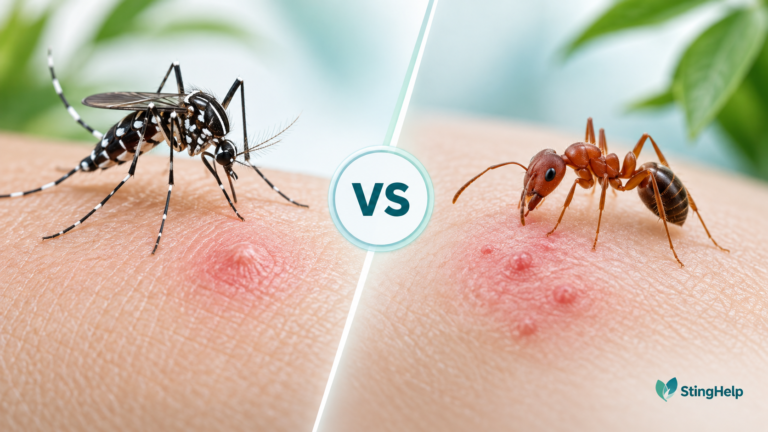
The Asian tiger mosquito is a small Aedes mosquito with a dark body and obvious white markings. CDC identification guidance describes Aedes albopictus as black with white bands on the legs and white markings on the body. Its delicate body, long legs, wings, and narrow feeding proboscis look very different from the heavier body of a social wasp.
Asian tiger mosquitoes can live in tropical, subtropical, and temperate climates. CDC range guidance also warns against treating a range map as a disease-risk map: a place that can support the mosquito does not automatically have infected mosquitoes or active local transmission. Local public-health surveillance, recent travel, and the illness pattern matter when evaluating possible mosquito-borne disease.
Aedes albopictus uses small water-holding containers for breeding around homes and communities. That makes buckets, plant saucers, toys, clogged gutters, birdbaths, and other standing-water sources relevant prevention targets. The mosquito can bite during daylight hours; activity can also be prominent around dawn and dusk.
What does an Asian tiger mosquito bite feel like?
The initial bite may feel like a tiny prick or may go unnoticed. Itching often becomes the dominant symptom afterward. A person may see one or more small red bumps, wheals, or areas of localized swelling on exposed skin. The amount of redness and itching varies widely from person to person, so a large bump does not by itself prove that the bite came from a particular mosquito species.
Several itchy bumps can appear when multiple mosquitoes are active or after repeated feeding attempts. Scratching can make the skin look angrier and can break the protective skin barrier, which is one reason gentle cleaning and avoiding scratching are useful parts of basic care.
What is a bald-faced hornet?
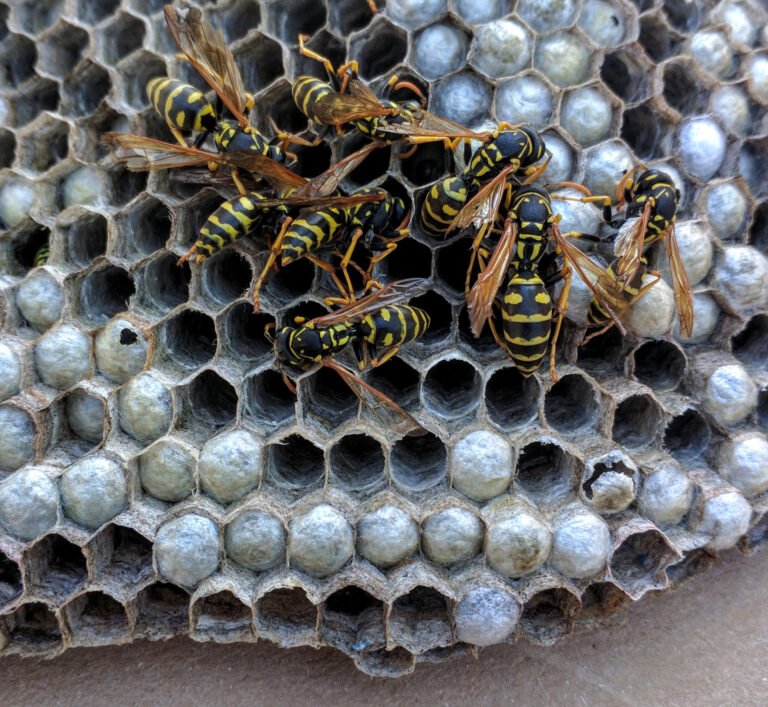
The bald-faced hornet, Dolichovespula maculata, is a member of the wasp family Vespidae. Penn State Extension explains that the common name is misleading: it is an “aerial yellowjacket,” not a true hornet. Adults are predominantly black with ivory-white markings on the face and additional white markings on the body.
Colonies build gray, papery, often football-shaped aerial nests in shrubs, trees, and sometimes on the outside of buildings. Social wasps defend their nests, so close approach, accidental contact, pruning near a hidden nest, or activity around eaves and landscaping can create a sting scenario. Females can deliver repeated stings when threatened.
Bald-faced hornets are native to North America. That makes geography an unusually useful clue in this comparison. In the United States and Canada, the species is widespread. In Europe, the label “bald-faced hornet” should not be accepted without a clear insect photograph or expert identification because other black-and-white or dark wasps may be involved.
What does a bald-faced hornet sting feel like?
A sting is more likely to be noticed immediately than a mosquito bite. The site can become sharply painful, burning, red, and swollen. A normal local reaction usually stays centered on the sting area, although swelling may take time to peak. Some people develop a large local reaction that spreads well beyond the immediate sting site.
A large local reaction can be dramatic and uncomfortable without being the same thing as anaphylaxis. The key distinction is whether symptoms remain local or become systemic. Trouble breathing, throat or tongue swelling, faintness, widespread hives with other symptoms, or rapidly progressive illness requires emergency action.
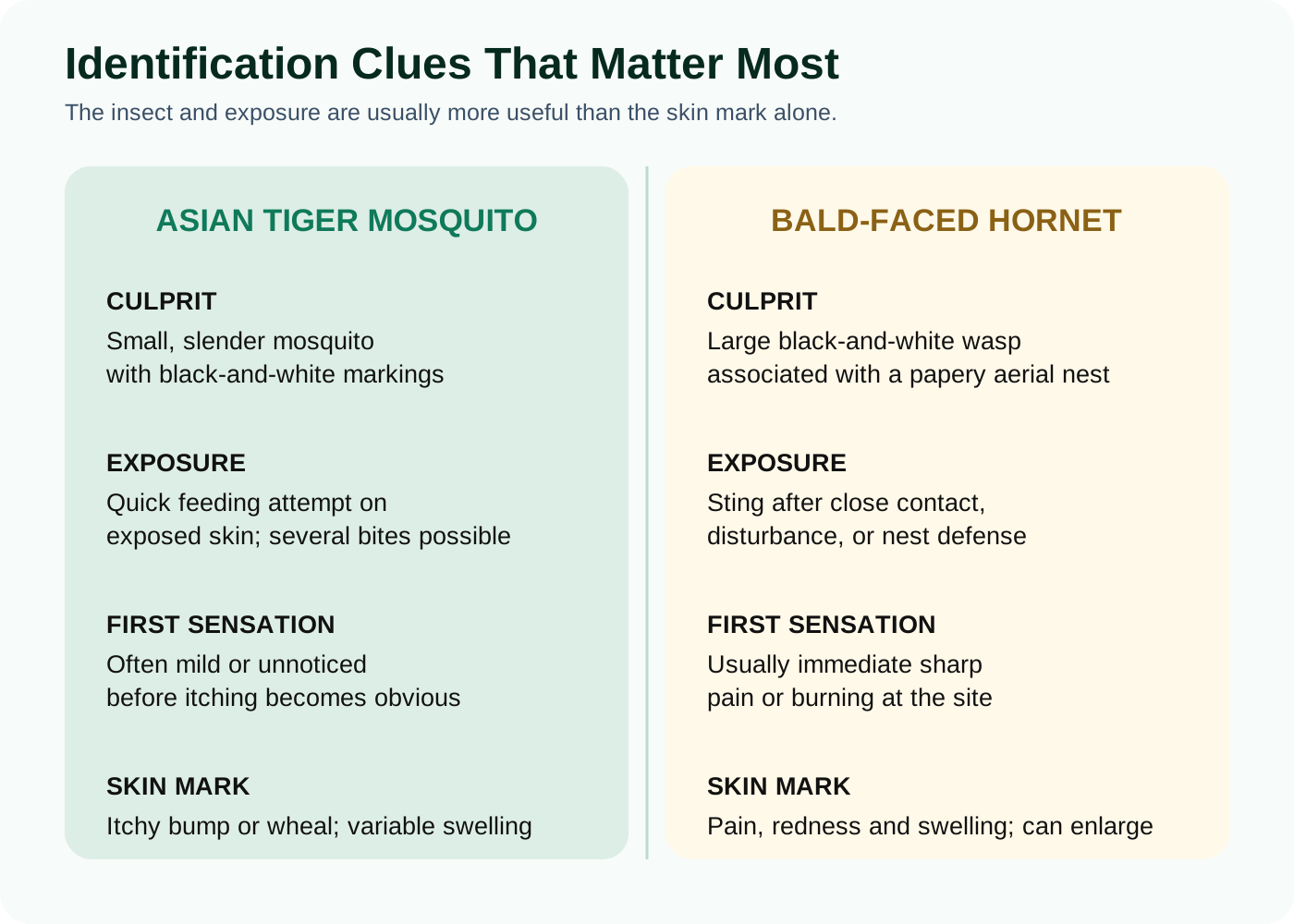
Pictures: what should you compare?
For asian tiger mosquito bite vs bald-faced hornet sting pictures, compare the insect before comparing the lesion. The two insects are not close lookalikes. An Asian tiger mosquito is small and delicate; a bald-faced hornet is a much larger black-and-white social wasp. If you photographed the insect or the nest from a safe distance, that image can provide more information than a close-up of a red bump.
Skin pictures are less specific. Mosquito bites and wasp stings can both produce redness, swelling, tenderness, or itching. A mosquito reaction can become large in a sensitive person, while a hornet sting can sometimes look like a relatively small red spot after the initial pain settles. Scratching, skin tone, prior exposure, medications, and individual immune response can all change the appearance.
Do not move closer to an active aerial nest to get a better photograph. Identification is not worth provoking defensive stings. If a nest is close to a doorway, play area, walkway, or work zone—especially where someone has a known severe sting allergy—professional pest-management advice is safer than attempting close inspection.
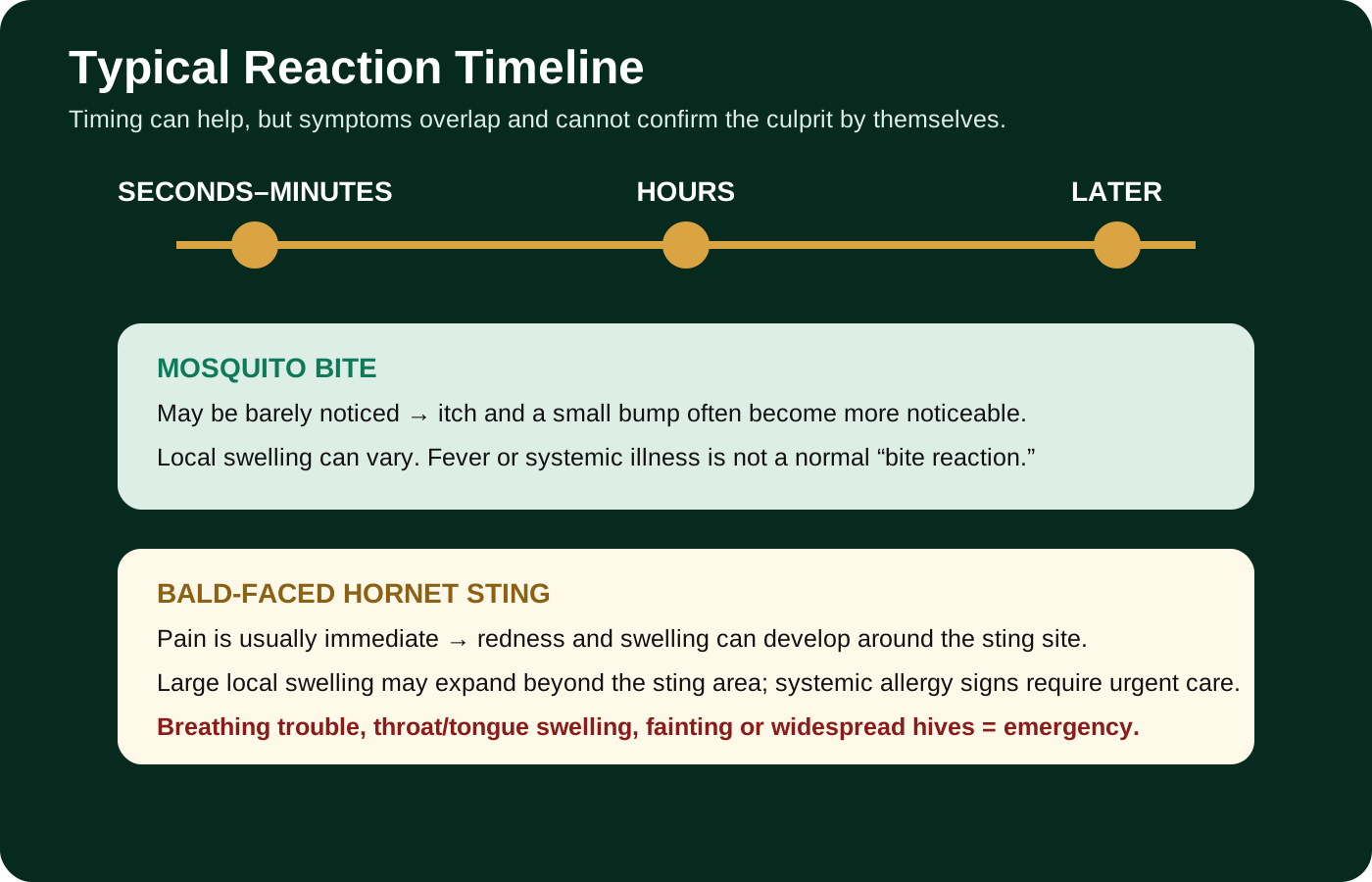
Reaction timeline: itch-first versus pain-first is useful, not definitive
Timing is one of the most practical differences. Asian tiger mosquito bites often become more noticeable as itching develops. A bald-faced hornet sting more often announces itself immediately with pain or burning. That distinction is helpful, but it is not perfect enough to diagnose the culprit by itself.
Over the next several hours, either exposure may produce localized redness and swelling. With a mosquito bite, itch usually remains prominent. With a hornet sting, pain and tenderness may remain more prominent, although itching can occur as well. A large local reaction after a sting may continue expanding beyond the immediate puncture area before gradually improving.
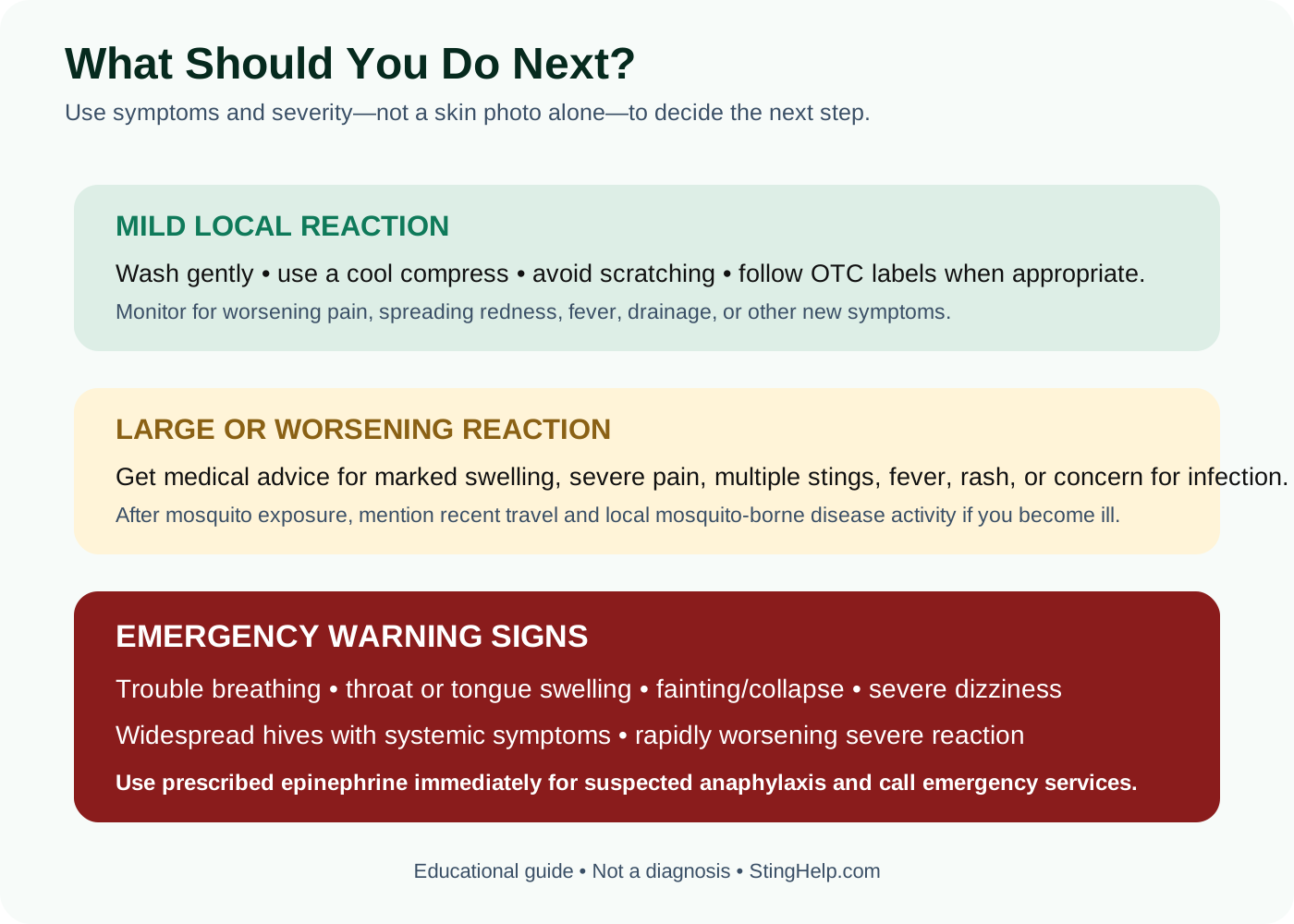
Asian tiger mosquito bite vs bald-faced hornet sting treatment differences
For a mild reaction, the early steps overlap: move away from the exposure, wash the skin gently, use a cool compress, and avoid unnecessary scratching or manipulation. The major difference is what you monitor for afterward. A mosquito bite raises questions about persistent itch and, in the right geographic or travel context, mosquito-borne illness. A hornet sting raises a more immediate concern for venom allergy and the possibility of additional stings if the nest or insects remain nearby.
Basic care for a typical mosquito bite
- Wash the area gently with soap and water.
- Use a cool compress for bothersome swelling or discomfort.
- Avoid scratching; keep fingernails clean if itching is intense.
- Use an appropriate over-the-counter anti-itch product only if it is safe for you and follow the label directions.
- Monitor for spreading redness, drainage, increasing pain, fever, or systemic illness.
If fever, rash, severe headache, marked joint pain, unusual bleeding, neurologic symptoms, or significant illness develops after mosquito exposure, especially after recent travel or during known local transmission, contact a healthcare professional and mention the exposure history. Those symptoms should not be dismissed as an unusually “bad bite.”
Basic care for a typical bald-faced hornet sting
- Move away from the insect and nest area to reduce the chance of another sting.
- Wash the site with soap and water.
- Apply a wrapped cold pack or cool compress in short intervals for pain and swelling.
- Use an appropriate over-the-counter pain or itch medicine only when safe for you and according to the label.
- Monitor for rapidly increasing swelling, widespread symptoms, or signs of infection.
People with a prescribed epinephrine auto-injector and a history of serious sting allergy should follow their personal emergency plan. Suspected anaphylaxis requires immediate epinephrine when prescribed and available, followed by emergency medical care. Antihistamines are not a substitute for epinephrine in anaphylaxis.
Mosquito-borne disease risk is different from venom allergy risk
CDC identifies Aedes albopictus as capable of transmitting viruses including dengue, chikungunya, and Zika. Transmission is not caused by the skin reaction itself; an infected mosquito must be involved. The presence of Asian tiger mosquitoes in a region therefore does not mean every bite carries a virus.
Disease risk can also change over time. A traveler returning from a region with active transmission may have a different risk profile from someone who was bitten in a place with no known local transmission. If illness develops, the location and dates of travel can be more clinically useful than how large the bite bump looked.
A bald-faced hornet sting has a different medical pathway. The concern is venom exposure. Most people develop only a local reaction, but people who are sensitized to insect venom can develop a systemic allergic reaction. Allergy organizations advise treating anaphylaxis as an emergency because symptoms can progress quickly.
How to recognize a large local sting reaction
A large local reaction means swelling extends well beyond the immediate sting site. For example, a sting on a finger may produce swelling that involves much of the hand. The reaction can be uncomfortable and may continue to enlarge for a period before improving. It is not automatically anaphylaxis, but medical advice is reasonable if swelling is marked, pain is severe, function is limited, or the diagnosis is uncertain.
Systemic symptoms change the level of concern. Hives away from the sting site, breathing difficulty, throat tightness, tongue swelling, dizziness, fainting, vomiting with other allergy symptoms, or a rapidly worsening whole-body reaction should be treated as a possible severe allergic reaction rather than a routine large local reaction.
When should you seek urgent or emergency care?
Call emergency services for trouble breathing, swelling of the tongue or throat, fainting or collapse, severe dizziness with other allergy signs, or another rapidly progressive severe reaction after a sting. If you have prescribed epinephrine for insect-sting allergy, use it according to your emergency plan rather than waiting to see whether symptoms improve.
Medical evaluation is also appropriate after numerous stings, major swelling, severe or persistent pain, signs of infection, or uncertain symptoms in a young child, older adult, pregnant person, or someone with significant medical conditions. After a mosquito bite, seek medical advice if systemic illness develops, particularly with recent travel or known local mosquito-borne disease activity.
How to prevent Asian tiger mosquito bites
CDC recommends EPA-registered insect repellents, loose long-sleeved shirts and pants when practical, intact window and door screens, and removal of standing water. Container-breeding Aedes mosquitoes can use surprisingly small amounts of water, so prevention works best when the entire property is checked regularly rather than focusing only on ponds or large water sources.
Because Asian tiger mosquitoes can bite during the day, prevention should not be reserved for nighttime. Travelers should also check destination-specific public-health guidance when dengue, chikungunya, Zika, or other mosquito-borne diseases are a concern.
How to reduce the chance of bald-faced hornet stings
Give visible aerial nests generous space. Avoid striking the nest, blocking its entrance, or creating vibration nearby. Be especially alert while trimming hedges, working around tree branches, cleaning eaves, or doing outdoor maintenance where a papery nest may be partly hidden by foliage.
If a nest is close to normal human activity, professional evaluation is sensible. This is particularly important when someone in the household has a known severe sting allergy. Do not use close-up photography, poking, spraying, or do-it-yourself nest disturbance simply to confirm the species.
What if you are not sure what caused the bite or sting?
Start with the event history. Did you see a tiny black-and-white mosquito land and feed? Did you feel sudden sharp pain near an aerial paper nest? Was the insect large and wasp-like? Did symptoms begin with itch or with immediate pain? These clues are more useful than trying to match a skin photo to images online.
Next, assess severity. Mild local symptoms can often be monitored with basic care. Worsening local symptoms deserve medical advice. Whole-body allergy symptoms after a sting require urgent action. Fever or systemic illness after mosquito exposure should be evaluated in the context of travel and local disease activity.
For more help, use the StingHelp What Bit Me? identification guide, review our bite and sting first-aid guide, and see the emergency warning signs guide. You can also compare prevention strategies in our bite and sting prevention hub and learn more from the mosquito bites hub. For additional comparisons and treatment articles, browse the StingHelp guide library.
Frequently asked questions
How can you tell an Asian tiger mosquito bite from a bald-faced hornet sting?
The most useful clues are the insect and the timing. Asian tiger mosquito bites often become itchy after a mild or unnoticed feeding bite. Bald-faced hornet stings usually cause immediate sharp pain. Skin appearance overlaps too much to identify the culprit reliably by the mark alone.
Which one usually causes more immediate pain?
A bald-faced hornet sting is more likely to cause immediate intense pain or burning because it is a venomous defensive sting. An Asian tiger mosquito bite may be felt as a small prick, but itching often becomes the more noticeable symptom afterward.
Can an Asian tiger mosquito bite cause disease?
Yes, an infected Aedes albopictus mosquito can transmit viruses such as dengue, chikungunya, or Zika. Actual risk depends on geography, travel, season, and current transmission. Most individual mosquito bites do not result in one of these illnesses.
Can a bald-faced hornet sting cause anaphylaxis?
Yes. Like other stinging wasps, bald-faced hornet venom can trigger a severe systemic allergic reaction in a sensitized person. Breathing difficulty, throat or tongue swelling, fainting, or a rapidly worsening whole-body reaction requires emergency treatment.
Are bald-faced hornets found in Europe?
Dolichovespula maculata is a North American species. If an insect in Europe is being called a bald-faced hornet, confirm the identification rather than relying on the common name or skin reaction. Different wasp and hornet species can look superficially similar.
When should I see a doctor if I cannot identify the insect?
Seek medical advice for major or progressive swelling, severe pain, signs of infection, fever or systemic illness, multiple stings, or symptoms that do not fit a mild local reaction. Call emergency services for breathing difficulty, throat or tongue swelling, fainting, or rapidly progressive severe symptoms.
Authoritative references
- CDC — Potential Range of Aedes Mosquitoes
- CDC — Aedes Mosquito Identification and Prevention
- Penn State Extension — Baldfaced Hornet
- American Academy of Dermatology — Bug Bites and Stings
- AAAAI — Stinging Insect Allergy
Bottom line
The main asian tiger mosquito bite vs bald-faced hornet sting treatment differences come from the type of exposure and the complication you are watching for. Mosquito bites are usually itchy blood-feeding reactions with disease risk determined by infected mosquitoes and local or travel exposure. Bald-faced hornet stings are painful venom exposures with an immediate allergy concern. Use the insect, location, timing, and symptom severity together rather than diagnosing from a skin photo.
Educational information for a U.S.- and Europe-focused audience. This article cannot diagnose the insect, allergy, infection, mosquito-borne illness, or another medical condition from a photograph and does not replace professional medical care.