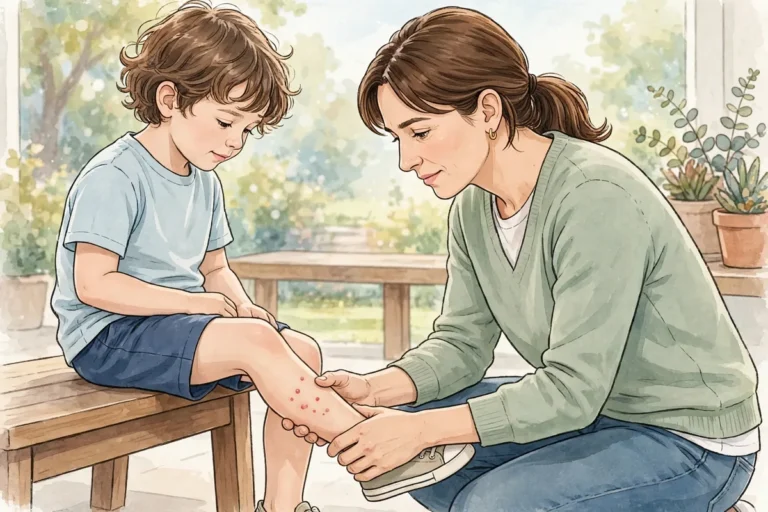
You are about to walk roughly 2,200 miles through the heart of tick country. From the Georgia woods in early spring to the Pennsylvania farmlands in summer and the New England forests beyond, the Appalachian Trail runs through states where tick encounters are simply part of the hike. Understanding tick bites Appalachian Trail thru-hikers prevention is basic safety gear that weighs nothing.
The numbers back it up. A LymeDisease.org review of an AT field study notes that estimates from hiker surveys suggest 5–9% of thru-hikers are treated for Lyme disease, and The Trek’s 2025 thru-hiker survey found 5% of respondents contracted Lyme — all of them using permethrin-treated clothing, daily tick checks, or both. This guide covers the prevention habits hikers actually use, the daily tick check, correct removal, and when to see a doctor. StingHelp never diagnoses — if a bite worries you, save the tick and see a healthcare professional.
Why the Appalachian Trail Is a Tick Hotspot
The AT is a 2,200-mile corridor through 14 states, and nearly all of it is prime tick habitat. The busiest months of a typical northbound hike — late spring through midsummer — overlap with nymph season, when the tiniest, hardest-to-spot ticks are most active. Low-elevation sections from the mid-Atlantic through New England are Lyme-endemic.
Field work behind the LymeDisease.org review found tick exposure was highest on the trail itself rather than at shelters or tenting areas — so prevention has to travel with you, not just live in camp.
Pennsylvania has the biggest reputation. One analysis cited by The Trek attributed roughly 30% of Lyme cases reported by AT hikers to Pennsylvania, a state covering only about 200 of the trail’s miles. Treat no state as safe, though — encounters are reported from Georgia to Maine. Stay tick-aware for the entire hike, not just the sections with a reputation.
Which Ticks You’ll Meet on the AT
The tick that matters most is the black-legged tick, also called the deer tick (Ixodes scapularis) — the species associated with Lyme disease in the eastern US. Its nymphs, the size of a poppy seed, are active in late spring and early summer, exactly when the biggest wave of northbound hikers is out. Adults are active in spring and fall too, so early starters and late finishers aren’t in the clear.
You’ll also see the lone star tick (Amblyomma americanum) in the southern and mid-Atlantic states — adult females show a single white spot — and the larger American dog tick (Dermacentor variabilis). Species identification is documentation for your doctor, not a mid-hike worry.
What to watch for after a bite is framed as a prompt to seek care, never as self-diagnosis. In the days to weeks after a bite, note anything unusual: an expanding rash or red area at the bite site, fever or chills, fatigue, muscle or joint aches, or swollen lymph nodes. Any of these after tick exposure is a reason to visit a clinic. Many early symptoms overlap with ordinary trail exhaustion, which is exactly why the call belongs to a healthcare professional.
Prevention That Thru-Hikers Actually Use
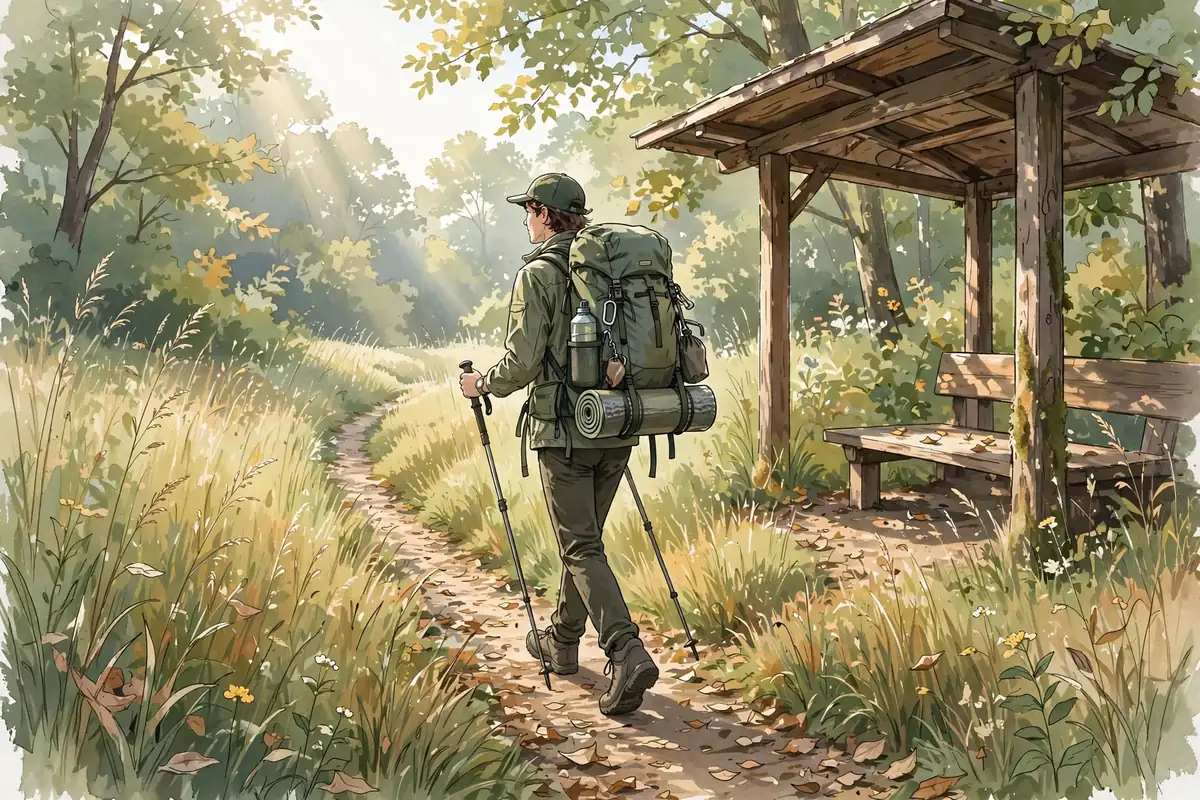
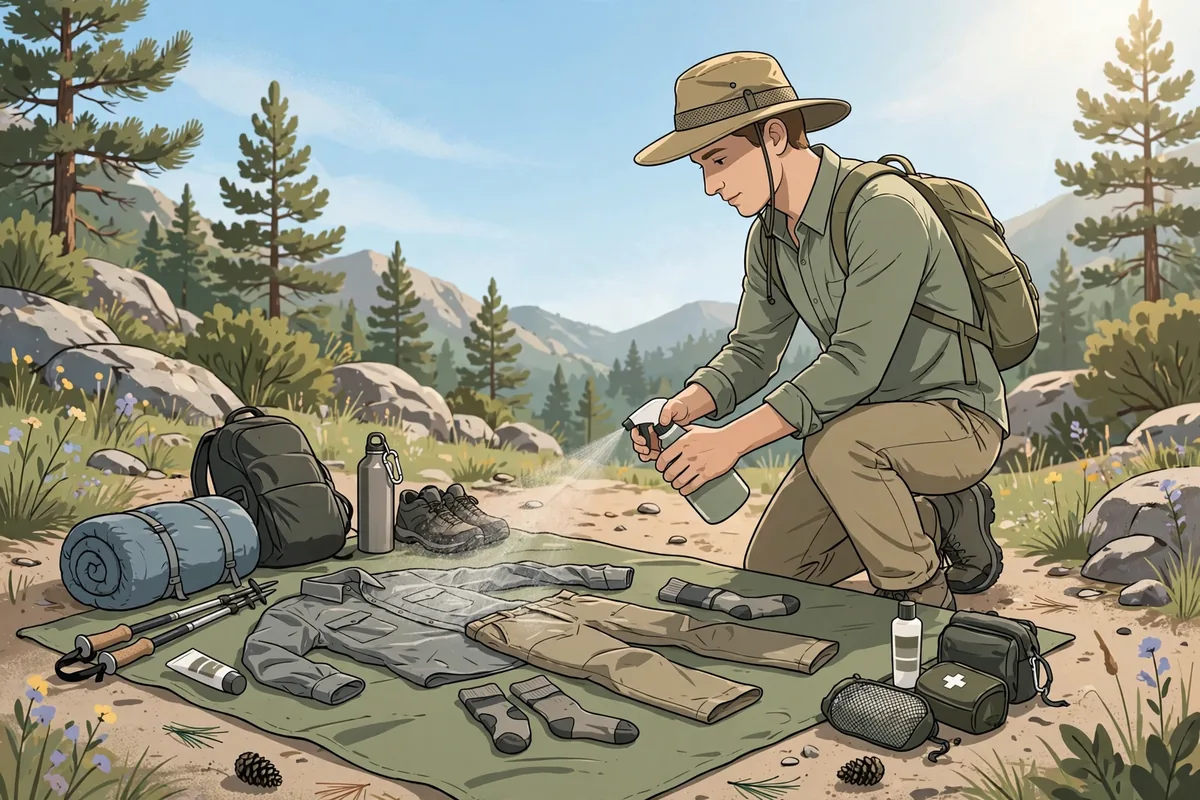
Ask at any shelter and one answer dominates: permethrin-treated clothing. The researcher behind the AT tick field study called it “the single most important thing you can do to protect yourself,” and The Trek’s survey data shows permethrin-treated clothes plus daily tick checks is the community standard. Note the distinction: permethrin goes on fabric and gear only — never on skin.
In practice, hikers treat their hiking shirt, pants or shorts, socks, and sometimes pack and tent floor at home before the hike. Spray-on products at the CDC-referenced 0.5% concentration go on in a well-ventilated area and must dry completely. One treatment lasts roughly six washings or about six weeks; factory-pretreated garments survive many more wash cycles. Most hikers re-treat at a town stop partway through. Follow the product label exactly.
Clothing habits multiply the effect. Long pants tucked into socks through tick-heavy sections block the route ticks use to climb on. Light-colored clothing makes crawling ticks easier to spot. Wide-brim hats and long sleeves add coverage, and snug-ankled pants serve the same purpose.
For exposed skin, an EPA-registered repellent used per its label adds a second layer — many hikers pair treated clothing with skin repellent during peak tick months. Think system, not single product: clothes, skin, checks.
The Daily Tick-Check Routine on Trail
A thru-hiker’s day ends the same way: tent or shelter, dinner, tick check. Doing it daily catches nymphs while they’re still wandering on clothing and skin rather than attached. Make it as automatic as filtering water.
Work in a set order. Start with clothing — ticks climb upward, so check pant cuffs, sock lines, and waistbands, and shake out your shirt before entering your sleeping bag. On your body, check behind the ears, the hairline, under the arms, around the waistband, inside the belly button, behind the knees, between the legs, and around the ankles. A small mirror, the kind in many hiking first-aid kits, helps with the back and scalp, and a hiking partner can cover what you can’t see.
Camp habits matter. Brush off clothing before entering the tent, keep packs zipped and off vegetation, and glance over your pad and bag before lights out. Hostel or trail-town showers are a chance for a thorough check under good light. Ticks hitchhike on packs, sit pads, and hammocks too — a two-minute gear check pairs with the campsite habits in our outdoor bite-prevention checklist. Five minutes a day, non-negotiable during tick season.
How to Remove a Tick Correctly
Finding an attached tick is unnerving, but removal is straightforward if you follow the CDC’s method. Carry fine-tipped tweezers — small, nearly weightless, and far better than wide-tipped household tweezers. Flat, credit-card-style tick tools work well for ultralight hikers too.
Grasp the tick as close to your skin’s surface as possible — the mouthparts, not the swollen body. Pull straight up with steady, even pressure. Don’t twist, jerk, or squeeze, since squeezing can push the tick’s body contents into the bite. Clean the bite area and your hands with rubbing alcohol, an alcohol swab, or soap and water.
What not to do matters just as much. Never smother the tick with petroleum jelly, nail polish, butter, or oil, and never use a hot match or flame to “back it out.” The CDC warns against these folklore methods because an irritated tick can release infected fluid into your skin. If mouthparts break off and stay in the skin, don’t dig — the CDC advises leaving them alone to work their way out. If you can’t remove the tick yourself, get to a clinic rather than improvising.
Save the Tick: Documenting Your Bite
After clean removal, save the tick instead of flushing or crushing it. The CDC suggests placing it in a sealed container or zip-top bag (or wrapping it tightly in tape). If symptoms develop later, showing the actual tick to a healthcare professional can help. For the full routine — labeling, storage time, and what tick-test results can and can’t tell you — see should you save a tick after a bite.
Document the bite while details are fresh. Photograph the bite site and the tick. Note the date, where on your body the bite happened, and where on the trail you were — nearest shelter, town, or state. If a rash or fever appears later, this record gives the clinician a clear timeline.
Back home, identification resources can confirm the species. Many state health departments and university cooperative extension programs offer tick identification — your local health department can point you to options. Keep the saved tick for a few weeks in case questions arise at a medical visit. Container, photo, notes: an anxious moment becomes a useful medical record.
Post-Hike Vigilance: Watching for Symptoms

The hike ends; tick-related symptoms can appear weeks later. Tick-borne illnesses don’t run on a hiker’s schedule — a rash or fever can surface days or weeks after a bite, and some hikers never connect a strange symptom to a bite they barely noticed in June.
For several weeks after finishing, especially if you remember tick bites on trail, watch for an expanding rash or new red area, fever, chills, fatigue, body aches, or joint pain. If anything appears, see a doctor and mention your months on the AT through tick country — that context helps the clinician decide what to check. Never diagnose yourself from a rash description or symptom list online.
Research underscores the point. A 2014 Lehigh Valley study of AT hikers found only about half could identify the characteristic Lyme rash from photos, and most hikers diagnosed with Lyme had never seen the tick that bit them. You may have been bitten without knowing it and may not recognize the warning signs — so give your bite and sting warning signs a second read once home, and see a professional early rather than waiting.
When to See a Doctor for a Bug Bite
Tick bites rarely become emergencies, but know the red flags before you need them:
- An expanding rash — a bull’s-eye shape, an expanding red area, or any spreading rash at or near a bite site. A seek-care sign, never a self-diagnosis.
- Fever or flu-like symptoms after tick exposure — fever, chills, fatigue, muscle or joint aches in the days to weeks after a bite.
- Fever with severe headache and rash in RMSF regions — Rocky Mountain spotted fever can progress quickly; the southern AT states are within its range, so this combination deserves prompt evaluation.
- You couldn’t remove the whole tick — mouthparts left behind, an unreachable tick, or a bite in a sensitive area like the eye or ear.
- Signs of infection — spreading redness, warmth, swelling, pus, red streaks, or increasing pain days later. These can signal cellulitis; see guidance on bug bite infection and when antibiotics are discussed with a doctor.
- An allergic reaction — difficulty breathing, swelling of the face or throat, dizziness, or spreading hives. These are anaphylaxis warning signs — call 911.
- Symptoms that worsen instead of improving, anything appearing weeks after a forgotten bite, or tetanus status unknown — deep or dirty outdoor wounds are a reason to check whether your booster is current.
Trail-town urgent care clinics see hikers routinely — don’t let being dirty and tired keep you from walking in. At home, your primary care doctor is the right call.
Frequently Asked Questions
Should I treat my clothes with permethrin before the AT?
Most thru-hikers do. Spray-on permethrin at the CDC-referenced 0.5% concentration goes on clothing and gear — never skin — in a ventilated area, then dries completely. One treatment lasts roughly six washings or six weeks, so plan a re-treat at a town stop mid-hike. Always follow the label.
How do I do a tick check alone in my tent?
Use a headlamp and a small mirror, working feet upward: ankles, behind the knees, inner thighs, waistband, belly button, underarms, chest, neck, behind the ears, hairline, and scalp. Check pant cuffs and sock lines too — ticks climb upward and settle in warm, hidden spots, so a consistent order keeps anything from being skipped.
My tweezers are in my resupply box. What do I do about an attached tick?
Remove it now with whatever clean method is available — fingers with a tissue or glove beat waiting, since sooner removal lowers risk. Pick up fine-tipped tweezers at your next resupply. Never use petroleum jelly, nail polish, or heat on a tick.
Can I get Lyme disease without ever seeing a tick?
Yes, and it’s common among hikers. Nymph ticks are poppy-seed sized; AT hiker research found most of those diagnosed with Lyme never saw the tick that bit them. Daily checks and post-hike symptom watching matter even without a remembered bite. If a rash or fever follows tick exposure, see a doctor and mention your hiking history.
Medically reviewed by Dr. Sarah Jones, MD.
This article is for informational purposes only and isn’t medical advice. If you’re worried about a bite or sting, talk to a healthcare professional.