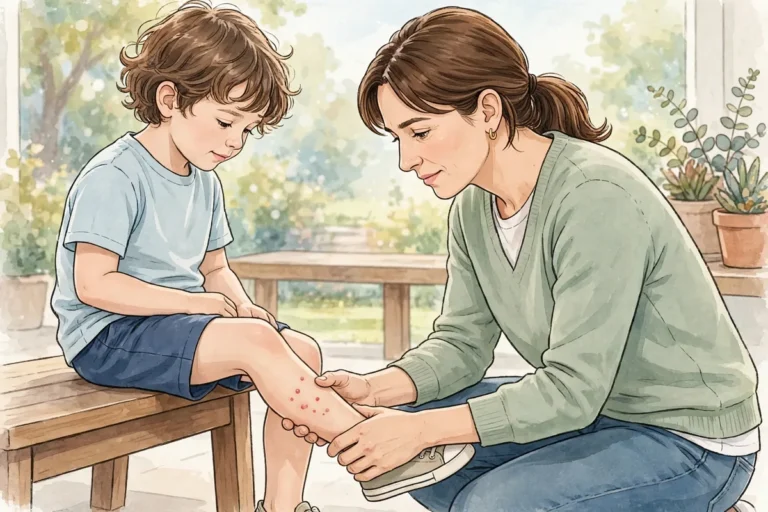
That babymoon — a warm beach, a family wedding abroad, a long-awaited visit home — feels like exactly what you need right now. But when you’re pregnant, even a single mosquito bite deserves a second thought. Two mosquito-borne viruses, Zika and dengue, are the reason: one is linked to birth defects, and the other can turn serious fast for expectant mothers.
Pregnant travelers’ mosquito precautions for Zika and dengue come down to three practical pillars: check the risks before you book, prevent bites diligently while traveling, and take the right steps after you return. The CDC’s guidance is direct — pregnant people should not travel to areas with Zika risk, and if the trip truly can’t wait, talk to your doctor first and follow strict bite-avoidance measures throughout.
This article walks through each pillar using current CDC guidance, so you and your OB can decide together.
Why Pregnancy Raises the Stakes
Most mosquito bites are just an itchy nuisance. For pregnant travelers, Zika and dengue rewrite that equation — for very different reasons.
Zika is usually mild for the person bitten — a few days of rash, low-grade fever, joint pain, or red eyes, if anything. The danger is to the developing baby: Zika can pass from a pregnant person to the fetus, and infection in pregnancy has been linked to microcephaly (a smaller-than-expected head size reflecting underdeveloped brain growth), other serious brain and eye birth defects, miscarriage, and stillbirth. CDC guidance applies to pregnant people in every trimester, with evidence suggesting the first trimester may carry particular concern. No Zika vaccine or treatment exists — avoiding bites is the entire strategy.
Dengue is a different threat. It typically begins with sudden high fever, severe headache, pain behind the eyes, intense muscle and joint aches (hence “breakbone fever”), nausea, and rash. Most people recover, but dengue can escalate to severe dengue — plasma leakage, bleeding, organ impairment — and a second infection carries higher severity risk than the first. Public-health agencies list pregnant women among those most vulnerable to severe illness, and dengue in pregnancy can pass the virus to the fetus. There is no specific treatment — care is supportive — and no dengue vaccine is widely recommended for US travelers. Prevention through bite avoidance is what protects you.
Before You Go: Check Notices and Talk to Your OB
Start with the CDC’s travel health pages, weeks before departure. Check the current Travel Health Notices for your destination — the CDC maintains notices for both Zika and dengue areas, and risk maps shift with outbreaks. If your itinerary touches an area with Zika transmission, take the headline advice seriously: pregnant people should not travel there. Planning a pregnancy? Discuss your itinerary and timing with your healthcare provider before booking anything.
Next, book a dedicated pre-travel visit with your OB — not a rushed question at a routine appointment. Bring your full itinerary and be honest about where you’ll sleep, since housing quality directly affects mosquito exposure. Ask what symptoms should prompt an urgent call, what to do if you develop a fever abroad, and how your doctor wants to handle follow-up after you return.
Weigh timing, too. If the trip is discretionary — a vacation, a skippable conference — postponing until after delivery is the simplest and safest option, and the CDC explicitly advises considering it. If travel is unavoidable, ask whether any part of the itinerary can avoid lower elevations and rural areas, since these mosquitoes thrive below about 6,500 feet. In the same visit, review other regional vaccines, food and water precautions, and pregnancy-covering travel insurance — and run through our outdoor bite prevention checklist as a packing cross-check.
Repellent Safety in Pregnancy

The reassuring news: the CDC treats insect repellent as a normal part of pregnancy-safe travel health. EPA-registered repellents are considered appropriate when used as directed, and the CDC has specifically stated that repellents containing DEET, picaridin, or IR3535 are safe for pregnant and nursing women when used according to the product label. That matters, because skipping repellent in a Zika or dengue area carries the larger risk.
Still, pregnancy is when one-size-fits-all advice should give way to a personal conversation. Before you buy or pack anything, talk to your doctor or OB about which product fits your situation — pregnancy-specific decisions start with your clinician. Bring the product label to your appointment if you have one in mind, then follow it exactly: apply only as directed, keep it away from eyes, mouth, and open wounds, and wash it off when you come back indoors.
Clothing is your second layer of defense — also worth discussing with your doctor. Permethrin-treated clothing and gear is part of the CDC’s prevention toolkit for Zika areas: treat items before the trip, never while wearing them, and the treatment survives several washes. Pair that with long sleeves, long pants, and closed shoes when mosquitoes are most active.
Finally, build repellent into your daily routine like sunscreen: apply sunscreen first, let it dry, then apply repellent — reapplying only as the label directs. Protected skin plus protected clothing does most of the heavy lifting all trip.
Your On-Trip Bite-Avoidance Routine
The mosquitoes behind Zika and dengue — Aedes aegypti and its cousins — break the dusk-only-biter stereotype: aggressive daytime biters that live in and around homes, so protection is an all-day job. The good news: a simple daily routine covers nearly all of it.
Start with your morning outfit: long sleeves, long pants, and closed shoes reduce available skin, and light colors make landed mosquitoes easier to spot. Wear your permethrin-treated pieces for daytime outings, hikes, and market visits — where exposure runs highest.
Treat repellent as a non-negotiable morning step, like brushing your teeth: apply to exposed skin after sunscreen, carry it with you, and reapply only as the label directs — especially after swimming or heavy sweating. Learn when mosquitoes bite most actively so you can plan indoor breaks during peak hours — but Aedes mosquitoes also bite indoors, in shade, and on cloudy days, so stay covered regardless.
Inspect your room on arrival: choose air-conditioning or intact window screens, and keep doors closed. If screens are damaged or absent, sleep under a mosquito net tucked under the mattress with no gaps, and run a fan or the AC — moving air makes landing harder. Do a quick evening sweep under the bed, behind curtains, and in the bathroom before settling in.
Finally, starve them out: Aedes mosquitoes can breed in as little as a spoonful of standing water, so empty saucers, buckets, and containers around your lodging, and report persistent breeding sites to your host or staff.
If You Get Bitten
First, don’t panic — a bite is an exposure risk, not a diagnosis. What matters is what you do next, and during pregnancy the threshold for calling your doctor is deliberately low.
For an ordinary itchy bite while pregnant, the basics apply: resist scratching, keep the area clean, and use a cool compress. For pregnancy-specific guidance on soothing bites, see our guide to bug bite treatment during pregnancy — and ask your OB before applying anything medicated.
Watch yourself the way your doctor asked you to. Zika symptoms — fever, rash, joint pain, red eyes — can appear within about two weeks of a bite, and many infections cause no symptoms at all, so follow-up matters even if you feel fine. Dengue usually announces itself more loudly: sudden high fever, severe headache, pain behind the eyes, intense muscle and joint aches, nausea, or rash within about two weeks.
Fever in pregnancy always warrants a prompt call to your OB — after travel to a Zika or dengue area, it’s non-negotiable. Tell the clinician exactly where you traveled and when, since that history shapes testing and care. One caution: public-health guidance advises against aspirin for dengue-like illness because of bleeding risk, and pregnancy adds its own medication constraints — so don’t reach for pain or fever remedies on your own; ask your doctor instead. If symptoms appear while you’re still abroad, seek local care promptly, mention your pregnancy and travel history up front, and keep your OB’s details and insurance info saved offline on your phone.
After You Return Home
The precautions don’t end at the arrivals gate. Keep preventing bites at home for several weeks: if you were infected abroad without knowing it, a local mosquito that bites you could pick up the virus and start local transmission. Keep using repellent, screens, and mosquito-proofing habits around the house — a small effort that protects your neighborhood.
Zika’s other route needs a frank talk with your partner: it can spread through sex, and the CDC advises that if a sex partner lives in or has traveled to a Zika-risk area, couples should use condoms correctly every time or avoid sex during the pregnancy. Couples planning a future pregnancy after possible exposure should discuss timing with a healthcare provider — the CDC cites minimum waiting timeframes of at least 3 months for men and at least 2 months for women. Your OB can help apply these to your situation.
Stay alert for symptoms for about two weeks after you get home, and tell every clinician about your recent travel — that one sentence can change which tests are ordered. If you develop fever, rash, joint pain, or red eyes in that window, call your OB promptly. Finally, debrief with your OB at your next visit: where you went, how well prevention worked, and whether follow-up testing makes sense. That closes the loop — and gives you a tested playbook for your next trip, ideally after the baby arrives.
When to See a Doctor for a Bug Bite

- Call 911 for anaphylaxis: trouble breathing, swelling of the face, lips, or throat, dizziness or fainting, or hives spreading rapidly across the body. Learn the full warning signs of anaphylaxis.
- Suspected infection: spreading redness, warmth, swelling, pus, or red streaks around a bite, especially with fever — possible cellulitis, which needs prompt treatment.
- A bite that worsens after 24–48 hours or shows no improvement after several days of basic care.
- Pregnancy-specific red flags after travel: any fever during or after a trip to a Zika or dengue area — call your OB promptly. Also call for rash, joint pain, or red eyes (possible Zika), or severe headache, pain behind the eyes, severe abdominal pain, or unusual bleeding (possible severe dengue) — and seek urgent care mentioning your travel history.
- Review the broader bite and sting warning signs if you’re unsure whether your symptoms fit.
Frequently Asked Questions
Can I use insect repellent while pregnant?
EPA-registered repellents are considered appropriate when used as directed, and the CDC has stated that products containing DEET, picaridin, or IR3535 are safe for pregnant and nursing women when used according to the label. Still, talk to your doctor first about which product fits your pregnancy, and follow the label exactly.
Should I cancel my trip to an area with Zika risk?
The CDC advises pregnant people not to travel to areas with Zika risk. If the trip is optional, postponing until after delivery is simplest. If travel is unavoidable, see your doctor beforehand and follow strict bite prevention throughout.
Can Zika spread through sex?
Yes. Zika can be transmitted sexually, which is why the CDC advises barrier protection or abstinence during pregnancy if a partner has traveled to an area with Zika risk. Couples planning pregnancy after possible exposure should discuss timing with a healthcare provider.
Is there a dengue vaccine I can get before traveling?
No dengue vaccine is widely recommended for US travelers, so bite prevention is the strategy: EPA-registered repellents, protective clothing, and screened or air-conditioned lodging.
How long should I keep taking precautions after I return?
Keep preventing bites at home for several weeks after returning from an outbreak area, and watch for symptoms for about two weeks. For Zika, partners should follow CDC sexual-transmission precautions — during pregnancy, that means protection for the duration if exposure occurred.
Medically reviewed by Dr. Sarah Jones, MD.
This article is for informational purposes only and isn’t medical advice. If you’re worried about a bite or sting, talk to a healthcare professional.