Direct answer: An American dog tick bite and a wolf spider bite can both leave redness, tenderness, or a small bump, so a skin photo alone is unreliable. A dog tick may remain attached and feed with little initial pain. A wolf spider usually bites defensively when trapped and causes immediate local pain or swelling before leaving.
People searching for american dog tick bite vs wolf spider bite treatment differences are comparing two very different exposure patterns. The American dog tick (Dermacentor variabilis) is a blood-feeding tick that can transmit RMSF and tularemia. Wolf spiders are active hunting spiders found throughout the United States; their bites can hurt, but their venom is not considered dangerous to most people.
This U.S.-focused guide compares pictures, symptoms, treatment differences, warning signs, and prevention. It also explains why seeing the actual tick or spider matters more than trying to diagnose the cause from a red mark alone.
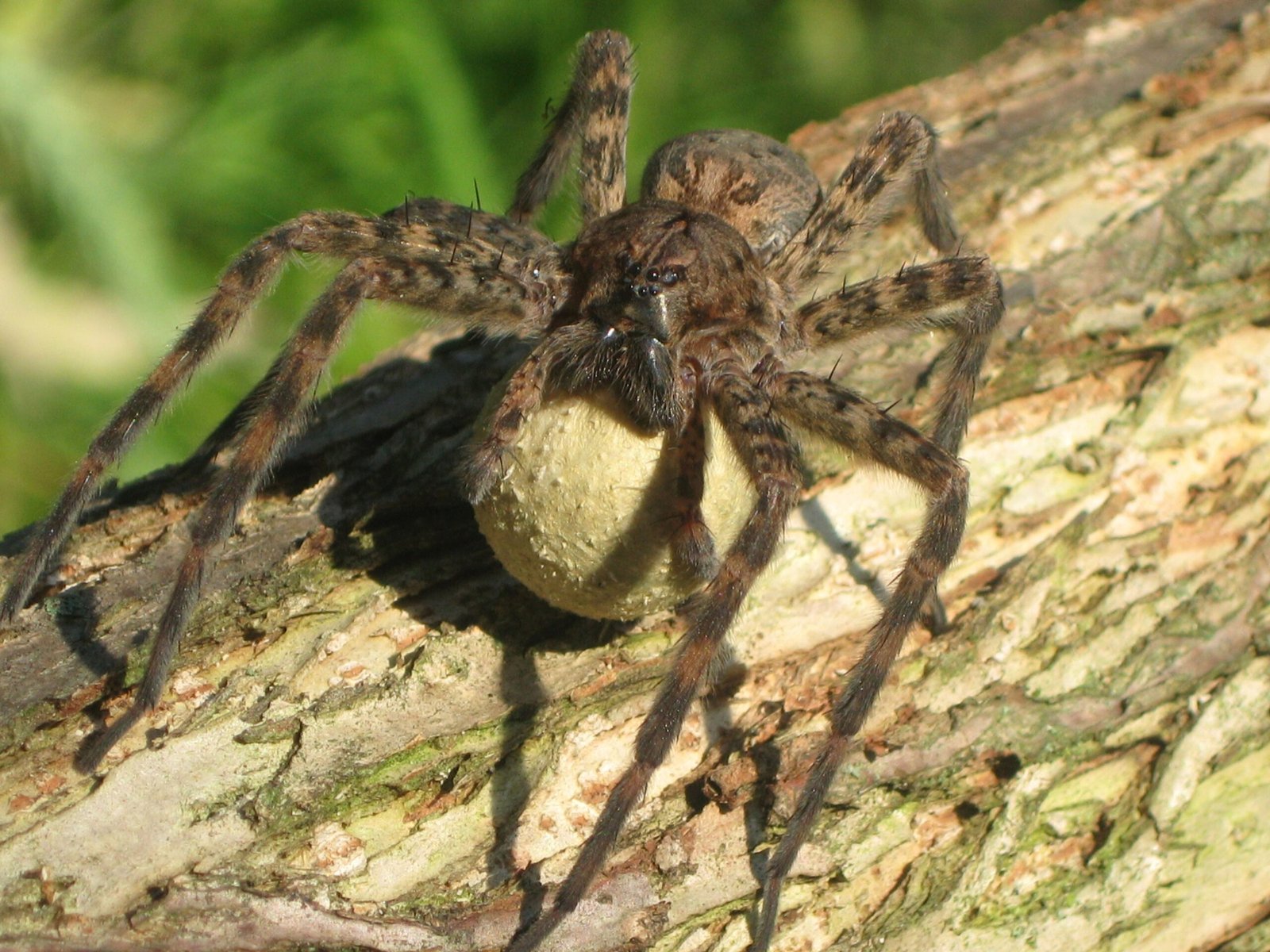
American dog tick bite vs wolf spider bite treatment differences: quick comparison
| Clue | American dog tick bite | Wolf spider bite |
|---|---|---|
| Exposure pattern | Tick attaches to skin and feeds over time. | Spider usually bites defensively when trapped, handled, or pressed against skin. |
| Pain at first | May be mild or unnoticed. | Can cause immediate pain or a sharp pinch. |
| Does the culprit remain? | Often yes; the tick may stay attached until removed. | Usually no; the spider typically retreats after contact. |
| Typical local reaction | Small red bump, mild irritation, or little visible change. | Redness, pain, swelling, itching, and sometimes visible fang-like punctures. |
| Main medical concern | Possible RMSF or tularemia transmission. | Usually local pain and swelling; most wolf spider bites are not medically dangerous. |
| First priority | Remove the attached tick promptly with fine-tipped tweezers. | Wash the bite, use a cool compress, and monitor symptoms. |
| When to seek care | Fever, severe headache, rash, neurologic symptoms, or worsening systemic illness. | Persistent or worsening symptoms, breathing difficulty, spreading rash, major swelling, infection signs, or symptoms inconsistent with a mild bite. |
What an American dog tick bite usually looks and feels like
An American dog tick can attach without creating a dramatic sensation. People may discover the tick during a shower, clothing change, post-hike check, or pet grooming. The tick can remain attached for hours or longer and become larger as it feeds.
After removal, the bite site may show a small red bump, mild itching, tenderness, or almost no reaction. Repeated scratching or digging at the site can make it look worse. A local red mark does not tell you whether the tick transmitted a pathogen.
CDC surveillance updated July 2, 2026 describes the American dog tick as widely distributed east of the Rocky Mountains, with limited established areas west of the Rockies. Adult female ticks are most likely to bite people, and risk is often highest in spring and summer.
The concern can appear after the bite mark fades
The American dog tick can transmit Rickettsia rickettsii, which causes Rocky Mountain spotted fever (RMSF), and Francisella tularensis, which causes tularemia. Most tick bites do not automatically result in disease, but symptom monitoring is important.
Seek medical advice when fever, severe or persistent headache, rash, marked fatigue, muscle aches, neurologic symptoms, significant vomiting, or worsening systemic illness develops after a relevant tick exposure. RMSF can become serious quickly, and a rash may be absent early.
What a wolf spider bite usually looks and feels like
Wolf spiders are large, fast ground-hunting spiders in the family Lycosidae. They are common throughout the United States and can be found in grass, leaf litter, gardens, wood piles, sheds, basements, garages, and other places where insects are abundant.
Cleveland Clinic notes that wolf spiders are not usually aggressive toward people. Bites happen mainly when the spider feels threatened, such as when it is trapped against the skin, inside clothing or gloves, or handled.
A wolf spider bite can puncture the skin and cause a red bump, pain, itching, and swelling. Because the spider can be fairly large, the bite may be uncomfortable. However, wolf spider venom is not considered dangerous to humans in the way black widow venom can be.
How long do wolf spider symptoms usually last?
For most people, local symptoms improve over several days with basic care. Cleveland Clinic describes typical management as cleaning the skin, using a cold pack, and treating mild itching or pain when appropriate.
If symptoms keep getting worse, persist beyond the expected course, or involve significant whole-body symptoms, the person should be evaluated rather than assuming the problem is still a routine wolf spider bite.
Pictures: why the actual animal matters more than the bite mark
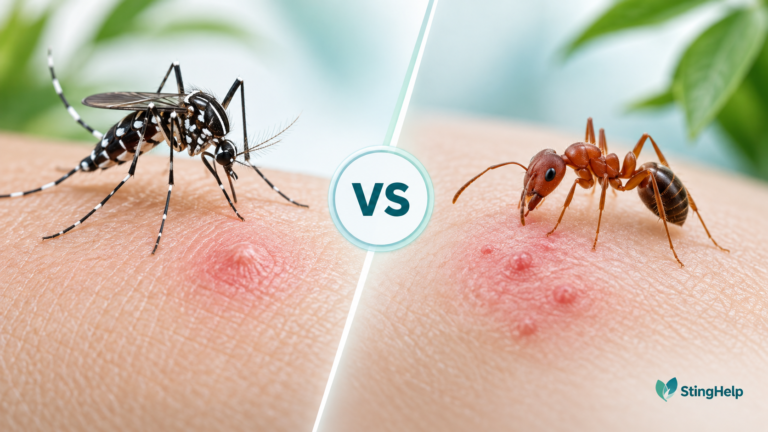
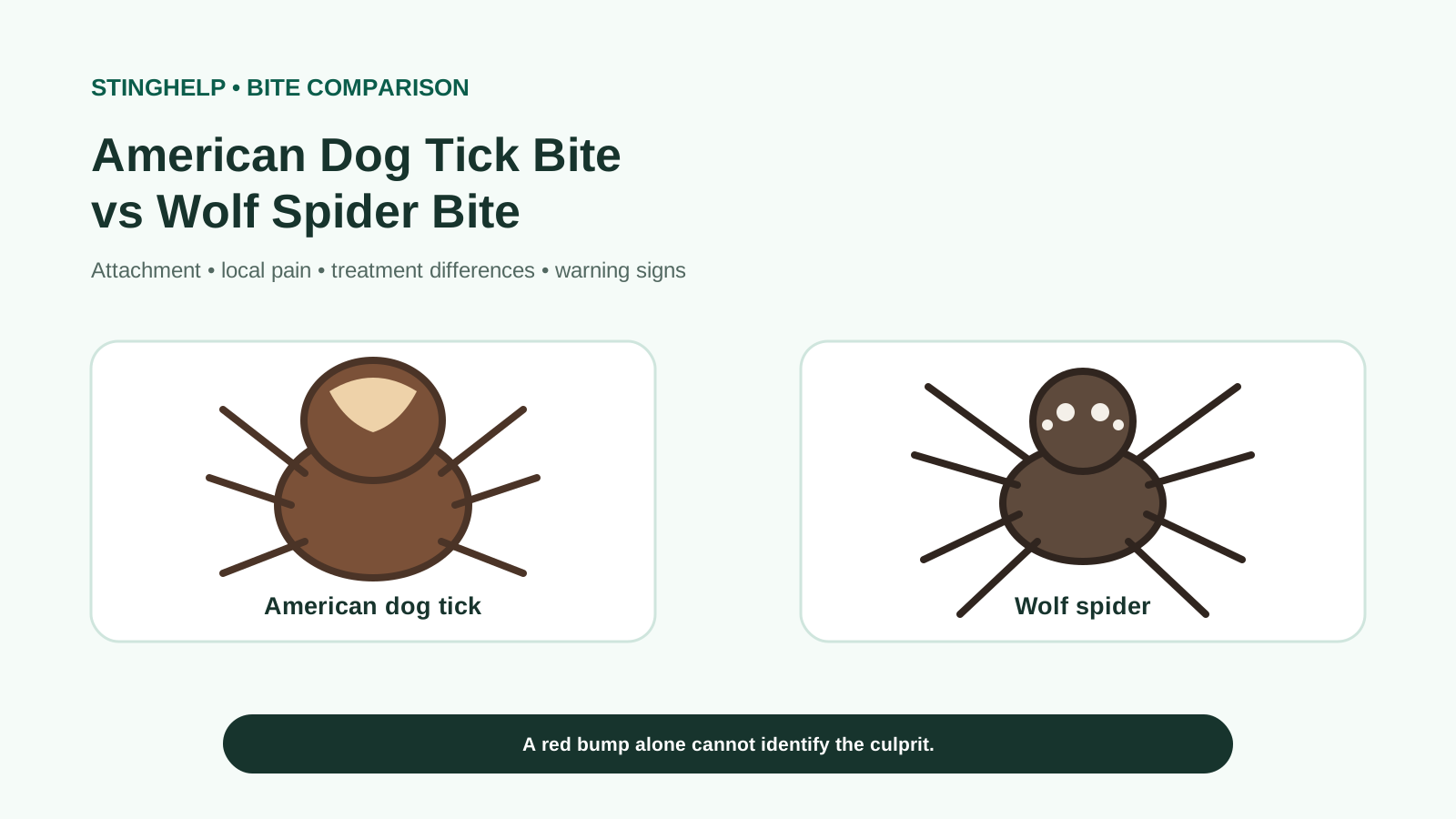
American dog ticks and wolf spiders look completely different, but their skin reactions can overlap. Both can leave a small red, tender, or itchy area. That makes american dog tick bite vs wolf spider bite pictures of skin less useful than pictures of the actual culprit.
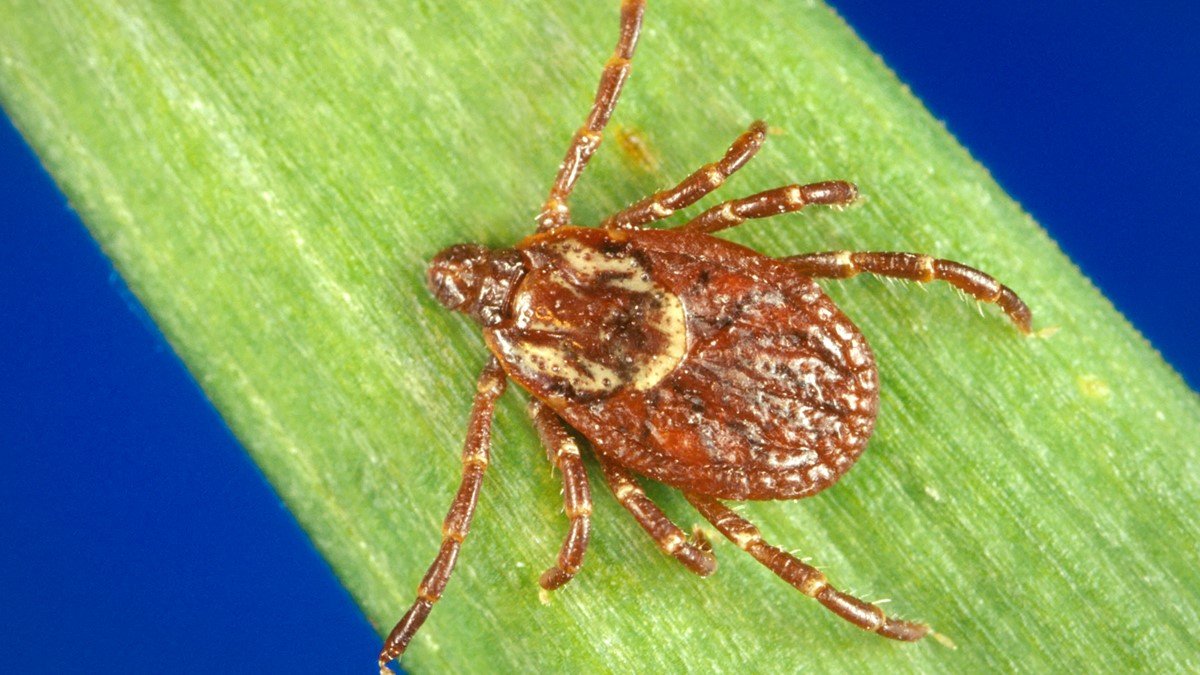
An adult American dog tick has eight legs, a compact oval body, and pale ornate markings. It may be physically attached to the skin when discovered. A wolf spider is a much larger free-moving spider with a distinct cephalothorax and abdomen, strong legs, and prominent eyes.
Seeing the spider is the strongest way to support a wolf spider diagnosis. Cleveland Clinic notes there is no test that can determine which spider species bit someone from the skin lesion alone.
Wolf spider vs brown recluse confusion
Wolf spiders can be mistaken for brown recluses because both may be brown. However, wolf spiders tend to be larger and hairier and have a different eye pattern. Brown recluses have six eyes and a characteristic violin-like marking, though visual identification should not be attempted from a skin lesion.
If tissue damage, severe systemic symptoms, or unusual progression occurs after a supposed “wolf spider bite,” the diagnosis should be reconsidered.
The biggest treatment difference: remove the tick vs use local spider-bite care
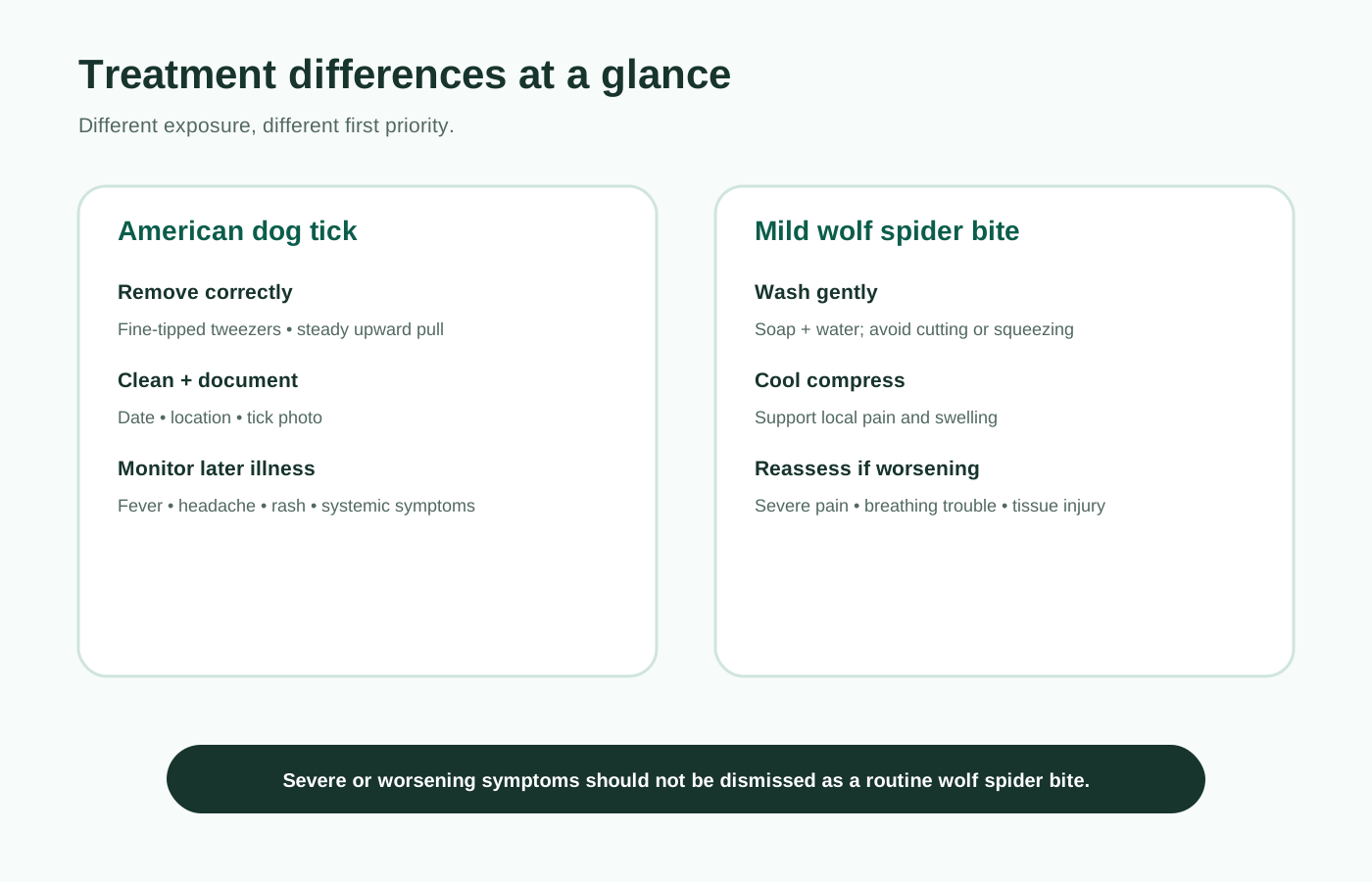
The practical american dog tick bite vs wolf spider bite treatment differences begin with whether the arthropod is still attached.
American dog tick first aid
- Use clean fine-tipped tweezers.
- Grasp the tick as close to the skin as possible.
- Pull upward with steady, even pressure.
- Avoid twisting, jerking, burning, crushing, or coating the tick with petroleum jelly, nail polish, gasoline, or essential oils.
- Clean the bite site and your hands afterward.
- Record the date and likely exposure location.
- Take a clear photograph of the tick if identification may be useful.
If a small fragment remains and cannot be removed easily, avoid repeatedly digging into the skin. Keep the area clean and monitor it.
Mild wolf spider bite first aid
- Wash the bite gently with soap and water.
- Apply a wrapped ice pack or cold, damp cloth for short intervals.
- Elevate the affected area if swelling is bothersome and elevation is practical.
- Avoid scratching, cutting, squeezing, or suction.
- Use appropriate over-the-counter pain or itch relief only when safe for the person and according to the label.
- Monitor for worsening symptoms or infection.
AAD guidance supports simple home care for many mild bug bites and stings, including cold packs for swelling and appropriate anti-itch treatment. Serious symptoms need medical assessment.
Why a tick-borne disease risk is different from spider venom
The American dog tick is medically important as a vector. Its primary public-health concern is not the small local bump but the possibility of transmitting an infectious organism while feeding.
A wolf spider uses venom to subdue prey, but its venom is not generally dangerous to humans. Most confirmed bites cause local symptoms rather than a serious venom syndrome.
This difference changes what you monitor. After a dog tick bite, later fever, headache, rash, or systemic illness matters. After a mild wolf spider bite, local pain and swelling should generally trend toward improvement.
What symptoms after a dog tick bite deserve medical attention?
Contact a healthcare professional if fever, severe headache, rash, unusual fatigue, muscle aches, neurologic symptoms, significant vomiting, or worsening systemic illness develops after a relevant tick exposure.
Tell the clinician when and where the tick was found. If you have a clear tick photo, share it. Do not wait for a dramatic rash before seeking care when significant illness develops.
Also seek evaluation for increasing warmth, spreading redness, pus, drainage, red streaking, fever, or pain that gets worse instead of better at the bite site.
What symptoms after a wolf spider bite deserve more attention?
Cleveland Clinic recommends medical attention if symptoms persist or worsen and identifies warning symptoms such as spreading rash or itching, dizziness, difficulty breathing, nausea, vomiting, severe headache, sweating, weakness, or other concerning changes.
Those symptoms do not automatically prove the bite came from a dangerous spider. They are reasons to stop relying on the assumed identification and seek appropriate medical evaluation.
Signs of secondary infection, including worsening warmth, drainage, red streaking, fever, or progressive pain, also deserve assessment.
Why wolf spider bites are commonly misidentified
Many supposed “wolf spider bites” are diagnosed after a person notices a red or painful skin lesion but never sees a spider bite. That creates uncertainty because bacterial skin infections, inflamed hair follicles, contact irritation, bites from other arthropods, and minor wounds can all produce a red bump or tender area. A wolf spider found nearby does not prove it caused the lesion.
For a stronger exposure history, document whether the spider was actually seen trapped against the skin, inside a glove or shoe, under clothing, or in bedding at the moment symptoms began. If a clear photograph of the spider can be taken safely, it may help identification. Do not handle or capture a spider in a way that risks another bite.
What to document after a possible American dog tick bite
For a tick exposure, record when the tick was found, where the person had been outdoors, how it was removed, and whether it appeared flat or engorged. Save a clear photograph of the tick when possible. Those details can be more useful later than repeated close-up photographs of a nonspecific red bump.
Also note the date symptoms begin. A tick-borne illness may develop after the local bite reaction has already improved. Fever, severe headache, rash, unusual fatigue, body aches, or neurologic symptoms after a plausible exposure deserve medical attention even if the original bite site looks minor.
What to document after a possible wolf spider bite
Record whether pain was immediate, whether the spider was actually observed, how quickly swelling developed, and whether the symptoms are improving over the next one to three days. A mild confirmed wolf spider bite should generally trend toward less pain and swelling, not progressive tissue destruction or worsening systemic illness.
If symptoms become more severe instead of improving, reconsider the assumed diagnosis. Severe tissue injury, major muscle cramping, repeated vomiting, breathing difficulty, fainting, or a rapidly spreading painful lesion is not the expected course of a simple wolf spider bite and deserves professional evaluation.
Original decision guide: which clues deserve the most weight?
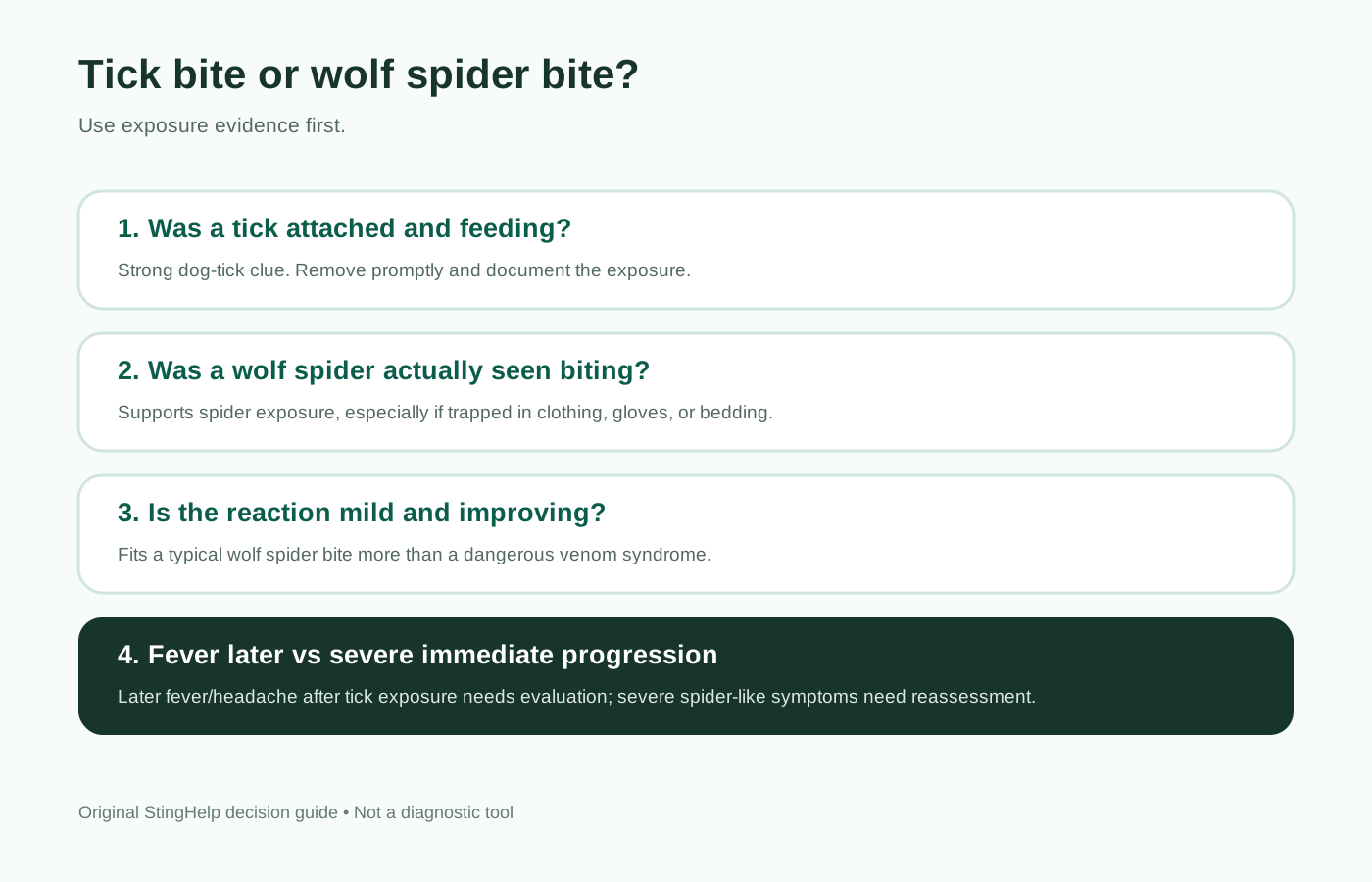
| Question | More consistent with American dog tick | More consistent with wolf spider |
|---|---|---|
| Was the arthropod attached and feeding? | Strong tick evidence. | Not typical. |
| Was a large ground-hunting spider seen biting? | No. | Supports wolf spider exposure. |
| Was the mark found after grass, brush, hiking, hunting, or pet exposure? | Supports tick exposure. | Possible but not specific. |
| Was the spider trapped in gloves, clothing, bedding, firewood, or a storage area? | Less typical. | Supports a defensive wolf spider bite scenario. |
| Did fever, headache, or rash develop later? | Raises concern for tick-borne illness. | Not typical of a mild wolf spider bite and should be evaluated. |
| Is the only clue a red swollen bump? | Insufficient. | Insufficient. |
When should someone seek emergency care?
Call emergency services for trouble breathing, swelling of the tongue or throat, collapse, seizure, severe confusion, inability to stay awake, or another rapidly progressive life-threatening symptom after any arthropod exposure.
Wolf spider bites are usually mild, so a severe reaction should prompt urgent evaluation and reconsideration of the cause. Likewise, severe systemic symptoms after a tick exposure should not be dismissed because the bite mark looks small.
How to prevent American dog tick bites
Use EPA-registered repellents according to the label, wear protective clothing in tick habitat, consider permethrin-treated clothing or gear when appropriate, and avoid brushing against dense vegetation when practical.
Perform a full-body tick check after outdoor activity. Check the scalp, behind the ears, under the arms, around the waist, behind the knees, between the legs, and around the groin. Check pets, clothing, backpacks, and outdoor equipment too.
How to reduce wolf spider bites
Wolf spiders are useful predators and generally try to avoid people. Reduce accidental contact by wearing gloves when moving firewood, rocks, yard debris, or stored boxes. Shake out shoes, gloves, clothing, and outdoor gear before use.
Reduce clutter in basements, garages, sheds, and storage areas. Seal obvious gaps around doors and foundations where practical. Avoid handling wolf spiders with bare hands.
Frequently asked questions
Can a wolf spider bite look like a tick bite?
Yes. Both can leave a small red, painful, itchy, or swollen area. Skin appearance alone is not reliable enough to identify the cause.
Are wolf spider bites dangerous?
Most are not. Wolf spider venom is not considered dangerous to humans, although a bite can cause pain, redness, swelling, and itching.
Do wolf spiders carry RMSF?
No. RMSF is a tick-borne disease. American dog ticks are among the U.S. ticks that can transmit Rickettsia rickettsii, the bacterium that causes RMSF.
How can I confirm a wolf spider bite?
Seeing the spider at the time of the bite is the strongest evidence. A skin lesion alone cannot confirm the spider species.
Should I squeeze a wolf spider bite?
No. Wash the area, use a cool compress, and avoid cutting, squeezing, or suction.
When should a dog tick bite be checked by a clinician?
Seek care when fever, severe headache, rash, neurologic symptoms, or worsening systemic illness develops after a relevant tick exposure, or when the local site shows concerning infection signs.
Related StingHelp guides
- Tick Bites: Removal, Symptoms & Warning Signs
- House Spider Bite Treatment
- Black Widow Bite Treatment
- What Bit Me? Identification Guide
- First Aid for Bites & Stings
- Emergency & Warning Signs
Authoritative references
- CDC — American Dog Tick Surveillance
- Cleveland Clinic — Wolf Spider Bite
- American Academy of Dermatology — Bug Bites and Stings
- Cleveland Clinic — Spider Bites
Bottom line
The key american dog tick bite vs wolf spider bite treatment differences follow the exposure. Remove an attached American dog tick promptly and monitor for later tick-borne illness. A confirmed mild wolf spider bite usually needs gentle cleaning, a cool compress, and observation. Severe or worsening symptoms matter more than matching a skin photo online.
Educational information for a U.S.-focused audience. This article does not diagnose a bite, spider species, tick-borne illness, infection, or other condition from a photograph and does not replace professional medical care.