
Ant & Fire Ant Bites
Learn about ant and fire-ant bites and stings, local pain and pustules, allergic reactions, first aid, and prevention around nests and outdoor areas.
Fire-ant reactions
Fire-ant stings can cause burning pain and characteristic sterile pustules.
Avoid breaking pustules
Popping or scratching can increase irritation and infection risk.
Allergy can be severe
Whole-body allergic symptoms after ant stings require urgent attention.
Latest ant & fire ant guides
Practical StingHelp guides for ant and fire-ant reactions, treatment questions, and warning signs.
Fire ants can bite to grip the skin and then sting with venom, sometimes producing multiple painful lesions after a mound is disturbed. Small white pustules can develop as part of the venom reaction and are not automatically a bacterial infection. Avoid scratching or intentionally opening them, and use our warning-sign guide for breathing problems, fainting, widespread hives, or other systemic symptoms.
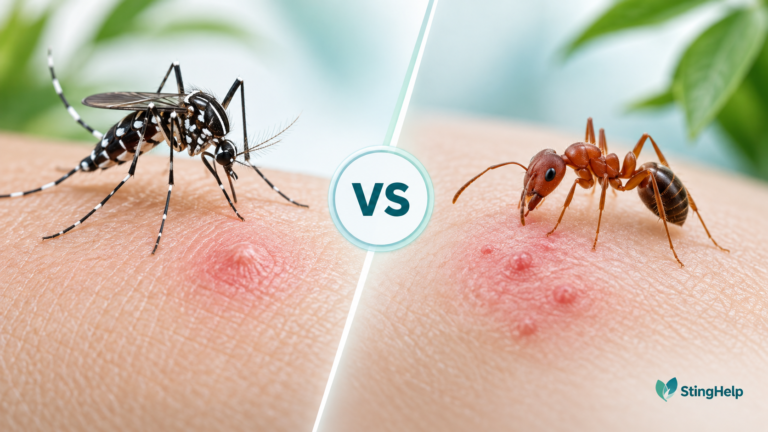
Asian Tiger Mosquito Bite vs Red Ant Bite: Pictures, Key Differences, and What to Do
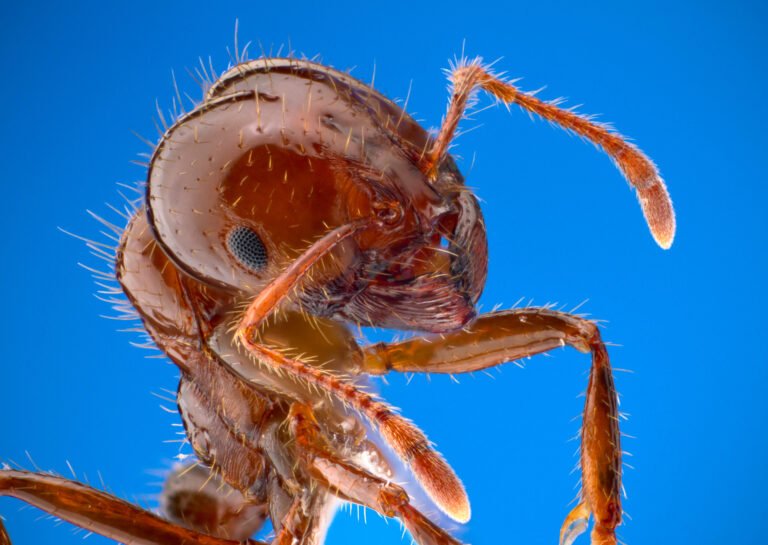
Asian Tiger Mosquito Bite vs Fire Ant Bite: Pictures, Key Differences, and What to Do
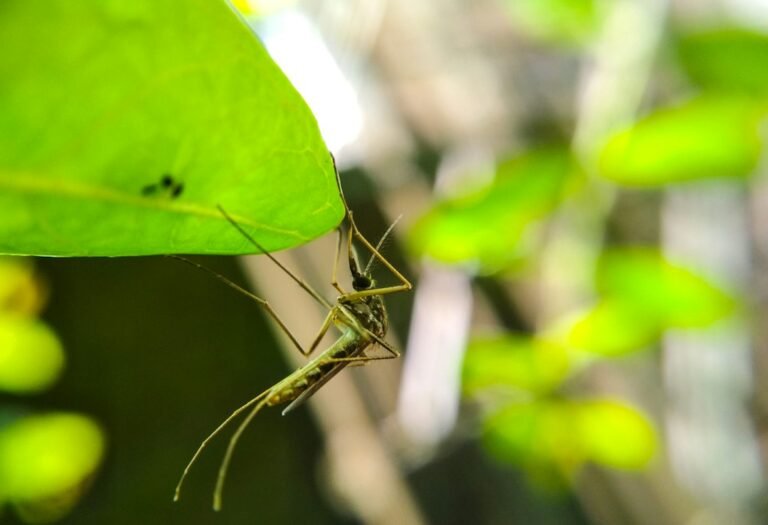
Asian Tiger Mosquito Bite vs Carpenter Ant Bite: Pictures, Key Differences, and What to Do

American Dog Tick Bite vs Red Ant Bite: Pictures, Key Differences, and What to Do
Fire Ant Stings: Pustules, First Aid, Allergy Warning Signs, and When to Get Help
Understanding ant and fire-ant reactions
Ant encounters can cause bites, stings, or both depending on the species. Fire ants are known for painful stings that may later form small pustules, while other ants can cause milder irritation. The pattern of exposure, number of stings, and presence of whole-body symptoms help determine what matters next.
Local reactions can be uncomfortable
Burning, itching, redness, tenderness, and swelling may stay limited to the sting sites. Scratching or opening irritated skin can make healing more difficult and may increase the chance of secondary infection.
Multiple stings can increase the impact
Fire-ant encounters may involve several stings in a short period. Keep track of how many areas are affected and whether symptoms remain local or begin affecting the rest of the body.
Allergic symptoms need a different response
Widespread hives, breathing difficulty, throat swelling, fainting, collapse, or another rapidly worsening reaction requires urgent attention. Use the warning-sign guide rather than waiting for the skin reaction to settle.
A severe allergic reaction can occur after ant or fire-ant stings.
Breathing difficulty, throat swelling, fainting, or rapidly spreading hives should be treated as an emergency.