A river of tiny ants is marching across your kitchen counter: are these the ones that sting? The reality behind argentine ant vs fire ant is refreshingly simple — only one of these ants can sting you, and it is not the Argentine ant.
Here is the direct answer: Argentine ants do not sting at all. They have no stinger, and while they can technically bite, it is rare and not painful. Fire ants both bite and sting, injecting venom that causes burning pain and the itchy white pustules they are famous for. Telling them apart still matters, though, because the two invade homes differently — and getting rid of them takes completely different strategies.
This guide covers each ant’s profile, five practical clues for telling them apart, first aid for the one that actually hurts, and why the control plan for one will fail against the other.
The Difference That Matters: Sting or No Sting
Fire ants sting. Argentine ants cannot. That single fact answers the most urgent question most people have. A fire ant bites down with its jaws to anchor itself, then stings repeatedly with a stinger at the rear of its abdomen, pumping venom into the skin. An Argentine ant has no such equipment — no stinger, no venom, no burning welts.
Bite versus sting, quickly. A bite uses the jaws; a sting uses a specialized stinger to inject venom. Fire ants do both in one attack, which is why their assaults feel like burning punctures rather than simple nips. Argentine ants may occasionally bite if handled, but the bite is feeble — most people would not notice it.
Why the confusion persists. Both ants are small, both invade homes in large numbers, and both thrive across the southern United States, so people understandably lump them together. But for sting safety, they might as well be different animals: one is a nuisance, the other a genuine stinging pest. Everything that follows — identification, first aid, control — flows from that distinction.
Argentine Ant: The Quiet Supercolony Invader
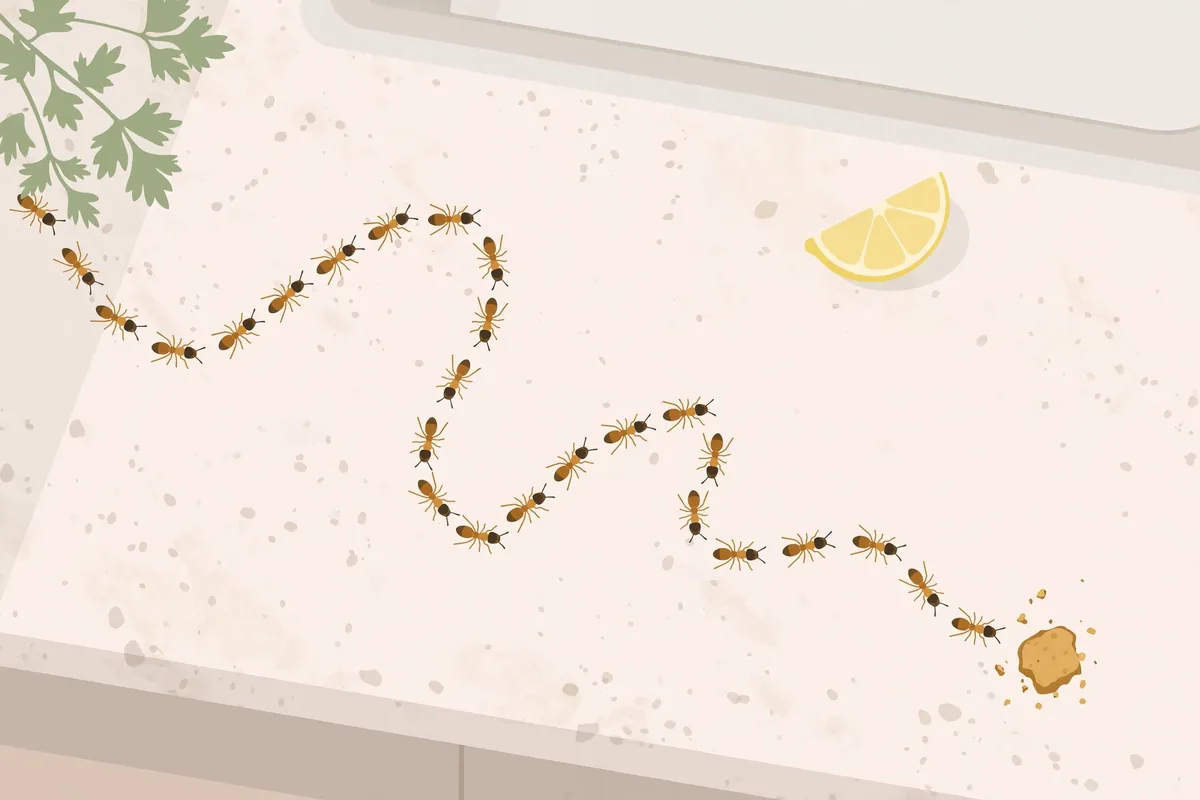
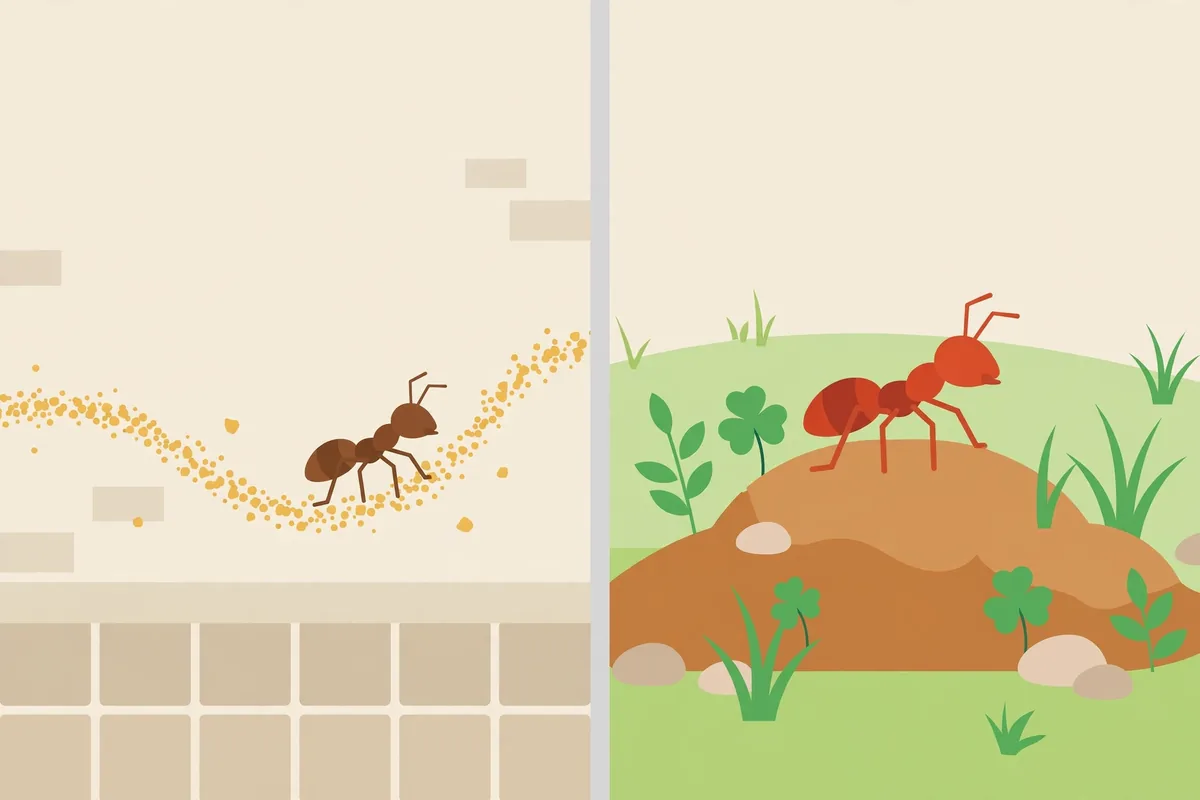
Small, brown, and everywhere at once. Argentine ants are slender, light-to-medium brown ants about 1/16 of an inch long — small enough that a trail of them looks like a moving crack in the countertop. They build no obvious dirt mounds. Instead they nest in hidden spots: under mulch, in wall voids, beneath patio stones, in potted plants. What you see is the foraging trail — sometimes hundreds of workers marching in a neat line toward food or water.
The supercolony phenomenon. Argentine ants form massive cooperative supercolonies, where separate nests function as one enormous colony. The California supercolony stretches for over 600 miles along the coast. Practically speaking, you are never dealing with “a nest” — you are dealing with a network, which is why killing the visible ants never ends the problem.
Indoor invasions follow the weather. Argentine ants push indoors most aggressively in the fall, when cooling temperatures and dry conditions send them hunting for moisture and warmth. Kitchens and bathrooms are the usual beachheads. UGA Extension entomologist Dan Suiter counts the Argentine ant among Georgia’s “big three” home-invading ants — a sign of how routinely this species turns up inside houses across the Southeast.
The crush test. Crush a single Argentine ant and sniff: a faint musty or greasy odor is the tell. Fire ants smell like nothing in particular. Pest professionals genuinely use this test — and it works.
Fire Ant: Small Ant, Painful Sting
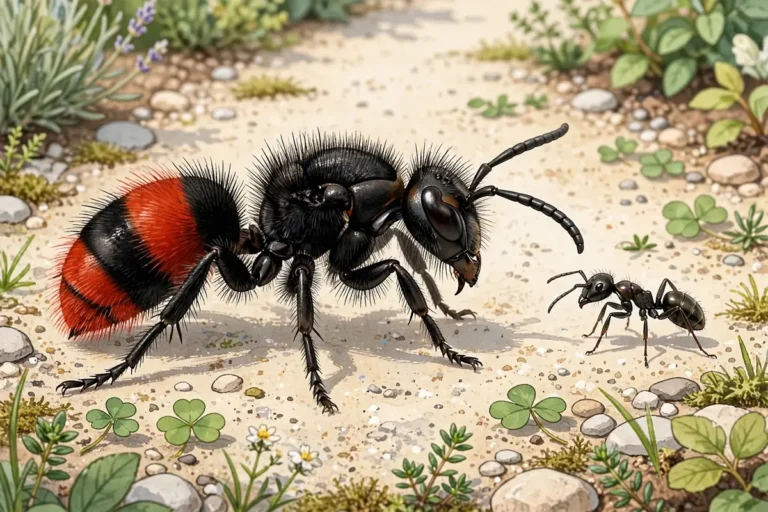
The red imported fire ant. The fire ant most Americans encounter is the red imported fire ant — reddish-brown to reddish-black, roughly 1/8 to 1/4 inch long, noticeably chunkier than an Argentine ant. This invasive species has spread across the southern US, from Texas through the Southeast and into southern California.
How the sting attack works. Disturb a fire ant — step near a mound, brush a foraging trail — and the response is famously aggressive. The ant grips the skin with its jaws and pivots, stinging repeatedly in a circular pattern. Each sting injects venom that destroys tissue, which is why fire ant stings burn immediately and develop into the signature white pustules within a day. Those pustules are sterile — dead tissue, not infection — but they itch intensely for days.
Mounds are the calling card. Fire ants build unmistakable mounds: dome-shaped piles of loose soil, sometimes a foot or more across, with no visible entrance hole on top. Step on or near one, and hundreds of defenders can swarm out in seconds. Mounds in the yard plus stinging ants means fire ants, not Argentine ants. Detailed sting care is covered in the fire ant bite treatment guide.
The allergy factor. For most people, fire ant stings mean pain, pustules, and itching that resolves within a week or so. But a small percentage of people are allergic to fire ant venom and can develop anaphylaxis — the same life-threatening reaction bee and wasp allergies cause. Anyone with a past severe reaction should treat future stings as emergencies and talk to an allergist about carrying epinephrine.
Telling Them Apart: Five Quick ID Clues
These five field clues separate the two reliably:
- 1. Symptoms. Burning, stinging pain with pustules the next day? Fire ants. A painless ant trail with no marks on anyone? Argentine ants.
- 2. Nests. Obvious dirt mounds in the yard point to fire ants. No mounds anywhere, but endless indoor trails? Classic Argentine ant behavior.
- 3. The smell check. Crush one ant and sniff: a faint musty or greasy odor means Argentine ant. No distinctive smell leans fire ant.
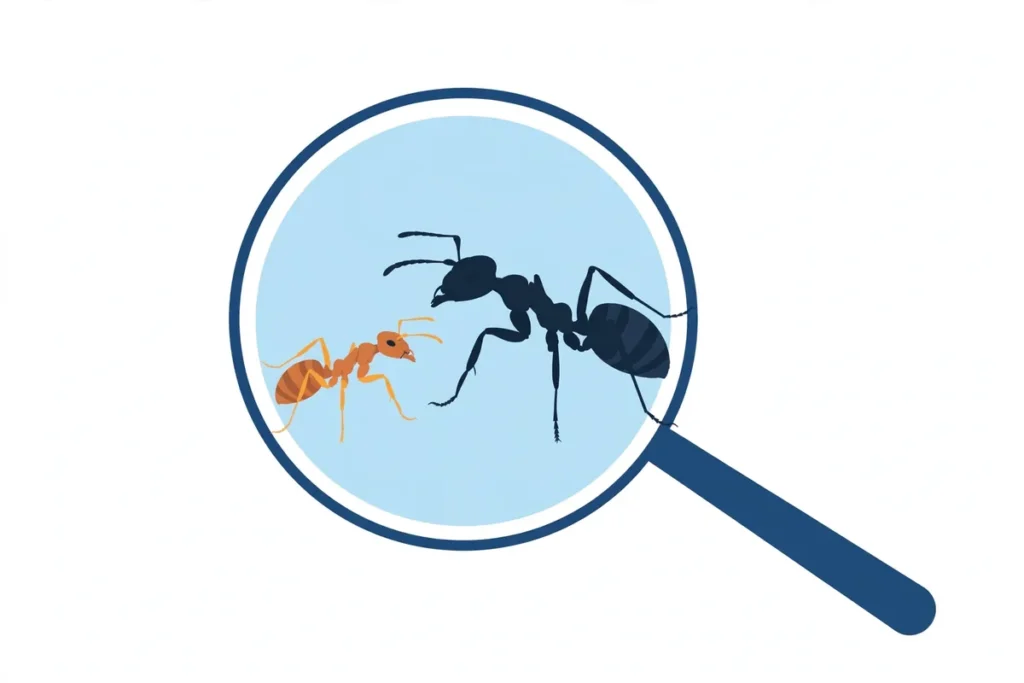
- 4. Size and color. Argentine ants are uniformly tiny (about 1/16 inch) and light brown. Fire ants are larger (up to 1/4 inch), reddish, and vary in size within the same colony.
- 5. Behavior. Fire ants swarm and sting when disturbed. Argentine ants are skittish foragers — disturb a trail and they scatter, not attack.
Geography narrows it down. Fire ants dominate the Deep South and much of Texas; Argentine ants are strongest along the California coast, the Southeast, and Hawaii, with fall indoor invasions as their trademark. Overlap zones exist — exactly where these clues earn their keep.
First Aid: Fire Ant Stings and Argentine Ant Encounters
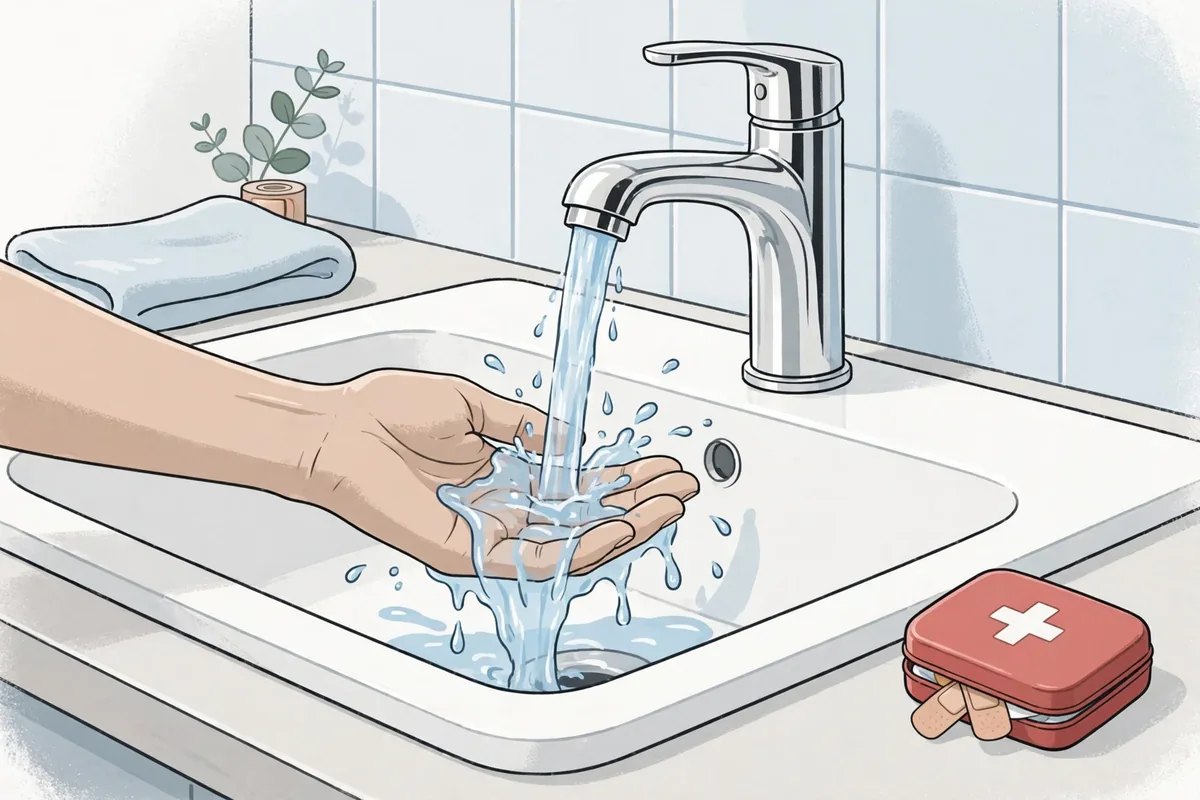
For fire ant stings, start fast. Move away from the ants first — brush them off rather than crushing them against the skin, since a crushed ant can keep stinging. Wash the area with soap and water and apply a cool compress to ease the burning. An oral antihistamine taken according to the package directions can help with itching for many people.
Do not pop the pustules. Within about 24 hours, fire ant stings typically develop white pustules. They look alarming, but popping them invites real bacterial infection. Let them heal on their own, keep the area clean, and resist scratching — they usually dry up within a few days to a week. The guide on fire ant sting pustules and what not to do covers the common mistakes that make stings worse.
Watch for infection and allergy. Increasing redness, warmth, or swelling, pus, or fever can signal a secondary infection — see a doctor. Any body-wide allergic reaction (trouble breathing, throat tightness, dizziness, widespread hives) is a 911 emergency. For a primer on telling the two apart, see the anaphylaxis warning signs guide.
For Argentine ants: barely a first-aid event. Since they do not sting and rarely bite, an Argentine ant encounter needs no treatment — just wash the skin if it bothers you. The real “injury” is to your pantry: they contaminate food and are maddeningly persistent. Your energy is better spent keeping them out, covered next.
Getting Rid of Them: Why One Plan Doesn’t Fit Both
Control methods differ — this is the costly mistake. Treating Argentine ants like fire ants (or vice versa) wastes money and can make things worse. The two species demand opposite approaches.
Argentine ants: starve the supercolony. Because they form vast cooperative networks, killing the visible ants accomplishes nothing — the colony sends more. What works is slow-acting bait: foragers carry it back and share it through the colony, eventually reaching the queens. Pair baits with the basics: seal cracks and entry points, fix moisture problems, store food in sealed containers, and trim vegetation touching the house. Spraying repellent insecticides along trails often backfires, scattering the colony into new indoor nesting spots.
Fire ants: target the mounds, respect the label. Fire ant control centers on the mounds — bait products broadcast across the yard or individual mound treatments — always used exactly according to the label directions, which are legal safety requirements, not suggestions. Keep children and pets away from treated areas as the label instructs. For large infestations or mounds near play areas, a licensed pest professional beats improvising.
What not to do. Do not mix your own pesticide cocktails, pour gasoline or other hazardous substances on mounds, or use indoor foggers for an ant problem. Misuse puts your household at risk and rarely works. When in doubt, professional identification and treatment costs less than a season of failed DIY attempts.
When to See a Doctor for a Bug Bite
Fire ant stings cross into medical territory more readily than most insect encounters. Seek care if:
- Signs of anaphylaxis: trouble breathing, swelling of the lips, tongue, or throat, dizziness or fainting, rapid pulse, or widespread hives — call 911 immediately.
- Many stings at once: dozens of stings (from stepping on a mound) can cause a large toxic reaction even without allergy — get evaluated promptly.
- Infection signs: spreading redness or warmth beyond the sting sites, increasing pain after the first day, pus, red streaks, or fever.
- A child is stung: small children can react more strongly — the warning signs for fire ant stings in children deserve a read before you need them.
- You have a known stinging-insect allergy: any fire ant sting warrants prompt medical advice and an emergency action plan from your allergist.
Argentine ant encounters essentially never need medical care — but if any bite site looks infected or you feel unwell afterward, call your clinician.
Frequently Asked Questions
Do Argentine ants sting?
No. Argentine ants have no stinger and produce no venom. They can bite with their jaws if handled, but the bite is weak, rare, and not painful. If something stung you, it was not an Argentine ant.
Which ant is actually dangerous to people?
The fire ant, by a wide margin. Its venomous stings cause burning pain and pustules, and a small percentage of people develop life-threatening allergic reactions. Argentine ants are a household nuisance — they contaminate food and invade in huge numbers — but not a medical threat.
How can I quickly tell which ant is in my kitchen?
Try the crush-and-sniff test: a musty smell means Argentine ant. Check for mounds outside (fire ants build them; Argentine ants do not), compare size (Argentine ants are uniformly tiny; fire ants are bigger), and consider the season — big indoor trails in fall are classic Argentine ant behavior.
What should I do right after fire ant stings?
Get away from the ants, brush them off, wash with soap and water, and apply a cool compress. Do not pop the white pustules that form the next day. Watch for allergic reaction or infection signs, and seek care promptly if either appears.
Can Argentine ants damage my house?
They do not sting, bite painfully, or chew structures like termites or carpenter ants. Their damage is the nuisance kind: contaminated food and persistent indoor trails. Sealing entry points and using slow-acting baits can bring them under control, though the supercolony structure makes total elimination difficult.
Medically reviewed by Dr. Sarah Jones, MD.
This article is for informational purposes only and isn’t medical advice. If you’re worried about a bite or sting, talk to a healthcare professional.