House spider bite treatment: Safe First Aid, Relief, and When to Get Help
Direct answer: House spider bite treatment should be managed by symptoms and exposure history, not by a skin photo alone. For mild local reactions, wash gently, use a wrapped cold pack, and avoid scratching. Seek prompt medical care for worsening pain, spreading redness, pus, fever, or systemic illness. Breathing difficulty, throat swelling, fainting, or rapidly worsening generalized symptoms require emergency care.
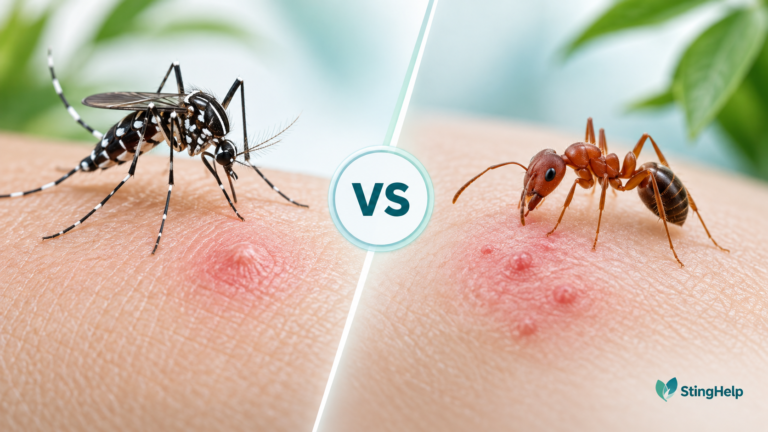
This evidence-focused guide is written for readers in the United States and Europe. Bite, sting, and contact reactions overlap: redness, itching, tenderness, swelling, a punctum, a blister, or a rash can occur for many reasons. The safest approach is to combine the exposure story with timing, symptom progression, regional context, and red flags rather than treating a photograph as a diagnosis.
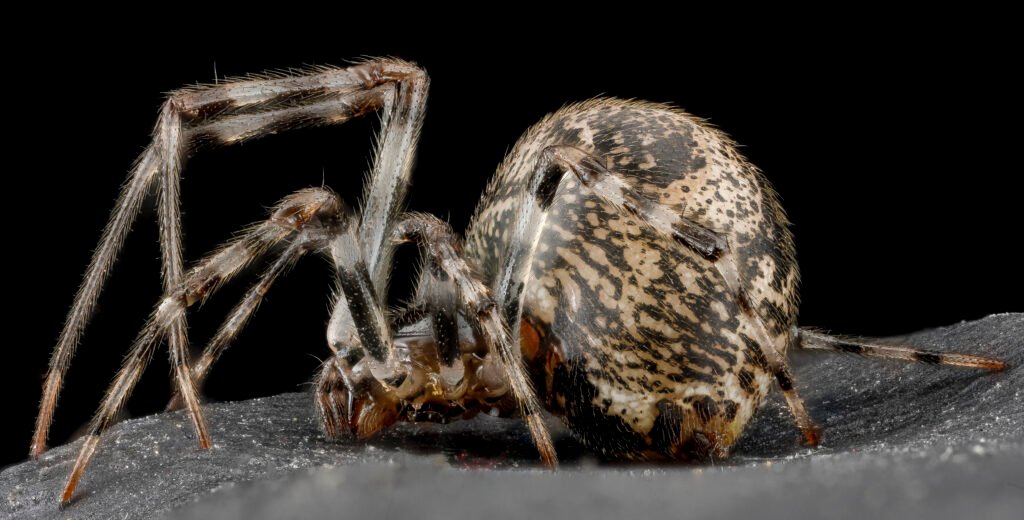
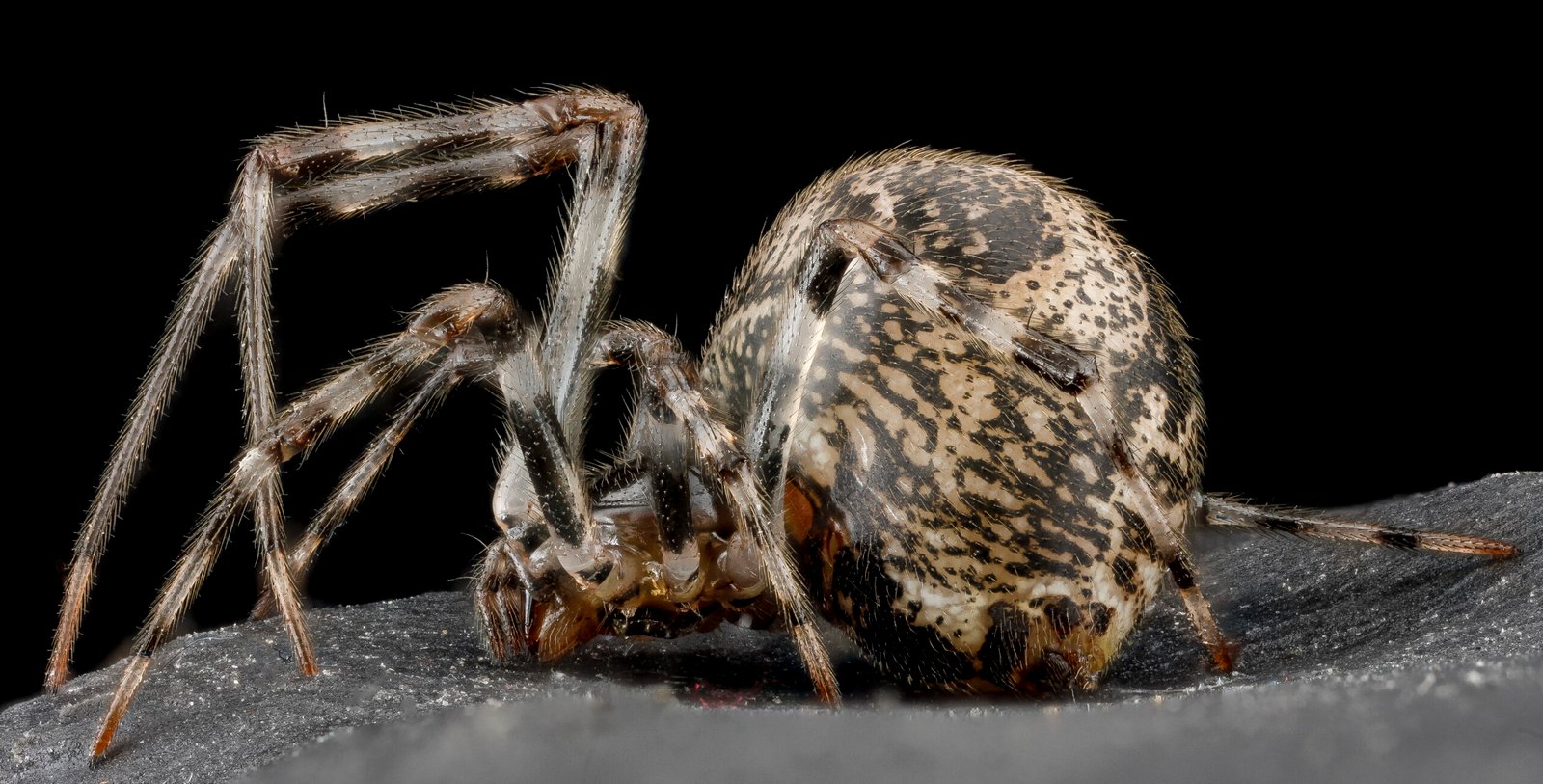
Many lesions attributed to spiders are never linked to a witnessed spider; avoid diagnosing a spider species from puncture marks alone.
[stinghelp_image filename=”house-spider-bite-treatment-01.webp” alt=”house spider bite treatment exposure and symptom decision guide” caption=”Use exposure history, timing, and symptom progression together; appearance alone cannot confirm the cause.”]
What should you check first?
Start with the exposure history. Note where the person was, what they were doing, whether the arthropod was actually seen, and whether there was recent travel. Outdoor grass, brush, woodland, gardens, pets, bedding, stored plant material, nests, and water-side environments point toward different possibilities. Then record how quickly symptoms started, whether there is one lesion or several, and whether itch, pain, burning, warmth, or swelling is the dominant symptom.
If a tick is attached, remove it as soon as possible. Current CDC guidance recommends clean fine-tipped tweezers, grasping the tick close to the skin and pulling with steady, even pressure. Do not use petroleum jelly, heat, nail polish, or similar methods to make the tick detach. Clean the area and hands afterward. If rash or fever develops in the following days or weeks, contact a healthcare professional and report the tick exposure.
Which differences are actually useful?
| Clue | How to use it | Important limitation |
|---|---|---|
| Witnessed exposure | An attached tick, seen mosquito, observed insect, or clear environmental contact can strongly change likelihood. | Seeing an arthropod nearby does not prove it caused every lesion. |
| Timing | Immediate sharp pain or burning differs from delayed itching noticed hours later. | Individual immune responses vary widely. |
| Number and distribution | A single lesion, grouped bites, exposed-skin pattern, or broader contact rash can narrow possibilities. | Scratching and secondary inflammation can change the pattern. |
| Progression | Stable or improving local symptoms are more reassuring than increasing pain, heat, drainage, fever, or systemic illness. | Progression may reflect allergy, infection, or another skin condition. |
| Geography and travel | Species and vector-borne disease risks differ by region and season. | Travel and changing species ranges make geography supportive, not diagnostic. |
How should a mild local reaction be treated?
- Move away from the source. Prevent additional bites, stings, or contact before focusing on the skin.
- Wash gently. Use soap and water; avoid aggressive scrubbing.
- Use a cool compress. Wrap a cold pack in cloth rather than applying ice directly to skin.
- Avoid scratching. Scratching can damage the skin barrier and increase secondary infection risk.
- Use medicines only as directed. A pharmacist or clinician can help choose an appropriate pain or anti-itch option when age, pregnancy, allergies, chronic disease, or other medicines create uncertainty.
NHS guidance notes that many insect bites and stings can be treated at home with cleansing, a wrapped cold pack, and symptom relief, while also advising against scratching and unproven home remedies. The American Academy of Dermatology similarly emphasizes basic wound care and medical attention for serious symptoms.
[stinghelp_image filename=”house-spider-bite-treatment-02.webp” alt=”house spider bite treatment safe first aid and monitoring checklist” caption=”Simple first aid is appropriate for many mild local reactions; avoid harmful home procedures.”]
How can you tell inflammation from possible infection?
Fresh bites and stings can be red, itchy, warm, tender, and swollen because of inflammation. Redness alone does not prove infection. Concern rises when the area becomes progressively hotter or more painful, redness keeps spreading, pus or cloudy drainage appears, red streaking develops, nearby lymph nodes become tender, or fever and worsening illness occur. Scratching can create a break in the skin and increase the chance of secondary bacterial infection.
Do not squeeze a lesion to test it, lance a blister, or apply bleach, gasoline, concentrated essential oils, or other caustic remedies. These actions can injure the skin and make the original problem harder to assess. Antibiotics do not treat a routine inflammatory bite or sting reaction and should be used only when a healthcare professional determines they are indicated.
Which symptoms need urgent or emergency care?
Call emergency services immediately for trouble breathing, wheezing, throat tightness, swelling of the tongue or throat, fainting, severe dizziness, confusion, or a rapidly developing generalized reaction. Anaphylaxis is a medical emergency. People who have been prescribed epinephrine should follow their personal emergency plan and still obtain emergency medical care.
Seek prompt clinical assessment for severe or escalating pain, spreading redness, pus, fever, red streaking, significant facial swelling, eye or mouth involvement, multiple stings, or new systemic symptoms. After a tick bite, rash or fever developing in the following days or weeks should prompt medical advice with the exposure location and date.
| Situation | Suggested next step |
|---|---|
| Mild local itch or swelling; otherwise well; improving | Home care and monitoring. |
| Persistent uncertainty or extensive local swelling | Pharmacist or clinician advice. |
| Increasing warmth or pain, pus, spreading redness, fever | Prompt medical assessment. |
| Rash or fever after a recent tick exposure | Contact a healthcare professional and report the exposure. |
| Breathing difficulty, throat/tongue swelling, fainting | Emergency services now. |
[stinghelp_image filename=”house-spider-bite-treatment-03.webp” alt=”house spider bite treatment home care urgent care and emergency escalation chart” caption=”Escalate based on symptom severity and progression, not on a photo-based guess.”]
Why can pictures be misleading?
Two puncture marks, a ring, a red bump, a hard lump, or a blister are not reliable species tests. Similar findings can occur after bites, stings, scratching, contact dermatitis, bacterial infection, folliculitis, and other skin conditions. Skin tone also affects how redness and bruising appear. A dated photograph can document change, but it should not be treated as a diagnostic test.
If an arthropod can be photographed safely, a clear image of the insect or tick may be more useful than a close-up of the skin. Even then, identifying an arthropod does not prove infection or predict how severe a person’s reaction will be. Do not delay medical care in order to capture or preserve a specimen.
How should you monitor the next 24–48 hours?
- Note whether pain, itch, warmth, redness, and swelling are improving, stable, or worsening.
- Check for fever, chills, headache, vomiting, dizziness, body aches, swollen glands, or unusual fatigue.
- Watch for drainage, pus, red streaking, or rapidly expanding inflammation.
- Record recent travel and the exact location of outdoor or indoor exposure.
- Take a dated photo from the same distance if useful, without repeatedly touching or pressing the lesion.
- Reassess sooner for infants, frail older adults, pregnancy, immune compromise, or a history of severe allergy.
What information helps a healthcare professional?
Share the date and location of exposure, recent travel, whether the arthropod was actually seen, how quickly symptoms started, whether the area is expanding, current medicines and allergies, previous severe reactions, and any fever, headache, muscle aches, vomiting, dizziness, breathing symptoms, or unusual fatigue.
What common mistakes should you avoid?
- Do not diagnose from appearance alone.
- Do not assume every ring is Lyme disease.
- Do not assume every two-dot mark is a spider bite.
- Do not assume redness automatically means infection.
- Do not wait through emergency allergy symptoms.
How does geography change the assessment?
Geography changes probability, not certainty. Arthropod distributions and vector-borne disease risks differ across the United States and Europe, and travel can make the exposure location different from the place where symptoms are noticed. When infection transmitted by a vector is a concern, current local public-health information and a clinician’s assessment are more reliable than generic image matching.
How can future bites and stings be reduced?
CDC prevention guidance recommends EPA-registered insect repellents, protective clothing, and other exposure-specific measures for mosquitoes and ticks. After outdoor activity in tick habitat, check the body and clothing and remove attached ticks promptly. For indoor pests, source identification and environmental control are essential.
Frequently asked questions
Can a photo confirm what caused the reaction?
No. A photo can document appearance and progression, but many bites, stings, infections, and inflammatory skin conditions overlap.
Is a red streak always an emergency?
Not every red line has the same cause, but spreading red streaking with increasing warmth, pain, swelling, fever, or illness warrants prompt medical assessment.
Can I use an antihistamine?
Some antihistamines can help itching, but suitability depends on age, pregnancy, health conditions, other medicines, and the specific product.
Should I use antibiotics just in case?
No. Antibiotics do not treat a routine local inflammatory reaction.
When is swelling dangerous?
Rapid swelling involving the tongue, mouth, or throat, or swelling accompanied by breathing difficulty, fainting, or severe dizziness is an emergency.
What if symptoms appear after travel?
Tell the clinician exactly where and when you traveled and what exposures occurred.
How long should a mild reaction take to improve?
There is no single timeline for every arthropod reaction. The important feature is direction: mild local symptoms should trend toward improvement.
How to interpret symptom changes without overdiagnosing
Trend matters more than a single snapshot. A local reaction that is gradually becoming less itchy, less tender, and less swollen is generally more reassuring than one that is rapidly expanding or becoming increasingly painful. Marking the edge of redness with the date and time can sometimes help a person describe change, but it does not diagnose infection.
Likewise, a dramatic-looking lesion can still be a local inflammatory reaction, while a small mark can accompany a serious systemic problem. Emergency decisions should therefore be based on breathing, circulation, mental status, rapidly generalized symptoms, and overall illness rather than the diameter or color of the original mark.
What if the reaction is on the face, eyelid, lip, hand, or foot?
Location can change the practical impact of swelling. Eyelid and lip tissue can swell noticeably, while hand or foot swelling can interfere with rings, shoes, grip, or walking. Remove constricting jewelry early if swelling is developing. Significant eye involvement, mouth or throat exposure, rapidly increasing facial swelling, severe pain, or impaired function deserves a lower threshold for professional assessment.
How to avoid both overtreatment and undertreatment
Overtreatment happens when several creams, disinfectants, essential oils, and home remedies are layered onto irritated skin. That can create contact dermatitis and make the original reaction look worse. Start with the simplest evidence-based measures. Undertreatment is waiting because the mark looks small even while the person develops fever, severe pain, breathing symptoms, faintness, or rapidly spreading inflammation.
Authoritative references
- CDC — What to Do After a Tick Bite.
- CDC — About Mosquito Bites.
- NHS — Insect bites and stings.
- NHS — Anaphylaxis.
- MedlinePlus — Spider Bites.
Medical review checklist
This draft intentionally avoids diagnosis from skin images, invented medication doses, and unsupported claims that a particular lesion proves a species. Before publication, a qualified medical reviewer should confirm regional disease statements, red-flag guidance, and any future internal links. The featured image remains intentionally unset.
Bottom line
House spider bite treatment is safest to approach with exposure history, symptom progression, and red flags rather than image matching. Use gentle first aid for mild local reactions and avoid harmful home procedures. Seek medical assessment for worsening infection-type findings or systemic illness, and use emergency services for breathing difficulty, throat or tongue swelling, fainting, or rapidly progressive generalized symptoms.
Step-by-step treatment plan for house spider bite treatment
For a suspected uncomplicated spider bite, begin with gentle cleansing and a wrapped cold pack. Keep the area protected from scratching and monitor the direction of change. Do not attempt to extract venom by cutting or suction. If pain becomes severe, muscle symptoms develop, tissue injury progresses, fever appears, or the person feels systemically unwell, obtain medical assessment. A witnessed spider or safely captured photograph can help with identification, but many presumed spider bites are never confirmed.
Because house spider is a broad common-name category, treatment should not depend on a confident species label from the wound. The clinical priority is symptom severity, progression, allergy signs, infection signs, and whether a medically important spider exposure is plausible in the region.