Direct answer: Puss caterpillar sting treatment starts by getting away from the caterpillar, removing embedded hairs or spines without touching them directly, washing the skin gently, and monitoring the reaction. Sticky tape can help lift residual hairs. Severe pain, breathing or swallowing difficulty, major swelling, eye exposure, or rapidly worsening symptoms need prompt medical advice or emergency care.
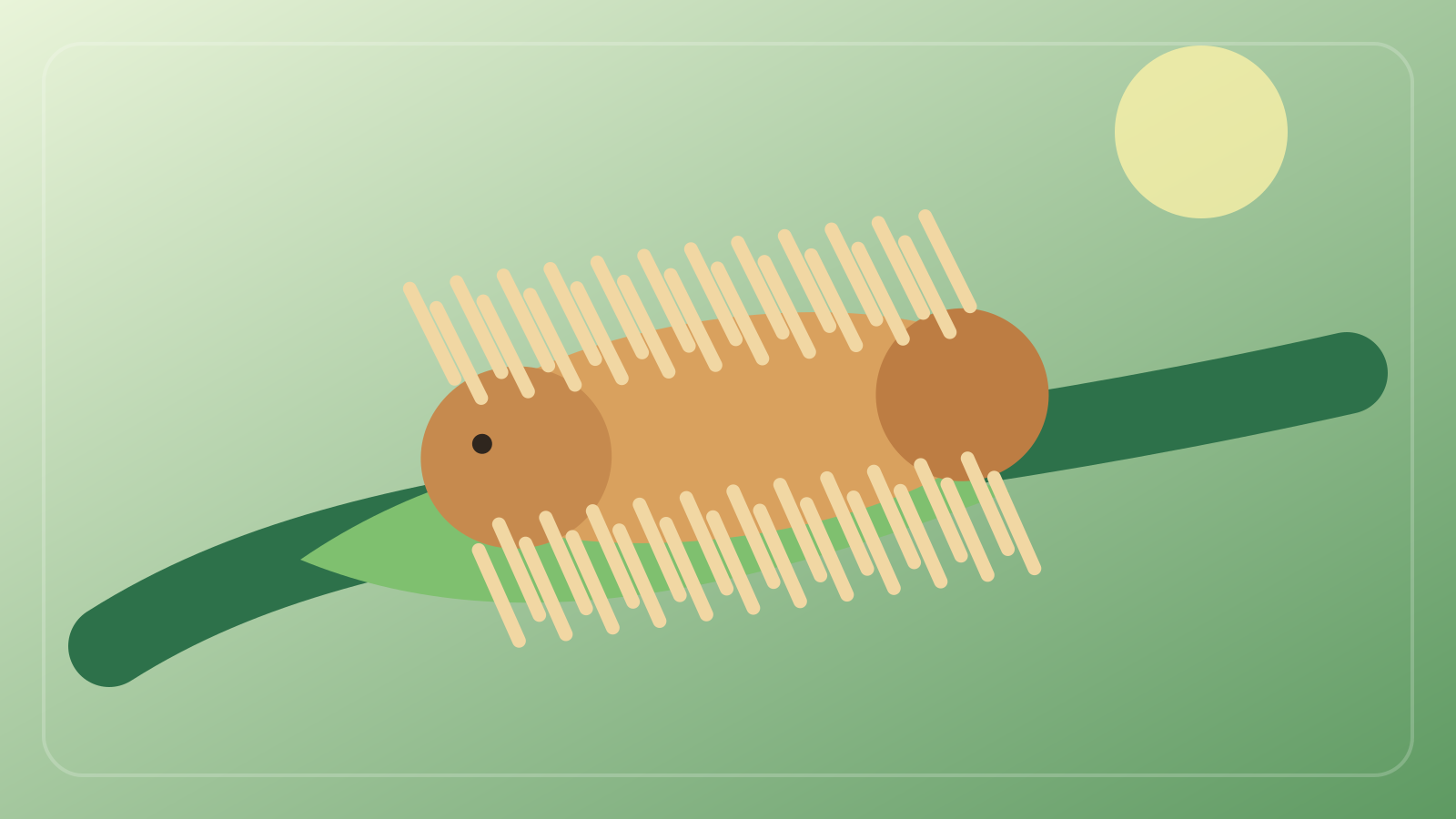
Puss caterpillars are the larval stage of the southern flannel moth, Megalopyge opercularis. Their soft-looking coat can hide venomous spines, so a person can be stung simply by brushing against one on a tree, shrub, railing, clothing, or outdoor surface. The sting can be surprisingly painful and may cause burning, redness, swelling, welts, blistering, headache, nausea, or pain that travels beyond the exact contact site.
If you are searching for how to treat puss caterpillar sting on behind the knee, the location matters mostly because the knee bends, rubs against clothing, and can make swelling feel more uncomfortable. The same first-aid principles apply: remove remaining hairs, clean the skin, reduce friction, and watch how the reaction changes. Do not diagnose a caterpillar sting from a rash photo alone; exposure history is important.
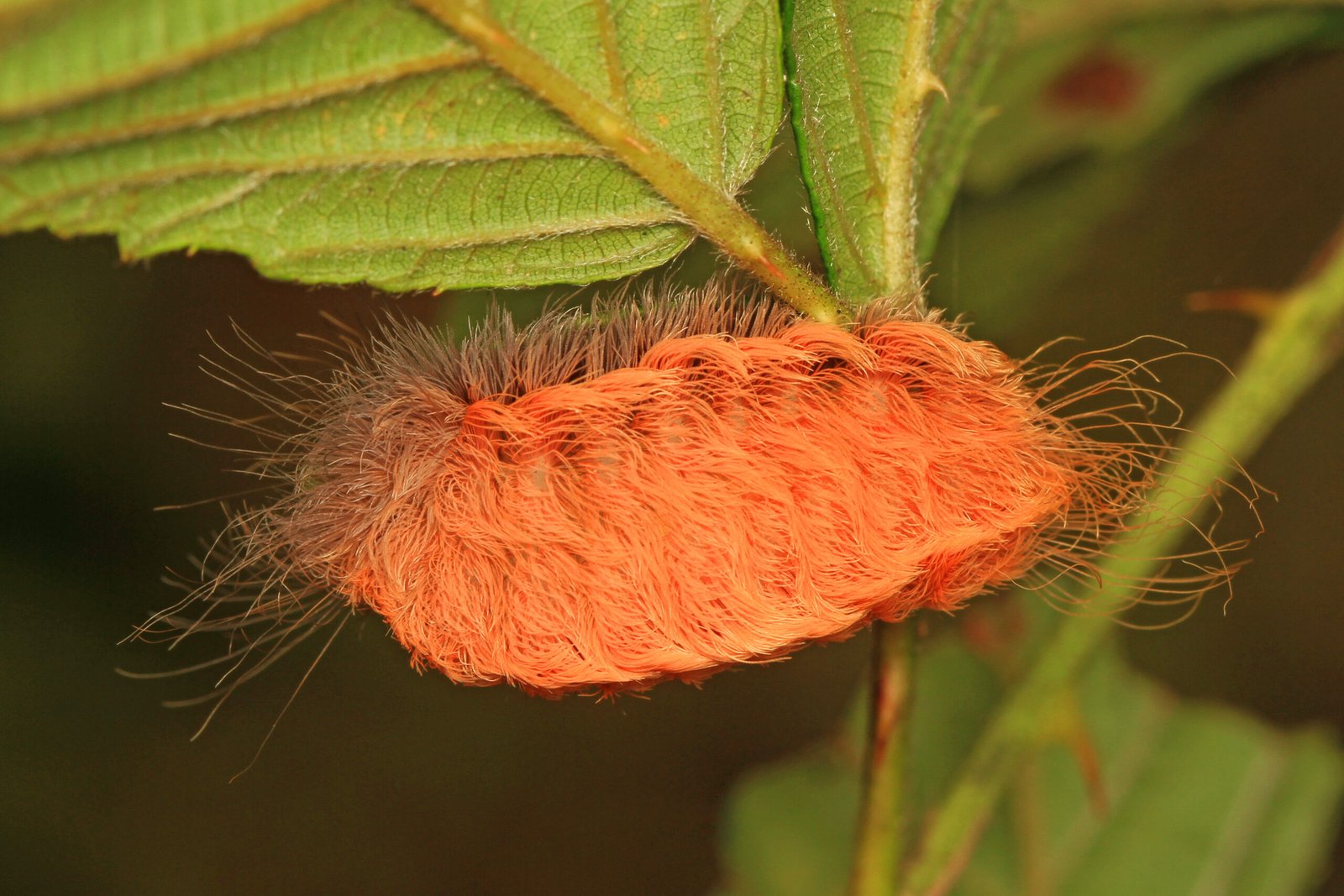
What should you do first after a puss caterpillar sting?
First, stop further exposure. If the caterpillar is still on the skin or clothing, do not grab it with bare fingers. Use a tool, card, stick, or another object to move it away safely. Venomous hairs and spines can remain in the skin after contact, and rubbing the area may push them deeper.
Poison Control recommends using fresh pieces of sticky tape over the exposed area to lift out hairs or spines. Press the tape gently onto the skin, pull it away, discard it, and repeat with new pieces as needed. After that, wash the area gently with soap and water. Do not scrub aggressively.
For a sting behind the knee, straighten the leg comfortably while you inspect the area so skin folds are easier to see. Remove tight clothing or anything that repeatedly rubs the site. If swelling is increasing, avoid tight knee sleeves or compression garments unless a healthcare professional has specifically advised them.
Safe first-aid steps: what to do and what to avoid
| Action | Why it can help | Avoid |
|---|---|---|
| Move away from the caterpillar | Prevents additional contact with venomous hairs. | Picking it up with bare hands. |
| Use fresh sticky tape | Can lift residual hairs or spines from the skin. | Rubbing or scraping aggressively. |
| Wash with soap and water | Removes surface irritants after hairs are removed. | Harsh chemicals, bleach, or solvents. |
| Use a cool compress | May reduce local discomfort and swelling. | Putting ice directly on bare skin. |
| Reduce friction | Helps prevent repeated mechanical irritation. | Tight clothing over a painful swollen area. |
| Monitor symptoms | Shows whether the reaction is settling or worsening. | Ignoring breathing, eye, or systemic symptoms. |
What can safely help pain, itching, or swelling?
After the hairs are removed and the area is clean, a wrapped cool compress may help with local burning or swelling. Use short intervals and protect the skin from direct ice. If the sting is on an arm or leg, comfortable elevation may help if swelling is noticeable.
Poison Control notes that some people use topical hydrocortisone or other symptom-directed products for itching. Medication choice can depend on age, pregnancy, allergies, medical conditions, skin integrity, and other medicines. Follow the product label and ask a pharmacist or clinician when you are unsure. Severe pain or rapidly progressive symptoms deserve medical assessment rather than repeated home remedies.
Avoid scratching. Caterpillar stings can itch after the initial burning pain, but repeated scratching can break the skin and create a second problem: bacterial infection. Keep nails short, cover the area loosely if clothing is rubbing, and watch for changes in warmth, tenderness, drainage, or spreading redness.
How to treat a puss caterpillar sting behind the knee
The back of the knee is a high-friction area. Bending, walking, sweating, and clothing can repeatedly irritate the skin. For how to treat puss caterpillar sting on behind the knee, follow the same hair-removal and washing steps, then focus on reducing friction. Loose clothing can be more comfortable than tight leggings or a snug brace while the area is tender.
Swelling behind the knee can feel dramatic because the skin folds when the leg bends. What matters is the trend. Mild localized redness or swelling that gradually becomes less painful is different from swelling that is rapidly enlarging, becoming very hot, limiting movement, or occurring with fever, dizziness, vomiting, or breathing symptoms.
If the sting is directly in a skin crease and tape cannot reach all areas comfortably, do not keep pressing or scraping the skin until it becomes raw. A poison center or healthcare professional can give individualized advice. In the United States, Poison Help is available at 1-800-222-1222.
How long should symptoms take to improve?
There is no single guaranteed timeline because the amount of contact, number of embedded hairs, body location, and individual sensitivity vary. Some localized reactions improve substantially within hours, while soreness, itching, redness, or swelling may last longer. A reassuring course is one in which the overall direction is toward improvement.
Do not judge recovery only by whether a red mark is still visible. Skin discoloration can outlast the worst pain. More concerning changes include increasing pain after initial improvement, rapidly spreading swelling, fever, pus, red streaking, worsening function, or new whole-body symptoms.
If symptoms are severe from the start, the exposure involved the face or eyes, or the person is very young, has significant medical conditions, or has a history of serious allergic reactions, use a lower threshold for professional advice.
Which warning signs need medical attention?
Contact a healthcare professional or poison center when pain is severe or persistent, blistering is extensive, swelling is large or continues to increase, the sting involves the eye or mouth, or you are uncertain whether all hairs have been removed. Prompt assessment is also sensible for fever, increasing warmth or tenderness, drainage, red streaking, or a reaction that is worsening instead of settling.
Call emergency services for trouble breathing, swelling of the tongue or throat, difficulty swallowing, fainting, collapse, severe confusion, or a rapidly progressing whole-body reaction. These symptoms matter more than the exact appearance of the skin lesion.
If a person develops severe symptoms after touching an unknown fuzzy caterpillar, do not delay care while trying to capture or photograph the animal. Identification can help, but safety comes first.
What if there are swollen lymph nodes, fever, pus, or a spreading rash?
Swollen lymph nodes can occur with inflammation or infection, but they are not specific to a puss caterpillar sting. Fever, pus, increasing warmth, or red streaking can raise concern for secondary infection or another medical problem. A clinician may need to examine the site rather than treating the reaction as a simple sting.
A spreading rash can also mean different things: an inflammatory reaction, allergy, contact dermatitis, infection, or an unrelated skin condition. Do not assume that every expanding red area is venom “spreading.” Record the time, take a dated photo in similar lighting, and note whether symptoms are localized or involve the rest of the body.
If the sting site was scratched open, keep it clean and avoid squeezing blisters or pustules. Antibiotics are not routine treatment for venom exposure; they are used when a clinician determines that a bacterial infection is present.
What should you do for stings on the face, eye, lip, scalp, hand, or foot?
Location can change urgency. Eye exposure is important because caterpillar hairs can irritate delicate tissues and may require prompt examination. Significant swelling of the lips, tongue, or throat can threaten the airway. Hand or foot swelling can become uncomfortable under rings, shoes, or tight clothing, so remove constricting items early if swelling is increasing.
For scalp or ear exposure, hairs can be difficult to locate. Avoid repeated rubbing. If a caterpillar fell from a tree or was on clothing, inspect the clothing carefully and launder it according to the fabric instructions so residual hairs are less likely to cause another exposure.
Behind the knee, ankle, waistline, neck, and other friction zones deserve attention to comfort and skin protection. The body site does not override red flags: breathing symptoms, collapse, severe systemic illness, or rapidly worsening swelling require appropriate care regardless of location.
How can you prevent another puss caterpillar sting?
Puss caterpillars can be hard to recognize because they look soft or furry. Avoid touching fuzzy or spiny caterpillars, even when they appear harmless. Wear gloves, long sleeves, and a hat when gardening or working beneath trees and shrubs in areas where stinging caterpillars are present.
Teach children not to pick up caterpillars. If one is found on outdoor furniture, railings, play equipment, or clothing, remove it with a tool rather than your hands. Dead caterpillars or detached hairs may still irritate skin, so avoid handling them directly.
If a property has repeated large numbers of stinging caterpillars, contact a local cooperative extension service or qualified pest professional for species-specific management advice. Broad pesticide spraying is not automatically the best first step.
Frequently asked questions
What should you do first for puss caterpillar sting treatment?
Stop contact, remove the caterpillar without bare hands, use fresh sticky tape to lift residual hairs or spines, then wash gently with soap and water. Monitor the reaction and seek professional help if symptoms are severe or worsening.
Can I use ice on a puss caterpillar sting?
A wrapped cool pack may help local discomfort. Do not place ice directly on bare skin, and use short intervals to reduce the risk of cold injury.
Should I pop a blister?
No. Leave blisters intact when possible. Opening them can damage the skin barrier and increase the chance of secondary infection.
Can I take an antihistamine?
Some symptom-directed medicines may be appropriate for some people, but follow the label and ask a pharmacist or clinician when age, pregnancy, health conditions, allergies, or other medicines create uncertainty.
When should I worry about a puss caterpillar sting with fever?
Fever is not something to dismiss as a routine local reaction. Contact a healthcare professional, especially if fever occurs with worsening pain, spreading redness, drainage, red streaking, marked swelling, or feeling systemically unwell.
Can a photo confirm a puss caterpillar sting?
No. A photo of the caterpillar can support identification, but a skin photo alone is usually not enough because many stings, bites, rashes, and infections overlap visually.
Related StingHelp guides
- First Aid for Bites & Stings
- Emergency & Warning Signs
- Infection, Complications & Healing
- What Bit Me? Identification Guide
Authoritative references
- Poison Control — Caterpillar stings and treatment
- University of Georgia Cooperative Extension — Stinging and Biting Pests
- American Academy of Dermatology — Prevent and treat bug bites
- MedlinePlus — Insect bites and stings
Bottom line
For how to treat puss caterpillar sting on behind the knee, safely remove residual hairs, wash gently, reduce friction, use a wrapped cool compress for comfort, and monitor the direction of symptoms. Most mild local reactions can improve with supportive care, but severe pain, extensive blistering, fever, eye or mouth exposure, breathing or swallowing difficulty, collapse, or rapidly worsening symptoms require professional help.
Medical review status: Pending. This draft provides educational information for a U.S. audience and must not be published as medically reviewed until a qualified reviewer and review are documented.