
Tick Bites: Removal, Symptoms & Warning Signs
Use StingHelp tick-bite guides for removal, identification clues, monitoring, rash awareness, tick-borne illness concerns, and prevention.
Remove carefully
Prompt, proper tick removal matters more than squeezing, burning, or coating the tick.
Track timing
Save the date, exposure details, and symptom changes for follow-up if needed.
Know disease signs
Fever, expanding rash, severe headache, or neurologic symptoms deserve medical attention.
Latest tick bite guides
Latest tick-bite comparisons, removal guidance, warning signs, and tick-borne risk explainers.
Remove an attached tick promptly with fine-tipped tweezers, record the exposure date and location, and keep a clear photo of the tick when possible. Later fever, rash, severe headache, neurologic symptoms, or worsening illness matters more than the appearance of the original bite mark.
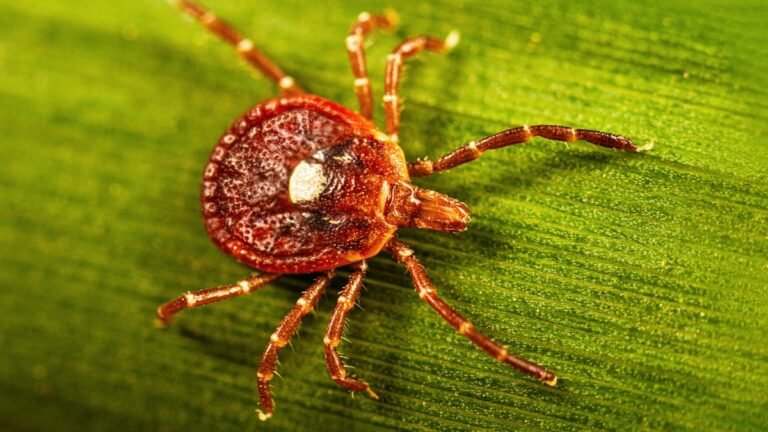
Lone Star Tick Bite vs American Dog Tick Bite: Pictures, Key Differences, and What to Do
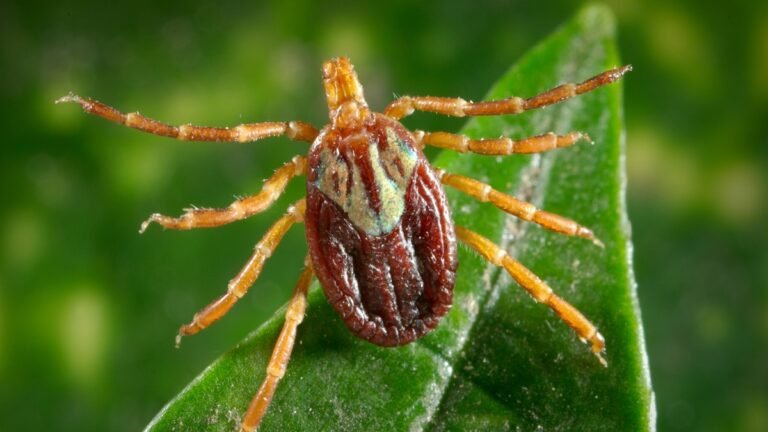
American Dog Tick Bite vs Gulf Coast Tick Bite: Pictures, Key Differences, and What to Do
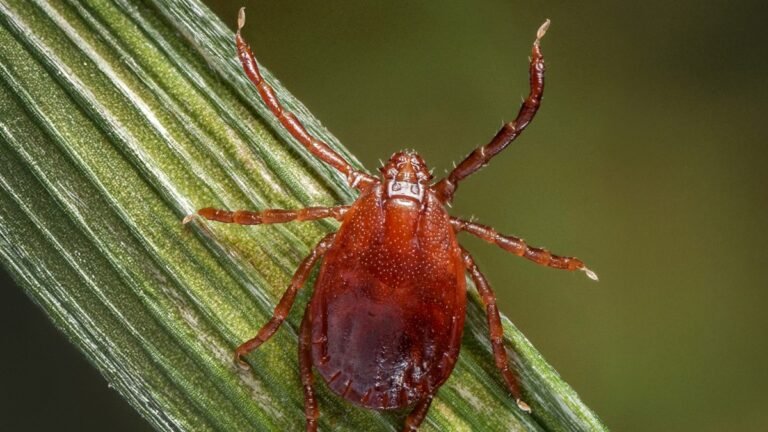
American Dog Tick Bite vs Asian Longhorned Tick Bite: Pictures, Key Differences, and What to Do

Bug Bite Prevention for International Travel: Mosquitoes, Ticks, Fleas, and Bed Bugs
How to Reduce Mosquito and Tick Bites Around Your Home and Yard
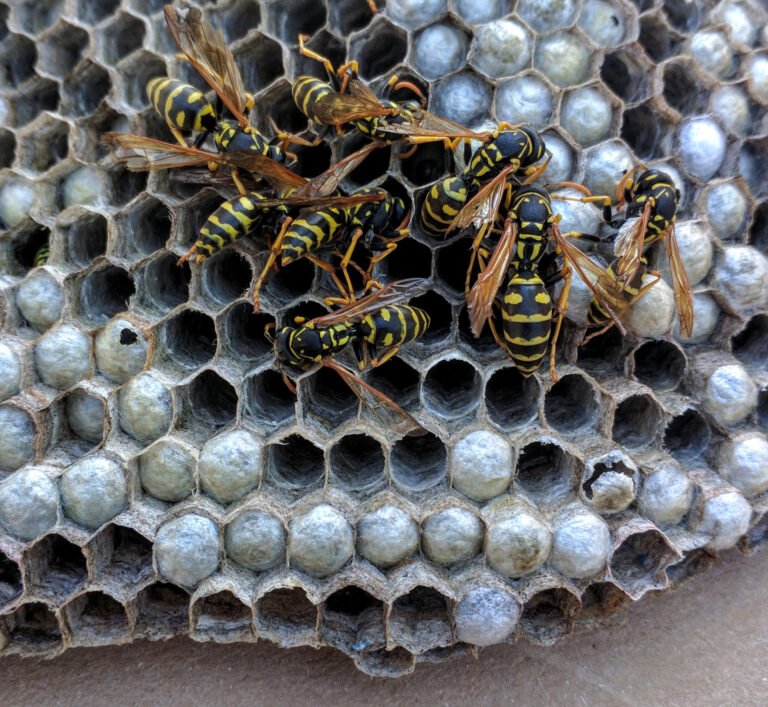
Lone Star Tick Bite vs Paper Wasp Sting: Key Differences
Lone Star Tick Bite vs Yellow Jacket Sting: Differences

American Dog Tick Bite vs False Widow Bite: Differences
Lone Star Tick Bite vs False Widow Bite: Key Differences
How to use tick-bite guidance
Tick bites are different from many other arthropod exposures because an attached tick may remain on the skin for a period of time. When a tick is found, the useful questions include how it was removed, when the exposure likely occurred, what species or life stage may be plausible in the region, and whether new symptoms develop afterward.
Removal and documentation matter
Remove an attached tick promptly using a practical method that avoids unnecessary delay. Record the date and exposure location when possible. A clear photo of the tick can sometimes be more useful than a photo of the bite site.
Do not expect every bite to create a distinctive mark
Some tick bites cause little visible reaction. Others may leave redness or irritation that is not specific enough to identify the species or determine disease risk.
Watch for evolving symptoms
Fever, expanding rash, severe headache, weakness, neurologic symptoms, or significant illness after tick exposure deserves medical attention. Use the warning-sign hub for safety-focused next steps.
A tick bite can look minor while symptoms develop later.
Monitor for evolving rash or systemic illness after tick exposure and contact a healthcare professional if concerning symptoms appear.