Newsletter Subscribe
Enter your email address below and subscribe to our newsletter

 ByQamar
Compare lone star tick bite and paper wasp sting: exposure clues, symptom differences, first aid, and when to seek medical help.
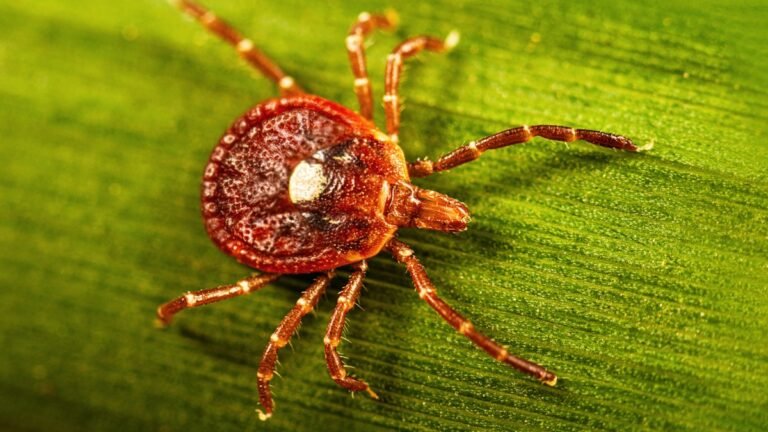
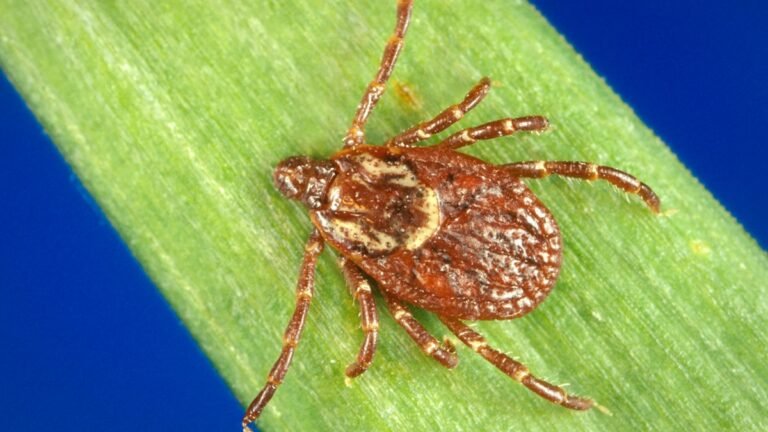
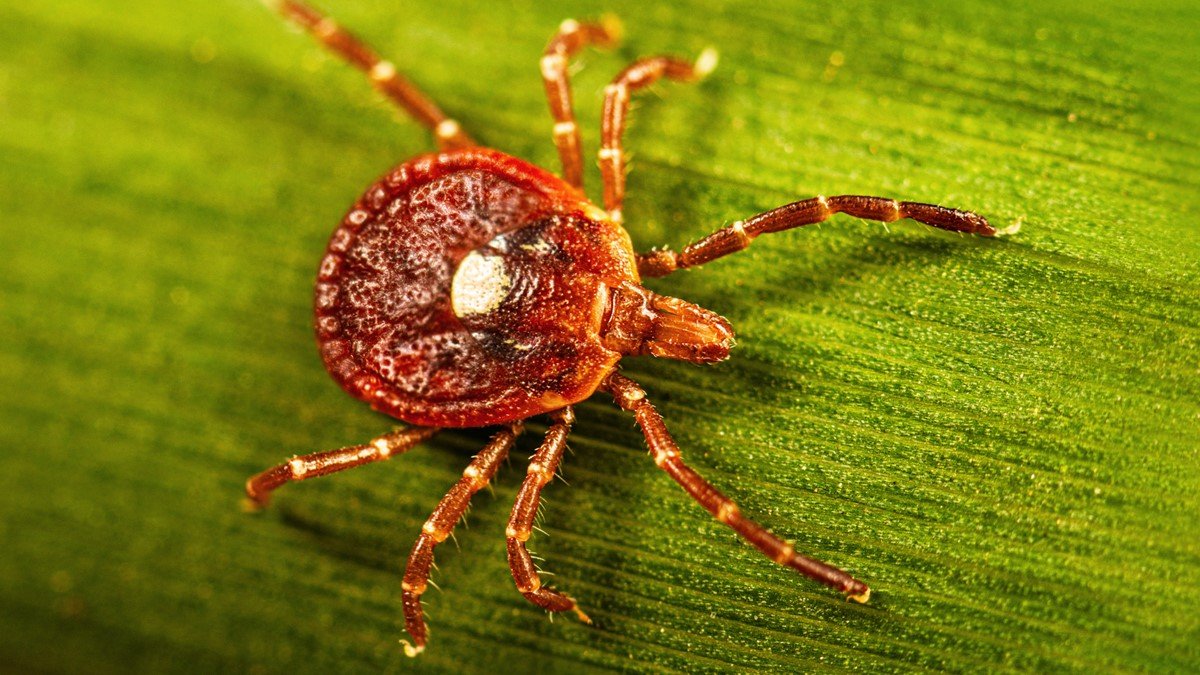
Quick answer: A tick attaches to feed; a paper wasp delivers a brief, often immediately painful sting. Finding an attached tick is a stronger clue than the appearance of the skin. First aid differs because a tick must be removed, while a wasp sting usually leaves no stinger.
Get emergency help: In the United States, call 911 for trouble breathing, tongue or throat swelling, collapse, or rapidly worsening whole-body symptoms. Use prescribed epinephrine as directed for suspected anaphylaxis.
| Clue | Lone star tick bite | Paper wasp sting |
|---|---|---|
| What happened | An attached tick after outdoor exposure. | Sudden pain during contact with a wasp or near a disturbed nest. |
| What remains | A tick may still be attached. | A retained stinger is not typical. |
| Priority | Remove the tick and record the exposure. | Leave the nest area and watch for allergy symptoms. |
The useful distinction is attachment versus a momentary sting. Do not wait for a species identification before removing an attached tick. After a suspected wasp sting, avoid returning to the nest or reaching into sheltered areas to inspect it. Symptoms elsewhere in the body matter more than the size of the local mark.
Source context: CDC: What to do after a tick bite; MedlinePlus: Bee, wasp, hornet, or yellow jacket sting.
First compare the mechanism. Ticks attach and feed for a period of time; mosquitoes and fleas feed and leave; wasps inject venom in a sting; mites can produce intensely itchy dermatitis; spiders may bite defensively but many presumed “spider bites” are never linked to a witnessed spider. These mechanisms create different exposure stories even when the resulting skin looks similar.
Second, compare distribution. A single lesion, a cluster, multiple lesions around ankles, a reaction after sleep, or a mark at the site of a removed tick can shift the probability, but none is perfectly specific. Third, compare systemic symptoms. Fever, severe headache, neurologic symptoms, widespread hives, or breathing difficulty changes the medical priority regardless of the exact species.
The most important question is not which mark looks more dramatic. The priority is whether there is an ongoing exposure, a serious allergic reaction, a possible bacterial infection, or a plausible vector-borne illness. A small mark can accompany important systemic symptoms, while a large local reaction can remain limited to the skin. Let symptoms and exposure guide escalation.
If fever, headache, rash, or unusual illness develops after a tick exposure, tell the clinician where and when the exposure occurred. If widespread hives or airway symptoms follow a sting, treat allergy as the priority. If a lesion becomes increasingly warm, painful, swollen, or pus-filled, infection becomes more important than the original species guess.
Redness, itching, swelling, tenderness, papules, blisters, and discoloration are shared responses to many bites, stings, allergic reactions, irritants, and skin infections. Lighting, skin tone, scratching, time since exposure, and secondary infection can all change the way a lesion looks. A photograph is useful for documenting change, but it rarely proves which arthropod caused a mark.
Exposure history usually adds more information than a single image. Record where the event happened, whether an arthropod was seen, whether a tick was attached, whether the reaction followed sleep, yard work, hiking, pet contact, travel, or a nest disturbance, and how quickly symptoms appeared. These details help separate plausible causes without creating false certainty.
Take a dated photograph in similar lighting if the skin is changing, and note whether pain, itching, redness, or swelling is improving, stable, or worsening. Also record fever, headache, nausea, vomiting, dizziness, unusual fatigue, muscle aches, swollen lymph nodes, breathing symptoms, or a rash elsewhere on the body.
The trend matters more than a rigid timeline. A mild local reaction that gradually becomes less uncomfortable is different from a lesion that becomes hotter, more painful, rapidly larger, drains pus, develops red streaking, or occurs with fever. If systemic symptoms develop after a plausible vector exposure, tell the clinician the date and geographic location of the exposure.
| Mistake | Why it can cause problems | Safer approach |
|---|---|---|
| Scratching, squeezing, or cutting the site | Can damage the skin barrier and introduce bacteria. | Keep the area clean and reduce friction. |
| Using bleach, acids, gasoline, or caustic remedies | Can cause chemical burns and obscure the original reaction. | Use gentle washing and evidence-based first aid. |
| Applying ice directly to skin | Can cause cold injury. | Wrap a cold pack in cloth and use short intervals. |
| Taking leftover antibiotics | May not treat the cause and can cause adverse effects. | Use antibiotics only when prescribed for a clinical indication. |
| Diagnosing from social-media pictures | Many unrelated conditions look similar. | Combine exposure, symptoms, progression, and professional assessment. |
Seek prompt medical advice for fever, severe or worsening pain, rapidly spreading swelling, pus, red streaking, a new or expanding rash, significant swollen lymph nodes with illness, persistent vomiting, severe headache, unusual weakness, or neurologic symptoms. Eye involvement, major facial swelling, and reactions close to the mouth or airway also deserve a lower threshold for assessment.
Call emergency services for trouble breathing, swelling of the tongue or throat, collapse, seizure, severe confusion, inability to wake, or a rapidly progressing severe allergic reaction. If a person has a prescribed epinephrine autoinjector and has been instructed to use it for anaphylaxis, use it promptly and still seek emergency care.
Bring a concise timeline: exposure date and location, recent travel, outdoor activity, body site, when symptoms began, and how they changed. Mention medicines, allergies, pregnancy, immune suppression, and major medical conditions. A clear photograph of the arthropod may help when it can be obtained safely, but do not handle a live animal or delay urgent care to capture it.
Separate local findings from whole-body symptoms. “An itchy two-inch patch” and “fever with dizziness” provide different clinical information. This distinction can help a clinician decide whether the main concern is local inflammation, allergy, secondary infection, venom effects, or vector-borne disease.
Use an EPA-registered repellent or the locally approved equivalent according to the label, wear protective clothing when practical, and inspect skin after outdoor activity. CDC advises EPA-registered repellents and loose-fitting long clothing for mosquito and tick prevention. For ticks, check clothing, gear, pets, and hidden skin areas after potential exposure.
Regional risk changes with season and surveillance. Use current public-health guidance for the place where exposure occurred rather than assuming that the same species and disease risks apply everywhere.
No. A photograph can document a change, but several bites, allergic reactions, and infections look alike. A useful animal photograph and an exposure timeline provide context for a clinician.
Keep the cause uncertain. Record when symptoms began, where you were, recent travel, and whether symptoms are improving or worsening. Do not treat the article title as a diagnosis.
No. The original exposure and a possible later infection require different decisions. A clinician can determine whether a medicine is appropriate; an unexplained bump alone does not establish that need.
Educational information for US readers; not an individual diagnosis. Source links checked September 12, 2026. This article does not claim review by a medical professional.