A lone star tick bite is one type of tick bite, not a distinct skin pattern. Identifying the tick helps assess risks such as ehrlichiosis, STARI, and alpha-gal syndrome, but a bite does not guarantee any of them. Remove attached ticks promptly, and seek care for concerning illness or allergic symptoms.
A lone star tick search can quickly mix together three very different worries: an itchy local spot, an expanding rash after exposure, and an allergy that may cause symptoms after eating certain foods. Treating all three as the same reaction makes it harder to know what to do. The first task is to separate what you observed from what you suspect.
This guide compares an unidentified tick exposure with one attributed to Amblyomma americanum, the lone star tick. It is primarily for U.S. readers. The tick specimen, exposure location, symptom timing, and clinical evaluation are more useful than trying to diagnose a bite from a photograph.
1. What changes when a lone star tick is identified?
A species identification can help a clinician focus the exposure history. It cannot show whether the tick carried an infection, whether transmission occurred, or whether you will develop an allergy. Those questions need different evidence. A tick found near you also is not necessarily a tick that attached to you.
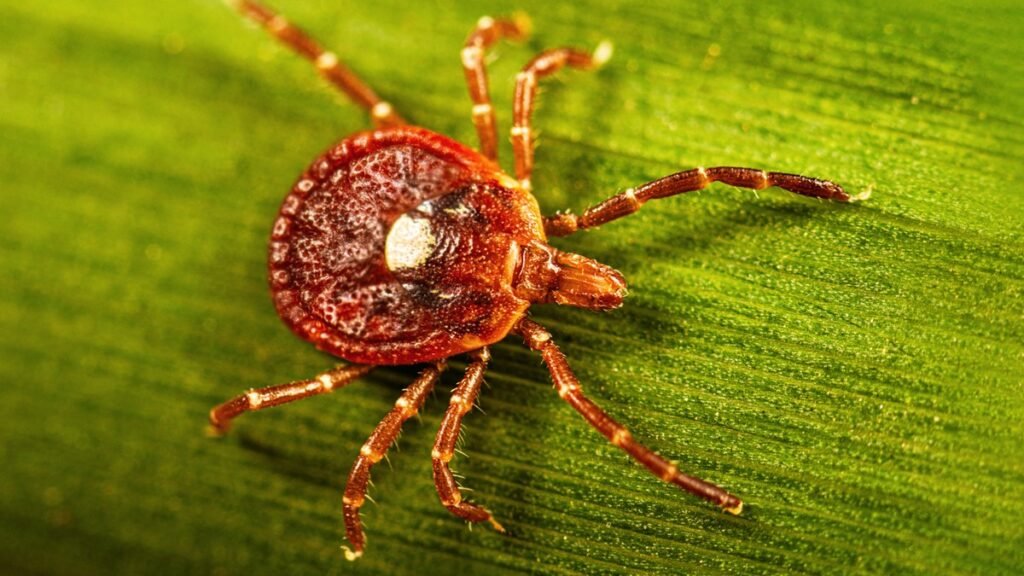
CDC describes lone star ticks across the Northeast, South, and Midwest. The adult female commonly has a pale spot on her back, but that feature is not a universal checklist for every life stage. CDC discusses ehrlichiosis, other infections, STARI, and alpha-gal associations in its tick identification and distribution reference.
| Issue | Species unknown | Lone star tick identified |
|---|---|---|
| What is established? | A tick encounter or attachment, depending on what was observed. | Species identity, with the certainty of the identification recorded. |
| Does the bite predict illness? | No; symptoms and exposure details matter. | No; not every bite causes infection, rash illness, or allergy. |
| What should be discussed? | Regional ticks, timing, and the person’s symptoms. | Species-associated risks, including ehrlichiosis, STARI, and alpha-gal context. |
| What is the immediate step? | Remove an attached tick promptly. | The same prompt removal and documentation. |
| What is a common mistake? | Assuming every tick exposure means Lyme disease. | Assuming an itchy spot proves a food allergy. |
Use the identification to improve your record, not to close the case. A local reaction can occur without infection, and a clinically important illness may develop after the original site has become less noticeable. Keep looking at the whole symptom pattern.
2. Can pictures distinguish the tick or its bite?
Photograph the removed specimen with the whole body visible, ideally beside a scale reference. Keep a version without filters or digital sharpening. Small ticks, feeding changes, damaged specimens, and poor lighting can limit identification. Ask a qualified local service rather than relying on a confident comment attached to a blurry photograph.
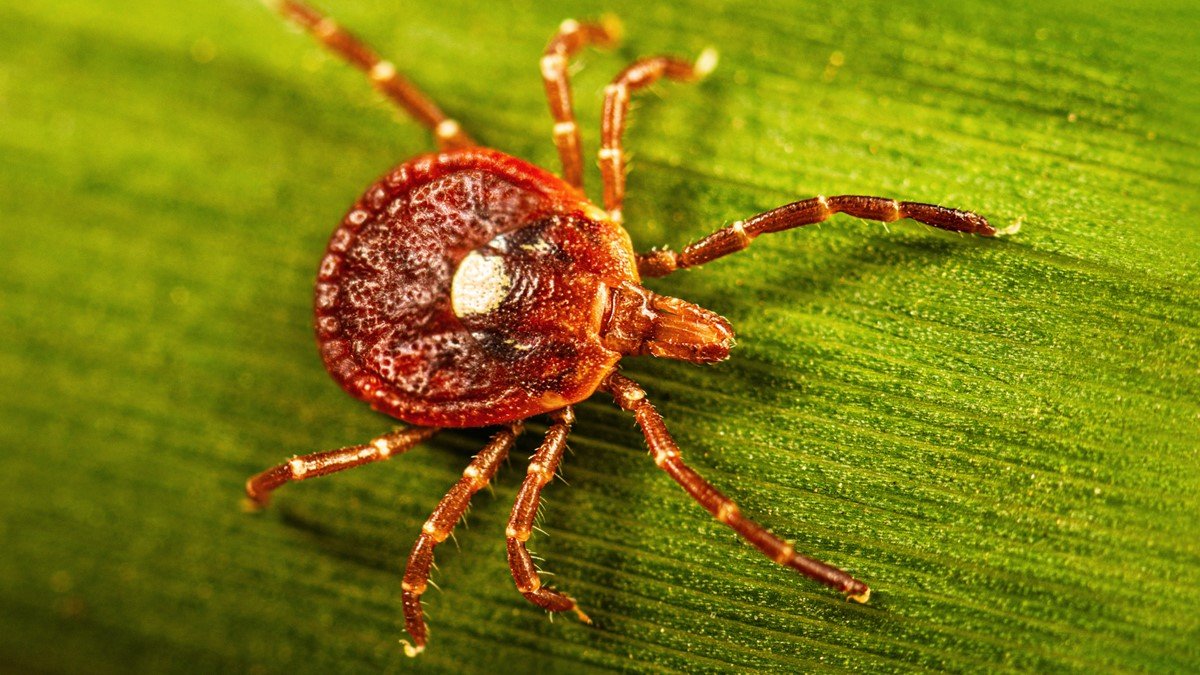
What the pale spot does and does not mean
The familiar single spot is associated with the adult female. A tick without that obvious feature should not automatically be ruled out as a lone star tick. Conversely, one pale reflection in a photograph should not be treated as confirmation. Life stage and the full specimen matter.
If the main alternative is another dog-associated tick, our lone star versus American dog tick comparison provides context. A tick found on a pet still needs identification; its host is not its species name.
Why skin photos have a different purpose
A photograph of the bite is useful for recording size and change. Take it with nearby normal skin visible, note the date, and use similar conditions for later images. Itching, redness, and a small bump do not establish the species. Do not increase the contrast to make a ring appear clearer or compare images taken at different scales as if they measured the same area.
3. How are local irritation, STARI, infection, and allergy different?
A small irritated spot at an attachment site is not the same thing as an expanding rash illness. CDC describes southern tick-associated rash illness, or STARI, as associated with lone star tick bites. Its cause remains unknown, and its rash can resemble the rash of Lyme disease. There is no diagnostic blood test specifically for STARI. See CDC’s STARI overview.
That resemblance is a reason for assessment, not for deciding at home that an expanding rash is harmless STARI. A clinician considers where the exposure occurred, what tick was identified, and other symptoms. CDC notes uncertainty about whether antibiotics are necessary or beneficial for STARI, while some clinicians treat because of the similarity to early Lyme disease.
Ehrlichiosis is a different problem: an infection that can follow bites from infected ticks, including lone star ticks. Fever, headache, muscle aches, and gastrointestinal symptoms can occur. A rash is not universal. The CDC symptoms guidance emphasizes seeking care if you become ill after a tick exposure and explains that delayed treatment can lead to severe disease.
Alpha-gal syndrome is an allergy associated with tick exposure rather than a bacterial infection. In affected people, reactions can occur after consuming products containing alpha-gal. CDC says symptoms commonly begin two to six hours after exposure to such products, and the first symptoms of the syndrome may develop weeks or months after a tick bite. See CDC’s alpha-gal symptoms resource.
These are different timelines and mechanisms. A large itchy bite does not measure your future alpha-gal risk. A later stomach complaint does not automatically prove the syndrome either. Report patterns and timing to a clinician rather than using one symptom as a shortcut to diagnosis.
4. What should you do right after a bite?
Remove an attached tick promptly with clean fine-tipped tweezers held close to the skin, pulling with steady pressure. Clean the bite area and your hands afterward. Avoid heat, nail polish, and other attempts to force detachment. Check for additional ticks and follow the CDC after-bite instructions.
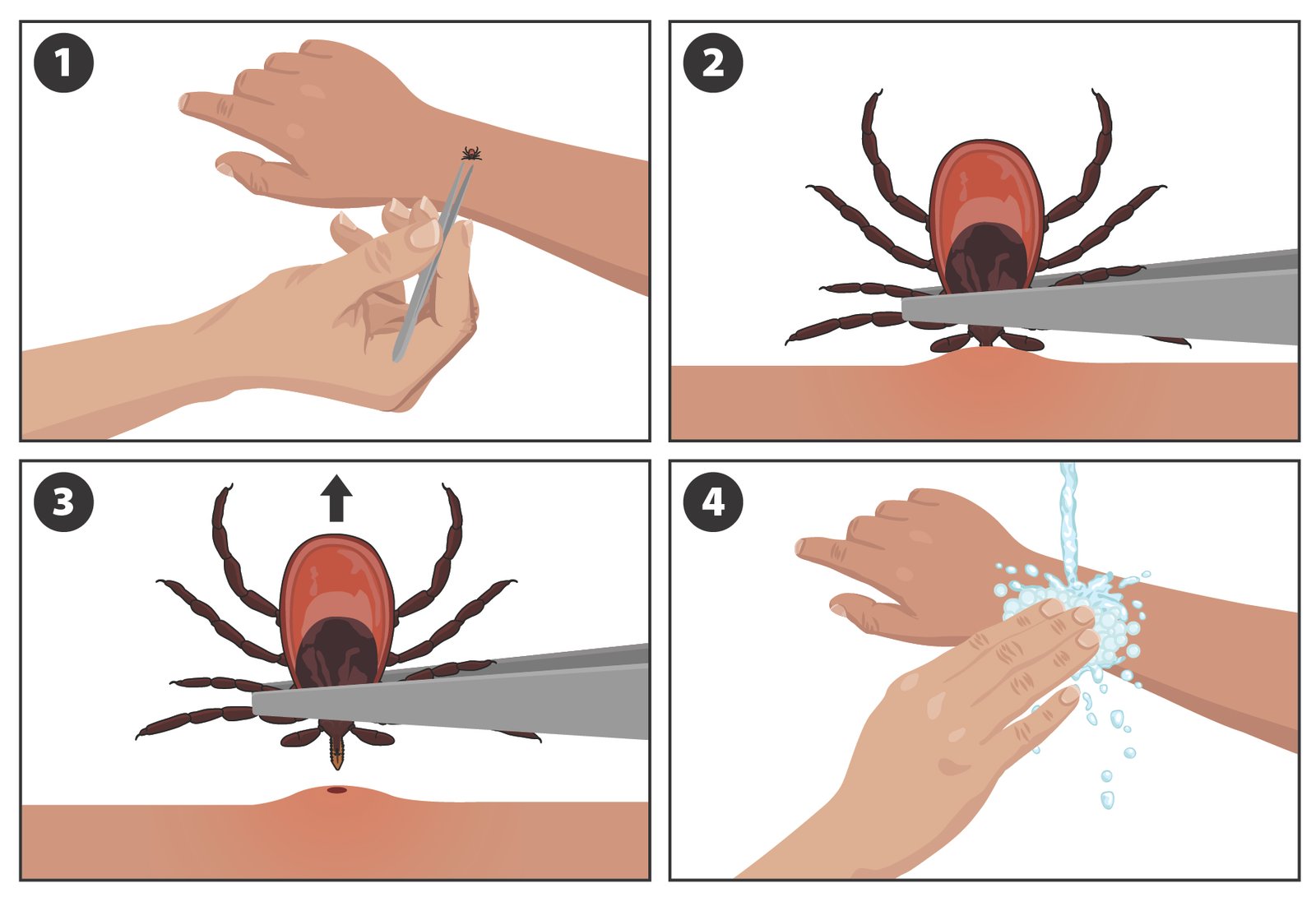
If the specimen is available, take a useful photograph and store it securely if an identification service requests it. Do not postpone removal to obtain a perfect image. Record the place, date found, body location, and whether the duration of attachment is known. “Unknown” is better than a confident guess.
For mild irritation, keep the site clean and avoid scratching. Ask a pharmacist about appropriate symptom-relief products if needed, particularly for children, pregnancy, broken skin, or other medical conditions. A topical product does not prevent infection or alpha-gal syndrome.
Do not immediately start a restrictive diet solely because you found a lone star tick. Nor should you deliberately eat a suspected trigger to test yourself if you later experience concerning reactions. Dietary decisions and allergy evaluation should follow your actual symptoms and clinical advice.
5. Which symptoms need prompt or emergency care?
Fever, a new or expanding rash, significant headache, or feeling increasingly unwell after exposure warrants prompt medical advice. Describe the bite even if you no longer see the original spot. For local changes, worsening pain, warmth, drainage, or spreading redness deserves evaluation instead of repeated home treatment.
| Pattern | Next step | Important detail to report |
|---|---|---|
| Small local irritation; otherwise well | Clean, avoid scratching, and document changes. | Removal date and whether a tick was identified. |
| Expanding rash or new fever after exposure | Contact a clinician promptly. | When the rash or illness began, not just when the bite was found. |
| Repeated symptoms after certain meals or products | Discuss possible allergy with a clinician; avoid self-challenge. | Food or product, time consumed, symptoms, and delay before onset. |
| Breathing trouble, throat swelling, collapse, or severe allergic symptoms | Use prescribed epinephrine according to your plan and call 911 in the U.S. | Current symptoms; seek emergency help even if treatment seems to help. |
Severe allergic reactions can involve more than skin symptoms. Follow an existing emergency allergy plan if you have one, and seek emergency care. Do not wait to prove that a food contained alpha-gal. If you have no prescribed epinephrine, call emergency services rather than borrowing or improvising a treatment plan.
Our tick warning signs guide covers wider escalation questions, and the alpha-gal syndrome guide explains the allergy topic separately. Neither should replace emergency help for current severe symptoms.
When symptoms change after an earlier assessment, contact the clinician again. “The bite was checked yesterday” does not mean a new fever or breathing symptom should be ignored today. Explain what is different and when it began.
6. What about antibiotics, testing, and an allergy diagnosis?
There is no single medicine or test that resolves every concern after a lone star tick bite. Antibiotics treat particular bacterial illnesses; they do not serve as a general treatment for every local reaction or food allergy. A clinician decides whether the pattern suggests infection and which evaluation is appropriate.
CDC does not recommend antibiotic prophylaxis solely to prevent ehrlichiosis after a tick bite. When illness is suspected, however, prompt treatment is important. The CDC ehrlichiosis care guidance distinguishes these decisions. Do not use leftover antibiotics as reassurance that any later symptom is covered.
Similarly, a specimen identified as a lone star tick does not establish alpha-gal syndrome. A clinician evaluates the reaction history and may arrange appropriate allergy testing. Keep a factual record of episodes rather than removing numerous foods based on fear alone. Never stop a prescribed medicine simply because an online list says it may contain an animal-derived ingredient; ask the prescriber or pharmacist about your situation.
If the tick species was uncertain and Lyme exposure is plausible, tell the clinician promptly. A suspected lone star identification should not close a time-sensitive discussion about another possible tick. Be clear about whether the identification came from an examined specimen or your own photograph comparison.
Commercial pathogen testing of the tick does not answer whether you have an infection, STARI, or a food allergy. A result from the specimen should not substitute for the person’s medical assessment. New symptoms deserve attention even if a tick-test report is negative.
7. What should you record and how can you prevent another bite?
Keep an exposure note with dates, location, photographs, and the identification result if available. A good record separates the bite event from later symptoms. If a possible food-associated reaction occurs, add the meal or product, the time, the symptom onset, and what happened next. This is an observation log, not an invitation to repeat a suspected trigger.
For example, “tick removed on a Saturday; later episode of hives several hours after dinner” gives a clinician a starting point. It does not prove a connection. Include other ingredients, medicines, exercise, or relevant circumstances as the clinician requests. Avoid rewriting the history after reading a diagnosis online; preserve what you actually noticed.
Use labeled repellents and protective clothing, and check after outdoor activity. CDC’s tick prevention guidance covers body checks, clothing, and equipment. Follow product directions carefully, especially for children. Clothing-treatment products should not be assumed safe for direct skin application.
Give household routines a simple sequence: return from outdoors, check clothing and gear, inspect the body, and check pets. Keep tweezers accessible. Repeated tick encounters on the same route or property deserve a review of the routine, not a assumption that one repellent application provides complete protection.
Our home and yard prevention guide can help with local planning. If you are comparing a sudden painful sting with a tick attachment, the lone star tick versus paper wasp guide addresses that different question.
8. Frequently asked questions
Does every lone star tick bite cause alpha-gal syndrome?
No. A bite does not establish the syndrome or predict who will develop it. Seek assessment if symptoms suggest an allergy, and record their timing. Do not diagnose yourself from the size or itchiness of the original bite.
Is STARI the same as Lyme disease?
No. CDC describes STARI as an illness of unknown cause associated with lone star tick bites; its rash can resemble Lyme disease. That similarity makes clinical assessment important. Do not use a picture to decide which condition is present.
Does an absent white spot rule out a lone star tick?
No. The familiar single pale spot is a feature of the adult female, not every life stage. Image quality and feeding state also matter. Ask for qualified identification when the distinction affects your exposure assessment.
Should I stop eating meat immediately after a bite?
A tick bite alone does not justify diagnosing a food allergy or making broad dietary restrictions. If you experience a suspected reaction, seek medical advice and do not deliberately test the trigger yourself. Severe allergic symptoms need emergency care.
Can ehrlichiosis occur without a rash?
Yes. A rash is not present in every case. Fever and other illness after exposure should be discussed promptly, even if the bite mark looks mild. Do not wait for a specific skin pattern before contacting a clinician.
What is the most useful thing to tell a doctor?
Lead with current symptoms, when they began, and the date and place of tick exposure. State how certain the identification is. For possible allergic episodes, add the timing of meals or products and the delay before symptoms.
The safest way to understand a lone star tick bite is to separate the exposure from the possible consequences. Remove attached ticks and document them, but do not turn a species name into an automatic diagnosis. An expanding rash, febrile illness, and delayed allergic symptoms require different clinical questions. Seek timely care for new symptoms, emergency help for severe reactions, and professional guidance before major medication or diet changes. A clear timeline and practical prevention routine are more useful than repeatedly comparing a single skin mark with online pictures.
Educational information; not a personal diagnosis. Sources checked September 22, 2026. CDC images are available free from CDC and the Public Health Image Library. Their use does not imply endorsement of StingHelp by CDC, HHS, or the U.S. Government.