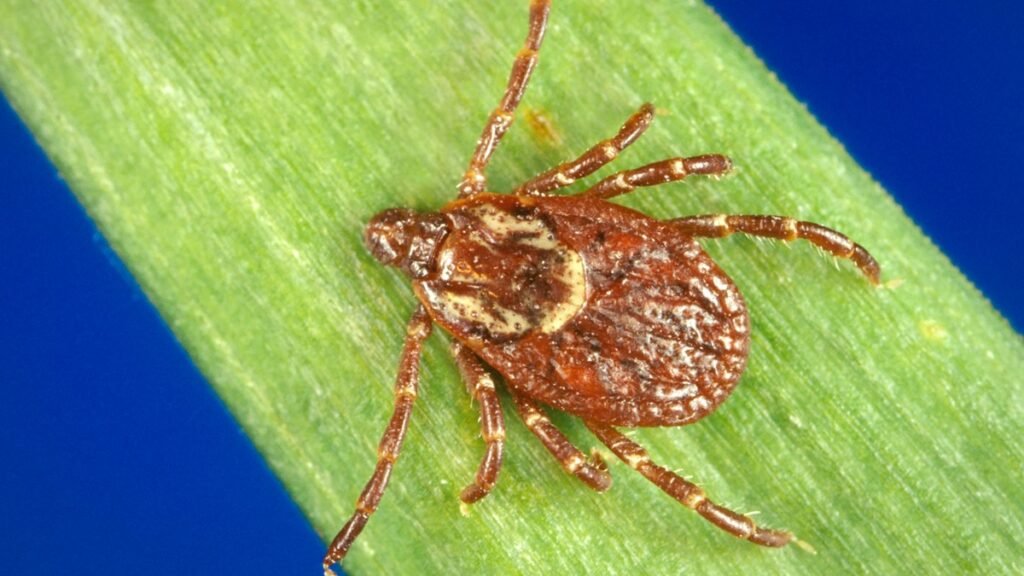
An American dog tick bite is a type of tick bite, not a separate kind of skin injury. A red bump cannot reliably identify the species. The tick itself, exposure location, and symptoms help guide assessment. Remove attached ticks promptly, and seek medical advice for fever, an expanding rash, or worsening illness.
Finding a tick after a walk can leave you comparing pictures, wondering whether the words “dog tick” mean a different treatment, and trying to decide how urgently to call a doctor. The useful comparison is between an unidentified tick exposure and an exposure in which an American dog tick has been reliably identified. Identification can narrow the discussion about possible infections, but it cannot tell you whether transmission occurred.
This guide focuses on that decision. It does not diagnose your bite from a photograph. The advice below is primarily for the United States; people bitten while traveling should tell a clinician the actual country and region of exposure.
1. What changes when the tick is identified?
“Tick bite” describes an event. “American dog tick” names an animal commonly associated with the scientific name Dermacentor variabilis. Knowing that name adds information about the exposure, while the immediate priorities remain removal, documentation, and watching for illness. A tick found on a dog is not automatically an American dog tick: several species feed on dogs.
CDC identifies American dog ticks as vectors of Rocky Mountain spotted fever and tularemia. A vector is an organism capable of transmitting a pathogen; the label does not mean every individual tick is infected or every bite causes disease. Distribution also matters. CDC distinguishes D. variabilis, broadly distributed east of the Rocky Mountains, from the more recently described western species D. similis. See CDC’s tick distribution and identification reference.
| Question | Unidentified tick bite | American dog tick identified |
|---|---|---|
| What is known? | A tick attached, but the species remains uncertain. | The specimen has been identified; infection status remains unknown. |
| Does the bump look different? | A small irritated spot may occur. | There is no dependable species-specific skin signature. |
| What changes medically? | The clinician considers local species and the exposure history. | Species information helps focus discussion of RMSF and tularemia. |
| What should happen first? | Remove an attached tick and record the exposure. | The same immediate removal and recordkeeping steps. |
| What must not be assumed? | That every unknown tick is a Lyme-carrying tick. | That the word “dog” makes the bite harmless to people. |
Use this distinction when reading online comparisons. An article that treats every tick bite as a different condition from an American dog tick bite can create a false choice. You are establishing how much is known about one exposure, not choosing between mutually exclusive diagnoses.
2. What can pictures tell you?
A clear photograph of the removed tick is generally more useful for species identification than a close-up of irritated skin. Include the entire tick, use natural light, and place a ruler nearby if you can do so without handling it with bare fingers. Keep the original image rather than only a heavily cropped or filtered version. Color filters and digital sharpening can create misleading markings.
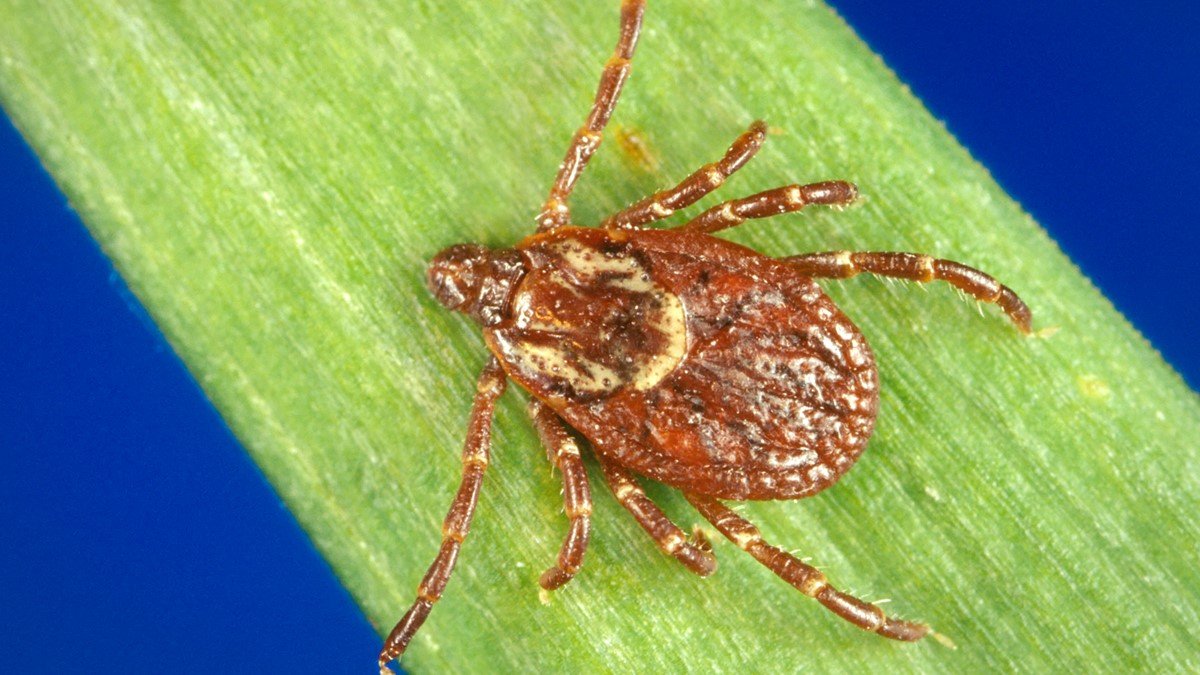
Tick photograph versus bite photograph
Photograph the skin separately, with enough surrounding skin to show the size and location of the change. A photo taken immediately after removal is a baseline; later photos can document enlargement or other changes. Record when each image was taken. Two pictures taken under very different lighting can appear to show a dramatic color change when the real difference is illumination.
Ticks also change appearance after feeding. A swollen specimen may not resemble an unfed reference photograph. Small or damaged ticks can require professional identification. Ask a local health department or university extension service whether identification is available, but do not delay removal or medical care while waiting for an answer.
Why a bull’s-eye comparison is not enough
Do not use a missing bull’s-eye rash as proof that an exposure is safe. Different tickborne illnesses have different presentations, and some important symptoms are unrelated to the original bite mark. If you are comparing another arthropod, our American dog tick versus stable fly comparison explains why witnessing attachment is more useful than guessing from a bump.
3. What should you do immediately?
Remove an attached tick as soon as possible. Using clean fine-tipped tweezers, grasp near the skin rather than squeezing the swollen body, and pull with steady pressure. Clean your hands and the bite area afterward. If mouthparts break off and cannot be removed easily with tweezers, avoid digging into the skin. CDC advises leaving difficult fragments alone as the skin heals. Follow the CDC removal instructions.
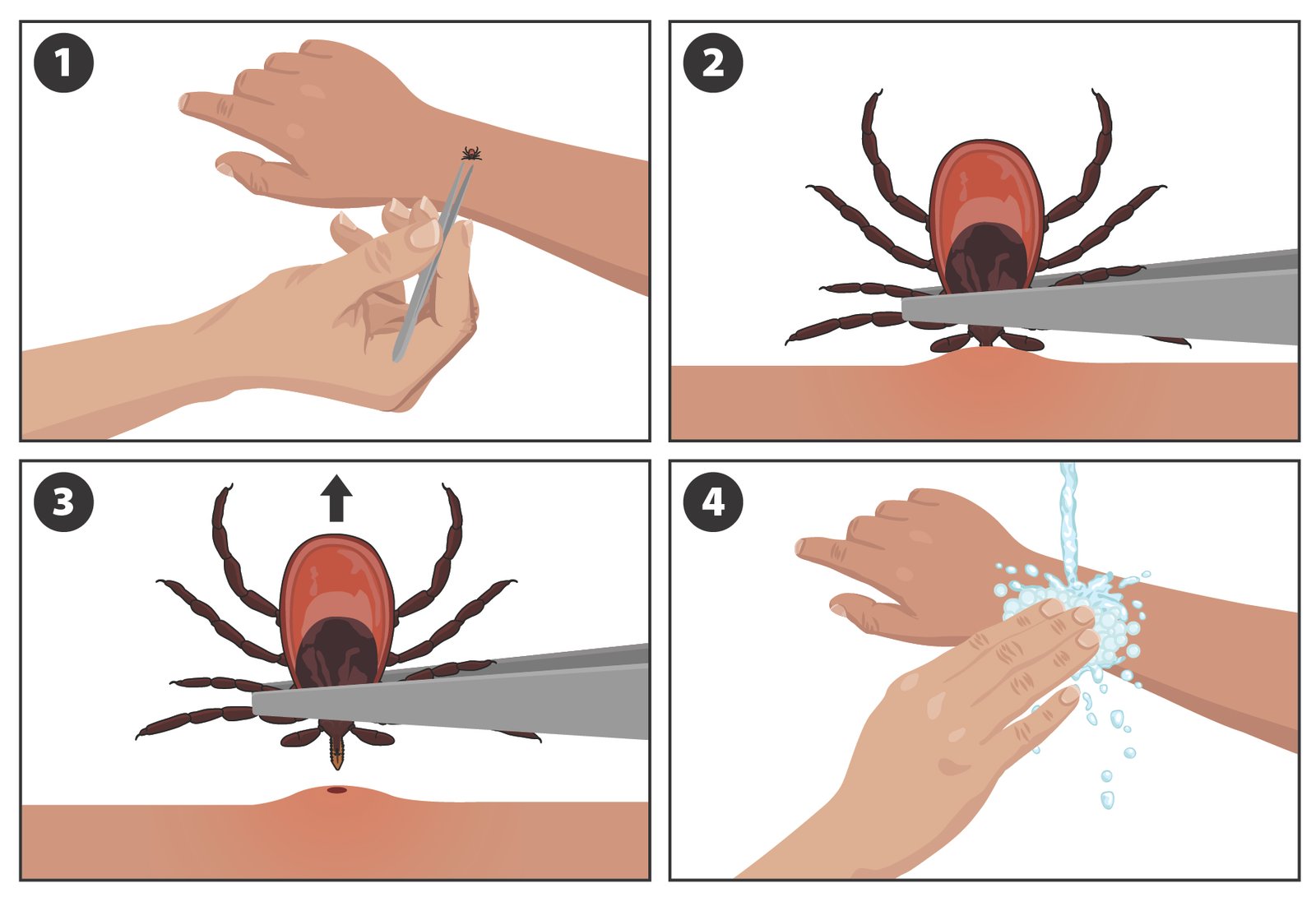
Do not burn the tick, coat it with nail polish, or wait for petroleum jelly to make it release. Those approaches delay removal. Afterward, check the rest of your body and your clothing for additional ticks. If you keep the specimen for identification, use a secure container and ask the receiving service how it wants the tick stored.
For a mildly irritated site, gentle washing and avoiding scratching are sensible first steps. Ask a pharmacist before using an over-the-counter product if the patient is a child, pregnant, taking other medicines, or has sensitive or broken skin. A cream that reduces itching does not prevent a tickborne infection. Avoid treating symptom relief as evidence that no further monitoring is necessary.
4. Which symptoms need medical attention?
Watch how you feel, not only how the spot looks. Fever, a new rash, marked headache, or feeling significantly unwell after a tick exposure warrants prompt medical advice. Mention the bite even if the mark has faded. The CDC RMSF overview explains that early illness can be nonspecific and the rash may appear after fever begins. Waiting for a textbook rash can delay care.
| Situation | Practical next step | What to bring or report |
|---|---|---|
| Attached tick; otherwise well | Remove promptly, clean the area, and document the exposure. | Removal date, likely location, and specimen photograph. |
| Fever, new rash, strong headache, or worsening illness | Contact a clinician promptly; ask about same-day evaluation. | Tick exposure plus the time symptoms began. |
| Increasing local pain, warmth, pus, or spreading skin change | Seek assessment rather than repeatedly applying home remedies. | Baseline and current photographs and treatments already used. |
| Breathing trouble, collapse, confusion, or severe rapid deterioration | Call 911 in the United States. | Immediate symptoms; do not delay emergency care to find a tick. |
American dog ticks can also transmit tularemia. Depending on the route of infection, symptoms can differ, so a clinician needs more than a tick name to evaluate the possibility. Tell them about contact with sick wildlife or other relevant outdoor exposures as well. CDC’s tularemia overview describes these additional routes; an outdoor illness should not automatically be attributed to the one bite you noticed.
Our tick bite warning signs guide provides broader context. If symptoms are severe, use emergency services instead of reading additional comparisons.
5. Do you need antibiotics or a tick test?
Antibiotics after a bite and antibiotics for an illness are different decisions. CDC does not recommend preventive antibiotics solely to prevent RMSF after a tick bite. However, when a clinician suspects RMSF, prompt treatment is important and should not wait for delayed confirmation. See CDC clinical care guidance. Do not use leftover antibiotics or assume a drug prescribed for another infection is suitable.
Lyme prevention is a separate, selective decision involving the likely tick species, exposure location, attachment history, and time since removal. An unknown tick may be misidentified, so ask promptly when Lyme exposure is plausible rather than assuming your own picture match settles the issue. A clinician can use the CDC Lyme prophylaxis resources to decide whether preventive treatment is appropriate.
Commercial testing of the tick does not diagnose the person. A positive tick result does not establish transmission, and a negative result does not exclude another unnoticed exposure. This is why identification and pathogen testing should not be treated as interchangeable services. Save useful identification information if available, but seek care based on symptoms rather than waiting for a mailed specimen result.
Prepare a short question list for the appointment: Was the species identified confidently? Does my exposure history change the evaluation? Which symptoms should trigger another call? Is any follow-up needed? Those questions are more useful than asking for a universal “tick bite panel” without explaining the timing or clinical picture.
6. How can you make monitoring useful?
Create a single note containing the date found, removal time, body location, likely exposure area, and whether the tick appeared swollen. If the attachment duration is unknown, write “unknown.” Do not substitute the length of your hike for attachment time; the tick might have been picked up earlier. Add new symptoms with dates, and keep photographs together in the same folder.
Keep a copy of the identification photograph even after an office visit. If the clinician requests additional information, the original file may show details missing from a screenshot. Record any identification advice as advice, including the name of the service and whether it examined the specimen or only the image. That helps a later clinician understand the strength and limits of the identification.
When you call, lead with current symptoms and the date of exposure. A receptionist or triage nurse needs that information before a detailed discussion about the photograph. Ask where to seek care if your usual office is closed.
For example, “removed Tuesday evening after yard work; attachment duration unknown; felt well until Thursday morning” is more informative than “probably a dog tick last week.” This example is a recordkeeping template, not a prediction of when illness will begin. A clinician can interpret the actual timeline without having to separate your observations from guesses.
If a family member finds the tick, ask them what they directly observed. Did it resist removal because it was attached, or was it walking on clothing? Did they photograph it before disposal? Keep uncertainty visible. A clear record of what is not known is safer than confidence based on a blurry image.
Do not repeatedly squeeze or scrape the bite to see whether it changes. Document changes calmly and follow the escalation advice above. People who are immunocompromised, pregnant, or caring for a young child should mention that context when contacting a clinician, because individual assessment matters more than an online checklist.
7. How do you reduce another exposure?
Prevention should fit the places where exposure occurs. Use an EPA-registered repellent according to its label, choose appropriate protective clothing, and check yourself after spending time in grassy or brushy areas. CDC discusses treated clothing, body checks, and other measures in its tick prevention guidance. Products for clothing are not automatically products for skin; follow each label.
Build the check into an existing routine, such as returning from a dog walk or changing after gardening. Put a mirror and clean tweezers where you can find them. For children, make an age-appropriate caregiver check part of getting cleaned up. This makes prevention a repeatable action instead of something remembered only after a bite.
Dogs also need a veterinarian-directed prevention plan. The presence of a tick on a pet does not establish the species. For a more specific comparison, see American dog tick versus brown dog tick. For environmental planning, use our home and yard bite-prevention guide. Neither approach replaces checking people after exposure.
8. Frequently asked questions
Is an American dog tick bite different from a regular tick bite?
It is one specific type of tick bite. The important difference is how much is known about the tick and the diseases associated with that species. Immediate removal and attention to symptoms remain necessary even when identification seems clear.
Can an American dog tick bite be painless?
You may discover a tick without remembering pain at attachment. Whether you noticed the bite does not determine whether the specimen needs removal or whether later symptoms need evaluation. Record the time you found it without guessing when it first attached.
Does finding it on my dog prove the species?
No. “Dog tick” is not an identification method, and dogs encounter multiple tick species. Use the actual specimen and a qualified identification resource. Tell your veterinarian about ticks on the pet, and tell your clinician about ticks attached to you.
Should I wait for a rash before calling a doctor?
No. Fever or significant illness following exposure deserves prompt medical advice even without a rash. With RMSF, the rash may arrive later, and early assessment matters. Describe the entire illness rather than only the appearance of the bite.
Does one negative tick test clear me?
No. Tick testing cannot determine your personal infection status or account for unnoticed bites. Do not use the result to ignore symptoms or change prescribed treatment. Ask a clinician what evaluation is appropriate for your own timeline.
What if the bite happened outside the United States?
Report the country, region, travel dates, and outdoor activities. U.S. distribution maps are not global risk maps. A familiar-looking tick does not justify importing U.S. species assumptions into an overseas exposure.
The most useful next step is to turn uncertainty into a clear record: remove an attached tick, keep an identification photograph if feasible, and write down the place and timing. An American dog tick identification can guide a medical conversation, but it cannot confirm or exclude infection. Respond to new symptoms promptly, including illness that appears after the original mark fades. If you remain well, use the encounter to improve your next outdoor routine rather than repeatedly testing or manipulating the skin. The goal is timely care when needed and practical prevention afterward, with the limits of photographs kept clear.
Educational information; not a personal diagnosis. Sources checked September 22, 2026. CDC reference images are available free from CDC and the Public Health Image Library. Their use and links do not imply endorsement of StingHelp by CDC, HHS, or the U.S. Government.