# Do Bed Bugs Prefer Clean or Dirty Homes?
Do bed bugs prefer clean or dirty homes? The direct answer is neither. Bed bugs do not choose a home based on how clean or dirty it is, and an infestation is not a reflection of your hygiene, your housekeeping, or your character. The U.S. Environmental Protection Agency addresses this myth head on: bed bugs are not attracted to dirt and grime; they are attracted to warmth, blood, and carbon dioxide. A spotless apartment can host an infestation just as easily as a cluttered one, and luxury hotels, college dorms, hospitals, and pristine guest bedrooms all show up regularly in pest control reports.
This myth matters more than most household pest misconceptions because it carries shame. Shame makes people hide the problem, skip reporting it to a landlord or building manager, and delay calling a pest professional. Every week of delay gives a small, containable problem time to spread to neighboring rooms or units. Understanding why this is the wrong question entirely is the first step toward acting quickly and without embarrassment.
In this article, we cover what bed bugs are actually attracted to, why the dirty home myth refuses to die, the one real difference clutter makes, how infestations actually start, and what you can realistically do to lower your risk. Everything here is informational. Bite identification, treatment of skin reactions, and professional pest control decisions belong to qualified clinicians and licensed pest management professionals, not to a website article.
What Bed Bugs Are Actually Attracted To
Bed bugs are parasites, and their biology is narrow and simple: they need blood. Specifically, they feed on the blood of humans and other warm-blooded animals, and that single need drives almost everything about where they live, when they feed, and how they spread. They do not eat crumbs, garbage, grease, or grime, which is why sanitation levels that control cockroaches and rodents have little effect on whether bed bugs take hold.
Warmth, Blood, and Carbon Dioxide
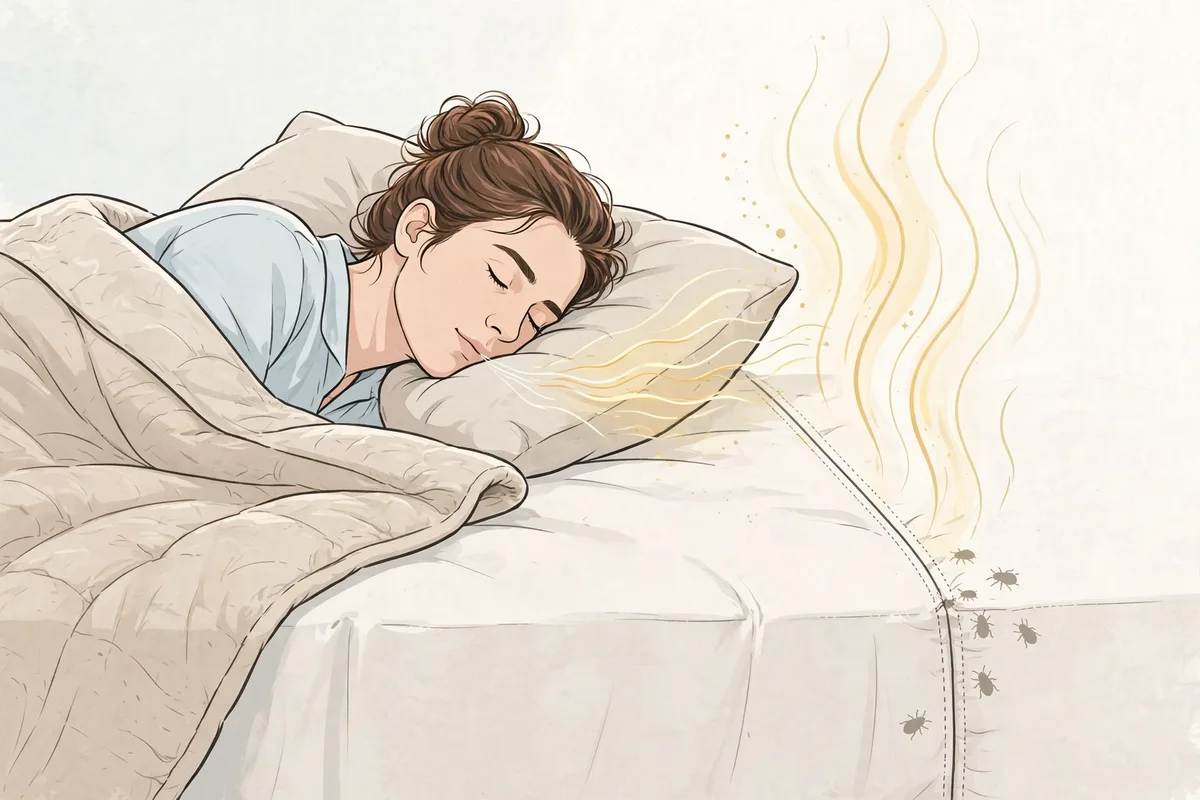
The EPA’s bed bug myths page states the attractant list plainly: warmth, blood, and carbon dioxide. When you sleep, your body radiates heat and exhales carbon dioxide with every breath, and those signals guide bed bugs out of their daytime hiding spots toward the nearest sleeping host. Bed bug activity typically peaks in the hours before dawn, when hosts are still and deeply asleep. They are flat, wingless insects roughly the size of an apple seed as adults, and they crawl rather than fly or jump, so they settle close to where people sleep: mattress seams, box spring edges, bed frame joints, and headboard cracks.
This is also why cleanliness cannot protect you. A clean bedroom still contains a sleeping human producing exactly the signals bed bugs follow. Vacuuming and laundering reduce hiding spots and can remove some bugs and eggs, but no amount of cleaning changes the one variable that matters: a warm-blooded host who sleeps in the same place night after night.
Why Blood-Feeders Ignore Filth Entirely
It helps to contrast bed bugs with pests people associate with dirty kitchens. Cockroaches and rodents are scavengers that exploit food waste, so crumbs and garbage genuinely influence their populations. Bed bugs sit in a different category with mosquitoes and ticks: obligate blood-feeders. A mosquito does not check whether your house is tidy before biting you, and neither does a bed bug. The confusion is understandable, since most people have little everyday contact with blood-feeding insects inside the home, but the biology is clear and well documented by entomologists.
One practical consequence: advice aimed at filth-loving pests does not transfer. Deep-cleaning a kitchen, sealing food containers, or taking out the trash on a stricter schedule will not change your bed bug risk one way or another. Effort is better directed at the things that actually influence bed bug outcomes, which we cover later: inspecting sleeping areas, managing clutter near the bed, checking luggage after travel, and calling a professional promptly at the first reliable sign of a problem.
Why the “Dirty Home” Myth Persists
If the science is this settled, why does the myth survive? Several forces keep it alive, and recognizing them helps strip away the stigma that causes so much delay in real-world cases.
Association With Poverty and Dilapidated Housing
Bed bug infestations are visible wherever reporting happens, and historically they were reported most in crowded, low-income housing where maintenance was poor and infestations went untreated for long stretches. People connected the visible conditions with the cause. But the correlation runs the other direction: under-maintained buildings make infestations harder to eliminate because tenants have less access to professional treatment, units share walls and plumbing chases that let bugs travel, and landlords may be slow to respond. Poverty does not attract bed bugs. It reduces the resources available to get rid of them.
Clutter Makes Infestations Look Like a Dirt Problem
Cluttered homes show bigger, more advanced infestations, and observers mistake severity for cause. A bed piled with clothes, a floor covered in boxes, and a room packed with secondhand furniture give bed bugs more hiding places and make early detection nearly impossible, so by the time anyone notices, the population is large and visible. An observer sees a messy home and a heavy infestation and assumes one caused the other. In reality, the infestation arrived through hitchhiking, the same way it arrives in tidy homes, and the clutter simply let it grow unchecked for longer. The EPA’s phrasing captures this exactly: clutter offers more hiding spots, but the bugs were never attracted to the dirt.
Shame Feeds Silence, and Silence Feeds Spread
Stigma is the most damaging part of the myth. People who discover signs of bed bugs often feel embarrassed, worry that friends or landlords will judge them, and postpone telling anyone. That delay is costly. A small infestation confined to one mattress is far easier to treat than one that has spread behind baseboards, into wall voids, and to adjacent apartments. Multi-unit buildings are especially vulnerable, because bed bugs travel through shared walls and utility lines, and one silent unit can seed an entire floor. Public health messaging consistently frames bed bugs as a community problem requiring fast, open communication, not a personal failing to be hidden.
Clutter vs Dirt: The Distinction That Actually Matters
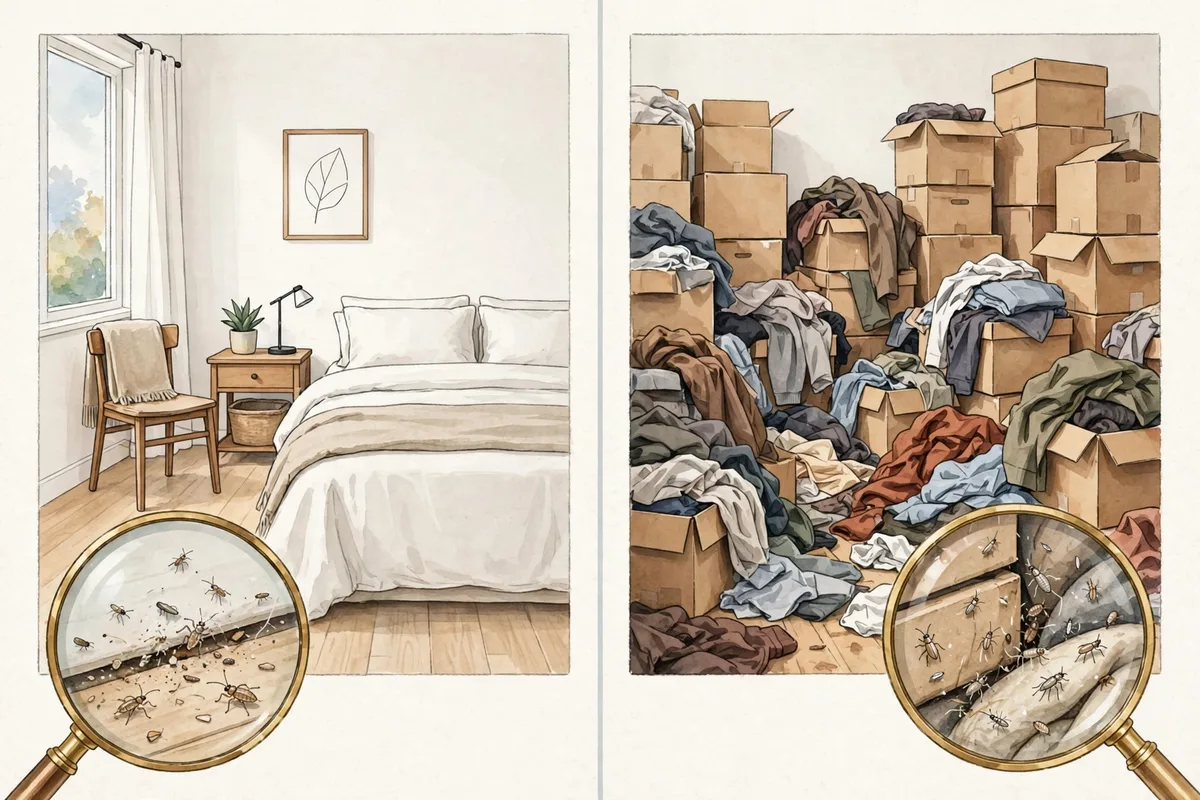
Clutter and dirt are not the same thing, and only one of them changes your bed bug odds. Getting this distinction right lets you focus on useful action instead of either panic cleaning or complacency.
What Clutter Actually Changes
Clutter gives bed bugs two advantages: more harborages and slower detection. Harborages are the cracks and crevices where bed bugs hide during the day, and a room packed with boxes, stacked laundry, and unused furniture offers far more of them within crawling distance of the bed. Slower detection matters just as much. In a minimal bedroom, a rust-colored fecal spot on a white mattress seam or a shed skin along a box spring edge is easy to notice. In a room where the mattress is buried under belongings, nobody sees those early warning signs. If you want to inspect effectively, learning what bed bugs look like and where they hide matters more than any cleaning product.
What Dirt Actually Does: Nothing
Dust, grime, soap scum, and food residue play no role in attracting, feeding, or breeding bed bugs. A dusty baseboard is no more inviting to a bed bug than a polished one if both offer the same crack to hide in. This is liberating in one sense and sobering in another: your housekeeping standards do not determine your risk, which means no amount of guilt about housework is warranted, but it also means a perfectly kept home can be infested through a single hitchhiking bug. The hygiene narrative is simply the wrong mental model.
Cleaning Still Helps, Just Not the Way People Think
Regular cleaning does not prevent infestations, but it pays off in three honest ways. First, decluttering the sleeping area reduces hiding spots and makes inspection possible, which is the single most useful thing a homeowner can do between professional visits. Second, vacuuming mattress seams, bed frames, and baseboards can physically remove some bugs and eggs, though it cannot eliminate an infestation on its own. Third, laundering bedding regularly means you handle and examine the sheets, pillowcases, and mattress cover, which creates routine opportunities to notice early signs like fecal spotting or shed skins. Think of cleaning as an inspection aid, not a repellent.
How Bed Bugs Get Into Homes in the First Place
If dirt does not bring bed bugs, what does? Movement. Bed bugs are hitchhikers, and nearly every infestation begins with a bug or a batch of eggs arriving on or in something that came from an infested location. Understanding these pathways is far more protective than any cleaning schedule.
Luggage, Travel, and Hotels
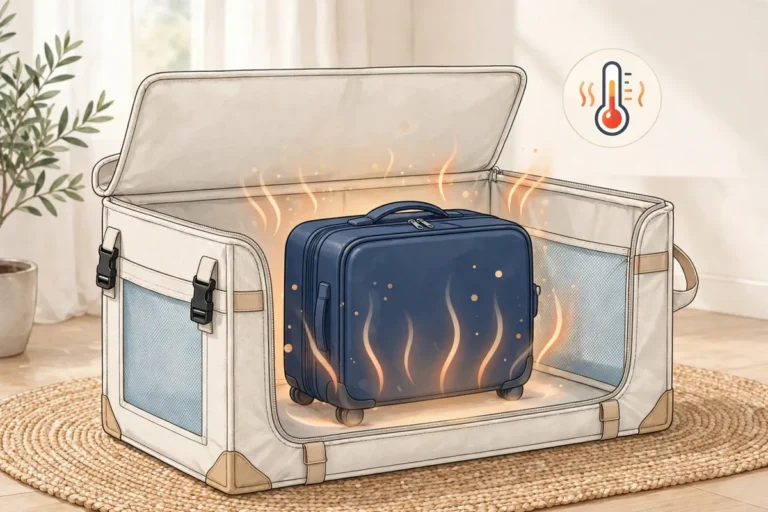
Travel is the classic vector. Bed bugs hide in hotel headboards, nightstands, and luggage racks, and a single fertilized female or a few eggs tucked into a suitcase seam can start a home infestation after a trip. This is why pest professionals advise inspecting hotel rooms on arrival, keeping luggage on racks away from the bed and wall, and checking bags before bringing them inside at home. Bed bugs ride public transit the same way, on bags, coats, and seat crevices, which is another route that has nothing to do with home cleanliness. Clean travelers in five-star hotels get bed bugs at meaningful rates, and the hotel industry treats it as a routine operational problem, not a cleanliness scandal.
Used Furniture and Shared Laundry
Secondhand mattresses, bed frames, couches, and upholstered chairs are high-risk items because bed bugs harbor exactly where inspectors look: seams, joints, tufts, and undersides. Bringing used bedroom furniture home without a careful inspection is one of the most common ways infestations begin in apartments. Shared laundry facilities can also transfer bugs between loads and machines, which is why experts recommend transporting laundry in sealed bags and folding clothes at home rather than on shared surfaces. Guests can carry bugs in overnight bags too, another pathway that reflects hospitality, not hygiene.
Multi-Unit Buildings and Neighbors
In apartments and condos, bed bugs move through wall voids, along plumbing and electrical chases, and under doors from neighboring units. This means a meticulous tenant in a clean apartment can develop an infestation that originated two doors down, through no action of their own. It also means treatment in multi-unit buildings works best as a coordinated effort. Reporting signs promptly to building management protects your neighbors, and their cooperation protects you, which is one more reason the shame-driven silence is so counterproductive.
What Attracts Bed Bugs vs What Does Not
The following table summarizes the evidence in one place. Use it as a quick reference and as a myth-busting handout for anyone who still connects bed bugs with housekeeping.
| Factor | Attracts bed bugs? | Why |
|---|---|---|
| Sleeping humans (warmth, blood, exhaled carbon dioxide) | Yes, the main attractant | Blood is their only food; heat and carbon dioxide guide them to hosts at night |
| Clutter near the bed | Indirectly, as harborage | More hiding spots and slower detection let infestations grow larger before discovery |
| Dirty dishes, garbage, food crumbs | No | Bed bugs do not eat food waste; they ignore kitchens entirely |
| Dust, grime, and general uncleanliness | No | The EPA states explicitly that bed bugs are not attracted to dirt and grime |
| Pets | Occasionally | Bed bugs prefer humans but can feed on pets; pets are not the main draw |
| Travel, luggage, and used furniture | Yes, as transport | Hitchhiking on belongings is the primary way infestations start |
| Secondhand mattresses and upholstery | Yes, as transport and harborage | Seams and joints are ideal hiding places for arriving bugs |
| Light vs darkness | Darkness preferred, but light does not stop feeding | Keeping lights on will not deter hungry bed bugs, per the EPA |
Do Clean Homes Still Get Bed Bugs? Yes, Constantly
The evidence that clean homes get bed bugs is not theoretical. Pest management companies treat infestations in luxury high-rises, spotless suburban bedrooms, hospital wards, college dormitories, cruise ship cabins, and five-star hotel suites. University entomology extension programs in multiple states describe bed bugs as equal-opportunity pests that show up wherever people sleep, regardless of sanitation. If cleanliness were protective, the hospitality industry would have solved this problem decades ago with housekeeping checklists alone. It has not, because housekeeping was never the relevant variable.
There is a subtler point worth making: clean homes may actually detect infestations earlier, which is an advantage. A homeowner who strips the bed weekly, vacuums the frame, and notices a single fecal spot on a light-colored sheet is in a far better position than someone who never inspects. The goal was never to shame anyone into bleaching baseboards. It is to replace a false belief with a true one, so that energy goes toward inspection, early reporting, and professional treatment, the actions that actually change outcomes. If you are dealing with bites and wondering what you are looking at, a structured bite identification guide can help you document what you see before you talk to a professional.
What Actually Lowers Your Risk

None of the following involves pesticide products or heat-treatment procedures, which belong to licensed professionals. These are mechanical, inspection-based habits that reduce the odds of an infestation taking hold or going unnoticed.
Inspect Sleeping Areas Regularly
Every few months, and after any trip, pull the bed away from the wall and examine mattress seams, the box spring, bed frame joints, and the headboard with a flashlight. Look for live bugs, shed skins, and clusters of dark rust-colored fecal spots. Early detection is the highest-value habit in this entire article. A caught-early infestation is a local problem; a caught-late one is a building problem.
Declutter Around the Bed
You do not need a minimalist lifestyle. You need clear space around the sleeping area: no piles of clothes under the bed, no stacks of boxes against the headboard wall, no unused furniture crowding the mattress. This reduces harborages and, just as importantly, makes your inspections honest. What you cannot see, you cannot catch early.
Manage Travel and Secondhand Items
Inspect hotel beds and headboards on arrival, keep luggage on racks away from walls and beds, and check bags before bringing them indoors. For used furniture, especially anything upholstered or bedroom-related, inspect seams and joints carefully before it crosses your threshold, and consider whether the savings are worth the risk. These two habits address the actual entry routes instead of the imaginary hygiene route.
Respond Fast and Without Shame
If you find reliable signs of bed bugs, contact a licensed pest management professional promptly and, in multi-unit housing, notify building management the same day. Do not try to solve it with household sprays or improvised heat treatments, which can scatter bugs deeper into walls and make professional treatment harder. Fast, open, professional response is the stigma-free playbook, and it is the one that works.
When to See a Doctor for Bed Bug Bites
Bed bugs are not known to transmit diseases between humans, according to the EPA, which reviewed the available studies and found no cases indicating disease transmission. That is reassuring, but bites can still cause problems worth medical attention. Watch for the following red flags:
- Signs of a severe allergic reaction: difficulty breathing, swelling of the lips, face, or throat, dizziness, or a widespread rash after bites. These symptoms can indicate anaphylaxis. Call 911 immediately. Our guide to anaphylaxis and sting warning signs covers what to watch for.
- Signs of skin infection: increasing pain, spreading redness, warmth, swelling, red streaks radiating from a bite, pus, or fever. Scratching itchy bites can introduce bacteria and lead to cellulitis, which needs medical treatment.
- Bites that do not follow a normal course: most bed bug bites improve within one to two weeks. Bites that worsen after several days, multiply without new exposure, or develop open sores deserve a clinician’s look.
- Sleep disruption, anxiety, or distress: bed bug infestations commonly cause insomnia, anxiety, and significant stress. If the situation is affecting your sleep or mental health, talk to a healthcare professional. That is a legitimate medical concern, not an overreaction.
- Bites on infants, elderly family members, or immunocompromised people: these groups warrant a lower threshold for seeking care, since skin infections and complications are harder for them to fight off.
Frequently Asked Questions
Can bed bugs infest a brand-new, spotless apartment?
Yes. A new or spotless apartment offers bed bugs everything they need: a sleeping human producing warmth and carbon dioxide. Infestations arrive by hitchhiking on luggage, furniture, bags, or through shared walls from neighboring units, none of which depend on cleanliness. In fact, clean homes sometimes catch infestations earlier because early signs like fecal spotting are easier to notice on tidy bedding.
Does a dirty house attract more bed bugs than a clean one?
No. Dirt, dust, garbage, and food waste do not attract bed bugs at all. Clutter is the one related factor that matters, and it matters because it provides hiding spots and delays detection, not because messiness draws the bugs in. Two homes with identical clutter levels but very different cleaning standards face essentially the same risk.
Why do people associate bed bugs with dirty homes?
The association comes from seeing advanced infestations in poorly maintained or crowded housing, where infestations were allowed to grow large and visible. Observers linked the visible mess with the cause. Poverty and deferred maintenance make infestations harder to eliminate, which keeps them visible longer, but they do not attract the bugs. The bugs arrive by hitchhiking in every kind of home.
Can I prevent bed bugs by cleaning more?
Cleaning more will not prevent an infestation from arriving, but regular inspection-style cleaning helps you catch one early. Decluttering around the bed, vacuuming mattress seams and frames, and laundering bedding on a routine schedule all create opportunities to spot early signs. Prevention of arrival depends on travel habits and secondhand-item caution, not on housekeeping intensity.
Do bed bugs prefer messy bedrooms over tidy ones once inside?
Once inside, bed bugs settle near the host, and cluttered rooms give them more nearby harborages to choose from. A tidy room forces them into fewer hiding spots, which can make them easier to find and treat. But the preference, if you can call it that, is for hiding places, not mess. A tidy room with a cracked headboard still offers harborage.
Should I be embarrassed to report bed bugs to my landlord?
No, and reporting quickly is one of the most responsible things you can do. Bed bugs are a building-wide issue in multi-unit housing, and early reporting protects your neighbors as much as yourself. Landlords and pest professionals deal with infestations in every kind of home and do not treat it as a judgment on your housekeeping. Silence helps the bugs; speaking up stops them.
Medically reviewed by Dr. Sarah Jones, MD.
This article is for informational purposes only and isn’t medical advice. If you’re worried about a bite or sting, talk to a healthcare professional.