Direct answer: Mild swelling from an uncomplicated insect bite or sting often starts to settle within a few days, although a large local reaction can enlarge for several hours and take longer to fade. What matters most is the trend: swelling that stabilizes and becomes less painful is more reassuring than swelling that rapidly spreads, affects breathing or swallowing, or comes with fever, pus, red streaks, or worsening illness.
Swelling is one way the immune system reacts to saliva, venom, or irritation introduced into the skin. It can look dramatic without being dangerous, especially on an eyelid, hand, or foot. At the same time, appearance alone cannot prove what caused a mark or rule out allergy, infection, or another skin problem. Use the timing, symptoms, exposure history, and direction of change together.
How long bug bite swelling can last
There is no single normal duration for every bite or sting. A small mosquito-type welt may improve within a day or two. A sting can cause pain and swelling that remain noticeable for several days. A larger local allergic reaction may continue expanding for hours before it plateaus, then recede gradually. The NHS insect-bite guidance notes that most bites and stings improve within a few days, while a localized allergic reaction can produce a larger swollen area.
The clock is less useful than the trajectory. Swelling that is a little larger the morning after an exposure but then stops growing can fit inflammation. Swelling that continues to expand while pain, warmth, drainage, fever, or general illness intensifies needs medical assessment. A new swollen area without a convincing insect exposure should not automatically be labeled a bite.
| Pattern | What it may mean | Practical next step |
|---|---|---|
| Small, itchy bump; mild surrounding puffiness; otherwise well | Common local inflammatory reaction | Clean gently, cool the area, avoid scratching, and monitor |
| Swelling enlarges over several hours but stays near the bite or sting | Possible large local reaction | Track the edge and symptoms; ask a clinician or pharmacist about appropriate relief if needed |
| Increasing pain, warmth, pus, red streaks, fever, or feeling ill | Possible secondary bacterial infection or another complication | Seek prompt medical care |
| Tongue or throat swelling, breathing trouble, faintness, widespread hives with vomiting or dizziness | Possible anaphylaxis | Use prescribed epinephrine if available and call 911 |
Why some areas look more swollen than others
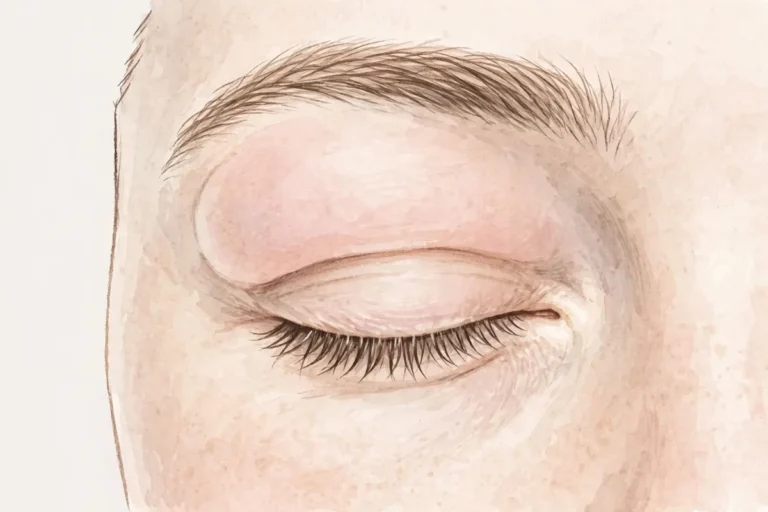
Loose tissue holds fluid easily. An eyelid may become strikingly puffy after a minor local reaction, while the same amount of inflammation on the forearm looks smaller. Fingers, feet, and ankles can also feel tight because there is less room for swelling. Gravity may make swelling more noticeable below the original site, especially after standing.
Location changes the safety threshold. Swelling close to an eye deserves prompt advice if there is eye pain, vision change, painful eye movement, fever, or redness spreading around the eye. Swelling in the mouth or throat, or swelling that interferes with breathing or swallowing, is an emergency. A ring, watch, tight shoe, or elastic band can become constricting as a hand or foot swells; remove these early if it is easy and safe to do so.
Factors that can prolong swelling
Scratching and friction
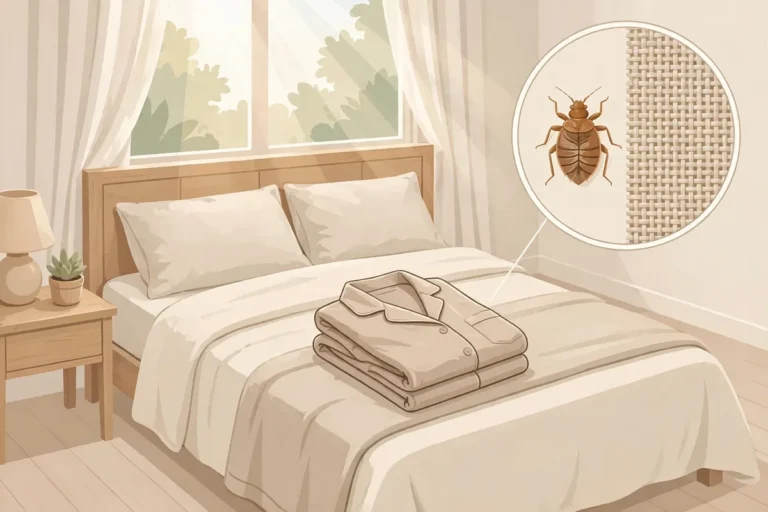
Scratching adds mechanical injury to an immune reaction. It can make the area puffier, create small breaks in the skin, and restart itching. The CDC notes that intense scratching of bed bug bites can lead to secondary skin infection. That principle applies more broadly: damaged skin is less effective as a barrier. Tight clothing, rubbing shoes, and repeated checking or squeezing can also keep tissue irritated.
A stronger local immune response
People do not react identically to the same exposure. Previous sensitization, the amount of saliva or venom, the number of bites or stings, and the body site all influence the response. A large local reaction can be uncomfortable and impressive but is not the same as anaphylaxis. Anaphylaxis involves breathing, circulation, consciousness, or more than one body system rather than only a large patch of swelling.
Ongoing exposure
Several new bites can look like one area is spreading. If fresh itchy spots appear after sleep, outdoor work, contact with animals, or time in a particular room, investigate the environment instead of repeatedly treating one supposed bite. Skin marks alone rarely identify the insect. The CDC explains that a skin reaction is not diagnostic of bed bugs; confirmation is best made by finding the insects or other physical evidence.
Infection or a different diagnosis
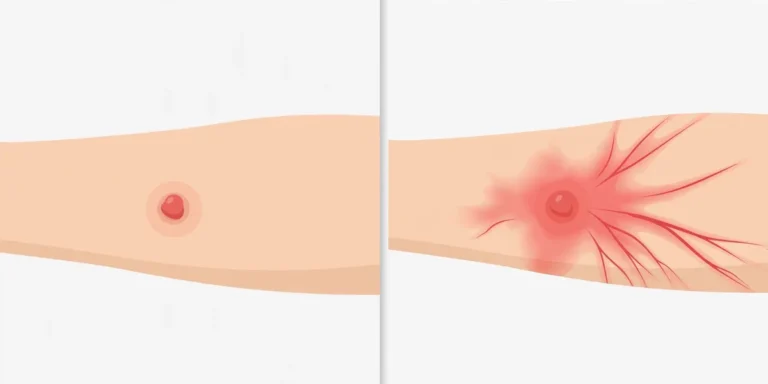
A scratched bite can become infected, but redness and warmth do not automatically mean infection. Inflammation itself causes both. Increasing pain, tenderness, pus, red streaking, fever, swollen lymph nodes, or a person becoming progressively unwell are more concerning. Contact dermatitis, hives, eczema, boils, and other conditions can also resemble a bite. If the exposure is uncertain or the course is unusual, a clinician should assess the skin rather than relying on an online photo match.
Safe first aid for uncomplicated swelling
- Move away from the exposure. If insects are still present, get to a safe place. Do not swat aggressively at a swarm.
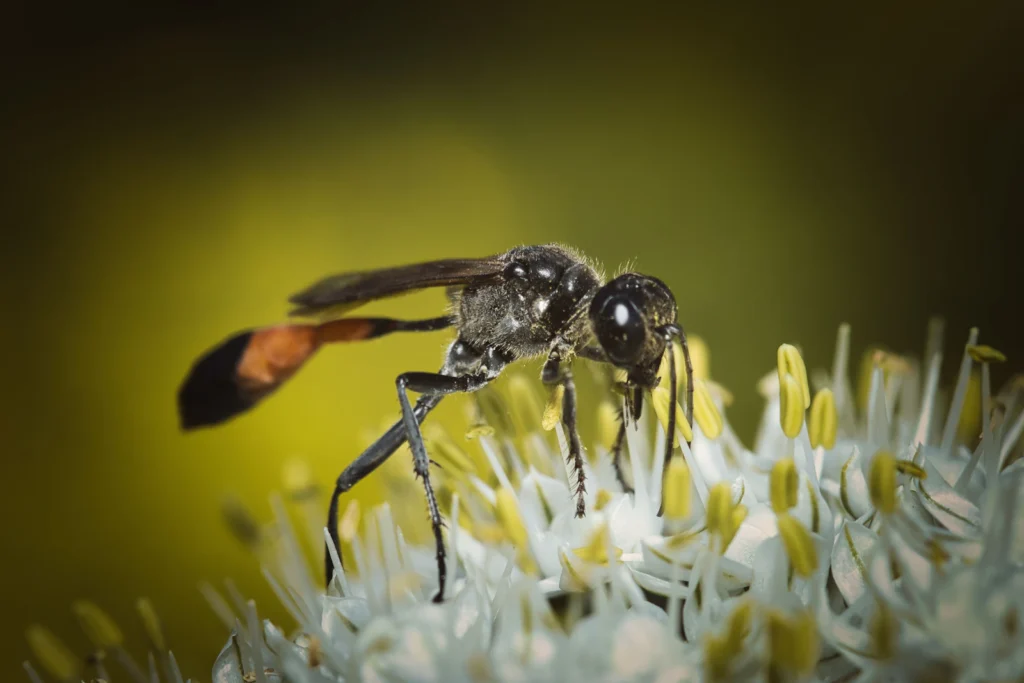
- Check for a retained stinger. Honey bees may leave one behind. Remove it promptly by scraping or brushing it away; speed matters more than the exact technique. Wasps and hornets generally do not leave a stinger.
- Wash gently. Use soap and water. Pat dry. Avoid repeatedly scrubbing with alcohol, peroxide, bleach, or other harsh products.
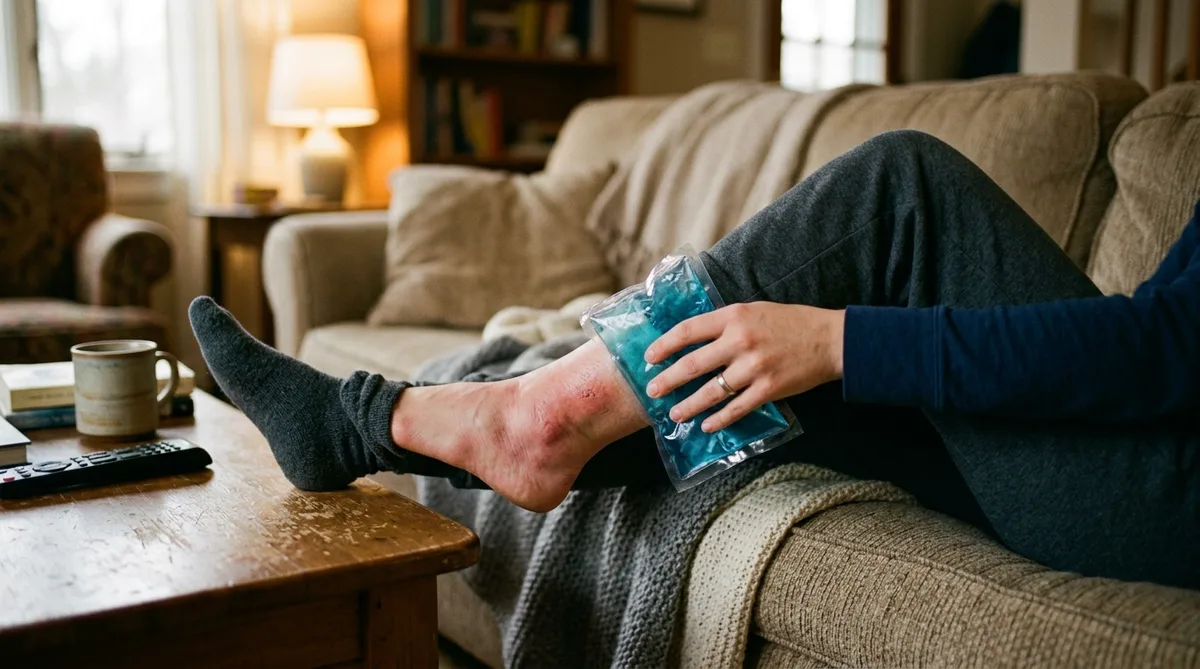
- Apply a cool compress. Wrap a cold pack in cloth and use short intervals. Do not place ice directly on skin or fall asleep with it in place.
- Elevate when practical. Raising a swollen hand, foot, arm, or leg may improve comfort. Do not force a painful joint.
- Protect the skin. Keep nails short and consider a loose, clean covering if unconscious scratching is a problem. Avoid tight bandages that can restrict circulation.
The American Academy of Dermatology recommends an ice pack for swelling and lists over-the-counter anti-itch options for many routine bites. Medicines are not appropriate for everyone, however. Age, pregnancy, glaucoma, prostate problems, kidney or liver disease, other medications, and sedation risk can change what is safe. Follow the label and ask a pharmacist or clinician if uncertain. Do not give a child an adult dose, and do not combine products that contain the same active ingredient.
For a broader supply checklist, see StingHelp’s bite and sting first-aid guide. Avoid cutting, squeezing, burning, or suctioning the area. Do not apply pesticides, veterinary products, essential oils, or caustic home remedies to human skin.
How to tell whether swelling is improving
Look for a coordinated downward trend rather than one perfect measurement. Reassuring changes include less tightness, a smaller or softer swollen area, less heat, less tenderness, better movement, and longer periods when the area is not demanding attention. Itching can linger after swelling starts to decrease.
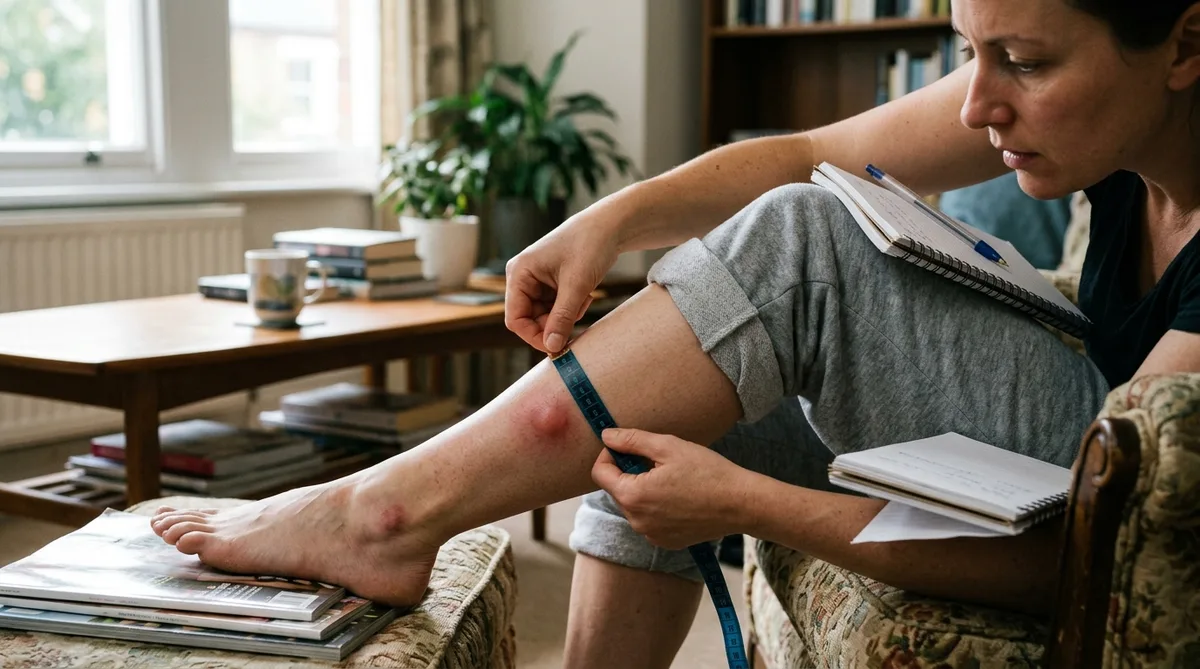
Take one photo in consistent lighting and at a consistent distance. Include a ruler or familiar object for scale without pressing on the skin. Record the date, time, pain level, itch level, temperature if fever is suspected, and any treatment used. A pen line around redness can be useful in selected cases, but do not let monitoring delay care if symptoms are severe.
Swelling, infection, and allergy are not the same
Local inflammation is the body’s immediate response at the site. It commonly includes itch, redness, warmth, mild tenderness, and swelling. Secondary infection happens when bacteria enter damaged skin, often after scratching. Systemic allergy affects the body beyond the local site and may involve hives elsewhere, vomiting, breathing difficulty, dizziness, or collapse.
These categories can overlap, so use symptoms rather than labels. A hand that is very swollen but steadily improving while the person feels well is different from a modest-looking mark accompanied by wheezing and faintness. For a quick escalation overview, use StingHelp’s emergency warning signs.
When to call 911
Call emergency services now for trouble breathing, wheezing, throat tightness, swelling of the tongue or throat, fainting, severe weakness, confusion, blue or gray lips, or widespread hives accompanied by vomiting, dizziness, or breathing symptoms. These can be signs of anaphylaxis. If the person has a prescribed epinephrine auto-injector and action plan, use it immediately as directed; improvement after epinephrine does not replace emergency evaluation. MedlinePlus lists face or mouth swelling and breathing difficulty among serious bite or sting symptoms.
When to seek urgent or same-day care
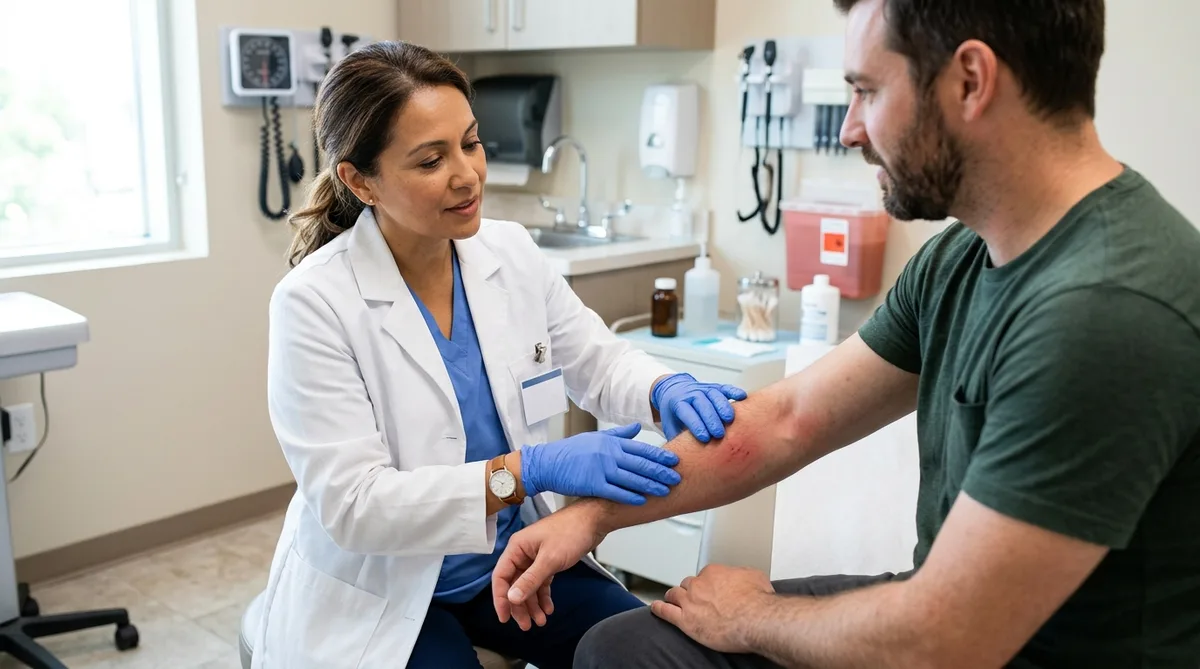
Arrange prompt medical care when swelling is rapidly expanding, very painful, affecting an eye or joint, interfering with normal use of a hand or foot, or accompanied by fever, repeated vomiting, pus, red streaking, numbness, significant blistering, or worsening illness. Multiple stings, a sting inside the mouth, and reactions in infants or medically vulnerable people deserve a lower threshold for advice.
People with diabetes, poor circulation, immune suppression, chronic edema, or previous severe insect allergy may need earlier assessment. Seek help if swelling is not starting to improve after several days, keeps returning, or occurs without a plausible bite or sting. A clinician may need to consider infection, allergy, medication reactions, vascular problems, or another diagnosis.
Special situations
Children
Children often scratch vigorously and may develop prominent swelling. Use age- and weight-appropriate products only. Seek prompt care if swelling limits drinking, vision, walking, or hand use, or if fever, lethargy, breathing symptoms, or dehydration develops.
Pregnancy and breastfeeding
Gentle washing, cooling, elevation, and protection from scratching are reasonable first steps for many mild reactions. Ask a clinician or pharmacist before using an unfamiliar medicine during pregnancy or breastfeeding. Fever, systemic symptoms, or travel-related mosquito or tick exposure should be assessed on its own merits rather than attributed to a simple bite.
Travel and disease exposure
Swelling alone does not diagnose a vector-borne illness. After travel, tell the clinician where and when you traveled, when symptoms began, whether you had fever or rash, and whether a tick was attached. Do not wait for a rash if severe headache, neurologic symptoms, high fever, or significant illness develops. For prevention strategies, see StingHelp’s bite-prevention guide.
Questions people often ask
Can swelling get worse the first day?
Yes. A local reaction may enlarge for several hours before it settles. The important distinction is whether it plateaus and then improves versus continuing to spread with escalating pain, fever, drainage, or illness.
Does a large swollen area always mean anaphylaxis?
No. A large local reaction can remain confined to the area around a bite or sting. Anaphylaxis is suggested by airway, breathing, circulation, consciousness, or multi-system symptoms. When in doubt and serious symptoms are present, call 911.
Should I use heat or ice?
A wrapped cool pack is commonly recommended for pain and swelling. Direct ice can injure skin. Heat may make some itchy inflammatory reactions feel worse and should not be used to “draw out” venom.
Can I diagnose infection from redness size?
No. Size alone is not diagnostic. Increasing pain, progressive warmth, pus, red streaks, fever, and worsening general condition provide more useful context.
Why is my eyelid so puffy?
Loose eyelid tissue can collect fluid and exaggerate a local reaction. Eye pain, impaired vision, painful eye movement, fever, or redness spreading around the eye needs prompt evaluation.
What if I do not know what bit me?
Treat the symptoms and monitor the trend. Do not assume the insect from skin appearance alone. Exposure details and physical evidence are more useful; the What Bit Me? hub explains how to organize those clues without overdiagnosing.
A 24-hour swelling decision guide
At the first check, document the body site, approximate size, dominant symptom, and the person’s overall condition. If breathing, circulation, or consciousness is affected, skip home monitoring and call 911. If the reaction is local and mild, remove constricting items, wash the skin, cool it, and note the time.
Two to four hours later, ask whether the swelling is still expanding and whether pain, function, or general health has changed. Some local reactions enlarge during this window. Stable vital symptoms and a local area that is uncomfortable but manageable support continued observation. Rapid expansion across a joint, severe pain, new vomiting, dizziness, or facial and mouth symptoms should move the plan toward urgent evaluation.
At bedtime, compare the site with the earlier photo rather than relying on memory. Check temperature only if fever is suspected; normal skin warmth at the bite does not substitute for a body-temperature reading. Make sure circulation beyond the swollen area is normal: fingers or toes should retain their usual color, warmth, sensation, and movement. Marked numbness, weakness, color change, or inability to move normally needs prompt care.
The next morning, look for the direction of change. A reaction that is no longer expanding, feels less tight, and allows normal movement is generally more reassuring. A reaction that has crossed the marked border with increasing tenderness, pus, streaking, fever, or illness is not simply “taking longer.” Contact a clinician and provide the timeline, photos, health conditions, medicines, allergy history, and any known insect evidence.
This guide is not a rule that every reaction must improve within 24 hours. Its purpose is to turn vague worry into repeatable observations. Large local reactions can persist beyond a day. The decision to seek care should be driven by severity, trend, body location, and whole-person symptoms rather than a stopwatch alone.
Bottom line
Bug bite swelling can last from hours to several days, and a larger local reaction may take longer to fade. A stable, increasingly comfortable area in a person who otherwise feels well is more reassuring than swelling that spreads with pain, infection signs, or systemic symptoms. Use cooling, elevation, gentle skin care, and scratch prevention for mild reactions. Call 911 for breathing, throat, fainting, or multi-system allergy symptoms, and seek prompt medical care for progressive pain, fever, pus, red streaking, eye involvement, or loss of normal function.
This article provides general education and cannot diagnose a bite, allergy, or infection. It has not been represented as a substitute for individualized medical care.