Direct answer: Most insect bites and stings do not need antibiotics. Redness, warmth, swelling, itch, and tenderness can be caused by inflammation alone. Antibiotics are used when a healthcare professional believes there is a bacterial skin infection such as cellulitis, an abscess, or another infected wound. CDC describes cellulitis as an infection of deeper skin tissues that typically causes redness, pain, warmth, and swelling and can also cause fever or other systemic symptoms.
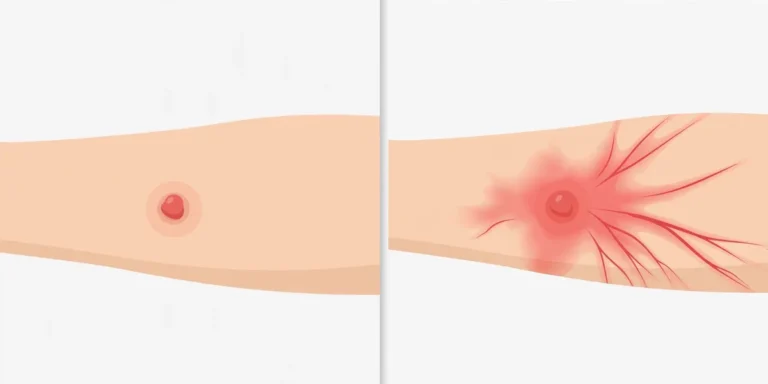
The safest approach is to watch the direction of change. A mildly swollen bite that is stable or gradually improving is different from an area that becomes progressively more painful, hotter, more tender, rapidly expanding, draining pus, or associated with fever and feeling ill.
Why normal inflammation is often mistaken for infection
Your immune system reacts to insect saliva, venom, and tissue injury. That reaction can make the skin red, raised, itchy, warm, and swollen. Large local reactions after mosquito bites or stings can spread beyond the original spot and may look dramatic without being bacterial cellulitis.
Inflammation often begins soon after the exposure and may peak before it improves. Infection becomes more concerning when the overall trend is worsening rather than stabilizing, especially when pain and tenderness increase or systemic symptoms appear.
What cellulitis is
Cellulitis is a bacterial infection involving the skin and deeper underlying tissues. CDC notes that several bacteria can cause cellulitis, with group A Streptococcus among the common causes. Bacteria can enter through a break in the skin. Scratching an insect bite can damage the skin barrier and create an entry point.
Cellulitis is diagnosed clinically. A skin photo by itself cannot confirm it, and the exact border color or shape is not enough to identify the bacteria involved.
Signs that make infection more concerning
- Redness that continues to expand while pain and tenderness are worsening
- Increasing warmth and swelling rather than gradual improvement
- Pus, cloudy drainage, or a new open wound
- Red streaks extending away from the area
- Fever, chills, or feeling generally unwell
- Swollen lymph nodes near the affected area
- Increasing difficulty using the affected hand, foot, or limb
- Rapid deterioration in a person with diabetes, poor circulation, immune suppression, or another high-risk condition
What can look like cellulitis but is not necessarily infection?
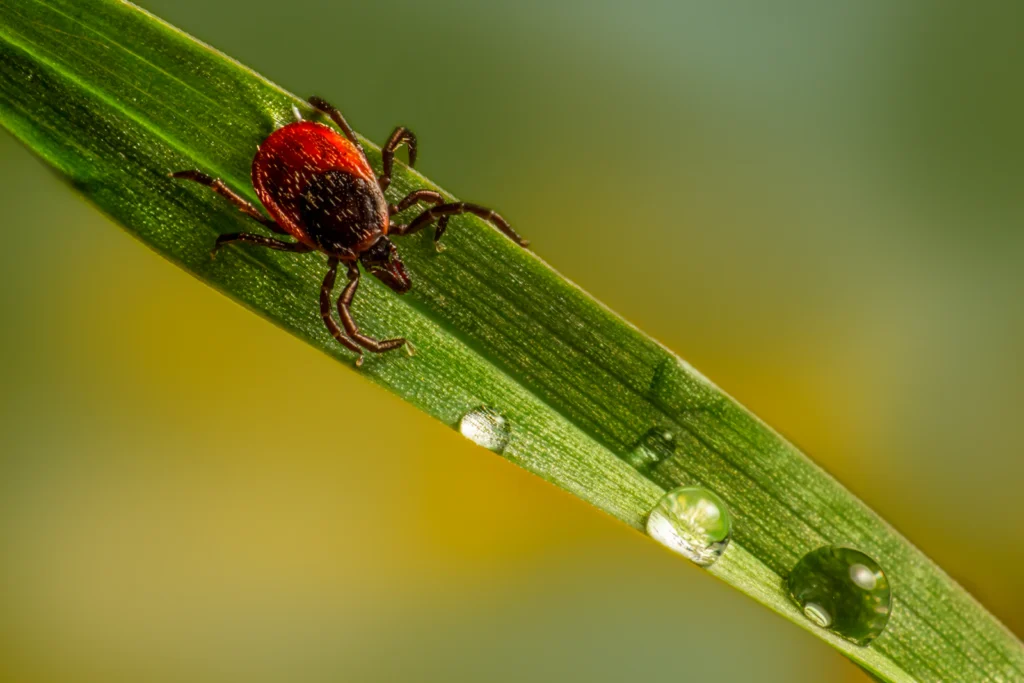
Several conditions can mimic infection: a large local allergic reaction, contact dermatitis, insect-venom inflammation, hives, irritation from scratching, bruising, reactions to topical products, and some inflammatory skin conditions. Tick-associated rashes and other vector-borne illnesses can also require medical evaluation but are not treated as ordinary cellulitis.
This is why “the redness got bigger” is useful but not sufficient information. Timing, pain, warmth, drainage, fever, exposure history, and the person’s overall condition all matter.
Antibiotics are not routine treatment for uncomplicated bites
Antibiotics treat bacterial infections. They do not neutralize venom, remove mosquito saliva, stop an allergic reaction, or make a routine inflammatory bite heal faster. Taking antibiotics when they are not needed can cause side effects and contributes to antibiotic resistance.
Do not use leftover antibiotics from a previous illness, someone else’s prescription, or an old topical antibiotic simply because a bite is red.
When clinicians use antibiotics for cellulitis
CDC guidance says cellulitis is treated with antibiotics. The exact medicine, dose, route, and duration depend on severity, likely bacteria, allergy history, local resistance patterns, age, kidney function, pregnancy, other health conditions, and whether there is an abscess or another complication.
Mild cellulitis may be treated with oral antibiotics. More severe illness can require intravenous antibiotics or hospital care. A clinician may mark the border of redness or ask the patient to monitor whether symptoms improve after treatment begins.
An abscess is not the same as cellulitis
An abscess is a collection of pus. A tender, fluctuant lump with drainage may require a different approach than diffuse cellulitis. Some abscesses need drainage, antibiotics, or both. Trying to squeeze, lance, or drain a suspected abscess at home can worsen tissue injury or spread infection.
If a bite develops a growing painful lump, pus, or a soft center, seek medical assessment rather than trying to “pop” it.
What to do at home when infection is not obvious
- Wash the area gently with soap and water.
- Use a cool compress for itch and swelling when appropriate.
- Avoid scratching and picking.
- Keep fingernails short and clean.
- Take a dated photo in similar lighting if the area is changing.
- Track fever, pain, swelling, drainage, and normal function.
- Stop any new topical product that appears to be making the irritation worse.
Why marking the edge of redness can help
If redness is expanding, a clinician may suggest marking the edge with a pen and recording the time. This provides a simple reference for whether the area is continuing to spread. Do not use the line as a substitute for care when the person has fever, severe pain, rapidly worsening symptoms, or systemic illness.
How quickly should a routine bite improve?
There is no single timeline for every bite or sting. Mild reactions may improve over hours to several days. Large local reactions can take longer. What matters is the trend: pain and swelling should eventually plateau and decline. Persistent or steadily worsening symptoms deserve reassessment.
See StingHelp’s bug-bite healing guide for practical day-by-day tracking.
When redness the next day can still be normal
Inflammation can become more visible hours after an exposure. Mosquito bites, stings, and other bites can swell more on the following day. A larger red area with mostly itch and no progressive pain or systemic illness may still represent an inflammatory reaction.
However, a rapidly enlarging area with worsening tenderness, fever, drainage, or illness should not be dismissed as “just a normal reaction.”
Children and scratched bites
Children may scratch intensely, especially at night. Broken skin raises the chance of secondary bacterial infection. Keep nails short, reduce itch with age-appropriate measures, and monitor for increasing pain, warmth, drainage, fever, or spreading redness.
Medication choices and doses for children should follow pediatric guidance and product labels. Do not use adult prescriptions or leftover antibiotics.
People who may need earlier medical assessment
A lower threshold for evaluation may be appropriate for people with diabetes, immune suppression, chronic swelling, poor circulation, previous recurrent cellulitis, significant skin disease, or a serious medical condition that affects healing. Bites on the face, near the eye, on the hand, or near a joint can also justify earlier assessment when swelling or pain interferes with function.
What about topical antibiotic ointment?
Topical antibiotic products are not a universal requirement for every insect bite. Some people develop contact dermatitis from topical antibiotics, which can create more redness and itch and be mistaken for infection. Clean skin and appropriate wound care are often more important than adding multiple products.
If there is an open wound or a clinician specifically recommends an ointment, follow that advice. If a product causes new rash, burning, or worsening irritation, stop it and ask a healthcare professional.
Do antibiotics prevent tetanus?
No. CDC specifically says antibiotics should not be used to prevent tetanus after a wound. Tetanus prevention is based on wound care, vaccination history, and—in certain higher-risk situations—tetanus immune globulin. See StingHelp’s tetanus-after-bites-and-stings guide.
When to call 911
Cellulitis itself is usually evaluated through urgent or routine medical care depending on severity, but emergency symptoms after a bite or sting can include trouble breathing, throat or tongue swelling, fainting, severe confusion, collapse, or rapidly progressive severe illness. Those signs require emergency care rather than waiting to see whether antibiotics are needed.
When to seek same-day or prompt medical care
- Fever with a painful, hot, expanding red area
- Rapidly worsening pain or swelling
- Pus, drainage, or a suspected abscess
- Red streaking
- Significant face, eye, mouth, hand, or joint involvement
- Loss of normal function
- Symptoms worsening in someone with diabetes, immune suppression, or poor circulation
- A bite or sting that is not improving as expected
What information helps a clinician?
Share when the exposure happened, whether an insect was seen, whether the area was scratched or opened, how quickly redness changed, whether pain or itch is the dominant symptom, any drainage, fever or chills, recent travel, tick exposure, allergies, medications, and health conditions that affect healing. Bring dated photos if you have them.
Common mistakes to avoid
- Calling every red bite “cellulitis.”
- Waiting for pus before taking fever and worsening pain seriously.
- Using leftover antibiotics.
- Stopping a prescribed antibiotic early without medical advice.
- Squeezing or cutting a suspected abscess.
- Using a photo alone to diagnose infection.
- Ignoring worsening symptoms because the original bite looked small.
Frequently asked questions
Can cellulitis start after a mosquito bite?
Yes. Any break in the skin can create an entry point for bacteria, and scratching can damage the skin barrier. This does not mean most mosquito bites become infected.
Does a hot red bite always mean infection?
No. Inflammation can also cause heat and redness. Worsening pain, tenderness, spreading redness, drainage, fever, and systemic illness make infection more concerning.
Should I ask for antibiotics if redness is spreading?
Ask for medical evaluation rather than a specific antibiotic. The clinician should determine whether the pattern is cellulitis, an allergic/inflammatory reaction, an abscess, or another condition.
Can antibiotics treat a severe allergic reaction?
No. Anaphylaxis is an emergency allergic reaction and requires emergency treatment, not antibiotics.
Related StingHelp guides
- Infection, complications, and healing
- How to tell if a bug bite is healing
- Emergency warning signs
- Normal healing vs infection
Authoritative sources
- CDC: Clinical Guidance for Group A Streptococcal Cellulitis
- MedlinePlus: Cellulitis
- American Academy of Dermatology: Cellulitis Self-Care
Bottom line
Most insect bites and stings do not need antibiotics. Watch the trend. Itch and swelling alone often reflect inflammation, while increasing pain, warmth, tenderness, spreading redness, drainage, fever, or systemic illness make bacterial infection more concerning. If infection is suspected, get a clinical assessment rather than self-starting leftover antibiotics.
Educational information only. This article does not diagnose cellulitis or recommend an individual antibiotic.
What improvement after starting antibiotics should look like
When a clinician diagnoses cellulitis and prescribes antibiotics, follow the prescription exactly. Improvement is judged by the overall clinical trend, not by expecting the skin to look normal after the first dose. Pain, fever, tenderness, and spread should begin moving in the right direction over time. If symptoms continue to worsen, new systemic symptoms develop, or the person cannot keep medication down, contact the treating clinician promptly.
Do not stop a prescribed antibiotic early simply because redness begins to improve, and do not extend the course with leftover medication after the prescription ends unless the clinician directs it.
Why cultures are not always taken
Many uncomplicated cases of cellulitis are diagnosed by physical examination without a wound culture because there may be no pus or open drainage to sample. When an abscess, drainage, unusual exposure, severe infection, or treatment failure is present, a clinician may use cultures or other tests to guide therapy. The absence of a culture does not mean the diagnosis was careless; the testing strategy depends on the presentation.
Cellulitis near the eye needs extra caution
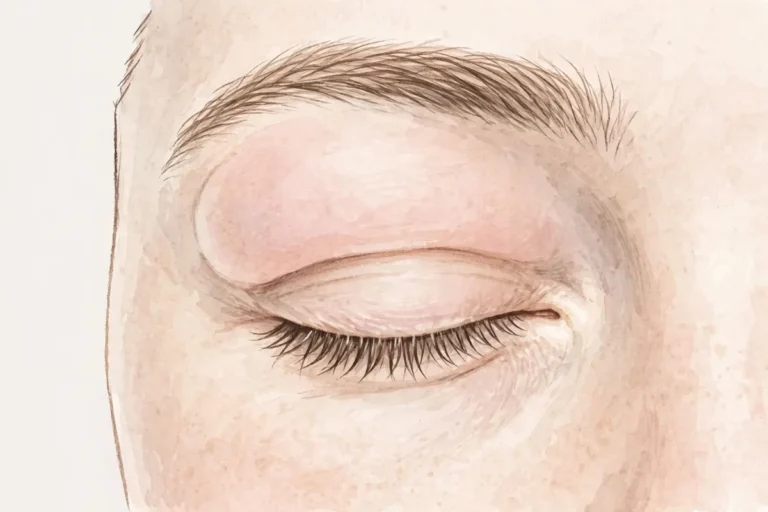
Redness and swelling around the eyelid can come from a bite reaction, allergy, or infection. Prompt assessment is appropriate when there is fever, severe pain, eye pain, vision change, painful or limited eye movement, significant tenderness, or rapidly worsening swelling. Do not put topical antibiotics, essential oils, or household remedies into or near the eye unless a clinician specifically recommends them.
Hand and finger bites: swelling can affect function
Even a modest skin reaction can create problems in the hand because swelling can make rings tight and can limit movement. Remove constricting jewelry early if swelling is developing. Seek medical care for worsening pain, reduced finger motion, severe tenderness, spreading redness, drainage, numbness, or fever.
Why recurrent cellulitis deserves follow-up
People who repeatedly develop cellulitis in the same limb may have underlying risk factors such as chronic swelling, skin barrier problems, fungal infection, or circulation issues. AAD recommends preventive skin care and prompt treatment of wounds. Recurrent episodes are a reason to discuss risk-factor management with a healthcare professional instead of repeatedly treating each episode in isolation.
Photo tracking: useful but limited
Dated photos taken from a similar distance and in similar lighting can show whether redness is expanding or swelling is changing. Include a size reference when practical. Photos are useful for communication but cannot measure fever, pain, tenderness, fluctuance, circulation, or overall illness. If the person is getting sicker, do not wait for a better comparison photo.
Antibiotic side effects also matter
Contact the prescribing clinician if significant side effects develop. Severe allergic symptoms such as trouble breathing, facial or tongue swelling, fainting, or rapidly progressive hives require emergency care. Diarrhea, nausea, rash, and other side effects vary by medication and patient; the prescription label and clinician instructions should guide next steps.
A practical “watch vs call” framework
Continue basic monitoring: mild itch or swelling, stable overall health, no drainage, and a clear improving trend.
Call a clinician: pain or redness is progressively worsening, the area is increasingly hot and tender, drainage appears, fever develops, function is affected, or the person has higher-risk medical conditions.
Call 911: airway symptoms, collapse, severe confusion, rapidly progressive systemic illness, or another life-threatening reaction.