Tick Bite vs Puss Caterpillar Sting: Pictures, Key Differences, and What to Do
Direct answer: A tick bite is most strongly suggested by finding an attached or recently removed tick and may cause little immediate pain. A puss caterpillar sting usually causes sudden burning or intense throbbing pain after skin contacts its venomous spines. Remove an attached tick promptly; after caterpillar contact, remove residual spines and watch for severe reactions.
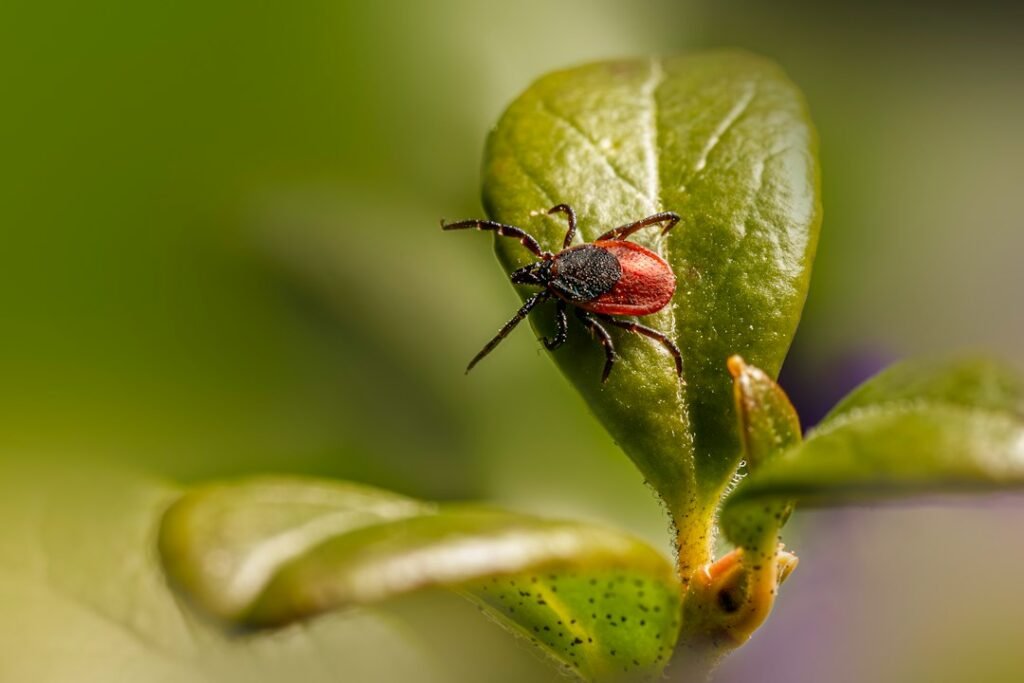
Comparing a tick bite vs puss caterpillar sting is less about matching two skin photographs and more about reconstructing the exposure. These injuries happen in different ways: a tick attaches its mouthparts and feeds, while the puss caterpillar—also called the southern flannel moth caterpillar or “asp”—has venomous spines hidden beneath its soft-looking hairs. The skin can look red after either exposure, so appearance alone is not a dependable diagnosis.
This guide focuses on practical differences, safe first aid, and warning signs. It does not replace medical diagnosis. Severe pain, breathing difficulty, fainting, widespread allergic symptoms, eye exposure, or rapidly worsening illness needs prompt professional care.
[stinghelp_image filename=”tick-bite-vs-puss-caterpillar-sting-01.webp” alt=”Medical education comparison showing an attached tick and a puss caterpillar with hidden venomous spines” caption=”An attached tick and direct contact with a puss caterpillar are much stronger identification clues than a nonspecific red skin mark.”]
Tick Bite vs Puss Caterpillar Sting: Quick Comparison
| Feature | Tick bite | Puss caterpillar sting |
|---|---|---|
| How exposure happens | A tick attaches to skin and feeds, often after outdoor exposure. | Skin brushes or presses against venomous spines hidden beneath the caterpillar’s hairs. |
| Typical onset | May be painless or unnoticed while attached. | Often immediate or within minutes, with burning, throbbing, or radiating pain. |
| Strongest identification clue | An attached tick or a tick that was personally removed. | A witnessed contact with a recognizable puss caterpillar. |
| Skin findings | Small localized redness or a bump may occur; appearance is nonspecific. | Red spots, rash, swelling, or a patterned reaction where spines contacted skin may occur. |
| Main delayed concern | Symptoms of a tick-borne infection can appear days to weeks later. | Severe local pain, retained spines, allergic/systemic reaction, or eye involvement. |
| First-aid priority | Prompt mechanical tick removal with fine-tipped tweezers. | Remove caterpillar without further bare-skin contact; adhesive tape can help lift retained spines, then wash and cool the area. |
What Does a Tick Bite Usually Feel and Look Like?
Many people discover a tick because it is still attached rather than because they felt the bite. Ticks can be very small, and the local reaction may be only a small red spot. The Centers for Disease Control and Prevention (CDC) recommends removing an attached tick as soon as possible. Use clean fine-tipped tweezers, grasp the tick close to the skin, and pull upward with steady, even pressure. Clean the area and your hands afterward.
Do not use petroleum jelly, heat, nail polish, or similar methods to force detachment. CDC guidance favors prompt mechanical removal. If small mouthparts remain and cannot be easily removed with tweezers, the CDC notes that the skin can be allowed to heal rather than aggressively digging for them.
The initial bump cannot tell you whether a pathogen was transmitted. The important monitoring period extends beyond the skin reaction. If a rash or fever develops during the following days to weeks, contact a healthcare professional and explain when and where the likely tick exposure occurred.
What Is a Puss Caterpillar Sting?
The puss caterpillar, Megalopyge opercularis, is the larval stage of the southern flannel moth. Texas A&M AgriLife describes it as a fuzzy, teardrop-shaped caterpillar whose deceptively soft coat conceals shorter venom-delivering spines. Color varies from pale gray or tan to darker shades. In the United States it is particularly associated with the South, including Texas, and may be found on trees and shrubs.
The caterpillar does not need to “bite” you. Contact with the spines is enough. Texas A&M reports that intense throbbing pain can begin immediately or within about five minutes, although individual reactions vary. Red spots may appear at the contact site, and pain can radiate—for example, a sting on the arm can be associated with discomfort toward the armpit.
Other reported symptoms include headache, nausea, vomiting, swollen lymph nodes, and, less commonly, respiratory distress or shock. A mild reaction and a severe reaction can begin from the same type of exposure, so symptom severity matters more than trying to grade the sting from a photograph.
[stinghelp_image filename=”tick-bite-vs-puss-caterpillar-sting-02.webp” alt=”Close educational illustration of puss caterpillar hairs with shorter venomous spines beneath them” caption=”The soft-looking outer hairs can conceal venomous spines; avoid touching a puss caterpillar with bare skin.”]
Tick Bite vs Puss Caterpillar Sting Symptoms: The Most Useful Differences
Timing is one of the best clues. A tick can feed without producing dramatic immediate pain. In contrast, puss caterpillar contact is famous for acute burning, throbbing, or radiating pain that starts rapidly. This is not absolute—people vary—but it is more useful than counting bumps or puncture marks.
The exposure itself is even more useful. If you removed an attached tick, that establishes a tick exposure. If your skin brushed a fuzzy caterpillar immediately before intense pain began, a caterpillar sting becomes much more plausible. When neither organism was seen, the differential diagnosis broadens considerably.
Delayed illness has different implications. Fever or a new rash days to weeks after a tick bite can be a clue to a tick-borne infection. After a puss caterpillar sting, the major safety concerns are significant pain, systemic or allergic symptoms, respiratory problems, and eye exposure to hairs or spines.
What to Do for an Attached Tick
- Use fine-tipped tweezers. Grasp the tick as close to the skin surface as possible.
- Pull straight upward. Use steady, even pressure instead of twisting or jerking.
- Clean the site. Wash with soap and water or use an appropriate antiseptic.
- Check your body. A second tick may be attached elsewhere, especially after time in brushy or wooded areas.
- Document the exposure. Note the date and location. A clear photo of the tick can sometimes help with later identification.
- Monitor for illness. Seek medical advice if a new rash, fever, or other concerning symptoms develop in the following weeks.
Do not delay removal simply to preserve the tick for testing. CDC also cautions against using commercial tick-testing results to decide whether a person needs treatment: a positive test does not prove transmission, while a negative result can create false reassurance.
What to Do After a Puss Caterpillar Sting
First, avoid further contact. If the caterpillar is still on clothing or skin, remove or brush it away without using bare fingers. Texas A&M and CDC occupational guidance describe adhesive tape as a way to lift irritating or venomous spines from the skin: apply tape firmly to the affected area and peel it away, repeating with fresh tape as needed.
After the spines have been addressed, wash the area gently with soap and water. A wrapped ice or cold pack can help reduce burning and pain. Texas A&M notes that oral antihistamines may help itching and burning in some people. Medication choice can depend on age, pregnancy, other medicines, and medical conditions, so follow the product label and ask a pharmacist or clinician when uncertain.
Do not rub the area aggressively; friction can drive remaining spines further into the skin. Do not deliberately handle the caterpillar to identify it. Even dead caterpillars or shed material can retain irritating structures.
[stinghelp_image filename=”tick-bite-vs-puss-caterpillar-sting-03.webp” alt=”Step-by-step first aid diagram showing tape removal of caterpillar spines, gentle washing, and a wrapped cold pack” caption=”After caterpillar contact, avoid rubbing; tape may help remove residual spines before gentle washing and cooling.”]
Decision Guide: Monitor, Call a Clinician, or Seek Emergency Care?
| Situation | Suggested action | Why |
|---|---|---|
| Attached tick, otherwise well | Remove promptly, clean the site, document exposure, monitor. | Prompt removal is the CDC-recommended first step. |
| New rash or fever after a recent tick bite | Contact a healthcare professional. | Some tick-borne illnesses present after the bite itself is no longer noticeable. |
| Localized caterpillar sting with manageable pain | Remove residual spines, wash, use a wrapped cold pack, and monitor. | Many reactions remain local and improve with first aid. |
| Extreme or escalating pain after caterpillar contact | Seek prompt medical advice. | CDC occupational guidance lists extreme pain among reasons for immediate medical attention. |
| Eye exposure to caterpillar hairs/spines | Seek urgent professional evaluation; avoid rubbing the eye. | Eye exposure can cause significant injury and retained hairs may require specialist care. |
| Breathing difficulty, fainting, shock-like symptoms, or generalized allergic reaction | Seek emergency medical care. | These can indicate a serious systemic reaction. |
Could Either Reaction Be an Infection?
Yes, but infection is not the only explanation for redness or swelling. Scratching any itchy lesion can break the skin and create an opportunity for bacterial infection. Increasing warmth, tenderness, pus, red streaking that is spreading, fever, or rapidly expanding redness deserves medical assessment.
A red line should not automatically be attributed to venom, a tick-borne disease, or “poison traveling through the body.” Clinicians assess the pattern alongside pain, fever, lymph-node symptoms, wound appearance, and exposure history. Rapidly spreading redness plus systemic illness is a reason to seek care rather than monitor from home.
What If You Never Saw the Tick or Caterpillar?
Then visual certainty is low. Many insect bites, contact reactions, plant exposures, infections, and inflammatory skin conditions can create red or itchy lesions. The absence of an observed arthropod makes a specific species diagnosis from a skin image particularly unreliable.
Think about context. Tick exposure becomes more plausible after hiking, gardening, hunting, working in brush, or spending time in tick habitat. Puss caterpillar exposure becomes more plausible after direct contact with trees, shrubs, outdoor furniture, or a fuzzy caterpillar in regions where the species occurs—especially when pain starts immediately.
Why “Two Puncture Marks” or a Single Red Bump Are Weak Clues
A tiny puncture, two dots, a red bump, or a swollen patch is not a species-specific signature. Lighting, scratching, hair follicles, minor abrasions, and the body’s inflammatory response can all change how a lesion appears. Use photographs to track change over time, not as a substitute for exposure evidence or clinical assessment.
Special Situations
Children
Children may touch fuzzy caterpillars because they look harmless. If a child has intense pain, extensive contact, eye exposure, vomiting, breathing symptoms, marked lethargy, or a generalized reaction, seek medical advice promptly. Keep caterpillars out of reach rather than asking a child to identify or collect one.
Eye exposure
Caterpillar hairs or spines in or near the eye deserve prompt medical evaluation. Do not rub the eye or attempt aggressive removal. CDC and Texas A&M sources specifically flag eye exposure for professional care.
Pregnancy, older adults, and people with chronic conditions
First aid principles remain similar, but medication choices and the threshold for professional advice can differ. A pharmacist or clinician can help choose symptom-relief medicines safely. Significant systemic symptoms should not be managed solely at home.
Prevention
For ticks, use EPA-registered repellents as directed, wear protective clothing where appropriate, avoid dense vegetation when practical, perform tick checks after outdoor activity, shower after potential exposure, and promptly remove attached ticks.
For puss caterpillars, the simplest rule is not to touch unfamiliar fuzzy or spiny caterpillars. Wear gloves and long sleeves when working around trees or shrubs in affected areas, inspect outdoor furniture and play areas, and teach children that a soft-looking caterpillar can still sting.
[stinghelp_image filename=”tick-bite-vs-puss-caterpillar-sting-04.webp” alt=”Outdoor prevention illustration showing a tick check and gloved hands avoiding a fuzzy puss caterpillar on foliage” caption=”Tick checks and avoiding bare-skin contact with unfamiliar fuzzy caterpillars reduce preventable exposures.”]
Related StingHelp Guides
For comparison-based identification, use the What Bit Me? Identification & Comparisons hub. For tick-specific concerns, see Tick Bites & Tick-Borne Risks. For general bite and sting care, review First Aid & Treatment. For severe pain, allergy symptoms, infection signs, or rapidly worsening illness, see Safety / Red Flags.
Frequently Asked Questions
How can you tell a tick bite vs puss caterpillar sting apart?
An attached tick is the strongest clue for a tick bite. A witnessed fuzzy-caterpillar contact followed within minutes by intense burning or throbbing pain strongly favors a stinging caterpillar exposure. A red bump by itself cannot reliably distinguish them.
Does a puss caterpillar actually bite?
The medically important injury comes from contact with venomous spines hidden beneath the caterpillar’s hairs rather than a conventional bite.
How quickly can a puss caterpillar sting hurt?
Texas A&M reports that intense pain may begin immediately or within several minutes, though reactions vary from person to person.
How do you remove puss caterpillar spines?
Authoritative first-aid guidance describes using adhesive tape to lift residual spines from the skin, followed by gentle washing. Avoid rubbing the area.
How do you remove a tick safely?
Use clean fine-tipped tweezers, grasp close to the skin, and pull upward with steady, even pressure. Clean the bite area and hands afterward.
When should you worry after a tick bite?
Contact a healthcare professional if a new rash, fever, or other concerning illness develops in the following days to weeks. Seek urgent care for severe neurologic, breathing, or rapidly worsening symptoms.
When is a caterpillar sting an emergency?
Breathing difficulty, fainting, shock-like symptoms, a severe generalized allergic reaction, major systemic illness, or significant eye exposure requires urgent or emergency evaluation.
Can the pain radiate away from the caterpillar sting?
Yes. Texas A&M notes that pain from a sting on an arm may extend toward the armpit. Radiating pain after a witnessed caterpillar contact is therefore possible.
Bottom Line
The key to tick bite vs puss caterpillar sting is the exposure pattern and timing. Tick bites can be quiet initially and require prompt tick removal plus monitoring for delayed illness. Puss caterpillar stings often hurt quickly and intensely; remove residual spines carefully, cool the area, and seek medical help for severe pain, eye exposure, breathing problems, or systemic reactions.
Authoritative References
- CDC — What to Do After a Tick Bite
- Texas A&M AgriLife — Asps and Other Stinging Caterpillars
- Texas A&M — Puss Caterpillar or Asp
- CDC MMWR — Caterpillar-Associated Rashes
Medical review required before publication. This article is educational and does not replace diagnosis or treatment from a qualified healthcare professional.