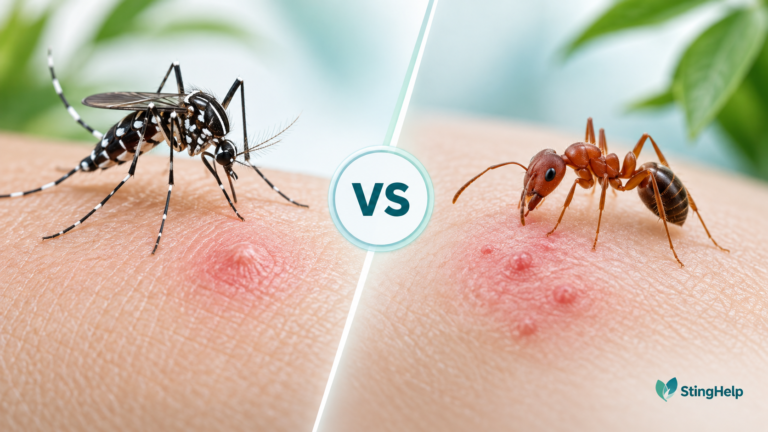
Direct answer: Asian tiger mosquito bites are usually itchy, raised bumps that follow mosquito exposure, while a carpenter ant encounter is more likely to be noticed as direct contact with a large ant and may cause localized pain or irritation. Skin appearance alone cannot reliably identify either cause, so exposure history, timing, symptoms, and warning signs matter most.
Trying to tell an asian tiger mosquito bite vs carpenter ant bite treatment differences apart from a photo can be misleading. Many insect bites produce the same basic skin response: redness, swelling, itching, tenderness, or a small raised bump. Scratching, skin tone, previous sensitization, topical products, and the time since exposure can change the appearance further. The safest comparison starts with what happened before the skin reaction, whether the insect was actually seen, how quickly symptoms developed, and whether symptoms remain local or become systemic.
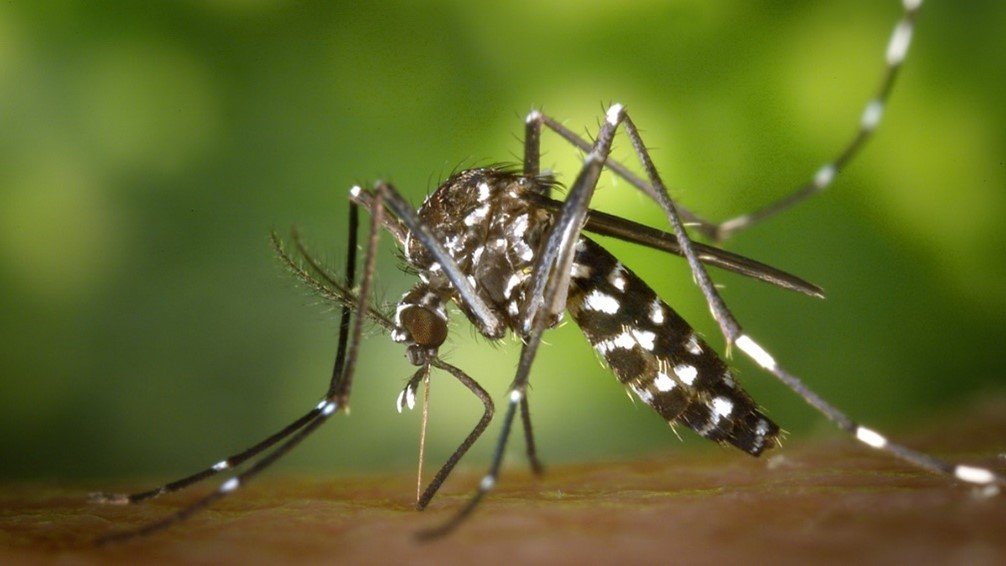
Quick comparison: Asian tiger mosquito bite vs carpenter ant bite
| Clue | Asian tiger mosquito bite | Carpenter ant contact or bite |
|---|---|---|
| Typical exposure | Outdoor mosquito exposure, often around vegetation, shade, containers, or standing water. | Direct contact with a large carpenter ant, often around wood, trees, structures, or a disturbed nest. |
| What you may notice | The mosquito may land and feed briefly; the bite itself may not feel strongly painful. | The ant is relatively large and may be noticed on the skin; a defensive encounter may feel more immediate. |
| Common skin response | Itchy, puffy, reddish bump; some people develop larger swelling. | Localized irritation, redness, tenderness, or swelling can occur after an ant encounter, but appearance is nonspecific. |
| Disease concern | Mosquitoes can transmit pathogens; risk depends on species, geography, travel, and local transmission. | Carpenter ants are primarily structural pests; they are not recognized as routine human disease vectors. |
| Best identifying clue | Seeing a mosquito feed plus compatible exposure. | Seeing and identifying the ant during the encounter. |
| When to get help | Severe allergy symptoms, infection signs, or fever/systemic illness after mosquito exposure. | Severe allergic symptoms, rapidly worsening swelling, infection signs, or uncertainty about a significant reaction. |
What an Asian tiger mosquito bite can look and feel like
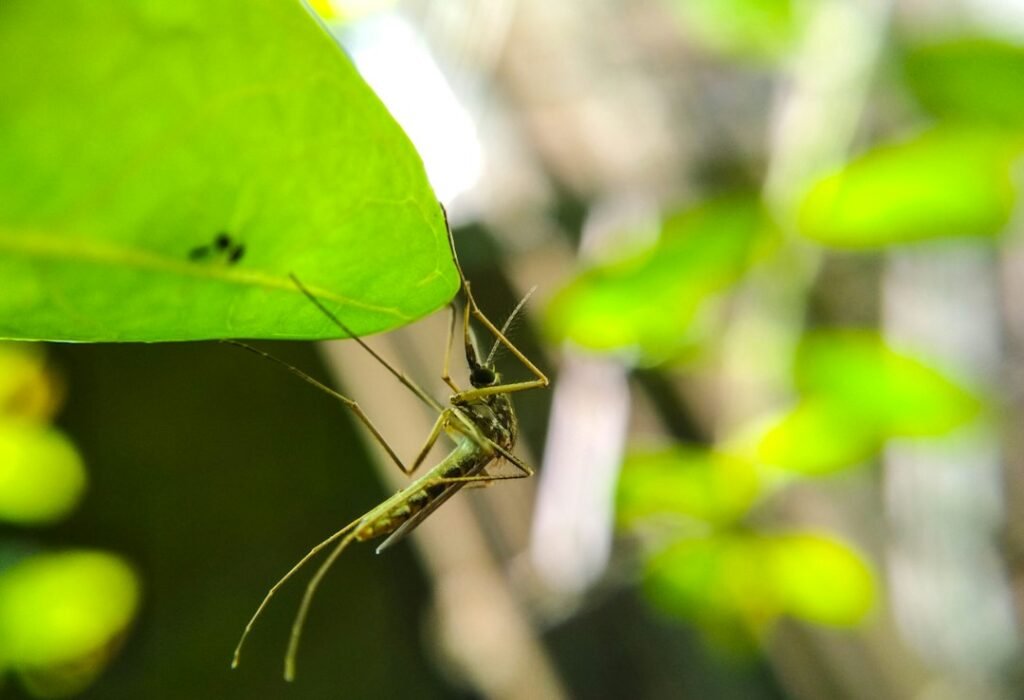
The Asian tiger mosquito, Aedes albopictus, is a dark mosquito with conspicuous white markings. CDC describes it as black with white bands on the legs and white spots on the body. It occurs in parts of the United States and many tropical, subtropical, and temperate regions worldwide. Like other biting mosquitoes, females take blood meals. The skin reacts to mosquito saliva rather than to a poisonous bite.
CDC notes that mosquito bites commonly cause a puffy reddish bump within minutes or a hard, itchy reddish-brown bump later. Small blisters or bruise-like dark spots can occur in some people. Reactions vary substantially. Children, people exposed to an unfamiliar mosquito species, and some people with immune disorders may develop larger areas of swelling and redness, hives, low-grade fever, or swollen lymph nodes.
Those findings do not prove that Aedes albopictus caused the bite. A skin lesion cannot identify a mosquito species. If species matters because of travel or disease risk, geography, local public-health information, and laboratory or entomologic evidence are more useful than the shape of a bump.
What a carpenter ant encounter can look and feel like
Carpenter ants belong to the genus Camponotus. University of Minnesota Extension describes carpenter ants as among the larger household ants, with workers often black or red-and-black and variable in size. They are associated with wood because they excavate galleries for nesting; they do not eat the wood itself. Correct identification matters because several other ants can be confused with carpenter ants.
Unlike mosquitoes, carpenter ants are not blood-feeding insects seeking people for a meal. Texas A&M and University of Florida entomology guidance note that carpenter-ant workers do not sting, but they can bite defensively and may introduce or spray formic acid into the fresh bite, producing a painful or burning sensation. If you did not see the ant, a red bump alone is weak evidence for a carpenter ant bite. Other ants, mosquitoes, fleas, mites, contact dermatitis, folliculitis, and minor trauma can all produce similar-looking marks.
Because carpenter ants are primarily a structural and nuisance pest, finding repeated ants indoors should prompt attention to the infestation rather than assumptions about unexplained skin lesions. Extension guidance emphasizes identifying the ant correctly, locating nests, correcting moisture problems, and using appropriate pest-management methods.
Original StingHelp decision guide
More consistent with mosquito exposure: a small black-and-white mosquito was seen landing or feeding on exposed skin outdoors, followed mainly by itch.
More consistent with carpenter-ant contact: a large ant was handled, trapped against skin, or encountered near wood or a disturbed nest, followed by immediate localized pain or burning.
Weakest clue: the red bump by itself. Many bites and rashes overlap visually.
Seven clues that help more than a bite picture
1. Did you actually see the insect?
Direct observation is the strongest practical clue. If you watched a striped mosquito land and feed, a mosquito bite becomes much more plausible. If a large ant was trapped against the skin or handled immediately before the reaction, an ant encounter becomes more plausible. If no insect was seen, keep the differential broad.
2. Where did the exposure happen?
Asian tiger mosquitoes are often associated with human environments and can breed in small water-holding containers. Carpenter ants are associated with trees, wood, moisture-damaged structural areas, landscape timbers, and indoor nesting sites. The setting can shift probability, but it cannot confirm the cause.
3. Was itching or pain the dominant first symptom?
Mosquito reactions are classically itchy. An ant encounter may be experienced as more immediate irritation or pain, although individual responses vary. Neither symptom is specific enough to diagnose the insect by itself.
4. Are there multiple similar bumps?
Multiple mosquito bites can occur during a single period outdoors. Multiple unexplained lesions can also come from other insects or skin conditions, so the number and pattern of bumps should be interpreted with the exposure history rather than as a standalone identification rule.
5. Did symptoms remain local?
Most uncomplicated insect bites cause localized symptoms that gradually improve. Worsening warmth, spreading redness, pus, increasing pain, or a red streak can suggest secondary infection and deserves medical attention, especially with fever or feeling unwell.
6. Did fever, body aches, rash, or neurologic symptoms appear later?
Systemic illness after mosquito exposure should not be dismissed as a simple skin reaction. Mosquitoes can transmit viruses and parasites, although the risk varies greatly by location and travel. Tell a healthcare professional where you were exposed and where you have recently traveled.
7. Are there signs of a severe allergic reaction?
Difficulty breathing, throat tightness, swelling of the lips, tongue, face, or neck, dizziness, fainting, widespread hives, or rapidly worsening systemic symptoms require emergency evaluation. Do not wait for the skin lesion to change before seeking help.
Asian tiger mosquito bite vs carpenter ant bite treatment differences
- Wash the area. Gently clean the skin with soap and water.
- Use a cold pack. Apply it through a cloth for short intervals to reduce swelling and itch.
- Avoid scratching. Scratching damages the skin barrier and can increase infection risk.
- Consider appropriate over-the-counter itch relief. A topical anti-itch product or oral antihistamine may be reasonable for some people; follow the label and account for age, pregnancy, medical conditions, allergies, and other medicines.
- Document change. If the reaction is unusually large or worsening, take a dated photo under similar lighting.
- Monitor systemic symptoms. Fever, spreading rash, body aches, severe headache, confusion, weakness, or other significant illness needs clinical assessment in the context of mosquito exposure.
CDC recommends washing mosquito bites, using an ice or cold pack to reduce swelling and itching, and avoiding scratching. The American Academy of Dermatology similarly notes that many uncomplicated bug bites can be managed with cold therapy and appropriate over-the-counter anti-itch treatment.
What not to do
- Do not cut, squeeze, burn, or puncture the lesion.
- Do not apply harsh chemicals, pesticides, bleach, or caustic home remedies to skin.
- Do not diagnose a mosquito-borne disease from the appearance of a bite.
- Do not assume every unexplained bump near a carpenter-ant infestation was caused by carpenter ants.
- Do not use antibiotics left over from a previous illness; antibiotics do not prevent mosquito-borne viral disease and should only be used when clinically indicated.
- Do not delay emergency care for breathing difficulty, facial or throat swelling, faintness, or rapidly progressive systemic symptoms.
When a mosquito bite deserves more attention
CDC explains that mosquito bites can become infected after scratching. Increasing redness, warmth, a spreading red streak, worsening pain, drainage, or systemic symptoms are reasons to seek medical advice. Separately, mosquitoes can transmit pathogens. In the United States, mosquito-borne risks include West Nile virus and other regionally important infections; internationally, travel can add risks such as dengue, chikungunya, Zika, malaria, or yellow fever depending on destination.
The presence of an itchy bump does not mean a pathogen was transmitted. Most mosquito bites do not result in serious illness. The key is to notice symptoms beyond the local bite, consider geography and travel, and seek care when illness develops.
When a suspected carpenter ant bite deserves more attention
If a known ant encounter causes only a small local reaction, basic skin care and observation are usually reasonable. Medical evaluation becomes more important if swelling is severe or rapidly increasing, the site develops signs of infection, pain is disproportionate, symptoms involve the eyes or mouth, or there are systemic allergic symptoms. If you are unsure what insect was involved, avoid anchoring on carpenter ants merely because they were found in the building.
Repeated carpenter-ant sightings indoors are also a separate property issue. University of Minnesota Extension advises addressing moisture-damaged wood and locating the nest; professional pest management may be appropriate because nests can be hidden. This property-management concern is different from treating a skin reaction.
Red flags and the safest next step
| Finding | Why it matters | Action |
|---|---|---|
| Difficulty breathing, throat tightness, facial/tongue swelling, fainting | Possible severe allergic reaction | Seek emergency medical care immediately. |
| Rapidly spreading hives or systemic symptoms | Possible generalized allergic reaction | Urgent assessment; emergency care if breathing, circulation, or throat symptoms occur. |
| Increasing warmth, pus, red streaking, worsening pain | Possible secondary skin infection | Arrange prompt medical evaluation. |
| Fever, body aches, significant rash, severe headache after mosquito exposure | Possible mosquito-borne illness or another infection | Contact a healthcare professional and report location and travel history. |
| Confusion, seizure, marked weakness, severe neurologic symptoms | Potential serious illness | Seek emergency evaluation. |
| Unexplained persistent lesions without a witnessed insect | The cause may not be an insect bite | Consider clinical evaluation rather than repeated self-treatment. |
How to reduce Asian tiger mosquito bites
CDC recommends EPA-registered insect repellents, loose-fitting long-sleeved shirts and pants, and appropriate permethrin treatment of clothing and gear. Mosquito control around the home also matters. Empty, scrub, cover, or discard containers that hold water, maintain screens, and reduce places where mosquitoes can breed. Asian tiger mosquitoes can be active during daylight, so protection should not be limited to nighttime.
When choosing a repellent, follow the product label. CDC lists active ingredients used in EPA-registered repellents such as DEET, picaridin, oil of lemon eucalyptus or PMD where appropriate, and 2-undecanone. Product suitability varies by age and circumstance, so follow current label instructions rather than improvised concentrations.
How to reduce carpenter ant encounters
Carpenter-ant management focuses on the nest and the conditions supporting it. University of Minnesota Extension recommends correcting moisture problems, replacing moisture-damaged wood, keeping firewood away from structures, removing problematic stumps or roots where appropriate, and trimming branches that contact buildings. Correct identification is important before treatment.
Spraying individual foraging ants may not eliminate a hidden colony. If activity is persistent or structural damage is suspected, a qualified pest-management professional can inspect for parent and satellite nests and choose a control method appropriate to the site. Keep pesticides away from skin and always follow the product label.
Original StingHelp prevention checklist
Mosquito side: EPA-registered repellent, protective clothing, intact screens, and regular standing-water removal.
Carpenter-ant side: correct moisture problems, replace damaged wood, keep firewood away from structures, trim contact branches, and locate the nest before treatment.
These are different problems: mosquito prevention targets biting exposure; carpenter-ant management targets the colony and nesting conditions.
Why visual identification has limits
Online image comparisons can help organize questions, but they cannot reliably diagnose the cause of a skin lesion. Mosquito bites can resemble flea bites, midge bites, allergic reactions, folliculitis, dermatitis, or other irritated papules. A suspected ant bite can look similarly nonspecific. Even trained clinicians combine history, examination, epidemiology, and testing when necessary rather than naming an arthropod from a single photograph.
Use photos to document progression, not to create certainty. A useful photo series includes the whole affected area, a closer image, a size reference, and consistent lighting. If you actually captured the insect, photograph it separately without handling it unnecessarily.
Information to give a healthcare professional
- Date and approximate time the reaction started.
- Whether the insect was seen and what it looked like.
- Location of exposure and recent travel.
- Whether symptoms began immediately or hours later.
- Whether there are one or multiple lesions.
- Presence of fever, rash elsewhere, headache, body aches, swollen lymph nodes, breathing symptoms, dizziness, vomiting, or neurologic symptoms.
- Any history of severe allergy or immune-system conditions.
- Medicines or creams already used and whether they helped.
Frequently asked questions
Can you identify an Asian tiger mosquito bite by its appearance?
No. The mosquito itself has distinctive black-and-white markings, but its skin reaction is not species-specific. An itchy bump can support mosquito exposure, but it cannot prove that Aedes albopictus caused it.
Do carpenter ants normally feed on people?
No. Carpenter ants forage for protein and sugar sources and are primarily important as nesting and structural pests. A human skin reaction is more likely to follow defensive contact than blood feeding.
Can an Asian tiger mosquito transmit disease?
Yes, Aedes albopictus is capable of transmitting some viruses, including dengue, Zika, and chikungunya. Actual risk depends on whether pathogens are circulating locally, mosquito infection, geography, and travel. A bite does not mean infection occurred.
Can a carpenter ant bite cause a dangerous allergic reaction?
Any unexpected systemic allergic symptoms after an insect encounter should be taken seriously regardless of the suspected species. Breathing difficulty, throat tightness, facial or tongue swelling, fainting, or rapidly spreading hives warrant emergency care.
When should I see a doctor for a mosquito bite?
Seek care for worsening infection signs, an unusually severe reaction, or systemic illness such as fever, significant rash, body aches, severe headache, weakness, or neurologic symptoms after mosquito exposure. Mention recent travel and where the exposure occurred.
What if I have carpenter ants at home and unexplained bites?
Do not assume the two are connected. Confirm the pest problem and consider other causes of skin lesions. Persistent unexplained eruptions may need medical assessment, while the ant infestation may need separate pest-management evaluation.
Bottom line
The safest way to compare asian tiger mosquito bite vs carpenter ant bite treatment differences is to prioritize the witnessed exposure, environment, timing, and symptom pattern over the look of a red bump. Mosquito bites commonly itch and can occasionally be associated with mosquito-borne illness; carpenter ants are mainly structural pests and are not routine blood feeders. Use simple local first aid for mild reactions, prevent scratching, and seek medical care for infection signs, systemic illness, or severe allergy symptoms.
Authoritative references
- CDC — About Mosquito Bites
- Texas A&M Urban Entomology — Carpenter Ants
- CDC — Aedes albopictus / Asian Tiger Mosquito
- American Academy of Dermatology — When Bug Bites and Stings Need Medical Attention
- University of Minnesota Extension — Carpenter Ants
Educational information for a U.S.- and Europe-focused audience. This article cannot diagnose an insect, allergic reaction, infection, or mosquito-borne illness from a photograph and does not replace individualized medical care or emergency evaluation.