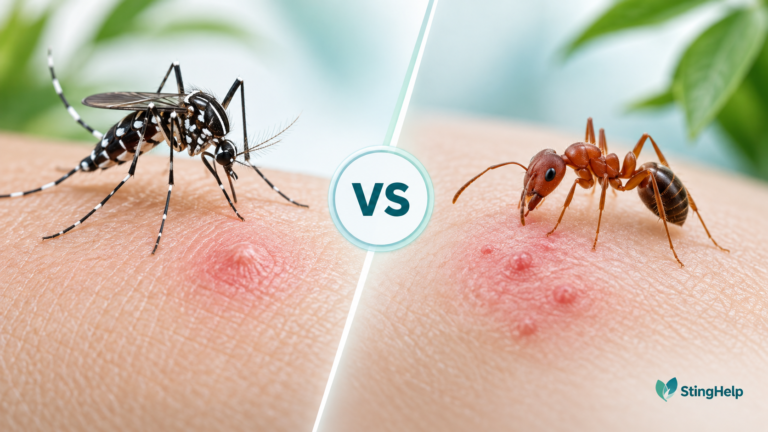
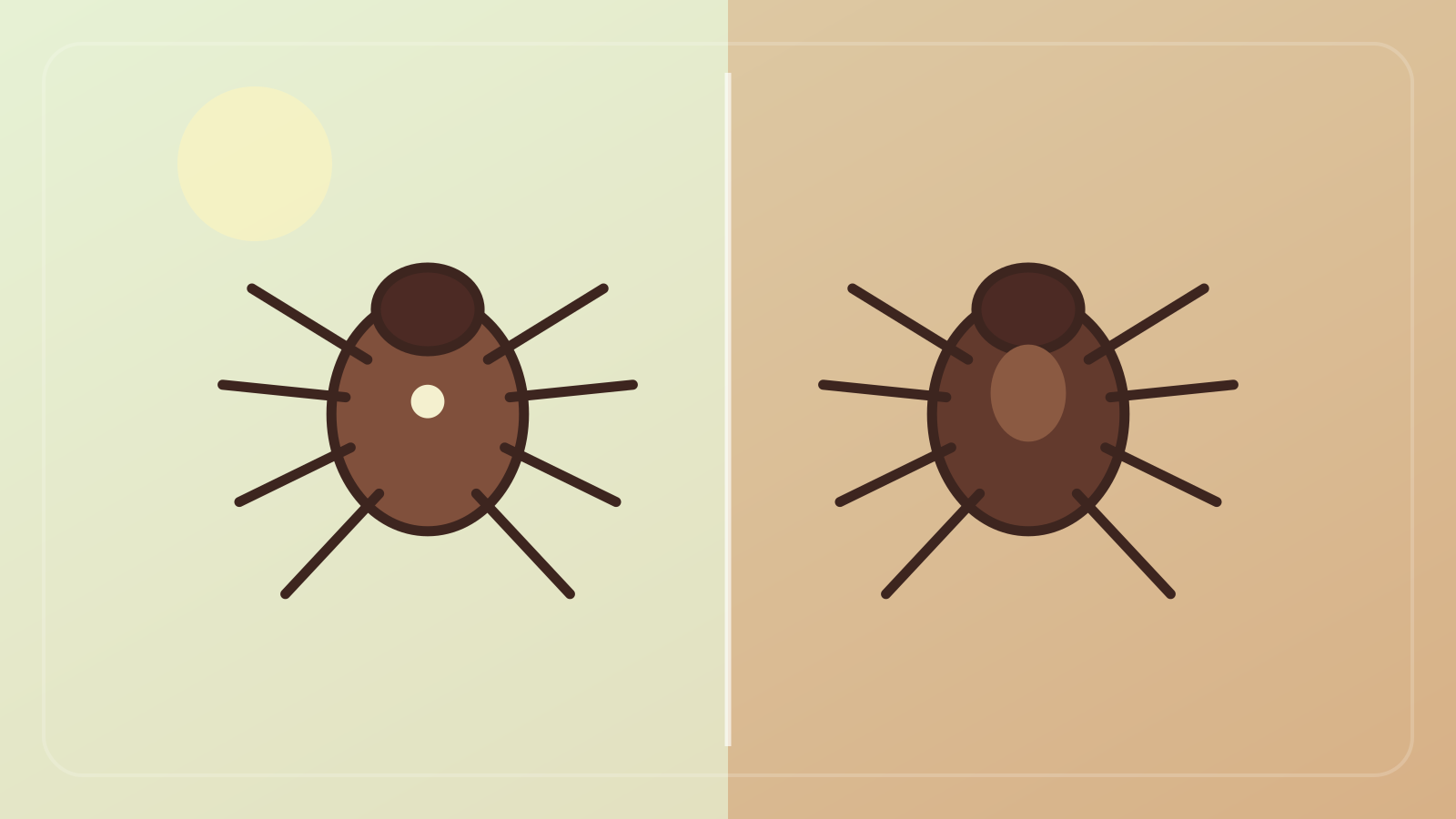
Direct answer: lone star tick bite and brown dog tick bite can produce overlapping redness, itching, swelling, or pain, so the skin mark alone cannot reliably identify the cause. Compare the exposure setting, timing, actual arthropod when safely available, geography, and symptom progression. Use simple first aid and seek care for severe, worsening, or systemic symptoms.
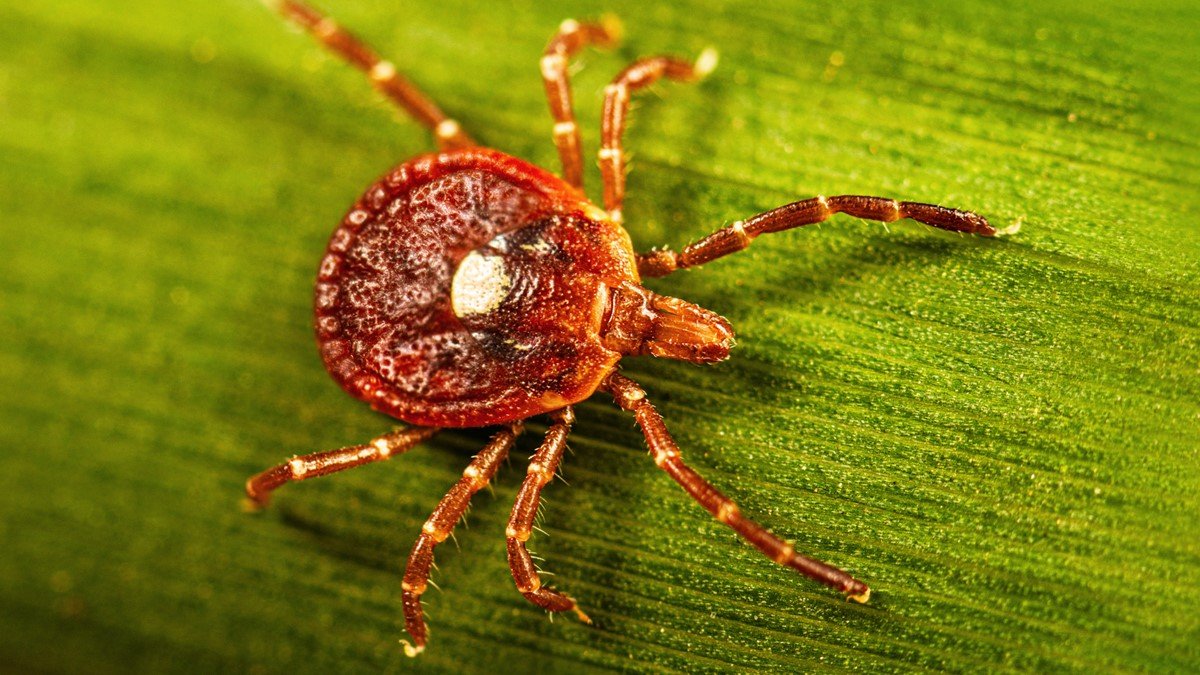
If you are comparing lone star tick bite vs brown dog tick bite pictures, start with what happened before the skin changed. A witnessed sting, an attached tick, exposure after sleep, contact with pets, outdoor activity, or a visible arthropod is more informative than trying to match one red bump to an online image. Identification is a probability judgment, not a diagnosis from appearance.
Tick-specific point: if a tick is attached, remove it promptly with fine-tipped tweezers by grasping close to the skin and pulling upward with steady pressure. Do not wait for species identification before removal. In April 2026, CDC reported unusually high emergency-department visits for tick bites in many U.S. regions and again emphasized prevention, tick checks, and prompt removal.
[stinghelp_image filename=”lone-star-tick-bite-vs-brown-dog-tick-bite-01.webp” alt=”lone star tick bite versus brown dog tick bite comparison guide” caption=”Educational comparison of lone star tick bite and brown dog tick bite; skin appearance alone is not diagnostic.”]
How can you tell lone star tick bite and brown dog tick bite apart?
| Clue | lone star tick bite | brown dog tick bite | How much weight to give it |
|---|---|---|---|
| Exposure setting | Look for a plausible encounter, habitat, or vector exposure. | Look for a plausible encounter, habitat, or contact pattern. | High when the exposure was witnessed. |
| Timing | Symptoms may be immediate, delayed, or initially unnoticed depending on the cause. | Symptoms may be immediate, delayed, or initially unnoticed depending on the cause. | Useful context, not proof. |
| Skin appearance | Redness, swelling, itching, tenderness, or a papule can occur. | Redness, swelling, itching, tenderness, or a papule can occur. | Low by itself because findings overlap. |
| Best evidence | Actual arthropod, geography, habitat, attachment or exposure history, and progression. | Actual arthropod, geography, habitat, exposure history, and progression. | Combine several clues. |
What are the most useful differences to compare?
First compare the mechanism. Ticks attach and feed for a period of time; mosquitoes and fleas feed and leave; wasps inject venom in a sting; mites can produce intensely itchy dermatitis; spiders may bite defensively but many presumed “spider bites” are never linked to a witnessed spider. These mechanisms create different exposure stories even when the resulting skin looks similar.
Second, compare distribution. A single lesion, a cluster, multiple lesions around ankles, a reaction after sleep, or a mark at the site of a removed tick can shift the probability, but none is perfectly specific. Third, compare systemic symptoms. Fever, severe headache, neurologic symptoms, widespread hives, or breathing difficulty changes the medical priority regardless of the exact species.
What should you do first if you are unsure?
- Move away from the suspected exposure and avoid additional contact.
- Remove an attached tick promptly using proper tweezers technique.
- Wash the affected skin gently with soap and water.
- Use a wrapped cool compress for local discomfort or swelling.
- Avoid scratching, squeezing, cutting, burning, or applying harsh chemicals.
- Document the date, location, symptoms, and any safely obtained arthropod photograph.
- Monitor for fever, spreading rash, worsening pain, breathing symptoms, or other systemic changes.
[stinghelp_image filename=”lone-star-tick-bite-vs-brown-dog-tick-bite-02.webp” alt=”Decision steps for lone star tick bite versus brown dog tick bite” caption=”Safe next-step decision guide after possible lone star tick bite or brown dog tick bite exposure.”]
Which differences matter medically?
The most important question is not which mark looks more dramatic. The priority is whether there is an ongoing exposure, a serious allergic reaction, a possible bacterial infection, or a plausible vector-borne illness. A small mark can accompany important systemic symptoms, while a large local reaction can remain limited to the skin. Let symptoms and exposure guide escalation.
If fever, headache, rash, or unusual illness develops after a tick exposure, tell the clinician where and when the exposure occurred. If widespread hives or airway symptoms follow a sting, treat allergy as the priority. If a lesion becomes increasingly warm, painful, swollen, or pus-filled, infection becomes more important than the original species guess.
Why can skin appearance alone be misleading?
Redness, itching, swelling, tenderness, papules, blisters, and discoloration are shared responses to many bites, stings, allergic reactions, irritants, and skin infections. Lighting, skin tone, scratching, time since exposure, and secondary infection can all change the way a lesion looks. A photograph is useful for documenting change, but it rarely proves which arthropod caused a mark.
Exposure history usually adds more information than a single image. Record where the event happened, whether an arthropod was seen, whether a tick was attached, whether the reaction followed sleep, yard work, hiking, pet contact, travel, or a nest disturbance, and how quickly symptoms appeared. These details help separate plausible causes without creating false certainty.
How should you monitor symptoms safely?
Take a dated photograph in similar lighting if the skin is changing, and note whether pain, itching, redness, or swelling is improving, stable, or worsening. Also record fever, headache, nausea, vomiting, dizziness, unusual fatigue, muscle aches, swollen lymph nodes, breathing symptoms, or a rash elsewhere on the body.
The trend matters more than a rigid timeline. A mild local reaction that gradually becomes less uncomfortable is different from a lesion that becomes hotter, more painful, rapidly larger, drains pus, develops red streaking, or occurs with fever. If systemic symptoms develop after a plausible vector exposure, tell the clinician the date and geographic location of the exposure.
What common mistakes should you avoid?
| Mistake | Why it can cause problems | Safer approach |
|---|---|---|
| Scratching, squeezing, or cutting the site | Can damage the skin barrier and introduce bacteria. | Keep the area clean and reduce friction. |
| Using bleach, acids, gasoline, or caustic remedies | Can cause chemical burns and obscure the original reaction. | Use gentle washing and evidence-based first aid. |
| Applying ice directly to skin | Can cause cold injury. | Wrap a cold pack in cloth and use short intervals. |
| Taking leftover antibiotics | May not treat the cause and can cause adverse effects. | Use antibiotics only when prescribed for a clinical indication. |
| Diagnosing from social-media pictures | Many unrelated conditions look similar. | Combine exposure, symptoms, progression, and professional assessment. |
Which warning signs need prompt medical attention?
Seek prompt medical advice for fever, severe or worsening pain, rapidly spreading swelling, pus, red streaking, a new or expanding rash, significant swollen lymph nodes with illness, persistent vomiting, severe headache, unusual weakness, or neurologic symptoms. Eye involvement, major facial swelling, and reactions close to the mouth or airway also deserve a lower threshold for assessment.
Call emergency services for trouble breathing, swelling of the tongue or throat, collapse, seizure, severe confusion, inability to wake, or a rapidly progressing severe allergic reaction. If a person has a prescribed epinephrine autoinjector and has been instructed to use it for anaphylaxis, use it promptly and still seek emergency care.
What information is most useful to a clinician?
Bring a concise timeline: exposure date and location, recent travel, outdoor activity, body site, when symptoms began, and how they changed. Mention medicines, allergies, pregnancy, immune suppression, and major medical conditions. A clear photograph of the arthropod may help when it can be obtained safely, but do not handle a live animal or delay urgent care to capture it.
Separate local findings from whole-body symptoms. “An itchy two-inch patch” and “fever with dizziness” provide different clinical information. This distinction can help a clinician decide whether the main concern is local inflammation, allergy, secondary infection, venom effects, or vector-borne disease.
How can you reduce future exposure?
Use an EPA-registered repellent or the locally approved equivalent according to the label, wear protective clothing when practical, and inspect skin after outdoor activity. CDC advises EPA-registered repellents and loose-fitting long clothing for mosquito and tick prevention. For ticks, check clothing, gear, pets, and hidden skin areas after potential exposure.
Regional risk changes with season and surveillance. Use current public-health guidance for the place where exposure occurred rather than assuming that the same species and disease risks apply everywhere.
How should you use online health information without delaying care?
Online guidance is most useful for understanding low-risk first aid, documenting an exposure, and recognizing escalation triggers. It is less reliable when it promises to identify a species from one skin photograph or gives a rigid diagnosis based on the number, color, or shape of bumps. Prefer current public-health agencies, national health services, poison centers, and clinician-reviewed specialty organizations.
If the situation is becoming more severe, do not wait for perfect identification. Treat the symptom pattern as the decision point: airway symptoms require emergency action; fever or systemic illness after a vector exposure deserves medical assessment; and worsening warmth, pus, red streaking, or pain can indicate secondary infection or another condition that needs examination.
What does a reassuring recovery trend look like?
For an uncomplicated local reaction, discomfort and swelling should generally become less intrusive over time, even if the mark remains visible for a while. Itching can persist after the most noticeable redness has faded. Recovery does not have to be perfectly linear, but the overall direction should be toward improvement without new systemic symptoms.
A course that becomes progressively more painful, hotter, more swollen, more widespread, or associated with fever is not the pattern to simply watch indefinitely. Reassessment is appropriate when the direction changes from healing to deterioration.
Frequently asked questions
Can I identify lone star tick bite versus brown dog tick bite from the mark alone?
No. Skin findings overlap. Exposure history, the actual arthropod when safely available, geography, timing, and symptom progression are more useful.
What if I never saw what caused it?
Use low-risk first aid and monitor the course. Seek care based on severity and red flags rather than waiting for perfect identification.
Should I use antibiotics?
Not routinely. Antibiotics treat bacterial infections, not ordinary local inflammation, venom, or itching. A clinician should decide when they are indicated.
Can I take an antihistamine?
Antihistamines may help itching or some allergic symptoms for some people. Follow the label and ask a pharmacist or clinician when age, pregnancy, medical conditions, or other medicines create uncertainty.
How long should a mild reaction last?
There is no single timeline. The key is an overall trend toward improvement rather than increasing pain, swelling, fever, or systemic symptoms.
When is emergency care needed?
Use emergency services for breathing difficulty, severe throat or tongue swelling, collapse, seizure, severe confusion, or inability to wake.
[stinghelp_image filename=”lone-star-tick-bite-vs-brown-dog-tick-bite-03.webp” alt=”Warning signs after lone star tick bite or brown dog tick bite” caption=”Symptoms that should prompt medical assessment after possible lone star tick bite or brown dog tick bite exposure.”]
How can you make a safer decision when the exact cause remains uncertain?
Online guidance is most useful for understanding low-risk first aid, documenting an exposure, and recognizing escalation triggers. It is less reliable when it promises to identify a species from one skin photograph or gives a rigid diagnosis based on the number, color, or shape of bumps. Prefer current public-health agencies, national health services, poison centers, and clinician-reviewed specialty organizations.
If the situation is becoming more severe, do not wait for perfect identification. Treat the symptom pattern as the decision point: airway symptoms require emergency action; fever or systemic illness after a vector exposure deserves medical assessment; and worsening warmth, pus, red streaking, or pain can indicate secondary infection or another condition that needs examination.
How can symptom location change the next step?
The same degree of swelling can have different practical consequences depending on where it occurs. Swelling around the eye can interfere with vision, swelling of the lips or tongue can threaten the airway, and swelling of a hand or foot can become uncomfortable under rings, shoes, or tight clothing. Remove constricting jewelry early if swelling is increasing, and seek prompt assessment when function is affected.
Reactions behind a knee, at the waistline, or under a strap may look worse because friction and pressure repeatedly irritate the skin. Reducing friction and keeping the area clean can help, but location does not override red flags: fever, rapidly increasing pain, pus, red streaking, breathing symptoms, or systemic illness still need appropriate medical attention.
What is the difference between a local reaction and a systemic reaction?
A local reaction stays mainly at or near the exposure site and may include redness, swelling, itching, tenderness, or a small blister. A systemic reaction affects other parts of the body or general wellbeing. Examples include widespread hives, breathing difficulty, dizziness, vomiting, fever, severe headache, unusual weakness, or neurologic symptoms.
This distinction is useful because systemic symptoms can change urgency even when the skin mark is small. Conversely, a large local reaction can look dramatic without proving a dangerous infection or a specific species. When in doubt, describe both the skin findings and whole-body symptoms separately when contacting a healthcare professional.
How should families prepare before outdoor activities?
Prevention works best when it is planned before exposure. Pack an appropriate repellent, wear clothing suitable for the environment, know how to perform a tick check, and carry any prescribed emergency allergy medicine. Families traveling to a new region should review current local public-health advice because vector activity and disease surveillance can differ from home.
After outdoor activity, inspect exposed and hidden skin areas, change out of field clothing when practical, and check gear and pets that may carry ticks indoors. These steps reduce risk without requiring fear of normal outdoor activity.
Related StingHelp guides
- What Bit Me? Identification & Comparisons
- Bite & Sting First Aid and Treatment
- Infection, Complications & Healing
- Tick Bites & Tick-Borne Risks
Authoritative references
- CDC — Tick bite prevention and response
- CDC — Mosquito bite prevention
- American Academy of Dermatology — Bug bites and stings
- NHS — Insect bites and stings
Summary
For lone star tick bite vs brown dog tick bite pictures, avoid diagnosing from skin appearance alone. Compare exposure, geography, timing, the actual arthropod when safely available, and the direction symptoms are moving. Use gentle first aid, document changes, and seek timely care for severe pain, infection signs, fever, spreading rash, breathing problems, or other systemic symptoms.