
Quick answer: Baking soda is a traditional bee-sting remedy, but it should not be presented as a proven way to neutralize venom or draw it out of the skin. For a mild sting, prioritize prompt stinger removal, gentle cleaning, and a wrapped cold pack. The NHS advises against bicarbonate-of-soda home remedies for bites and stings.

Why the venom-neutralizing explanation is misleading
A kitchen acid-base experiment is not the same as treating venom injected into tissue. Applying a substance to the surface does not demonstrate that it reaches venom, neutralizes it, or improves the clinical outcome. Claims of an exact “best” paste ratio, osmotic venom extraction, or guaranteed rapid relief need evidence that this article cannot establish.
Relief after applying a damp paste also does not prove that baking soda was responsible. Symptoms may settle on their own, and cooling or other first aid may have been used at the same time.
What to do instead for a mild bee sting
- Move away from the insect or nest.
- If a stinger remains, remove it promptly. A fingernail or card edge can help scrape it away. Do not dig into the skin.
- Wash with soap and water.
- Use a cold pack wrapped in cloth, with breaks. Avoid direct ice on skin.
- If symptoms need additional relief, ask a pharmacist about a suitable pain reliever or itch treatment and follow the product label.
These steps are consistent with the American Academy of Dermatology’s bee-sting guidance. Medicine choice depends on age, pregnancy, other conditions, and other medicines; do not use this article to set a dose.
What if you already used baking soda?
If the paste stings, irritates, or dries the area, rinse it away gently and stop using it. Avoid repeated applications to broken skin and do not combine it with vinegar, bleach, essential oils, or other irritants. Seek medical advice if irritation persists or the original reaction is getting worse.
Bee sting versus wasp sting: should the remedy change?
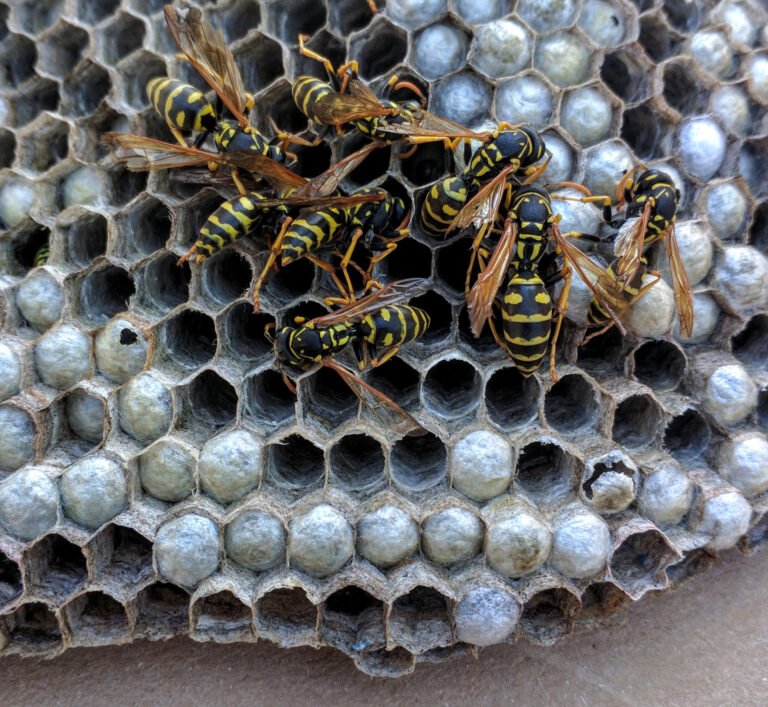
The basic first-aid priorities are similar. A honeybee may leave a stinger; a wasp usually does not. That difference does not establish a rule that bee venom needs baking soda and wasp venom needs vinegar. Read the evidence on vinegar for wasp stings.
When medical advice matters
Get prompt assessment for worsening pain, pus, fever, substantial swelling, or symptoms near an eye. A sting inside the mouth or throat needs urgent attention. A previous serious sting allergy or multiple stings also warrants an individualized plan. US Poison Control is available at 1-800-222-1222 for exposure advice; use 911 for emergency symptoms.
Frequently asked questions
What is the medically proven baking soda-to-water ratio?
This guide cannot establish one. A precise recipe should not be confused with evidence of effectiveness.
Can baking soda remove a stinger?
No. Check for a retained stinger and remove it promptly; a paste is not a substitute.
Is it suitable for a baby?
Ask the child’s clinician about sting care and age-appropriate treatments. Do not use an adult remedy or medicine schedule for an infant.
Sources
Educational information for US readers. This article is not a diagnosis or individualized treatment plan and does not claim medical-professional review. Source links checked September 12, 2026.