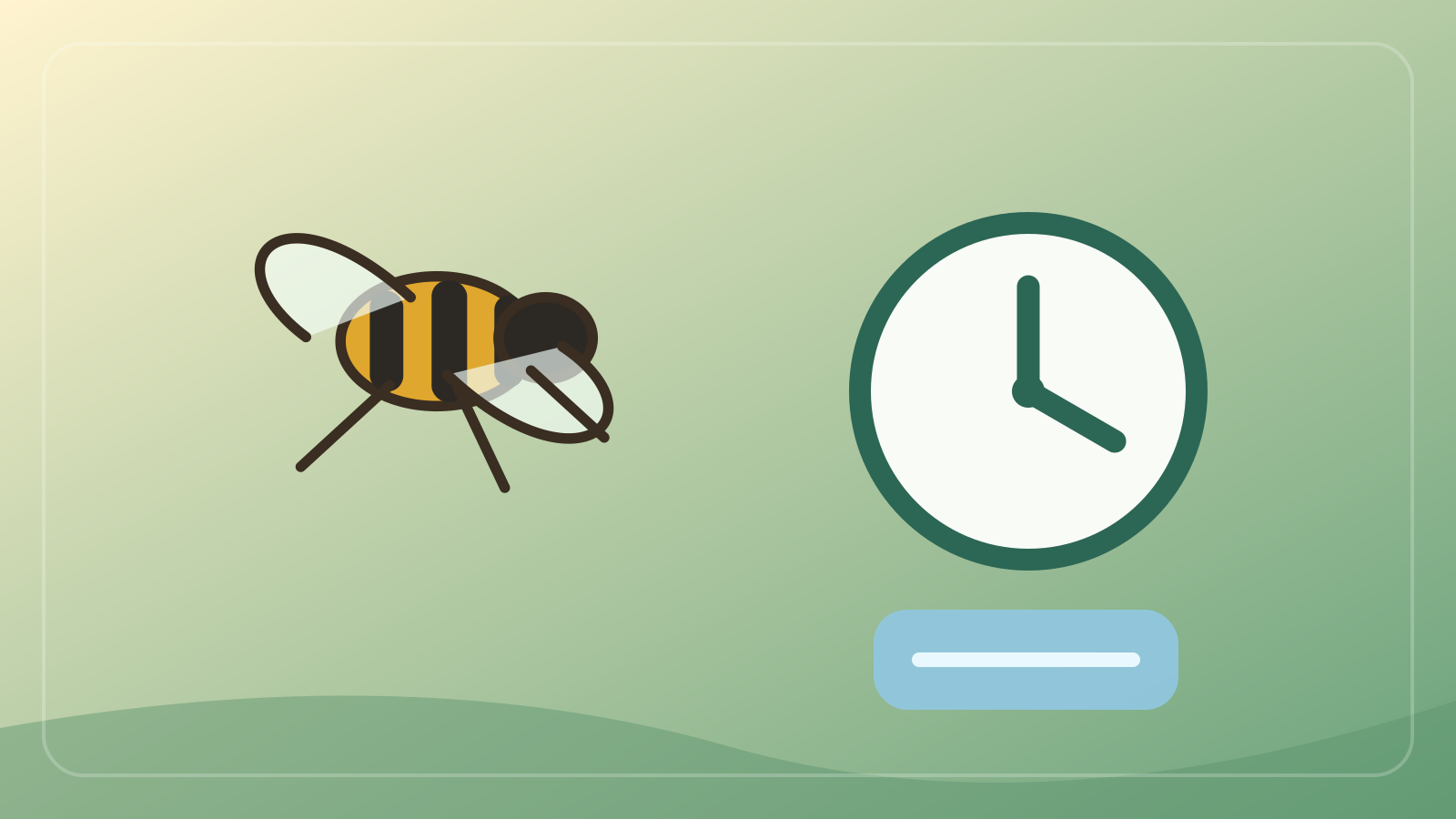
Quick answer: Sharp bee-sting pain often eases within a few hours, while itching and swelling can last longer. Seattle Children’s describes pain or burning lasting about 1–2 hours, swelling increasing for up to 48 hours, and swelling lasting up to 7 days. These are general expectations, not a deadline or a diagnosis for every person.
A practical recovery timeline
| Period | What you might notice | What matters |
|---|---|---|
| Immediately after the sting | Sharp pain or burning and a local mark. | Leave the area, remove a retained stinger, and assess symptoms. |
| Over the next hours | Pain may lessen while itching or swelling remains. | Track the overall trend rather than a pain-score prediction. |
| Over the next several days | A local reaction can remain visible after pain improves. | New illness or worsening pain needs reassessment. |
Why swelling can outlast the sharp pain
Pain and swelling do not necessarily fade together. Local inflammation can remain after the initial sting sensation settles. A larger local reaction can be uncomfortable without being the same as anaphylaxis. However, the size of a swollen patch alone cannot tell you whether it is uncomplicated inflammation or another problem.
Avoid promises that a sting on one body part heals in an exact number of minutes, or that everyone follows a fixed sequence of pain scores. The number of stings, location, individual response, scratching, and medical history can change the experience.
How to relieve a mild reaction
Use gentle washing, a wrapped cold pack with breaks, and elevation when comfortable. Remove rings or tight jewelry early if swelling is developing. Ask a pharmacist about an appropriate pain reliever, antihistamine, or other itch treatment, and follow the label. Avoid combining medicines automatically or using higher doses to speed recovery.
Do not use the intensity of itching as proof that everything is healing. Keep the skin intact and reassess if the direction changes. Vinegar is not an established venom-neutralizing treatment, and kitchen remedies should not displace basic care.
When lingering pain needs assessment
- Pain is severe, increasing, or interfering with normal use of the affected part.
- Pus, red streaks, increasing warmth, or fever develops.
- Swelling or symptoms are worsening rather than gradually settling.
- The sting is in the mouth or throat, near an eye, or follows multiple stings.
These findings can have different explanations. They are reasons to seek advice, not a way to diagnose infection from a timeline. Do not start leftover antibiotics.
Frequently asked questions
Is pain after three days always an infection?
No. A local inflammatory reaction can persist, but significant or worsening symptoms should be assessed. Pus, fever, and spreading pain add concern.
Can swelling increase on the second day?
Yes, that can occur with a local reaction. Breathing symptoms, fainting, or throat swelling are a different level of urgency and should never be watched at home.
When can I return to normal activity?
Use comfort, function, and medical advice as the guide. There is no universal return-to-sports time for all stings.
Sources
Educational information for US readers. This article is not a diagnosis or individualized treatment plan and does not claim medical-professional review. Source links checked September 12, 2026.