Doorbell cameras have made the delivery-driver sting a genre of its own on TikTok: the package lands on the porch, something striped darts out of the mailbox, and the next ten seconds are a blur of dropped parcels and footwork. It plays as comedy on a phone screen; on route, it is anything but funny.
Wasp stings delivery drivers mail carriers face are not a freak hazard — they are an occupational pattern. The U.S. Postal Service has repeatedly warned, through its official newsroom at about.usps.com, that stinging insects including bees, wasps, hornets, and yellowjackets nest in and around mailboxes, putting carriers at real risk every day they walk a route. This guide is written for the people on those routes: why delivery work draws more stings than almost any other job, how to handle a sting mid-shift, what sting-allergic workers should have in place before they ever clock in, and how to spot the nests before they spot you.
Why Delivery Workers Get Stung More Than Anyone
Most people encounter a wasp nest a few times a year. A mail carrier or delivery driver can encounter them a few times a week — and the reasons are built into the job.
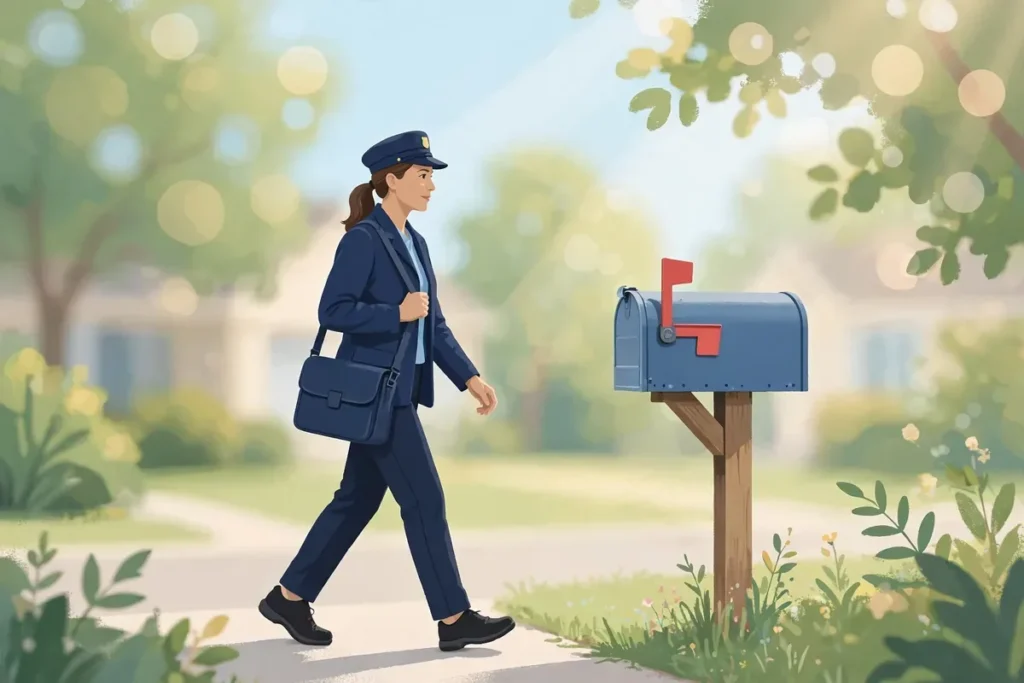
Start with the mailbox itself. USPS has explained that stinging insects nest in and around mailboxes: a sheltered, undisturbed cavity, often near flowering shrubs, sitting untouched for days between openings. Every time a carrier flips that door open, the vibration and the exhaust from the carrier vehicle can disturb whatever has moved in. USPS goes so far as to ask customers directly to trim plantings around mailboxes and to watch for and remove nests — a request that tells you how routine the problem is.
Private delivery drivers face the porch version of the same hazard: eaves, door frames, package drop zones, garage corners, and recycling bins, all visited in rapid succession. And the exposure keeps growing — e-commerce growth means more residential deliveries than ever before, which means more doorsteps, more mailboxes, and more chances to startle a colony.
Then there is the calendar. Late summer and fall are peak wasp aggression season, when colonies are at their largest and food gets scarce — overlapping with the heaviest delivery season of the year.
The numbers behind the risk are worth knowing. The Mayo Clinic reports that about 10% of people develop a stronger local reaction to a sting — significant swelling that spreads beyond the sting site — while only 1 to 2 in 1,000 are truly allergic or hypersensitive (figures USPS itself has cited in its carrier-safety releases).
Know Your Enemy: Wasps, Yellowjackets, and Hornets on the Route
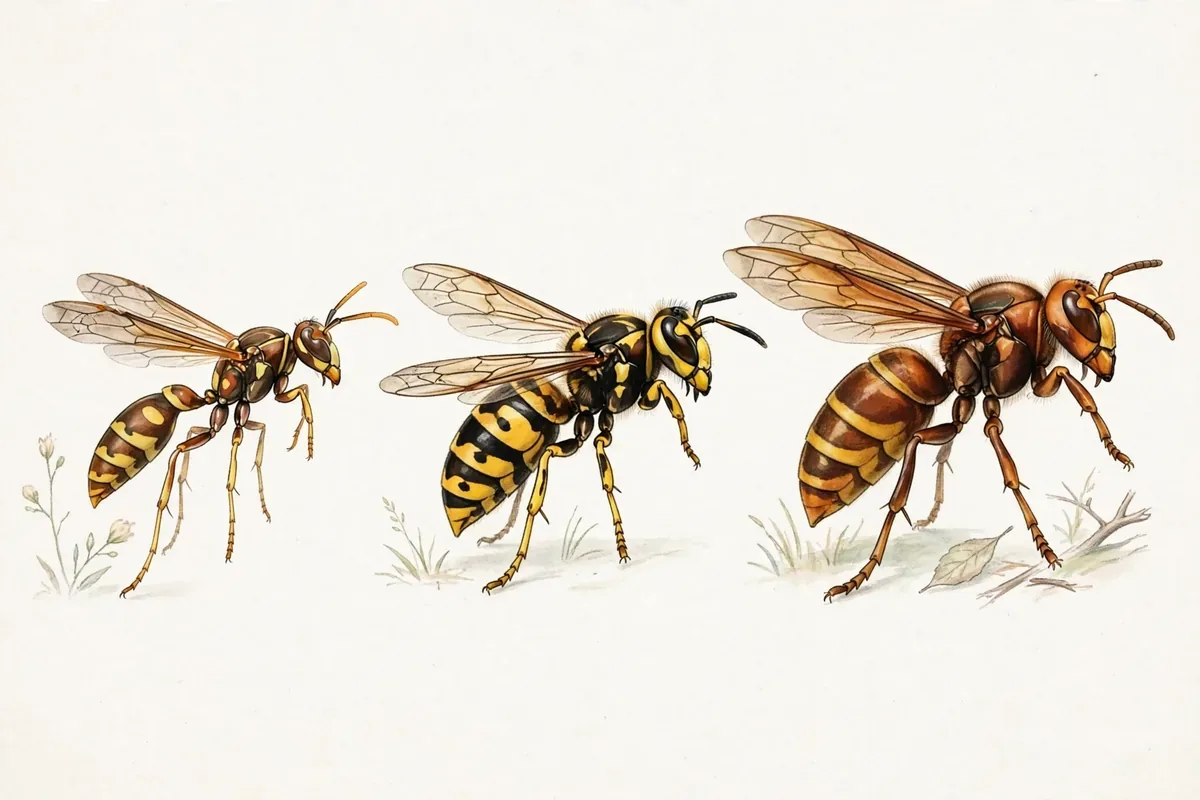
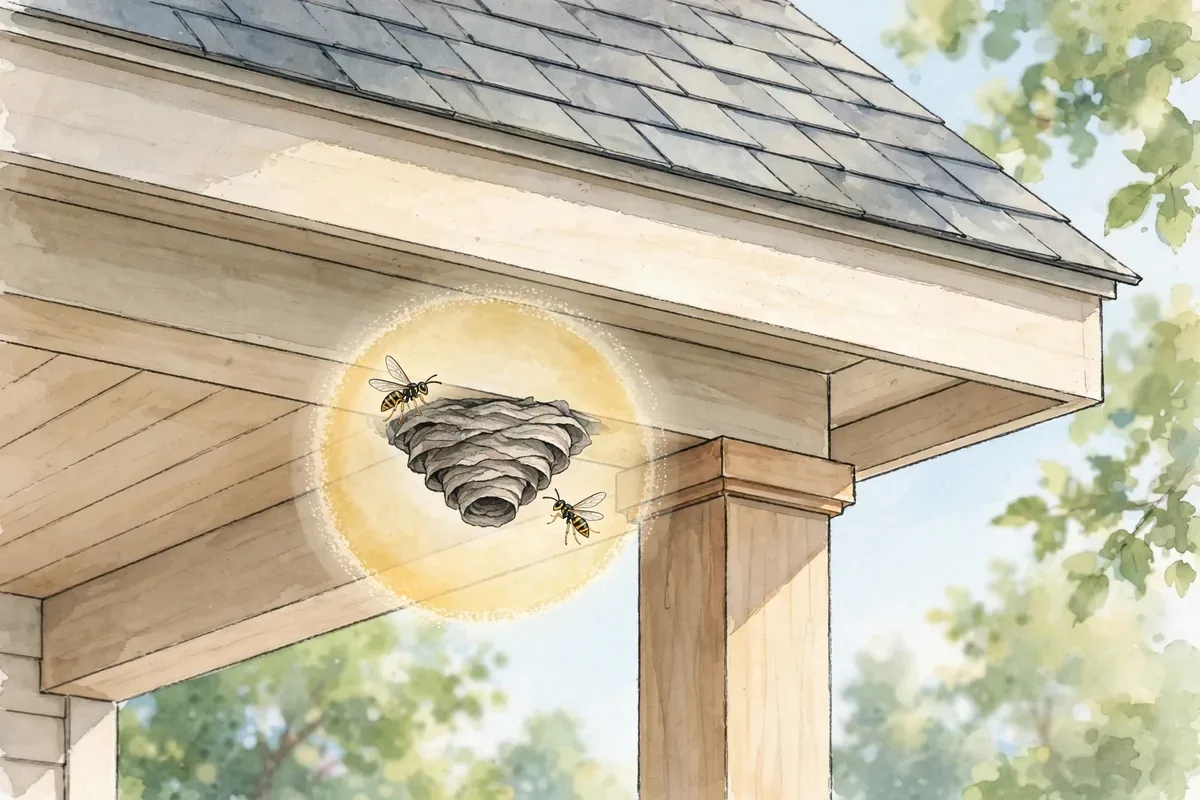
Paper wasps build the gray, umbrella-shaped nests tucked under eaves, porch ceilings, and mailbox tops. They are relatively calm by wasp standards and usually only sting when the nest itself is threatened — which, unfortunately, is exactly what opening a mailbox door can do.
Yellowjackets are the route’s worst regulars. They nest in the ground — holes near porches, walkways, and garden beds — and in wall voids, and they turn notably aggressive in late summer and fall. They are also drawn to food and sweet drinks, which makes lunch breaks and open beverage cans on a hot route a secondary attractant.
Hornets (including the European hornet and bald-faced hornet) build large enclosed aerial nests in trees, shrubs, and on buildings. They are bigger and louder, but like paper wasps they mostly defend the nest rather than hunting people down.
Honeybees deserve a mention because the first aid differs: a honeybee leaves its barbed stinger behind and dies, while wasps, hornets, and yellowjackets keep a smooth stinger and can sting repeatedly. If there is a stinger embedded in the skin, a bee did it — and removing it quickly matters, which our guide to the first 10 minutes after a sting covers step by step.
First Aid for a Sting on Route
When a sting happens mid-shift, speed and calm both matter. Here is the sequence:
1. Move away calmly — do not swat. Fast, panicked swatting agitates wasps further and can draw more of them. Walk steadily away from the nest area toward your vehicle or an enclosed space.
2. Deal with the stinger if there is one. Wasps and hornets do not leave stingers behind, but if it was a honeybee, scrape the stinger out sideways with a fingernail or card edge as quickly as you can.
3. Wash with soap and water. Clean the site to reduce infection risk. Alcohol wipes or soap wipes from a vehicle kit work fine on route.
4. Apply a cold compress. A cold pack or even a cold water bottle held against the sting eases pain and limits swelling.
5. Do not scratch. Scratching raises infection risk — our explainer on why you should never scratch or squeeze a bite covers the mechanics.
6. Watch the site over the next day or two. Note the time and location of the sting in your route log. Some redness and swelling in the first hours is a normal local reaction; watch for spreading redness, red streaks, increasing warmth, pus, or fever — the warning signs that mean the situation has changed.
Get help promptly if you take multiple stings at once, are stung inside the mouth or throat, or are stung near the eye — those situations deserve professional evaluation even when you feel fine at first.
The Allergy Question: Action Plans for Sting-Allergic Workers
This section is the most important one in the article, so here it is plainly: if you have ever had a whole-body reaction to a sting — trouble breathing, throat tightness, dizziness, widespread hives — talk to your doctor about an allergy action plan before your next shift.
If a doctor has prescribed you an epinephrine auto-injector, keep it with you on every route and know how to use it. Never borrow someone else’s auto-injector, and never let someone pressure you into carrying one that was not prescribed to you — this is between you and your clinician.
Tell someone where it is. A supervisor, a fellow carrier, or a dispatcher should know you carry it and where you keep it. Lone workers on rural routes should have a check-in plan with dispatch for exactly this kind of emergency.
Know the line between a big local reaction and anaphylaxis. About 10% of people get a large local reaction — swelling that spreads well beyond the sting site over a day or two. Uncomfortable, but not the same emergency as the 1-to-2-in-1,000 systemic allergy: breathing difficulty, throat or tongue swelling, dizziness, fainting, rapid heartbeat. The second list means call 911 immediately — our anaphylaxis warning signs guide details what to look and listen for.
What employers should provide, in general terms: sting-awareness training for route workers, clear reporting procedures for nests, first-aid supplies in vehicles, and communication plans for workers who are alone on route.
Spotting Nests Before They Spot You
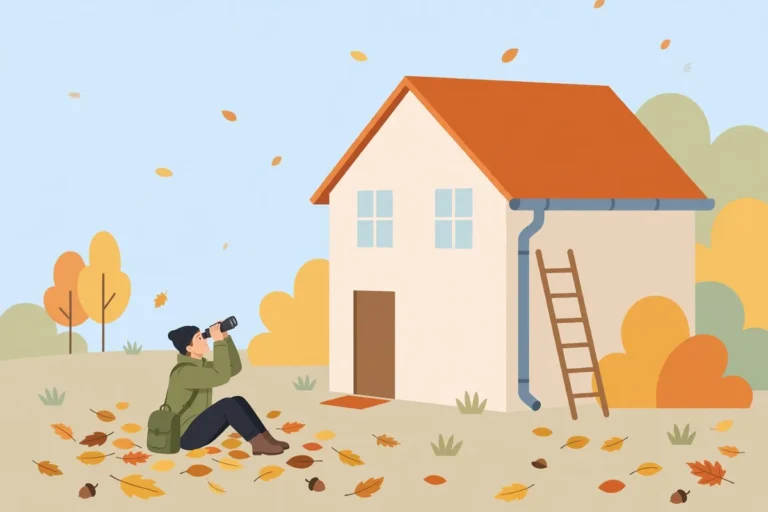
The best sting first aid is the sting that never happens, and route workers develop an eye for nests the way drivers develop an eye for potholes:
- Mailbox corners first. Open mailbox doors slowly and glance inside the top corners and under the lid before reaching in. This two-second habit is the single highest-value change a carrier can make.
- Umbrella nests under eaves. Paper wasp nests look like small gray paper umbrellas, often no bigger than a golf ball early in the season. Check porch ceilings, door frames, and the undersides of package-drop shelters.
- Ground holes near porches and walkways. Yellowjackets fly in and out of inconspicuous holes in soil, mulch, or wall bases. Watch for steady insect traffic — coming and going in a line means a nest, not a stray.
- Shrubs and plantings around mailboxes. Dense growth against a mailbox is prime nesting cover, which is why USPS asks customers to trim it back.
If you find a nest: do not disturb it or try to remove it yourself. Back away slowly, and report it — to your supervisor, and where appropriate to the homeowner or pest control. A nest reported today is a sting prevented next week.
One folk remedy deserves an honest mention: some mail carriers tuck scented dryer sheets into mailboxes, on the theory that wasps dislike strong scents. Carriers swear by it, but the evidence is anecdotal — harmless to try, unwise to rely on.
Preventing Stings During Peak Season
Late summer through fall is when colonies are largest, food is scarcest, and wasps are shortest-tempered — and it coincides with peak delivery volume. A few habits carry you through it:
Dress boring. Light-colored, smooth-fitted clothing attracts less attention than dark or bright colors; closed shoes beat sandals on routes with ground nests. Skip strong fragrances and scented lotions on workdays.
Mind food and drink. Yellowjackets love sugary drinks and open food. Keep beverages capped, eat away from known nest areas, and rinse cans and bottles before tossing them in the truck.
Keep the vehicle closed up near nests. Windows up near known nest sites — a wasp in the cab turns a controlled situation into a moving one.
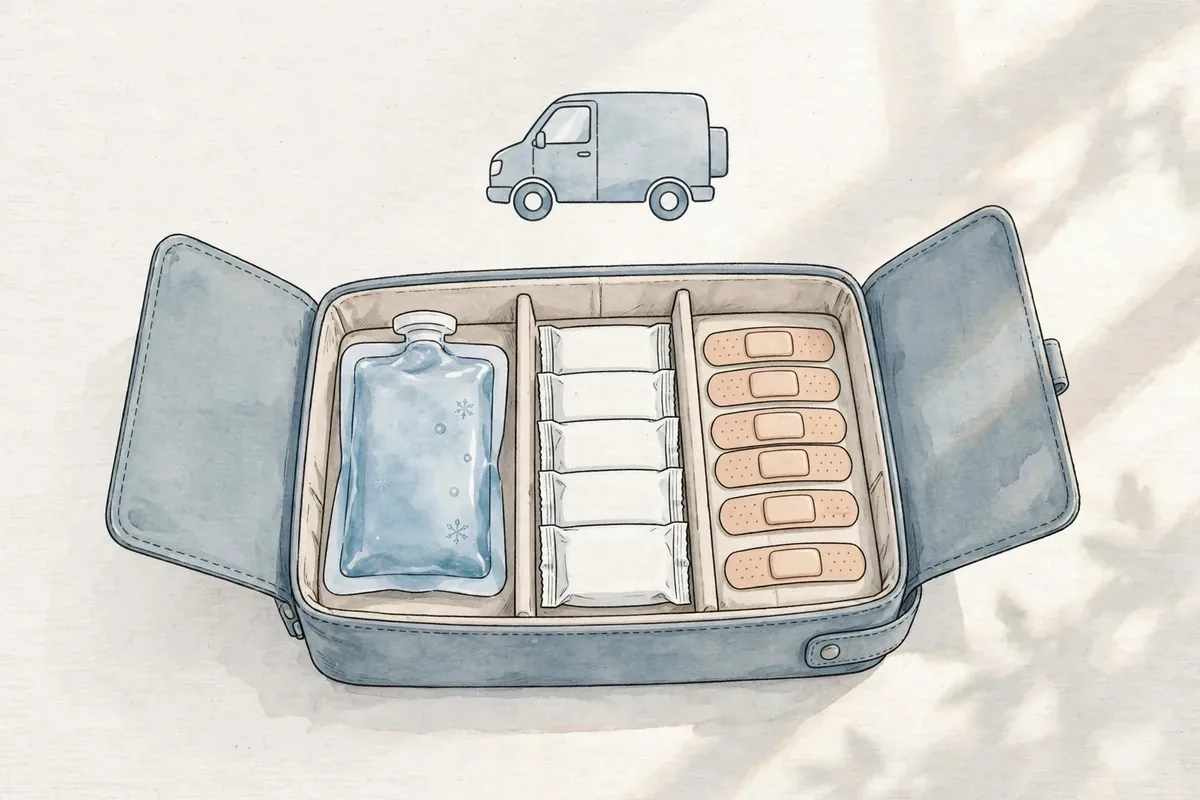
Carry a real kit. A small vehicle kit — soap wipes, a cold pack, adhesive bandages, and your route log — covers the vast majority of sting situations. If you hike or work rural routes, our outdoor bite-prevention checklist is a good template for a more complete version.
Report, report, report. Every nest you flag to a supervisor, homeowner, or pest control is one fewer ambush for the next person on that route — including you, tomorrow.
When to See a Doctor for a Sting
- Call 911 immediately for anaphylaxis signs: trouble breathing, wheezing, swelling of the lips, tongue, or throat, dizziness, fainting, or a rapid heartbeat. Use a prescribed epinephrine auto-injector if you have one, then still call 911.
- Multiple stings at once, a sting inside the mouth or throat, or a sting in or near the eye — seek prompt professional evaluation.
- Suspected infection: spreading redness or red streaks, increasing warmth or swelling after the first day or two, pus, or fever.
- Timeline violations: swelling or pain that keeps worsening after 48 hours, or no improvement after several days.
- Known sting allergy: any systemic symptoms after a sting warrant urgent care, even if a previous reaction was mild — allergies can escalate between exposures.
Frequently Asked Questions
Do dryer sheets in mailboxes actually keep wasps away?
Many mail carriers say yes, but the evidence is anecdotal — no solid studies back it. Harmless to try, but do not let it replace the real defenses: checking before you reach in and reporting nests.
Should every delivery driver carry an epinephrine auto-injector?
No — only if a doctor has prescribed one for you because of a diagnosed allergy. If you have ever had a whole-body reaction to a sting, talk to your doctor; if you have not, an auto-injector is not something to obtain “just in case.”
What should I do if I disturb a nest on route?
Move away calmly but quickly and do not swat at the insects. Get inside your vehicle or another enclosed space, then note the location and report it to your supervisor.
Are yellowjackets really worse than paper wasps?
On a route, generally yes. Paper wasps are defensive mainly around their visible nests; yellowjackets are more aggressive, especially in late summer, and nest in hidden ground holes. Both can sting repeatedly, so neither deserves complacency.
Can I ask my employer for sting protection?
You can and should raise it. Stinging insects around mailboxes and porches are a documented occupational hazard — USPS itself has published carrier-safety guidance on it. Reasonable asks include sting-awareness training, clear nest-reporting procedures, vehicle first-aid supplies, and a communication plan for lone workers.
Medically reviewed by Dr. Sarah Jones, MD.
This article is for informational purposes only and isn’t medical advice. If you’re worried about a bite or sting, talk to a healthcare professional.