
Does Hand Sanitizer Help Mosquito Bites? Truth
You've been there: a mosquito bite flares up at a barbecue, there's no calamine lotion in sight, and someone hands you a bottle of…
Compare tick bite vs brown recluse bite treatment differences, symptoms, timelines, safe first aid, warning signs, and when to seek medical care.
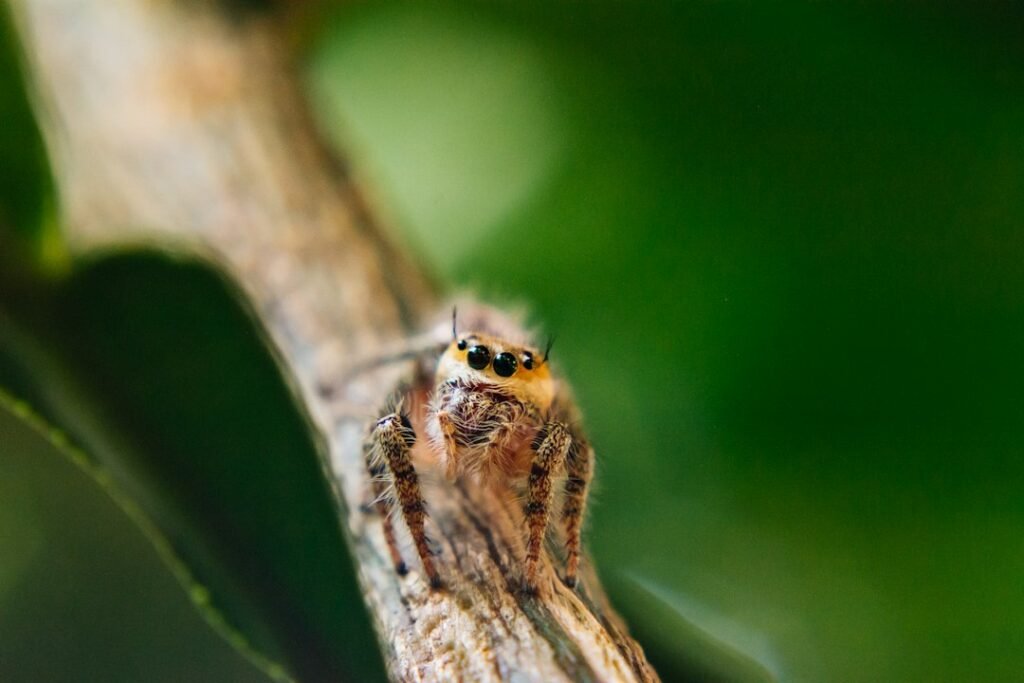
Direct answer: A tick bite is most strongly supported by finding an attached or recently removed tick, while a confirmed brown recluse bite may become increasingly painful and can develop blistering, discoloration, or an ulcer. Pictures alone cannot reliably identify either cause, so exposure history, symptom timing, geography, and warning signs matter.
When comparing a tick bite vs brown recluse bite, avoid diagnosing from a red bump alone. Tick bites may initially be unnoticed, while brown recluse bites may cause little sensation at first or a sharp sting followed by increasing pain over several hours. Both can be confused with other skin problems.
| Feature | Tick bite | Brown recluse bite |
|---|---|---|
| Strongest clue | Attached or recently removed tick | Spider actually seen and safely identified in a compatible region |
| Early symptoms | Often painless or mildly irritated | May be painless initially or sting; pain can increase over hours |
| Skin progression | Small localized redness can occur; later rash depends on illness | May develop blistering, reddish-purple discoloration, ulceration or tissue injury in significant cases |
| Main delayed concern | Tick-borne infection | Local tissue injury; rarely systemic illness |
| Urgent signs | New significant illness, neurologic symptoms, breathing problems | Rapidly worsening wound, severe systemic symptoms, breathing difficulty, collapse |
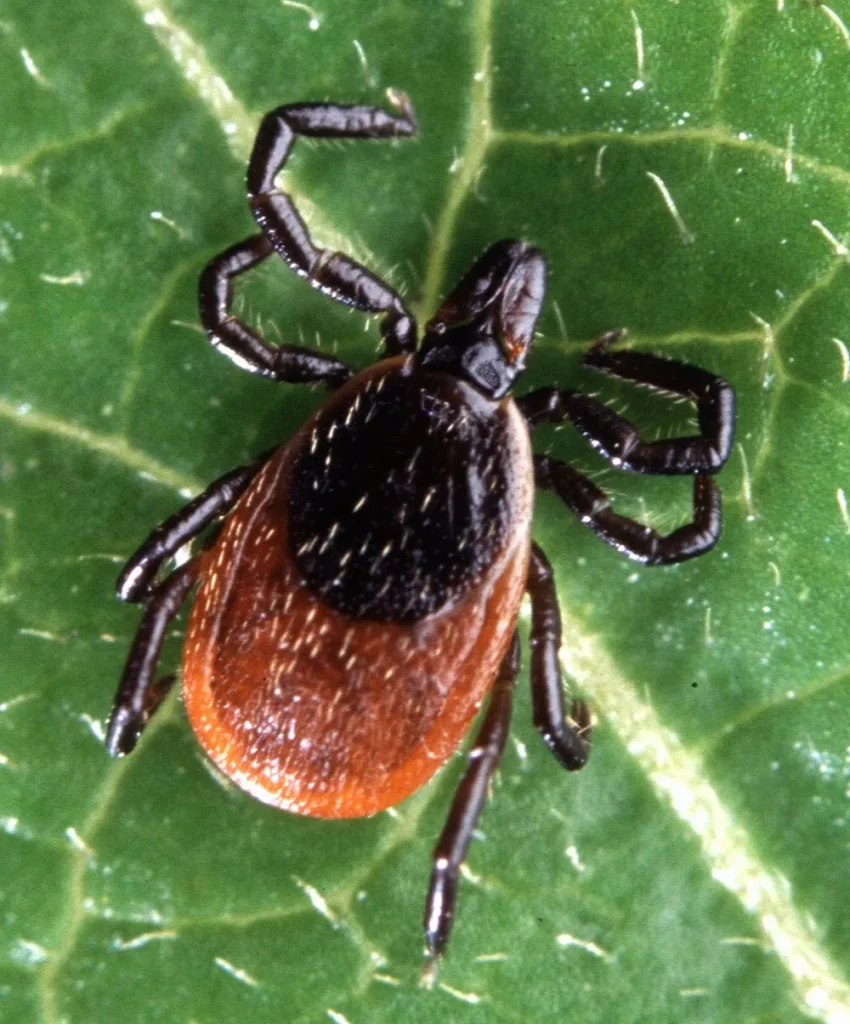
The clearest evidence of a tick bite is the tick itself. If it remains attached, current CDC guidance recommends prompt removal with clean fine-tipped tweezers. Grasp the tick close to the skin and pull upward with steady, even pressure. Clean the area and your hands afterward. Do not use petroleum jelly, heat, nail polish, or similar methods to make the tick detach.
A small red spot after removal is common and does not establish a tick-borne infection. More important is what happens afterward. If fever or a new rash develops within days to weeks, contact a healthcare professional and provide the date and likely location of the exposure.
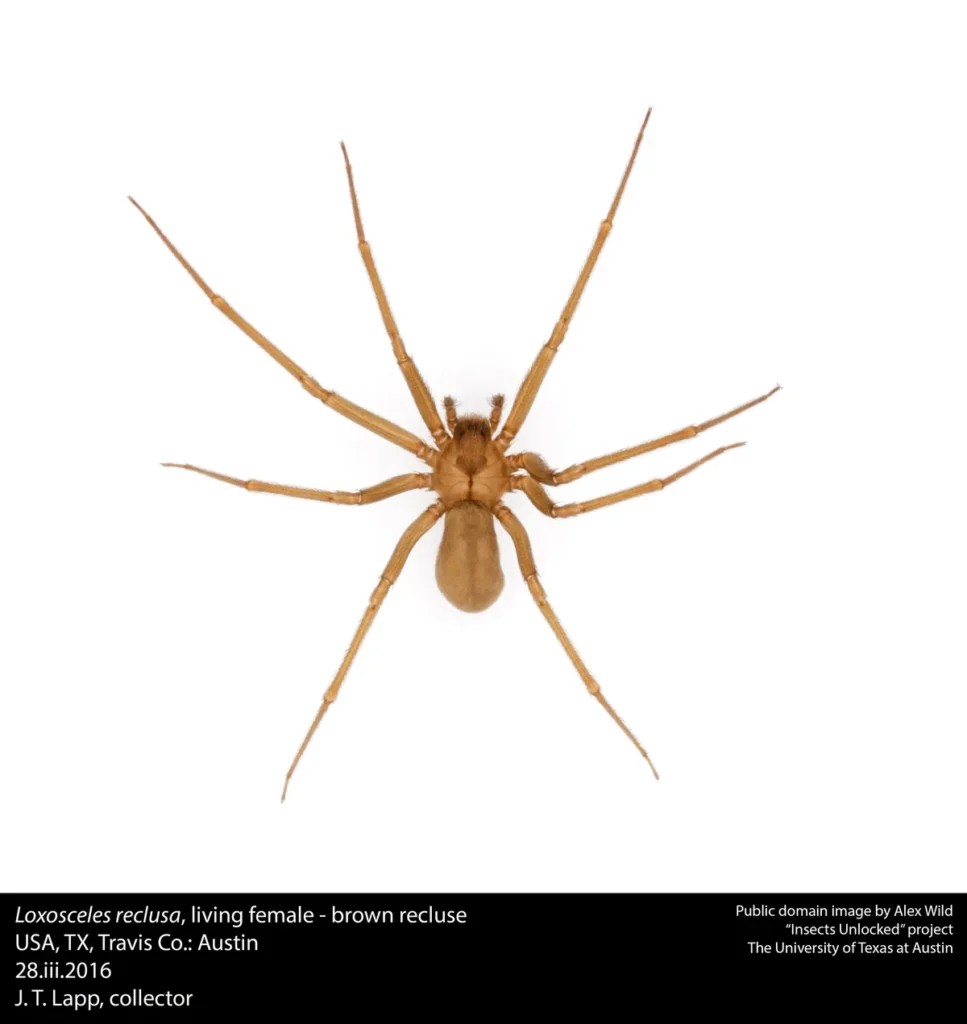
Brown recluse spiders are most associated with the south-central and parts of the midwestern United States and prefer secluded, dry, sheltered areas. MedlinePlus describes bites as sometimes initially painless, with pain developing during the first several hours. A reddish or purplish area, blister, and in more serious cases an ulcer or dark eschar can develop.
However, a necrotic-looking lesion does not prove a brown recluse bite. CDC travel guidance emphasizes that many lesions blamed on spiders were never associated with a witnessed spider and may instead be bacterial skin infections or other conditions.
Tick-related risk is often delayed. Depending on the tick species, region, and pathogen, illness can emerge after the original bite looks minor or has disappeared. Fever, rash, headache, fatigue, muscle aches, or neurologic symptoms after a recent tick exposure deserve medical attention.
Brown recluse venom primarily raises concern for local tissue damage. MedlinePlus also lists systemic symptoms such as fever, chills, nausea, sweating, and general illness, while severe complications such as hemolysis and kidney injury are uncommon but possible. Children can have more serious systemic reactions.
CDC advises against using commercial tick-testing results as the basis for treatment decisions because a positive result does not prove transmission and a negative result can provide false reassurance.
Wash the area with soap and water and use a wrapped cold pack intermittently. Avoid cutting, squeezing, or attempting to remove venom. If a spider was seen, photograph it only if this can be done safely; do not risk another bite by handling it.
Professional medical evaluation is appropriate for a credible brown recluse bite, especially when pain or the skin lesion is worsening. Treatment is based on the clinical findings. Antibiotics are not automatically required for venom injury, although they may be used when a bacterial infection is actually present.
Yes. A warm, tender, expanding, draining, or necrotic lesion may be an infection rather than a spider bite. CDC specifically warns that presumed spider bites are often misidentified. Seek medical assessment for spreading redness, pus, fever, red streaking, rapidly worsening pain, or significant swelling.
Seek urgent or emergency care for trouble breathing, fainting, confusion, seizure, severe weakness, rapidly worsening systemic illness, or a rapidly progressive wound. After a tick bite, new fever or rash warrants medical evaluation. After a suspected recluse bite, significant systemic symptoms or progressive tissue injury should be assessed promptly.
No. Skin findings overlap with infections, allergic reactions, dermatitis, other arthropod bites, and inflammatory conditions. A photograph is useful for tracking progression, but diagnosis requires the exposure history and clinical context. A safely obtained photo of the arthropod can sometimes help.
No. Severity varies, and not every confirmed bite progresses to an ulcer or tissue necrosis.
No. Tick bites and tick-borne illnesses can have different skin findings, and some infected people do not develop a classic expanding rash.
No. CDC recommends removing an attached tick as soon as possible rather than delaying removal to reach a healthcare provider.
Yes. CDC notes that bacterial skin infections are commonly mistaken for spider bites, especially when no spider was actually observed.
No. Do not cut, squeeze, or attempt to extract venom from the lesion.
Contact a healthcare professional if a rash, fever, or other concerning illness develops in the days to weeks after the bite.
The safest way to compare a tick bite vs brown recluse bite is to focus on a witnessed exposure, geography, symptom timing, and progression—not just appearance. Remove attached ticks promptly. Seek medical care for new illness after a tick bite or a credible recluse bite with worsening pain, tissue injury, or systemic symptoms.
Medical review required before publication. Educational information only; it does not replace professional diagnosis or treatment.
The most important tick bite vs brown recluse bite treatment differences come from the cause of the injury. A tick may still be attached and should be removed promptly, because delaying removal can increase exposure time. A suspected brown recluse bite has no attached arthropod to remove; care instead centers on cleaning the skin, limiting swelling and pain, monitoring the wound, and obtaining medical evaluation when the exposure is credible or the lesion is worsening.
After tick removal, the skin mark itself usually needs only basic care. The bigger question is whether symptoms of a tick-borne illness appear later. A person who develops fever, rash, headache, unusual fatigue, muscle or joint pain, facial weakness, neurologic symptoms, or another new illness after a tick exposure should tell a clinician when and where the bite likely happened. The StingHelp Tick Bites & Tick-Borne Risks hub can help organize follow-up questions, but it cannot replace clinical evaluation.
For a credible brown recluse exposure, wound evolution matters. Significant bites can become increasingly painful over several hours and may develop a blister, dusky or violaceous discoloration, or an ulcer. Tissue damage is not immediate proof of a recluse bite, however. Bacterial infections, pressure injuries, vasculitis, shingles, diabetic ulcers, and other conditions can mimic a “spider bite.” That is why a progressively destructive lesion deserves professional assessment rather than home treatment based on appearance alone.
Timing is often more informative than a single photograph. A tick bite may be almost unnoticed while the tick is feeding. Once the tick is removed, a small localized spot can remain. Some tick-borne illnesses do not cause symptoms until days later, so an apparently quiet skin site does not completely rule out later illness.
Brown recluse reactions can also evolve. A person may initially notice little more than a sting or mild discomfort, then experience increasing local pain over the next several hours. More severe local injury, when it occurs, generally develops over time rather than appearing as an instantly deep wound. If a lesion is already large, draining, very hot, or spreading when first noticed, clinicians may consider infection and other diagnoses in addition to spider envenomation.
Useful monitoring tip: Take one clear photo with a ruler or familiar object for scale, then repeat at consistent intervals if the area is changing. Write down pain, fever, swelling, drainage, and other symptoms. This creates a useful timeline without repeatedly touching or squeezing the skin.
Brown recluse spiders are not evenly distributed across the United States. They are best established in parts of the south-central and midwestern U.S. A lesion in a region where brown recluses are uncommon is less likely to be a true recluse bite unless the spider was actually captured or clearly photographed. Travel, moving boxes, stored goods, and transported materials can occasionally complicate the geographic picture, but location still matters.
Tick exposure has a different geographic pattern because multiple human-biting tick species occur across large parts of the United States and Europe. The relevant disease risk depends on the species, region, season, attachment, and local pathogen circulation. Use geography to guide questions, not to diagnose from the skin mark alone.
Same-day assessment is reasonable when a suspected brown recluse lesion is becoming significantly more painful, blistered, discolored, swollen, or ulcerated; when the affected person is a young child, older adult, pregnant, immunocompromised, or medically fragile; or when fever, vomiting, marked weakness, or dark urine develops. Severe systemic reactions are uncommon, but they should not be managed from photographs alone.
After a tick bite, a new rash or fever in the following days or weeks is a clear reason to contact a healthcare professional. Also seek advice for neurologic symptoms, severe headache, facial weakness, significant joint symptoms, or other new illness. The First Aid & Treatment section covers general supportive care, while the Safety / Red Flags section focuses on symptoms that should not be watched at home.
People often search for one visual sign that gives a definite answer. That approach is unreliable. An expanding target-like rash can occur in Lyme disease, but many tick bites do not produce that pattern and other conditions can create ring-shaped redness. Likewise, a dark or ulcerated center can occur with a brown recluse bite, but infection and other skin disorders can produce similar changes.
The safer question is: what exposure actually occurred, what region was involved, and how are symptoms changing? If you need help organizing those clues, use the What Bit Me? Identification & Comparisons section as an educational guide rather than as a substitute for diagnosis.
For ticks, prevention includes using an EPA-registered repellent according to the label, wearing protective clothing in brushy or wooded areas, checking the body after outdoor exposure, showering soon after coming indoors, and checking clothing, gear, children, and pets. Promptly removing attached ticks is one of the most useful actions after exposure.
For brown recluses, reduce accidental contact by shaking out shoes and clothing that have been stored, wearing gloves when handling boxes or items in dark storage areas, reducing clutter, and taking care when moving materials in sheds, garages, attics, closets, woodpiles, or other sheltered places. Do not handle a suspected recluse with bare hands merely to identify it.
| Situation | More consistent with | Best next step |
|---|---|---|
| A tick is visibly attached after grass, brush, woodland, pet, or outdoor exposure | Tick bite | Remove promptly, clean the skin, record the date/location, and monitor for later illness |
| A spider was trapped in clothing or bedding and a compatible spider was seen | Possible spider bite | Wash, cool, monitor, and seek care if pain or skin injury worsens |
| No arthropod was seen and the lesion is hot, draining, rapidly enlarging, or very tender | Cause uncertain; infection must be considered | Medical assessment rather than self-diagnosis |
| New fever or rash appears days to weeks after a known tick exposure | Possible tick-borne illness | Contact a clinician and provide exposure details |
| Worsening wound plus systemic illness after a credible recluse exposure | Potential significant envenomation or complication | Prompt professional evaluation |
Yes. Some bites are initially painless or only mildly uncomfortable, with pain increasing over the first several hours. That pattern is not diagnostic by itself, because many other skin problems can also worsen over time.
CDC generally does not recommend using commercial tick testing to make treatment decisions. A positive tick result does not prove transmission, while a negative result can falsely reassure someone who had another unnoticed exposure.
Keep the area clean and protect broken skin with ordinary wound care as advised by a clinician. Avoid harsh chemicals, cutting, squeezing, or aggressive home remedies. A worsening ulcer or infected-looking wound needs medical assessment.
Closing summary: The practical tick bite vs brown recluse bite treatment differences are prompt tick removal and delayed illness monitoring on one side, versus wound care and attention to progressive pain or tissue injury on the other. Because pictures overlap with infection and other skin conditions, a credible exposure history and symptom timeline are more reliable than appearance alone.
Dr. Jones oversees StingHelp’s clinical verification process. Every guide is systematically evaluated against active Centers for Disease Control and Prevention (CDC), Environmental Protection Agency (EPA), and American Academy of Allergy, Asthma & Immunology (AAAAI) medical consensus standards to ensure symptom distinctions and care recommendations are clinically sound.
Explore physician-reviewed first-aid procedures, identification clues, and symptom comparisons for other common outdoor bites and stings.
You've been there: a mosquito bite flares up at a barbecue, there's no calamine lotion in sight, and someone hands you a bottle of…
You are scrolling through short videos when one catches your eye: someone rubs the pale inside of a banana peel over an angry red…
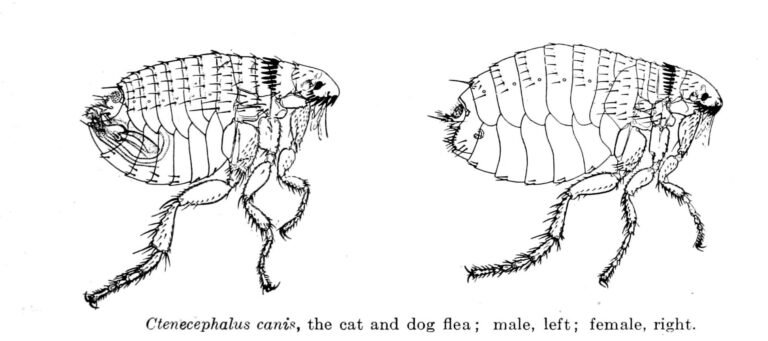
Compare Asian tiger mosquito and dog flea bites using pictures, exposure patterns, pet clues, safe first aid, flea control, warning signs, and when to seek medical care.