If you have spent any time on parenting corners of social media lately, you have seen them: cheerful little stickers — smiling animals, bright colors — that parents press onto a child’s shirt before a trip to the playground. The reviews sound glowing, and the promise is seductive: mosquito protection without sprays, without chemicals touching your child’s skin.
Here is the direct answer: mosquito repellent stickers for kids do not provide reliable protection against bites. That is the verdict of entomologists who have reviewed the available science, and the studies that do exist found these products offer little to no meaningful bite reduction. If you want your child genuinely protected, skin-applied repellents registered with the EPA — like DEET or picaridin — remain the products health authorities recommend.
This article walks through how these stickers are supposed to work, what the research actually found, why children are a special concern, and the practical steps that do keep kids bite-free.
How Mosquito Repellent Stickers Claim to Work
The basic concept is straightforward. The stickers are small adhesive patches, usually about the size of a coin, infused with plant-based oils — most commonly citronella, though some use geraniol, lemongrass, or oil of lemon eucalyptus. Parents stick one or two onto a child’s clothing, backpack, or stroller. The oils slowly evaporate off the patch, and the scent is supposed to repel mosquitoes in the immediate area.
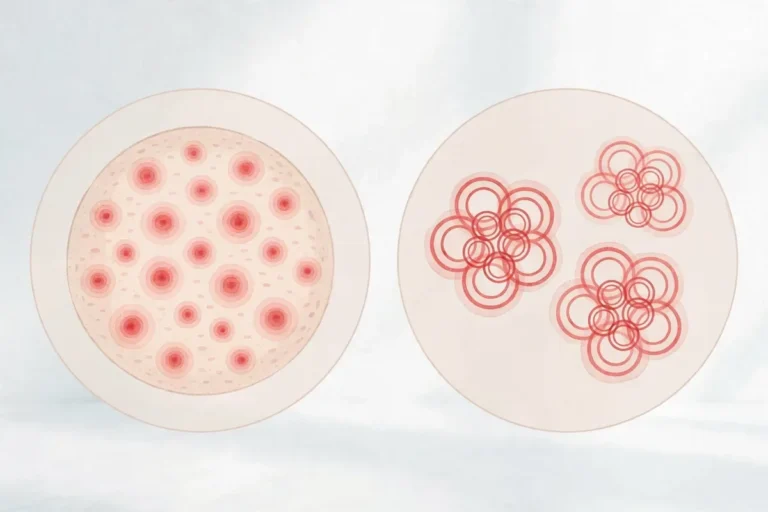
Passive release is the weak link. Unlike a spray or lotion that coats the skin with a known concentration of active ingredient, a sticker releases its oils passively into the air. The concentration of repellent around the patch drops off steeply with distance — a tall order for a coin-sized patch with no fan, no heat source, and no way to spread its scent evenly.
Marketing has outrun evidence. Entomologist Cameron Webb wrote in MedicalXpress in January 2024 that although patches and stickers have been available for years, “there has been a sudden surge in their marketing through social media.” That surge is what you are seeing: hundreds of parent reviews on shopping listings claiming effectiveness, with virtually no independent testing behind the claims. Reviews are not trials — a parent who sees fewer bites cannot know whether the sticker, the breeze, or the time of day deserves the credit.
What the Research Says About Sticker Effectiveness

Few studies exist, and the results are not encouraging. Webb noted in his 2024 piece that “there are very few scientific studies testing their efficacy,” and that current understanding of how repellents work “would suggest these small stickers and patches offer little protection from mosquito bites.” One study from 2013 tested a sticker infused with oil of lemon eucalyptus and found it “did not provide significant protection to volunteers.” That is the pattern: when stickers are tested under controlled conditions, they fail to meaningfully reduce bite or landing rates.
At best, marginal protection. Webb suggested that at best, stickers might reduce some bites in the way botanical mosquito coils do — but with a critical difference: “the passive release of chemicals from the patches and stickers is likely to be substantially lower than those from mosquito coils.” Coils burn for hours and fill a space with smoke and active insecticide. A sticker quietly wafts citronella from one spot on a shirt. The comparison alone tells you how far short the sticker falls.
The “natural” label does not mean tested. Many stickers are marketed as natural because their oils come from plants. But natural ingredients do not bypass the need for evidence. EPA-registered repellents — DEET, picaridin, IR3535, and oil of lemon eucalyptus — earned their status by submitting efficacy and safety data. Most stickers and patches have not gone through that process, which is why they cannot legally claim the same protection time or reliability. If a listing promises hours of protection, ask what trial measured it. In most cases, the honest answer is none.
Why the Verdict Is Tougher for Children
A false sense of security has real stakes. Webb put it bluntly: the idea that a sticker on clothing protects from bites “may sound appealing, but these devices provide a false sense of security.” There is no evidence they are an equally effective alternative to the topical repellents recommended by health authorities, and “it only takes one bite from a mosquito to transmit the pathogens that result in serious disease.” For children, who cannot assess their own protection, that false confidence is the core problem.
Placement rules are a practical headache. Regulators have noticed the problem. Webb pointed out that Australia’s pesticide authority requires health warnings on some of these products, including warnings against application to the skin (clothing only) and to “keep products ‘out of reach of children.'” That last warning is, as he noted, “a challenge if attached to young children’s clothing.” Small children touch, peel, mouth, and chew things. A sticker on a toddler’s shirt is a sticker within reach of a toddler’s mouth — and essential-oil products are not meant to be ingested.
Children protest sprays; stickers feel like the easy compromise. Webb’s article opened with the exact dilemma parents face: “protests from young children and fears about topical insect repellents drive some to try alternatives.” The sticker wins on convenience, not on protection. When a child is miserable about spray, the temptation is understandable — but swapping a proven repellent for an unproven sticker trades real protection for peace of mind, and the mosquitoes do not honor the trade.
What Actually Protects Children From Mosquitoes

Use an EPA-registered repellent on exposed skin. Health authorities worldwide, including the CDC, recommend repellents containing DEET, picaridin, IR3535, or oil of lemon eucalyptus for exposed skin. These products have submitted the data proving they work. A 2024 study reviewing reports of adverse outcomes from repellent use concluded DEET was the preferred repellent for children, as it was the safest option with long-lasting protection when used as directed.
Follow the child-safety rules on the label. General safety guidance for children: always have an adult apply the repellent — children should not apply it themselves, since that risks over-application or accidental ingestion. Adults should spray or pump the product into their own hands first, then rub it onto the child’s skin, avoiding the hands, eyes, and mouth, and taking care around cuts or irritated skin. Never spray directly onto a child’s face. In the United States there is no age limit for DEET use, while oil of lemon eucalyptus products are generally recommended only for children over three — but always check the specific product label, and ask your pediatrician or pharmacist if you are unsure which product suits your child’s age. Never use a higher concentration than needed, and wash treated skin with soap and water when the child comes back indoors.
Layer protection beyond chemicals. Clothing is a genuine barrier: long sleeves, long pants, and socks reduce the skin mosquitoes can reach, and light-colored clothing makes ticks easier to spot during tick season. For babies and toddlers in strollers, prams, or playpens, a fitted insect net is one of the most effective protections available — no chemicals at all. Keeping play areas free of standing water (plant saucers, buckets, toys that collect rain) cuts mosquito breeding near the home, a step covered in more detail in our home and yard bite-prevention guide. For families who love the outdoors, our repellent safety guide for children and pregnancy walks through age-appropriate protection choices for kids away from home.
If You Buy Stickers Anyway: Using Them Safely
Treat them as decoration, not protection. If your child loves the stickers and you buy them, be honest with yourself about their role: they are a pleasant-smelling accessory, not a repellent you can rely on. Do not let a sticker replace a proven repellent or a stroller net.
Follow the label’s placement rules. Many products warn against skin application — stick them on clothing, not skin. Place them where a child is least likely to peel and mouth them (the back of a shirt or a stroller canopy beats a sleeve cuff on a toddler). Check whether the specific product is intended for children at all; some labels restrict use to older kids or adults.
Watch for skin and mouth contact. Essential oils can irritate skin and eyes, and ingesting concentrated oils is not safe. If a child chews a sticker, remove any residue from the mouth, watch for irritation or stomach upset, and contact poison control or your pediatrician for guidance. Store unused stickers the way you would store any chemical product: up high, sealed, and out of reach. Myths about “natural” products that feel safer than they are are common — keep that skepticism handy at the store shelf.
When to See a Doctor for a Bug Bite

Most mosquito bites in children need nothing more than a cold compress and patience, but certain signs mean you should get medical help rather than wait:
- Call 911 immediately for signs of a severe allergic reaction (anaphylaxis): trouble breathing, swelling of the lips, tongue, or face, dizziness, fainting, or widespread hives. Learn the full list of anaphylaxis warning signs so you can act fast.
- Seek same-day care if a bite becomes increasingly red, warm, swollen, or painful after 24–48 hours, or if red streaks spread outward — these can signal a skin infection such as bug bite infection or cellulitis.
- Fever, headache, or body aches developing days after bites in an area where mosquitoes spread disease (such as West Nile virus) deserve a prompt call to the pediatrician.
- A bite that does not improve after a few days, keeps oozing, or repeatedly scabs over should be examined — children who scratch bites open are prone to secondary infection.
- For babies under a few months old, check with your pediatrician about repellent use and bite care, since product guidance varies by age — the label matters more than any general chart.
Frequently Asked Questions
Do mosquito repellent stickers work at all?
Based on the limited studies available, they offer little to no meaningful protection. A 2013 study of an oil-of-lemon-eucalyptus sticker found no significant protection, and entomologist Cameron Webb concluded in 2024 that these products are not a reliable way to prevent bites. The scent released is too weak and too localized to shield the body the way a skin-applied repellent does.
Are repellent stickers safe for toddlers?
Safety depends on the product and how it is used, but regulators have flagged real concerns: some labels warn against skin application and advise keeping products out of reach of children — hard to honor when the sticker is on a toddler’s clothing. Essential oils can irritate skin and eyes and should not be ingested. An adult should handle placement, and any chewing of a sticker warrants a call to poison control or the pediatrician.
What is better for kids: stickers, wristbands, or spray repellent?
Skin-applied, EPA-registered repellents (DEET, picaridin, IR3535, oil of lemon eucalyptus for older children) have actual efficacy data behind them and are what health authorities recommend. Webb’s review grouped stickers, patches, and wristbands together as unreliable. For the youngest babies, physical barriers — stroller nets, long clothing — are the safest option.
Can I use a sticker together with regular repellent for extra protection?
There is no evidence that adding a sticker improves on a properly applied EPA-registered repellent. If you use stickers, treat them as optional extras and still apply the proven repellent exactly as its label directs.
Do “natural” or essential-oil stickers last longer than citronella ones?
No verified data supports longer protection times for any sticker formulation. Protection-time claims on listings are generally not backed by trials. Be skeptical of any product promising a specific number of hours without citing independent testing.
Medically reviewed by Dr. Sarah Jones, MD.
This article is for informational purposes only and isn’t medical advice. If you’re worried about a bite or sting, talk to a healthcare professional.