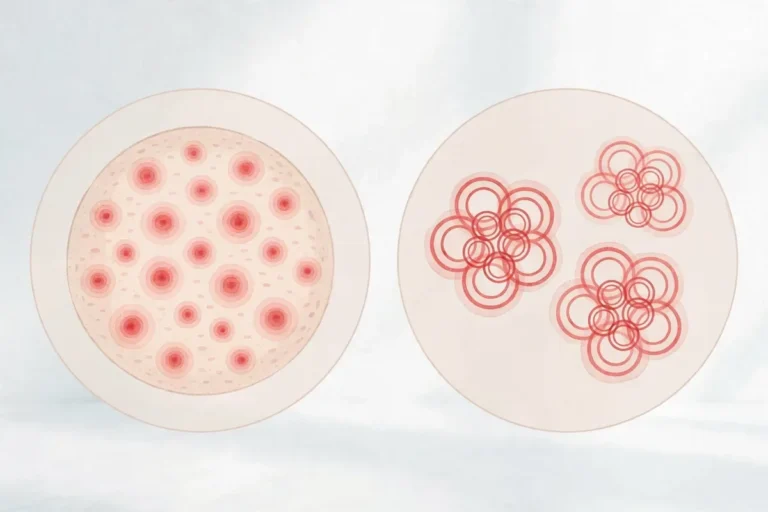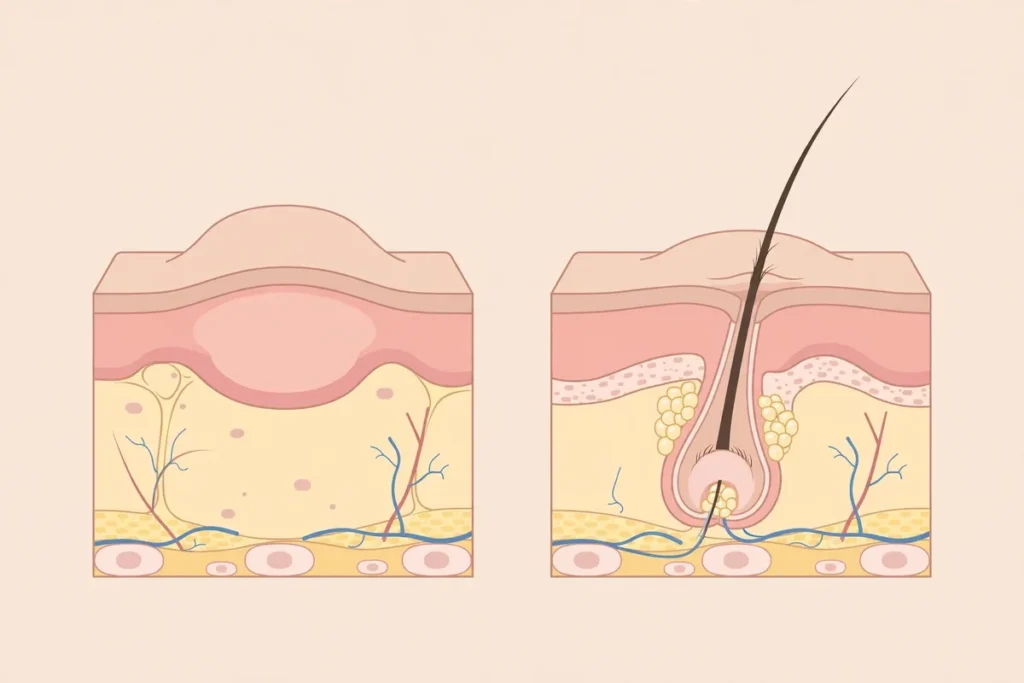
You notice red, itchy bumps across your thighs after a weekend at a lake cabin. Was it the mosquitoes — or is it folliculitis, the inflamed hair follicles that can flare after hot tubs, shaving, or sweaty clothes? The bug bites vs folliculitis question is one of the trickiest self-diagnosis puzzles in dermatology, and even dermatologists sometimes need a close look. Folliculitis is inflammation of individual hair follicles — often bacterial, sometimes fungal — that produces small bumps or pustules centered on hair follicles. Bug bites are feeding marks from insects, which may or may not involve infection.
The short version of the answer: folliculitis bumps are usually centered on hair follicles (often with a visible hair or white pus-filled center), appear in hair-bearing areas after friction, shaving, or hot-tub exposure, and lack the tight clusters or lines typical of bed bugs or the scattered pattern of mosquito bites. This guide breaks down the differences in plain language, covers safe first-aid and hygiene steps, and flags when a bump needs a dermatologist — because no article can diagnose your skin from a description.
What Folliculitis Actually Is
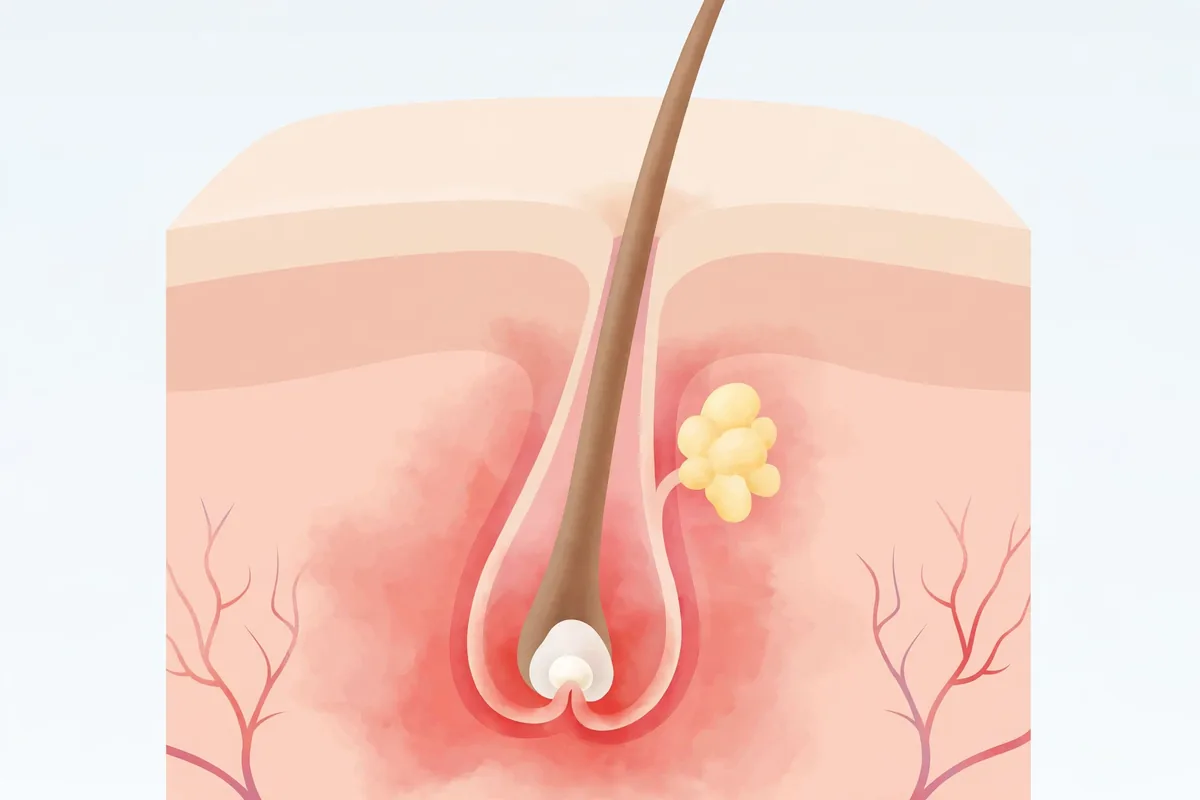
Folliculitis means inflammation of hair follicles — the tiny pockets in the skin from which hairs grow. The most common form is bacterial, usually caused by Staphylococcus aureus, a bacterium that lives harmlessly on many people’s skin but can invade follicles through nicks, friction, or clogged pores. The result is small red bumps or white-headed pustules, each centered on a hair follicle, often tender or itchy. Shaving, tight clothing, sweating, and rubbing (from backpacks or sports gear) are classic triggers.
A special subtype is hot-tub folliculitis, caused by Pseudomonas aeruginosa, which thrives in warm, under-chlorinated water. It typically appears within hours to a few days after hot-tub or pool exposure as itchy bumps in areas covered by the swimsuit, and it often resolves on its own within days to a week or two — though you should still watch for signs it is getting worse. Fungal folliculitis, caused by yeasts, tends to be more persistent and may need prescription antifungal treatment, which is one reason recurrent cases deserve a dermatologist’s eyes.
One complication worth knowing: the two conditions overlap. Dermatologists commonly see people dealing with bug bites and folliculitis at the same time, because scratching bites can introduce bacteria into follicles and turn a simple bite into an infected one. This article does not diagnose — it gives you the clues clinicians use — and a recurring or worsening case should be seen by a dermatologist.
Side-by-Side Differences You Can Actually Use
Here are the practical distinctions, with the caveat that real skin does not always read the textbook:
Center of the bump. Folliculitis bumps are centered on hair follicles — you can often see a hair emerging from the middle or a tiny white/yellow pus point at the center. Bug bites may have a central punctum (a tiny dark dot from the insect’s mouthparts), but the bump itself is a reaction halo, not a follicle-centered pustule.
Distribution. Folliculitis shows up where there are hair follicles: beard area, scalp, thighs, buttocks, chest, underarms — anywhere friction, shaving, or occlusion occurred. It avoids follicle-free zones like the palms and soles. Bed bug bites appear on exposed skin in lines or clusters; mosquito bites are scattered; chigger bites pile up at clothing lines. If bumps sit exactly where your razor, sports gear, or swimsuit went, folliculitis moves up the list.
Timing and context. Bites usually follow a known exposure — an evening outdoors, a hotel stay, grass-sitting. Folliculitis follows a different set of exposures: shaving or waxing, a hot tub or poorly maintained pool, heavy sweating in tight clothes, or prolonged friction. Ask yourself what happened in the 24–72 hours before the bumps appeared.
Feel and look. Folliculitis is often described as “pimples in the wrong place” — small pustules that look like acne but on the thighs, buttocks, or beard area. Bug bites are usually solid itchy welts without pus, unless they have been scratched open and secondarily infected.
Response to treatment. Ordinary mosquito bites calm down within a day or two on their own. Folliculitis can linger for a week or more and may recur in the same area. If “bites” keep coming back in exactly the same spot for weeks without new insect exposure, that pattern argues against insects. Our bite clue checklist can help you map what you are seeing before you talk to a clinician.
Hot-Tub Folliculitis and Other Special Cases
Hot-tub folliculitis deserves its own mention because it generates some of the most confused “is this bug bites?” searches every summer. Pseudomonas folliculitis appears as itchy, sometimes red-to-purple bumps in areas that were covered by the swimsuit, 8 to 48 hours after soaking. Because a whole group of people may have shared the hot tub, several people can break out at once — which looks eerily like a shared bed-bug exposure. The distinguishing clue is the swimsuit-line distribution and the hot-tub timing.
Barber’s itch (beard-area folliculitis) and scalp folliculitis are other classic cases that get misread as bites, especially since both can be very itchy. Scalp bumps that never appear elsewhere on the body, or beard-area bumps that follow shaving, are follicle problems until proven otherwise. Conversely, bites that appear on the face after sleeping in a new place, or on the ankles after walking through grass, follow insect logic.
A note on children: kids get both, frequently. What looks like “mosquito bites” on a child’s legs that never quite heal, develop yellow crusts, or keep recurring in the same spots may be impetigo or folliculitis from scratching — a pediatrician can sort it out. For bite-specific guidance for young kids, see our mosquito bite swelling in children guide.
Hygiene and First-Aid Steps That Help
Whether the bumps are bites, folliculitis, or both, the safe first-aid principles overlap — and none of them involve squeezing:
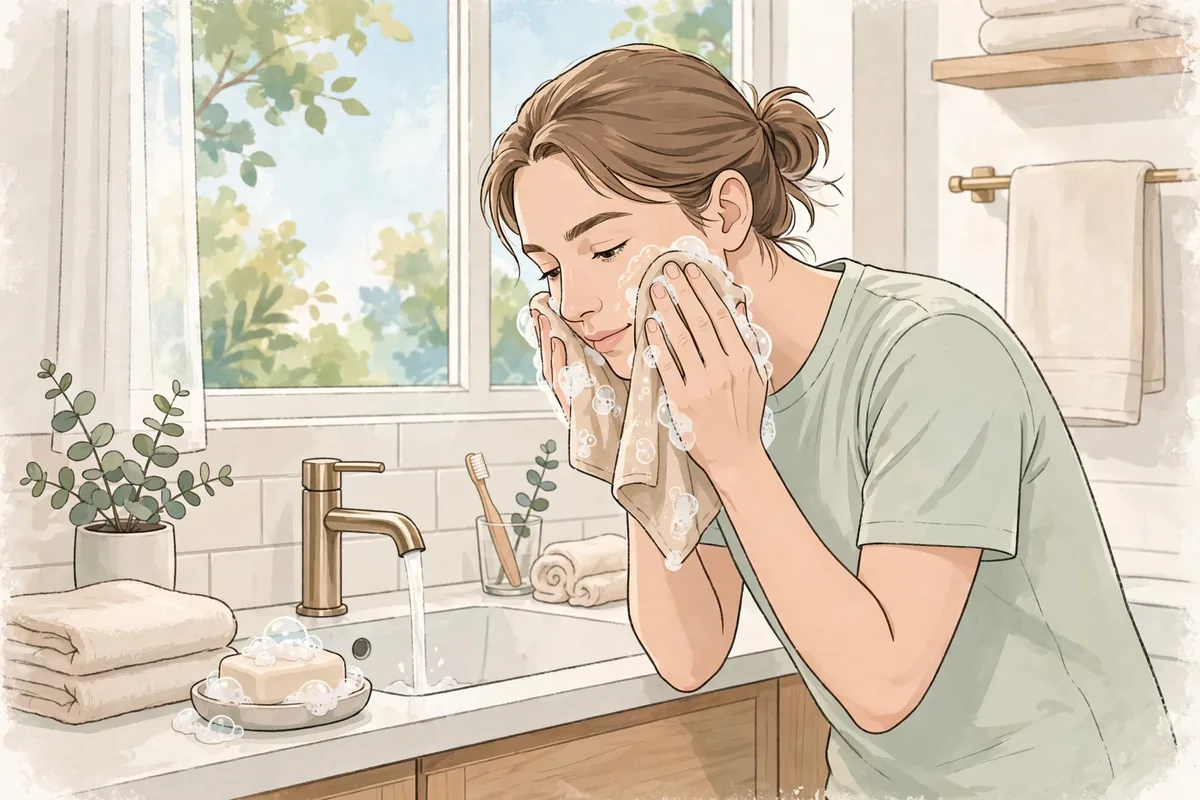
- Keep the area clean. Wash gently with mild soap and water once or twice daily. Do not scrub aggressively; raw skin invites infection.
- Use warm compresses. A clean warm washcloth held on tender bumps for 10–15 minutes, a few times daily, can ease discomfort and help follicles drain naturally if they are going to.
- Do not squeeze, pop, or shave over the bumps. Squeezing spreads bacteria deeper and turns a small problem into a bigger one. If you shave, skip the affected area until it heals.
- Wear loose, breathable clothing. Tight synthetic fabrics trap heat and moisture against follicles. Cotton or moisture-wicking fabrics and a fresh change of clothes after sweating help a lot.
- Stop re-exposing yourself. If a hot tub triggered it, stay out until the water is properly chlorinated. If shaving triggered it, pause shaving or switch to a gentler method.
- Wash bedding and towels. Bacteria can persist on fabrics; wash sheets, towels, and pillowcases in hot water during an outbreak.
- Do not share towels or razors while bumps are active.
These are comfort and hygiene measures, not a cure plan — and definitely not a diagnosis. Over-the-counter products marketed for folliculitis vary in evidence, and prescription antibiotics or antifungals require a clinician’s judgment. If you are tempted to start using leftover prescription creams, do not; they may be the wrong drug for the wrong organism.
What It Means When Bites Turn Into Folliculitis
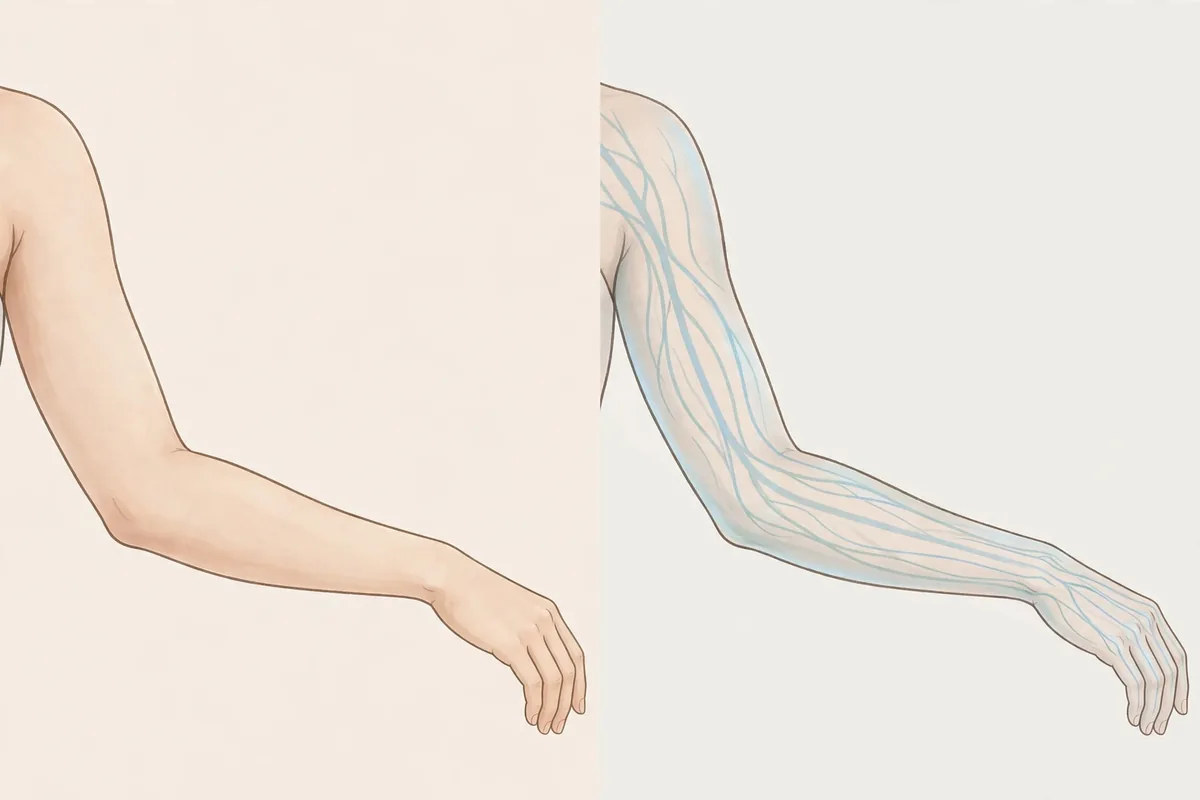
Here is where the two conditions genuinely collide. A mosquito or chigger bite that gets scratched open can become a bacterial infection of the surrounding follicles — the classic “bite that got infected.” Warning signs that a bite has crossed from normal reaction into infection include: increasing pain and tenderness after the first day or two (normal bites improve, not worsen), spreading redness or red streaks, swelling that grows rather than shrinks, warmth, pus, or fever. This is cellulitis territory, and it needs medical evaluation — our bug bite infection and cellulitis guide details the warning signs.
Scratching is the bridge between the two problems. Keeping bites covered with a light bandage, using cool compresses for itch, and trimming nails short all reduce the chance that an ordinary bite becomes a follicular infection. Parents of young children — who scratch reflexively — should know that “infected bite” is one of the most common reasons kids end up on antibiotics for skin issues, so prevention at the scratching stage genuinely matters.
If you are seeing a mix of solid itchy welts (bites) and pus-centered bumps around them (folliculitis), that combination is common enough that clinicians recognize it immediately — but sorting it out still requires an in-person look.
When to See a Doctor for a Bug Bite
Book a clinician visit — ideally a dermatologist — if:
- Bumps are painful, rapidly spreading, or developing pus in large numbers; this may need prescription treatment rather than home care.
- You see infection signs: expanding redness, red streaks, warmth, swelling that worsens after 48 hours, fever, or pus with increasing pain. These can signal cellulitis, which needs prompt evaluation.
- The condition keeps recurring in the same area despite hygiene steps — recurrent folliculitis can have underlying causes (including yeast, resistant bacteria, or conditions like diabetes) that need workup.
- There are boils or carbuncles — deep, painful lumps that may need incision and drainage by a professional. Do not attempt this at home.
- You have a weakened immune system, diabetes, or are on immunosuppressive medication — skin infections behave differently and escalate faster.
- Hot-tub folliculitis is severe or not improving within about a week, or it is accompanied by fever, ear pain, or urinary symptoms (rare but reported with Pseudomonas exposure).
- You have signs of a severe allergic reaction to a bite or sting (trouble breathing, facial swelling, dizziness) — call 911. Our anaphylaxis warning signs page covers this.
Never let an article — this one included — substitute for a clinician looking at your actual skin.
Frequently Asked Questions
How can I tell if a bump is folliculitis or a bug bite?
Look at the center and the context. Folliculitis bumps are centered on hair follicles, often with a visible hair or pus-filled white head, and appear after shaving, friction, hot tubs, or sweating. Bug bites are usually solid itchy welts without pus, tied to outdoor or sleeping exposures, and often follow patterns like lines (bed bugs) or clothing edges (chiggers). When in doubt, a dermatologist can tell at a glance.
Can bug bites cause folliculitis?
Yes — indirectly. Scratching a bite breaks the skin and can introduce bacteria (usually Staphylococcus aureus) into nearby hair follicles, turning a simple bite into a follicular infection. This is one of the most common ways the two conditions overlap, and it is a good reason not to scratch.
Does hot tub folliculitis look like bug bites?
It can, which is exactly why it confuses people. Pseudomonas folliculitis appears 8–48 hours after hot-tub use as itchy bumps concentrated under the swimsuit area, and whole groups can break out together. The swimsuit-line distribution and the hot-tub timing are the giveaways that point away from insects.
Will folliculitis go away on its own?
Mild cases often do, especially hot-tub folliculitis, which typically clears within days to a week. Bacterial folliculitis from shaving or friction can also settle with hygiene measures. But persistent, painful, spreading, or recurrent cases need a clinician — and recurrent folliculitis may need prescription treatment.
Can I pop folliculitis bumps like pimples?
You should not. Squeezing pushes bacteria deeper into the skin, worsens inflammation, and can turn a small bump into a boil or abscess. Use warm compresses and gentle hygiene instead, and leave any draining to a medical professional.
Sources
- CDC — Hot Tub Rash (Pseudomonas dermatitis / folliculitis): https://www.cdc.gov/healthy-swimming/prevention/preventing-hot-tub-rash.html
Medically reviewed by Dr. Sarah Jones, MD.
This article is for informational purposes only and isn’t medical advice. If you’re worried about a bite or sting, talk to a healthcare professional.