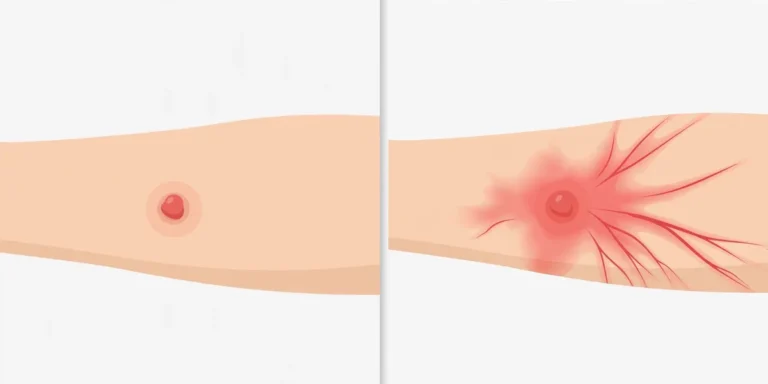
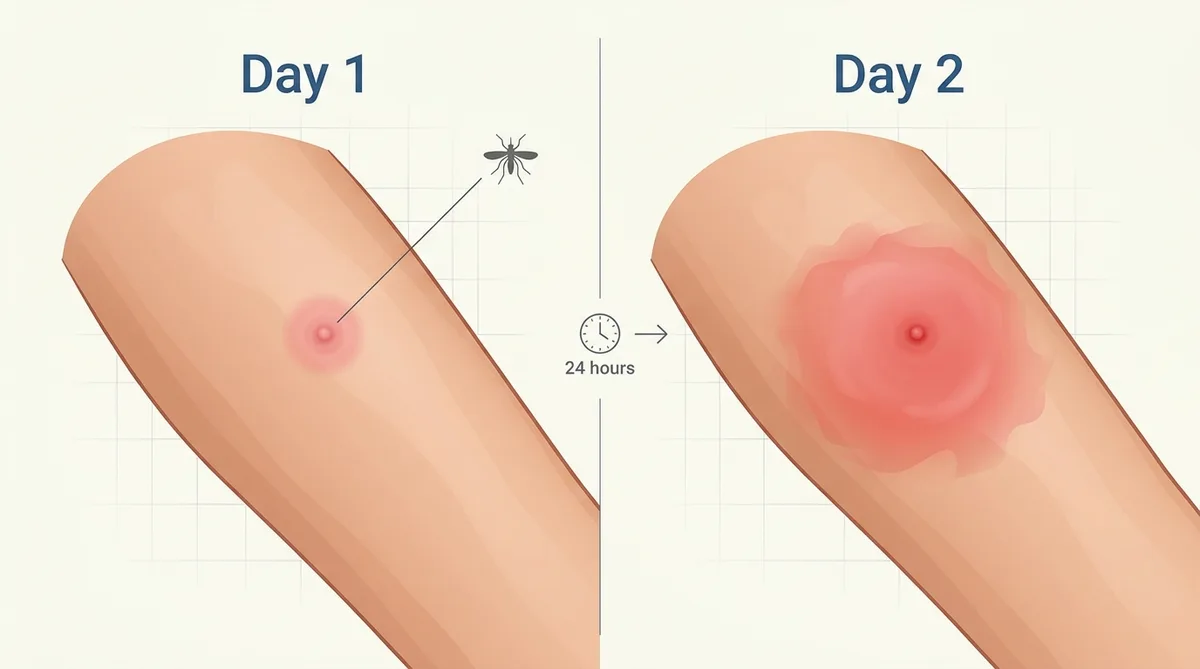
Direct answer: Swelling can increase during the first 24–48 hours because the immune response to insect saliva or venom may build after the initial exposure. A larger reaction the next day can still be local inflammation, but worsening pain, fever, drainage, breathing symptoms, or rapidly spreading redness needs more attention.
This guide focuses on the pattern of change rather than trying to identify an insect from one photograph. Many bites and stings share the same skin findings, so timing, exposure history, whole-body symptoms, and the direction of healing are more useful than appearance alone.
Why this happens
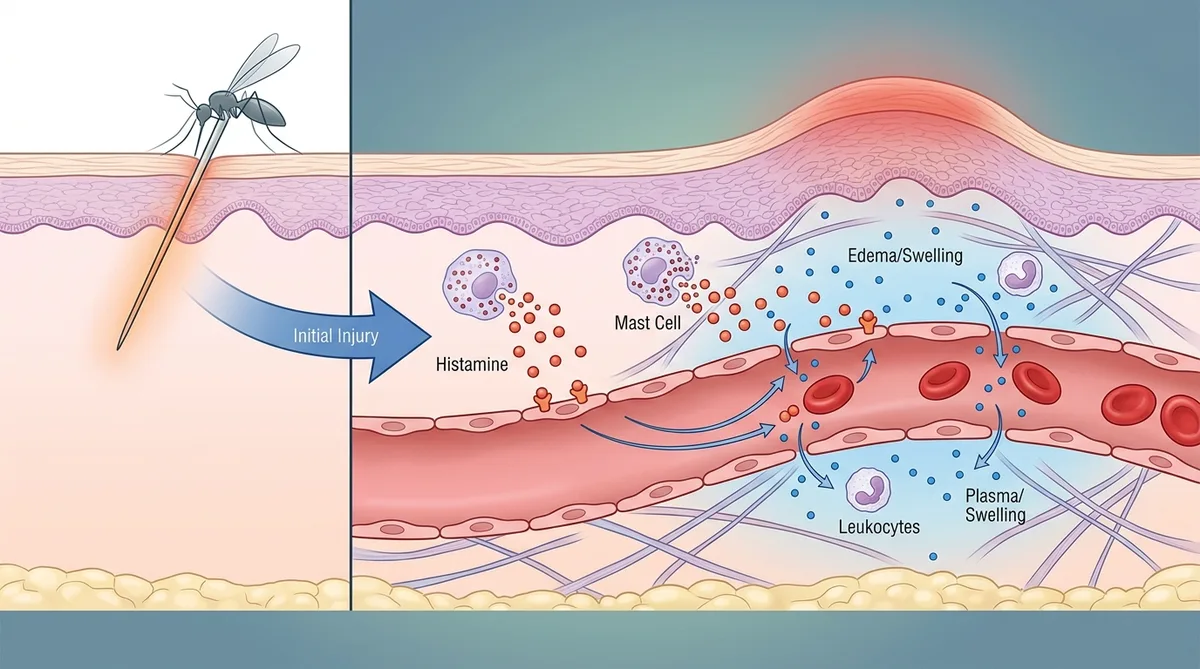
Histamine and other inflammatory signals recruit fluid and immune cells into the area. Scratching, heat, dependent position of a hand or foot, and repeated bites can make swelling look worse later than it did immediately after the bite.
What is usually reassuring
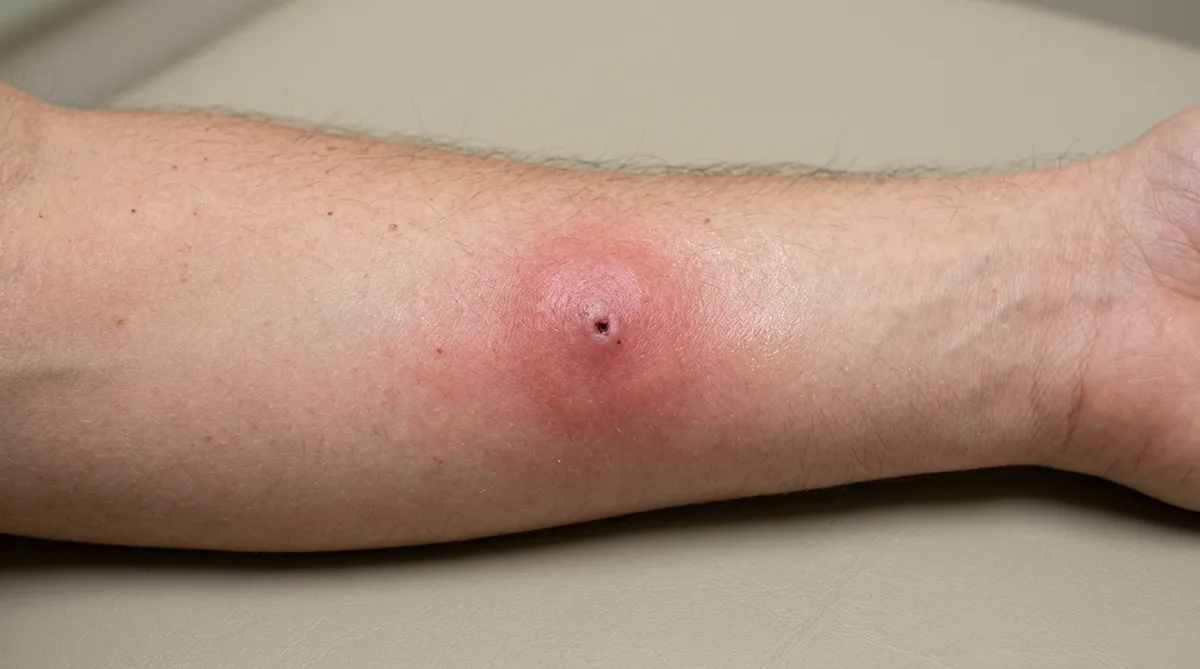
Mild to moderate swelling that peaks and then gradually improves, especially when the person otherwise feels well, can fit a local reaction. Mild redness, itching, or tenderness can be part of normal inflammation. The person should generally remain well and the affected area should become easier—not harder—to ignore as time passes.
What is more concerning
Swelling with trouble breathing, throat tightness, fainting, widespread hives, severe pain, fever, pus, red streaking, or rapidly worsening illness is not something to watch casually at home. The combination of local change and how the person feels overall matters more than a single measurement.
What to do now
Gently wash the area, use a wrapped cool compress, elevate a swollen limb if comfortable, remove rings or tight items early, avoid scratching, and document change with a dated photo.
What not to do
Do not squeeze the area, use harsh chemicals, or assume antibiotics are needed simply because the skin is red.
- Do not cut, burn, squeeze, or suction the area.
- Do not apply pesticides, veterinary products, bleach, or caustic chemicals to human skin.
- Do not repeatedly scrub irritated skin with peroxide or alcohol.
- Do not delay urgent care while searching online for an exact bite match.
How to monitor the area
Compare the same area at similar times and lighting. Track pain, warmth, redness, function, fever, drainage, and whether swelling is starting to trend down after its peak.
A useful symptom log includes the date and approximate time of exposure, body location, pain level, itch level, swelling, warmth, drainage, fever, headache, dizziness, and what treatment was used. Use similar lighting if taking comparison photos.
When to call 911
Call emergency services for trouble breathing, wheezing, throat tightness, fainting, severe weakness, confusion, rapidly developing swelling of the tongue or face, or widespread hives accompanied by vomiting, dizziness, or breathing symptoms. If the person has a prescribed epinephrine plan, use it as directed and still seek emergency care.
When to seek prompt medical care
Contact a clinician for severe or progressively increasing pain, high fever, repeated vomiting, neurologic symptoms, significant eye or mouth involvement, pus, red streaking, rapidly expanding redness with worsening illness, or symptoms that are not following a steady path toward improvement.
Inflammation versus infection
Inflammation can cause redness, warmth, swelling, and tenderness without bacterial infection. Infection becomes more concerning when pain keeps increasing, drainage or pus appears, fever develops, red streaking occurs, or the person feels progressively unwell. Scratching can damage the skin barrier and create a secondary infection even when the original bite was uncomplicated.
Allergy versus a local reaction
A large local reaction can look dramatic and still remain different from anaphylaxis. Emergency allergy signs involve breathing, circulation, consciousness, or multiple body systems. A person with a history of severe insect allergy should follow the emergency plan given by their clinician.
Medication and comfort-care cautions
Over-the-counter pain or itch medicines are not suitable for everyone. Age, pregnancy, kidney or liver disease, glaucoma, prostate problems, sedation risk, allergies, and interactions with other medicines can change what is safe. Follow product labels and ask a pharmacist or clinician when uncertain.
Children
Children may scratch more intensely and can break the skin quickly. Medication choices should be age- and weight-appropriate. Seek care sooner when swelling interferes with vision or movement, when the child cannot sleep or drink normally, or when fever or systemic symptoms develop.
Pregnancy and breastfeeding
Simple measures such as gentle washing and cooling are reasonable first steps for many mild reactions. Medication questions during pregnancy or breastfeeding should be checked with a clinician or pharmacist who knows the person’s health history.
Older adults and chronic conditions
Older adults and people with diabetes, poor circulation, immune compromise, chronic edema, or multiple medications may need a lower threshold for medical review if healing is slow or the area becomes increasingly painful, warm, or swollen.
Body location changes the threshold for concern
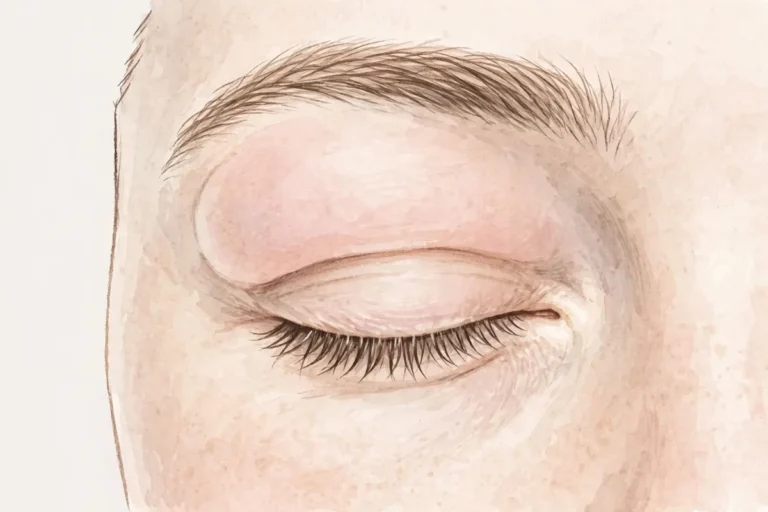
Swelling around an eye, inside the mouth, on the tongue, or near the throat deserves a lower threshold for medical assessment because anatomy matters as much as size.
Ongoing exposure can make one problem look like another
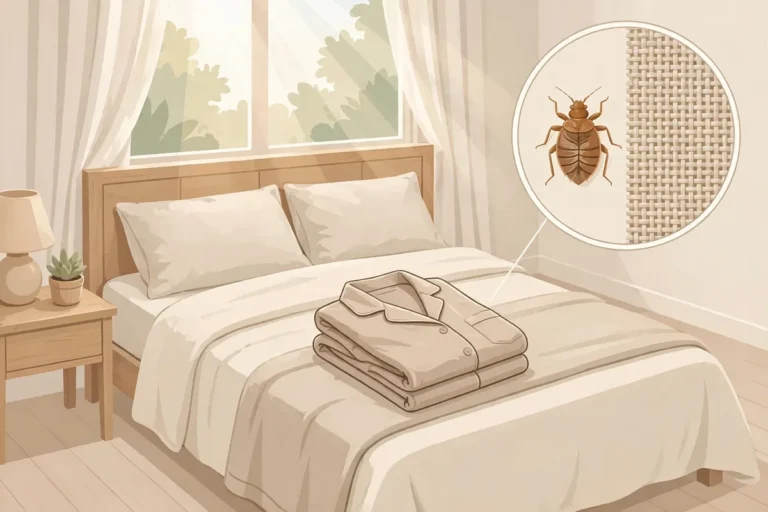
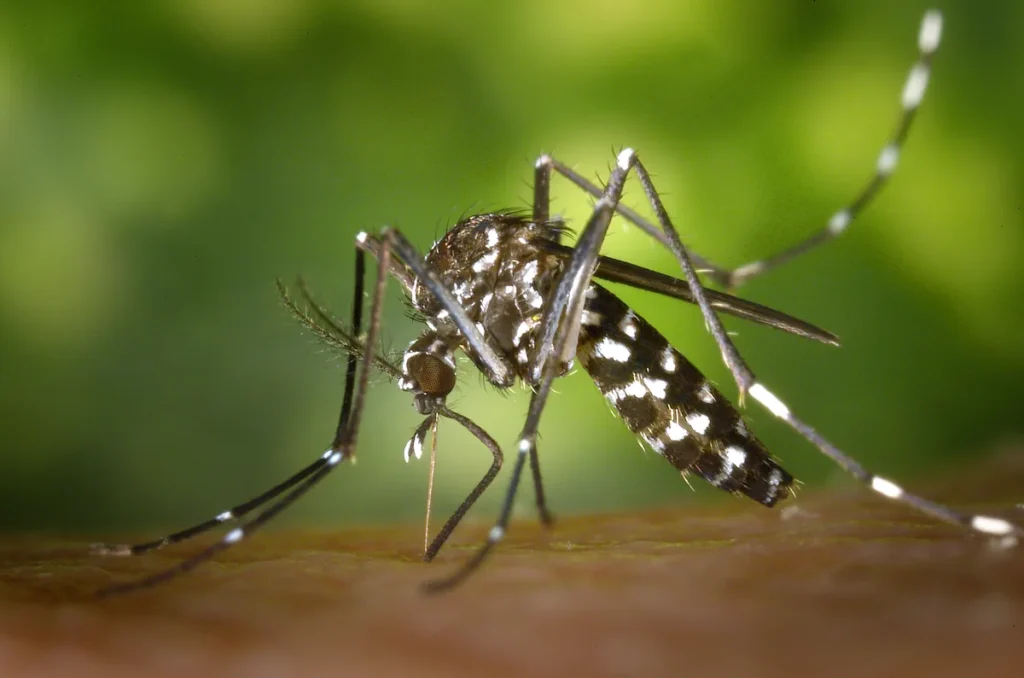
If genuinely new lesions continue to appear, the source may still be present. Fleas, bed bugs, biting midges, mosquitoes, mites, or other exposures can cause repeated new marks. Treating each lesion without addressing the source can make symptoms seem as though one bite is “spreading.”
Prevention
Reduce repeat bites with appropriate repellents, protective clothing, screens, bed-bug or flea source control when relevant, and avoiding known nests or infested areas.
When a photograph helps
A clear photo can document change over time, but it rarely identifies the exact arthropod by itself. Include a ruler or familiar size reference, use natural or consistent lighting, avoid heavy filters, and photograph the actual insect or tick separately if it was safely captured.
Common reasons symptoms seem worse than they are
- Warm showers or bedding can temporarily increase redness and itch.
- Scratching causes additional swelling and surface damage.
- Hands, feet, and eyelids can show dramatic fluid accumulation.
- Close-up phone photos can exaggerate texture and color.
- Checking the area repeatedly can make small normal changes feel alarming.
Common reasons symptoms deserve more attention
- New fever or systemic illness.
- Increasing rather than decreasing pain.
- Pus, red streaking, or progressive warmth.
- Breathing or circulation symptoms.
- Eye, mouth, tongue, or throat involvement.
- Loss of normal function in the affected body part.
Frequently asked questions
Can a bug bite look worse before it gets better?
Yes. Some local inflammatory reactions peak after the first several hours. The important question is whether the reaction eventually stabilizes and trends toward improvement.
Does more redness automatically mean infection?
No. Redness is common inflammation. Increasing pain, pus, fever, red streaking, and worsening illness are more concerning for infection.
Should I mark the edge of redness?
In some situations a clinician may suggest tracking the edge, but photos and symptom notes are often enough for home monitoring. Do not let measuring delay care when the person is clearly getting sicker.
Can I tell what bit me from the shape?
Usually not reliably. Exposure history, direct observation, and environmental evidence are more useful than shape alone.
How long should I keep watching it?
Continue monitoring until symptoms clearly trend down. Seek advice sooner if the course is worsening or if systemic symptoms appear.
Related StingHelp guides
Authoritative references
- American Academy of Dermatology: bug bites and stings
- NHS: insect bites and stings
- CDC
- US EPA: insect repellents
Bottom line
For why bug bites swell more the next day, focus on the direction of change, the person’s overall condition, and clear warning signs rather than trying to diagnose the insect from appearance alone. Mild local reactions should gradually improve; severe allergy, systemic illness, or progressive infection signs need prompt care.
Educational information only; not a diagnosis or substitute for individualized medical care.
Additional practical checkpoint
Compare the same area at similar times and lighting. Track pain, warmth, redness, function, fever, drainage, and whether swelling is starting to trend down after its peak. If the pattern is not clearly improving, or the person feels worse overall, professional reassessment is more useful than adding more home remedies.
Additional practical checkpoint
Compare the same area at similar times and lighting. Track pain, warmth, redness, function, fever, drainage, and whether swelling is starting to trend down after its peak. If the pattern is not clearly improving, or the person feels worse overall, professional reassessment is more useful than adding more home remedies.
Additional practical checkpoint
Compare the same area at similar times and lighting. Track pain, warmth, redness, function, fever, drainage, and whether swelling is starting to trend down after its peak. If the pattern is not clearly improving, or the person feels worse overall, professional reassessment is more useful than adding more home remedies.
Additional practical checkpoint
Compare the same area at similar times and lighting. Track pain, warmth, redness, function, fever, drainage, and whether swelling is starting to trend down after its peak. If the pattern is not clearly improving, or the person feels worse overall, professional reassessment is more useful than adding more home remedies.
Additional practical checkpoint
Compare the same area at similar times and lighting. Track pain, warmth, redness, function, fever, drainage, and whether swelling is starting to trend down after its peak. If the pattern is not clearly improving, or the person feels worse overall, professional reassessment is more useful than adding more home remedies.
Additional practical checkpoint
Compare the same area at similar times and lighting. Track pain, warmth, redness, function, fever, drainage, and whether swelling is starting to trend down after its peak. If the pattern is not clearly improving, or the person feels worse overall, professional reassessment is more useful than adding more home remedies.
Additional practical checkpoint
Compare the same area at similar times and lighting. Track pain, warmth, redness, function, fever, drainage, and whether swelling is starting to trend down after its peak. If the pattern is not clearly improving, or the person feels worse overall, professional reassessment is more useful than adding more home remedies.
Additional practical checkpoint
Compare the same area at similar times and lighting. Track pain, warmth, redness, function, fever, drainage, and whether swelling is starting to trend down after its peak. If the pattern is not clearly improving, or the person feels worse overall, professional reassessment is more useful than adding more home remedies.
Additional practical checkpoint
Compare the same area at similar times and lighting. Track pain, warmth, redness, function, fever, drainage, and whether swelling is starting to trend down after its peak. If the pattern is not clearly improving, or the person feels worse overall, professional reassessment is more useful than adding more home remedies.
Additional practical checkpoint
Compare the same area at similar times and lighting. Track pain, warmth, redness, function, fever, drainage, and whether swelling is starting to trend down after its peak. If the pattern is not clearly improving, or the person feels worse overall, professional reassessment is more useful than adding more home remedies.
Additional practical checkpoint
Compare the same area at similar times and lighting. Track pain, warmth, redness, function, fever, drainage, and whether swelling is starting to trend down after its peak. If the pattern is not clearly improving, or the person feels worse overall, professional reassessment is more useful than adding more home remedies.
Additional practical checkpoint
Compare the same area at similar times and lighting. Track pain, warmth, redness, function, fever, drainage, and whether swelling is starting to trend down after its peak. If the pattern is not clearly improving, or the person feels worse overall, professional reassessment is more useful than adding more home remedies.
Additional practical checkpoint
Compare the same area at similar times and lighting. Track pain, warmth, redness, function, fever, drainage, and whether swelling is starting to trend down after its peak. If the pattern is not clearly improving, or the person feels worse overall, professional reassessment is more useful than adding more home remedies.
Additional practical checkpoint
Compare the same area at similar times and lighting. Track pain, warmth, redness, function, fever, drainage, and whether swelling is starting to trend down after its peak. If the pattern is not clearly improving, or the person feels worse overall, professional reassessment is more useful than adding more home remedies.
Additional practical checkpoint
Compare the same area at similar times and lighting. Track pain, warmth, redness, function, fever, drainage, and whether swelling is starting to trend down after its peak. If the pattern is not clearly improving, or the person feels worse overall, professional reassessment is more useful than adding more home remedies.
Additional practical checkpoint
Compare the same area at similar times and lighting. Track pain, warmth, redness, function, fever, drainage, and whether swelling is starting to trend down after its peak. If the pattern is not clearly improving, or the person feels worse overall, professional reassessment is more useful than adding more home remedies.
Additional practical checkpoint
Compare the same area at similar times and lighting. Track pain, warmth, redness, function, fever, drainage, and whether swelling is starting to trend down after its peak. If the pattern is not clearly improving, or the person feels worse overall, professional reassessment is more useful than adding more home remedies.