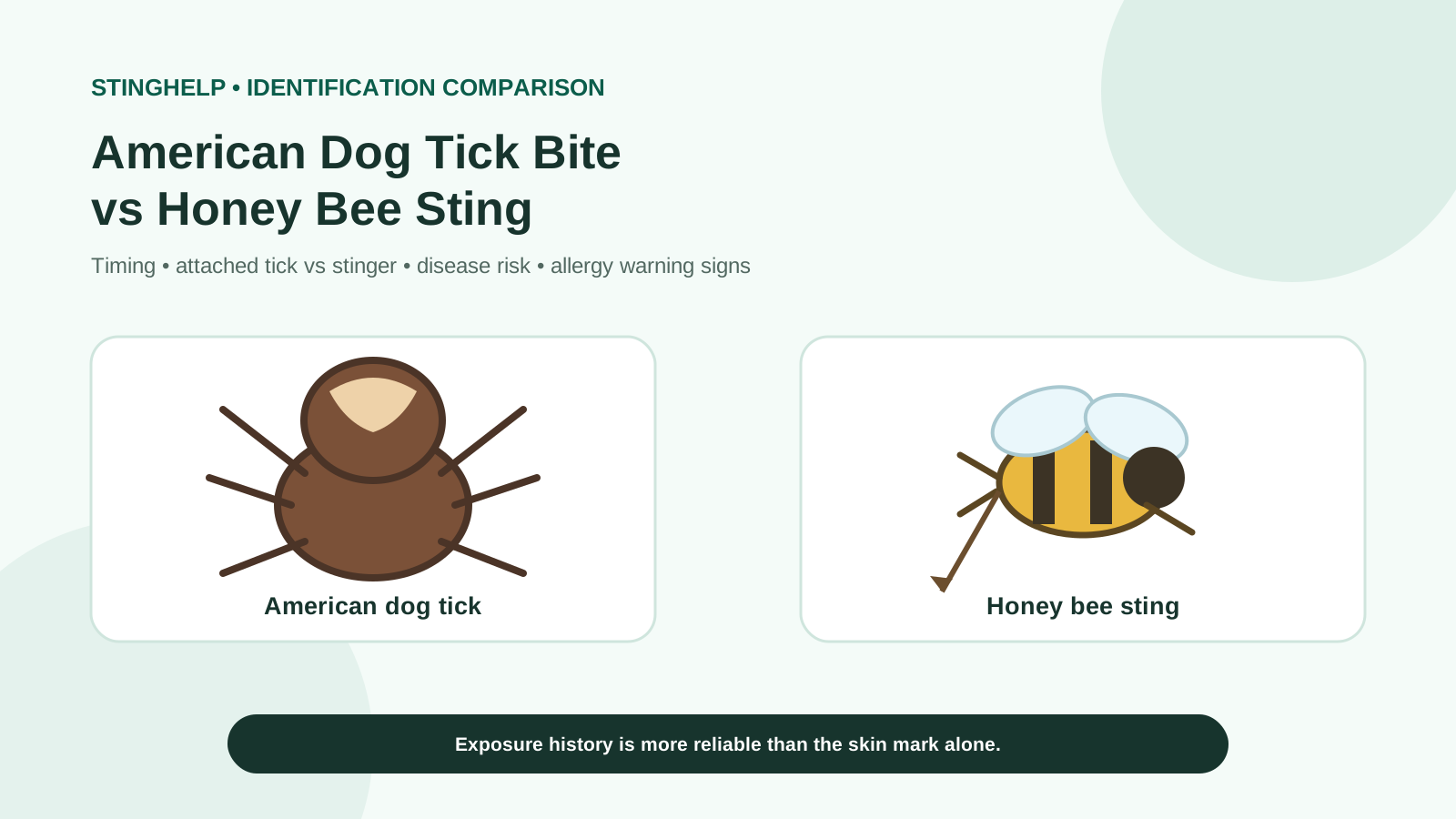
Direct answer: An American dog tick bite and a honey bee sting usually feel and behave differently, but the skin mark alone is not always enough to identify the cause. A honey bee sting often causes immediate sharp or burning pain and may leave a barbed stinger in the skin. An American dog tick may remain attached for hours or days and can be painless at first. The most useful clues are whether an attached tick or bee was actually seen, how quickly symptoms began, whether a stinger remains, and whether systemic symptoms develop.
People searching for american dog tick bite vs honey bee sting pictures are often trying to answer one practical question: “What happened to my skin, and what should I do next?” The safest answer is to use the exposure history first. If you removed an attached tick, the event is a tick bite. If a honey bee stung you and left a barbed stinger, the event is a bee sting. When the insect was not seen, the skin reaction is less reliable than timing, pain, body location, activity, and symptom progression.
This U.S.-focused guide compares an American dog tick (Dermacentor variabilis) bite with a honey bee (Apis mellifera) sting using identification clues, typical reactions, disease and allergy risks, first aid, emergency warning signs, and prevention. It is educational and cannot diagnose a bite, sting, infection, tick-borne illness, or venom allergy from a photograph.
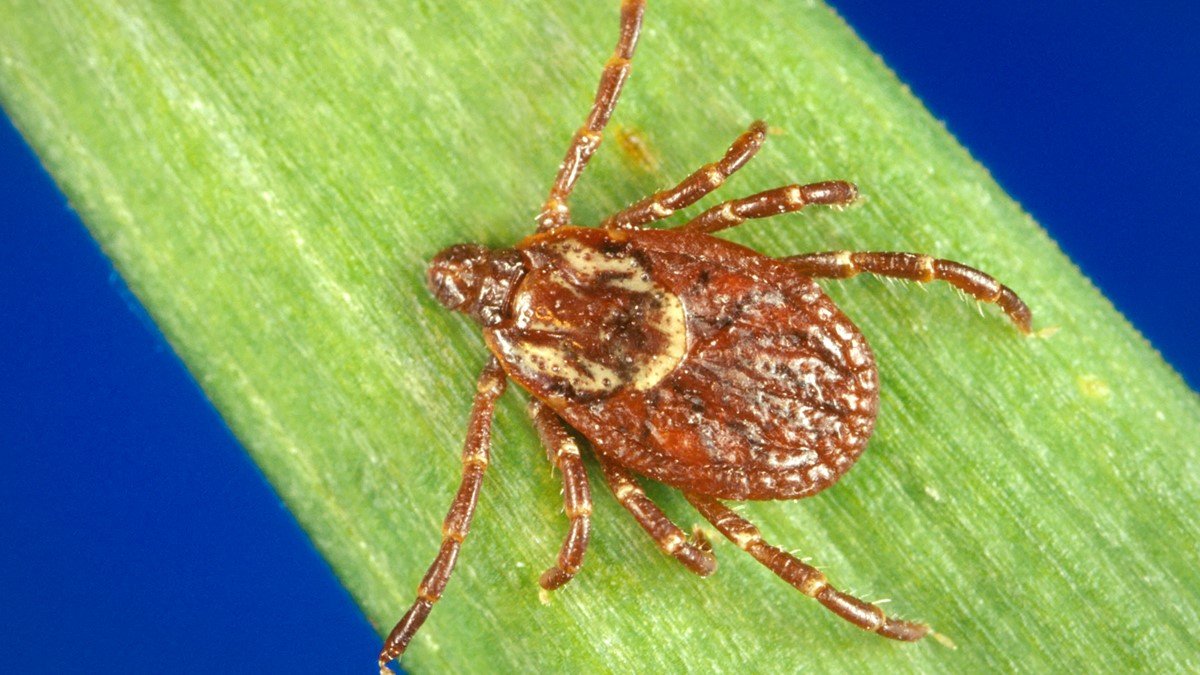

American dog tick bite vs honey bee sting: quick comparison
| Clue | American dog tick bite | Honey bee sting |
|---|---|---|
| What happens during exposure? | The tick attaches to the skin and feeds over time. | The bee injects venom during a sting; a worker honey bee may leave its barbed stinger behind. |
| Pain at the moment | May be mild or unnoticed. | Usually immediate sharp, burning, or intense pain. |
| Object left in skin | The whole tick may remain attached until removed or detached. | A barbed stinger and venom sac may remain after a worker honey bee sting. |
| Typical local reaction | Small red bump, mild irritation, or little visible reaction. | Pain, redness, warmth, itching, and swelling around the sting site. |
| Main medical concern | Tick-borne infection risk, especially RMSF and tularemia. | Venom reaction, including possible anaphylaxis; multiple stings can also cause substantial venom exposure. |
| Key first step | Remove an attached tick promptly with fine-tipped tweezers. | Move away from the area and remove a visible honey bee stinger promptly. |
| Emergency concern | Severe illness, neurologic symptoms, collapse, or another life-threatening change. | Breathing difficulty, throat/tongue swelling, fainting, shock, or rapidly progressive anaphylaxis. |
What does an American dog tick bite look and feel like?
An American dog tick bite may be easy to miss while the tick is attached. Tick saliva contains substances that help the tick feed, and many people do not feel a dramatic “bite” when attachment begins. The tick can remain fixed to the skin, gradually becoming larger as it feeds.
After removal, some people have a small red bump or mild localized irritation. Others have almost no visible mark. Scratching, mouthpart irritation, adhesive bandages, disinfectants, or other skin products can make the site look more inflamed. A photo of a red bump cannot tell you whether a disease-causing pathogen was transmitted.
CDC surveillance updated July 2, 2026 describes the American dog tick as widely distributed east of the Rocky Mountains, with limited established areas west of the Rockies. Adult females are the stage most likely to bite people, and human-biting risk is highest in spring and summer in many areas.
The American dog tick can transmit Rickettsia rickettsii, which causes Rocky Mountain spotted fever (RMSF), and Francisella tularensis, which causes tularemia. A tick bite does not automatically mean infection occurred. The useful question is whether compatible symptoms develop after a plausible exposure.
Symptoms after a tick bite that deserve attention
Seek medical advice when fever, severe or persistent headache, new rash, unusual fatigue, muscle aches, neurologic symptoms, significant vomiting, or worsening systemic illness develops after a recent tick exposure. Tell the clinician when and where the bite occurred and, if possible, show a photograph of the removed tick.
RMSF can become serious quickly, and the rash may not be present early. Do not use “no rash” as a reason to ignore significant fever and illness after relevant tick exposure. Tularemia can produce fever, swollen lymph nodes, and in some tick-associated cases an ulcer near the exposure site. Those findings need clinical interpretation rather than internet-image matching.
What does a honey bee sting look and feel like?
A honey bee sting usually produces an immediate painful event. People often describe a sharp prick, burning sensation, or intense localized pain followed by redness and swelling. A worker honey bee can leave a barbed stinger in the skin with the venom sac attached.
Most people develop a local reaction. The area may be painful, itchy, red, warm, and swollen. Some people develop a larger local reaction that expands beyond the immediate sting site and can last for more than a day. A large local reaction can be uncomfortable without necessarily being a life-threatening allergy.
AAAAI explains that people with stinging-insect venom allergy are at risk for anaphylaxis. Severe symptoms can include widespread hives or itching, swelling of the throat or tongue, difficulty breathing, dizziness, stomach cramps, nausea, diarrhea, a rapid fall in blood pressure, or loss of consciousness. Epinephrine is the first-line rescue treatment for anaphylaxis when prescribed, and emergency medical care is still necessary afterward.
Why a honey bee stinger matters
When a visible honey bee stinger remains, remove it promptly. The practical priority is speed rather than debating one perfect removal technique. Avoid unnecessary delay while looking for tools. After removal, wash the area and use a wrapped cold compress for local pain and swelling.
MedlinePlus and allergy guidance emphasize watching for severe allergic symptoms rather than focusing only on the skin around the sting. A person can develop dangerous breathing or circulation symptoms even when the sting site itself does not look dramatic.
Pictures: why the skin reaction can mislead you
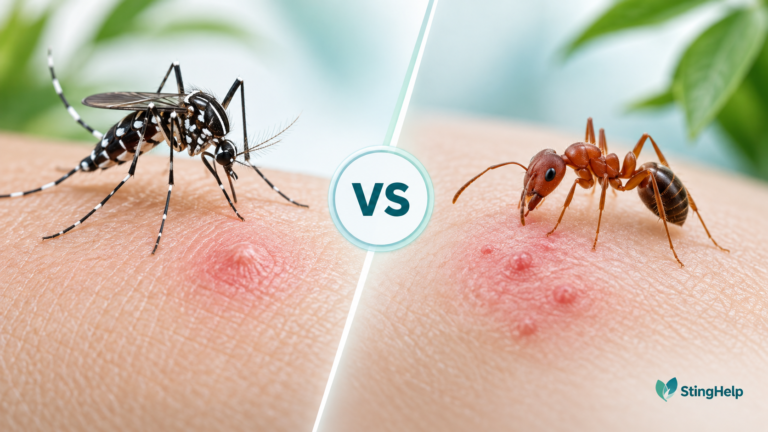
Side-by-side internet images can make tick bites and bee stings look more distinct than they are in real life. Both can cause redness, swelling, itching, tenderness, and a small central mark. Scratching can change the appearance of either reaction. Infection can also change the site days later.
The best “picture clue” is not usually the skin. For a tick exposure, a photo of the actual attached or removed tick is more useful. For a bee sting, seeing the bee or finding a retained barbed stinger strongly supports the diagnosis. When neither was seen, the timing of pain is especially useful: honey bee stings are commonly immediately painful, while tick attachment is often less noticeable.
Do not diagnose Lyme disease, RMSF, tularemia, venom allergy, cellulitis, or anaphylaxis from a skin photograph. These conditions depend on exposure history, symptoms, physical examination, and sometimes testing.
The biggest medical difference: infection risk vs venom allergy risk
The core difference between an American dog tick bite and a honey bee sting is the type of hazard involved.
American dog tick: vector-borne infection risk
The tick is medically important because it can transmit infectious organisms while attached and feeding. The presence of a tick does not mean transmission happened, and not every tick carries a pathogen. Risk depends on the pathogen, geography, tick biology, duration and nature of exposure, and other factors.
Monitoring therefore focuses on what happens over the following days and weeks: fever, rash, headache, systemic illness, or other compatible symptoms. Proper removal and documentation are useful, but there is no skin-photo pattern that can confirm or exclude RMSF or tularemia.
Honey bee: venom and allergy risk
A honey bee sting introduces venom immediately. Most reactions stay local, but an allergic person can develop anaphylaxis rapidly. AAAAI notes that severe reactions may involve multiple body systems, including the skin, respiratory system, gastrointestinal tract, and cardiovascular system.
Multiple stings can also matter because total venom exposure increases. A person who receives many stings, especially a child, older adult, or medically vulnerable person, may need prompt medical advice even without classic allergy symptoms.
First aid for an American dog tick bite
- Remove the attached tick promptly. Use clean fine-tipped tweezers.
- Grasp close to the skin. Hold the tick as near the mouthparts as practical.
- Pull upward with steady, even pressure. Avoid twisting, crushing, or jerking.
- Clean the site and your hands. Use soap and water or another appropriate skin-cleaning method.
- Document the exposure. Record the date, location, and outdoor activity.
- Save a photo if useful. Photograph the tick after removal if local identification resources are available.
- Monitor symptoms. Watch for fever, rash, severe headache, neurologic symptoms, or worsening illness.
Avoid petroleum jelly, nail polish, gasoline, essential oils, heat, flame, or other techniques designed to make the tick “back out.” These approaches can delay proper mechanical removal and may injure the skin.
First aid for a honey bee sting
- Move away from the area. Additional bees may be nearby, especially around a disturbed hive.
- Look for a retained stinger. If present, remove it promptly.
- Wash the skin. Gently clean the sting site with soap and water.
- Use a wrapped cold compress. This can help local pain and swelling.
- Remove tight jewelry. Rings or bracelets can become difficult to remove if swelling increases.
- Watch the whole person. Breathing, throat symptoms, fainting, widespread hives, vomiting, or rapid progression matter more than local redness.
If a person has a prescribed epinephrine device and develops symptoms consistent with anaphylaxis, follow the emergency action plan and use epinephrine as directed. Call 911 or local emergency services. Do not wait to see whether a severe reaction improves on its own.
When should you call 911?

Call emergency services for trouble breathing, wheezing, swelling of the tongue or throat, severe dizziness, fainting, collapse, severe confusion, seizure, or another rapidly progressing life-threatening reaction.
After a honey bee sting, those symptoms can represent anaphylaxis. After a tick exposure, they are not a typical simple bite-site reaction and deserve emergency assessment regardless of whether the tick caused them.
For either exposure, a person who is rapidly deteriorating should not spend time trying to identify the insect from photographs.
How to tell a large local bee reaction from infection
A large local reaction to a bee sting can produce significant swelling, warmth, redness, and discomfort. This can look alarming and may expand beyond the immediate sting site. Infection becomes more concerning when pain and warmth progressively worsen rather than stabilize, or when pus, drainage, red streaking, fever, or systemic illness develops.
Do not pop blisters or repeatedly scratch the area. Scratching can damage the skin barrier and increase the chance of secondary infection. Marking the edge of redness with a pen and taking dated photographs can help document whether a reaction is expanding or improving, but photos still do not replace medical evaluation when concerning symptoms appear.
Could a tick bite cause an immediate allergic reaction?
Tick bites can cause local irritation and, rarely, allergic reactions. However, the immediate dramatic pain typical of a honey bee sting is not the usual American dog tick presentation. Tick-associated allergy questions also differ from the venom-allergy mechanism of a honey bee sting.
When a person experiences sudden breathing difficulty, throat swelling, widespread hives, or fainting after any arthropod exposure, treat the symptoms as an emergency rather than trying to decide whether the culprit was a tick or bee first.
Decision guide: tick bite or honey bee sting?
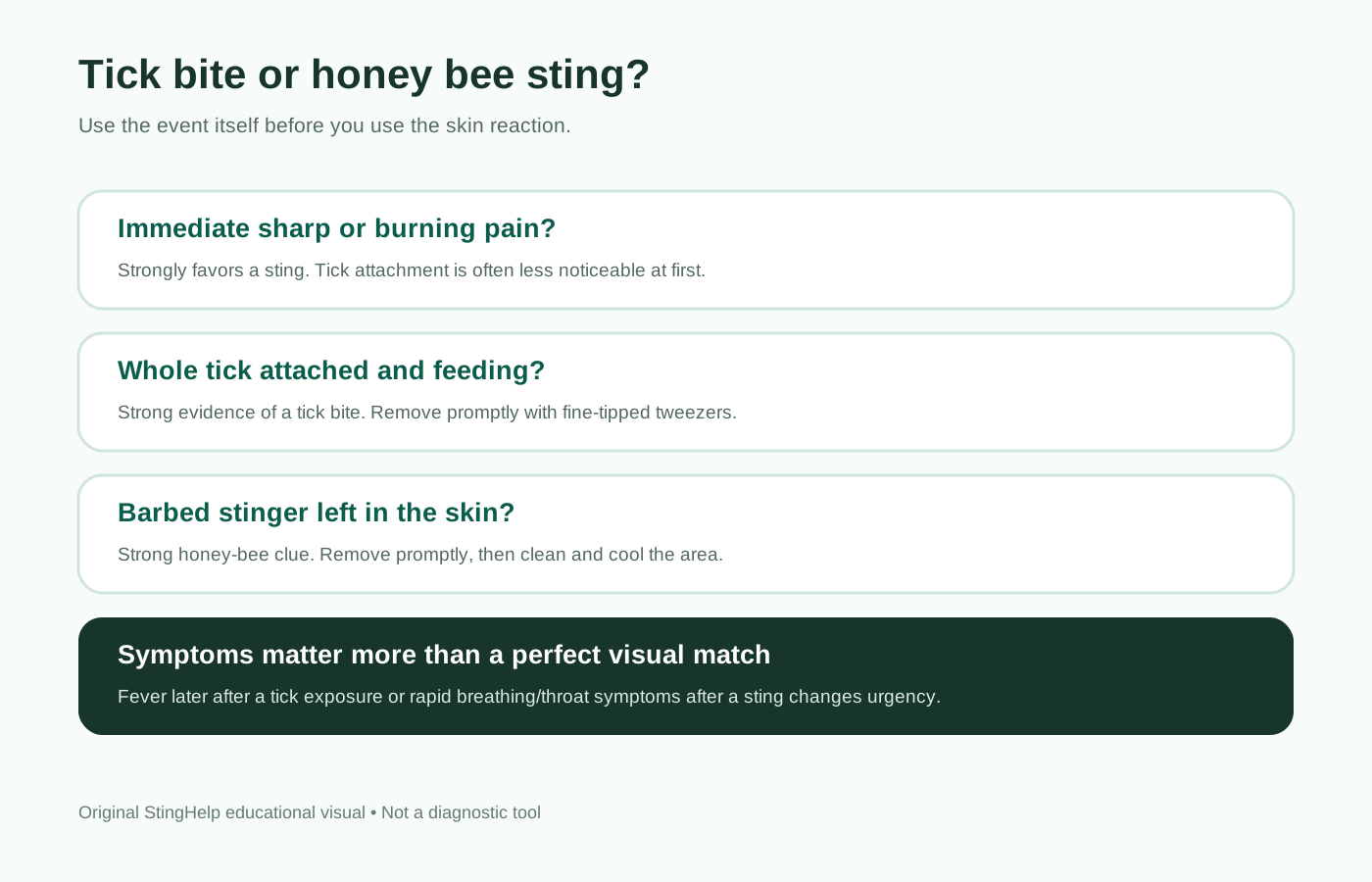
| Question | More consistent with tick bite | More consistent with honey bee sting |
|---|---|---|
| Was there immediate sharp pain? | Less typical. | Very common. |
| Was an arthropod attached and feeding? | Strong tick clue. | No. |
| Was a barbed stinger left behind? | No. | Strong honey bee clue. |
| Did symptoms begin days later with fever/headache/rash? | Raises concern for a tick-borne illness after relevant exposure. | Less typical for a simple sting; delayed immune reactions can occur but need clinical interpretation. |
| Did breathing trouble, throat swelling, hives, or fainting start rapidly? | Emergency regardless of cause. | Classic concern for venom anaphylaxis. |
| Is the only clue a red swollen spot? | Not enough to diagnose. | Not enough to diagnose. |
Prevention: reducing tick bites
Use EPA-registered repellents according to the product label, wear protective clothing in tick habitat, and consider permethrin-treated clothing or gear when appropriate. Avoid brushing against dense vegetation when practical.
After outdoor exposure, perform a full-body tick check. Pay attention to the scalp, behind the ears, under the arms, around the waist, behind the knees, between the legs, and around the groin. Check pets, clothing, backpacks, and outdoor equipment too.
At home, reduce brush and leaf litter in heavily used areas and maintain frequently traveled paths. Local extension and public-health resources can provide region-specific guidance because tick populations vary geographically.
Prevention: reducing honey bee stings
Honey bees are generally not trying to sting people without a reason. Avoid disturbing hives, move calmly away from stinging insects, wear closed-toe shoes outdoors, and be cautious around flowers, outdoor food, and sweet drinks.
If a hive or colony creates a safety problem near a home or work area, use an appropriately trained professional rather than attempting hazardous removal without experience. People with known venom allergy should follow their allergist’s avoidance and emergency-preparedness plan.
Frequently asked questions
Which hurts more right away: an American dog tick bite or honey bee sting?
A honey bee sting is much more likely to cause immediate sharp or burning pain. An American dog tick can attach without being noticed at first.
Can an American dog tick leave a stinger in the skin?
No. A tick attaches using mouthparts and may remain attached as a whole organism. A worker honey bee can leave a barbed stinger and venom sac behind.
Can a honey bee sting cause a red swollen area for more than one day?
Yes. Large local reactions can cause substantial swelling and discomfort. Worsening pain, pus, red streaking, fever, or systemic illness can suggest a complication and deserves medical evaluation.
Can an American dog tick transmit Lyme disease?
The American dog tick is not considered the main U.S. vector of Lyme disease. Its established U.S. disease associations include RMSF and tularemia.
Can a honey bee sting cause anaphylaxis?
Yes. Honey bee venom can trigger life-threatening anaphylaxis in sensitized people. Breathing difficulty, throat or tongue swelling, fainting, or rapidly progressive whole-body symptoms require emergency care.
Should I use a skin photo to decide whether I need medical care?
No. Use the person’s symptoms and exposure history. A mild-looking skin mark does not rule out a serious allergic reaction or evolving tick-borne illness.
Related StingHelp guides
- Tick Bites: Removal, Symptoms & Warning Signs
- Bee Stings
- Tick Bite Warning Signs
- Bee Sting Warning Signs
- First Aid for Bites & Stings
- Emergency & Warning Signs
Authoritative references
- CDC — American Dog Tick Surveillance
- AAAAI — Stinging Insect Allergy
- AAAAI — Anaphylaxis
- MedlinePlus — Bee, Wasp, Hornet, or Yellow Jacket Sting
Bottom line
For american dog tick bite vs honey bee sting pictures, exposure history matters more than the skin image. An attached feeding tick supports an American dog tick bite; immediate pain plus a retained barbed stinger strongly supports a honey bee sting. Tick bites raise concern for later infectious symptoms, while honey bee stings raise immediate venom-allergy concerns. Remove the tick or stinger promptly, provide appropriate first aid, and seek emergency care for breathing difficulty, throat swelling, fainting, collapse, or other rapidly progressive symptoms.
Educational information for a U.S. audience. This article does not diagnose a bite, sting, allergy, infection, or tick-borne disease and does not replace professional medical care.