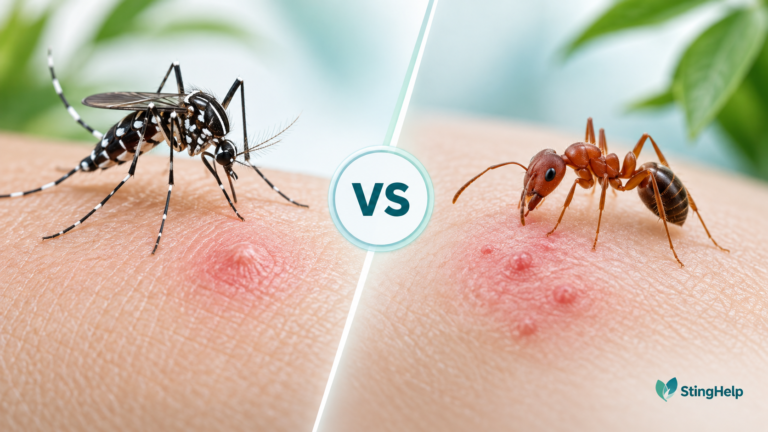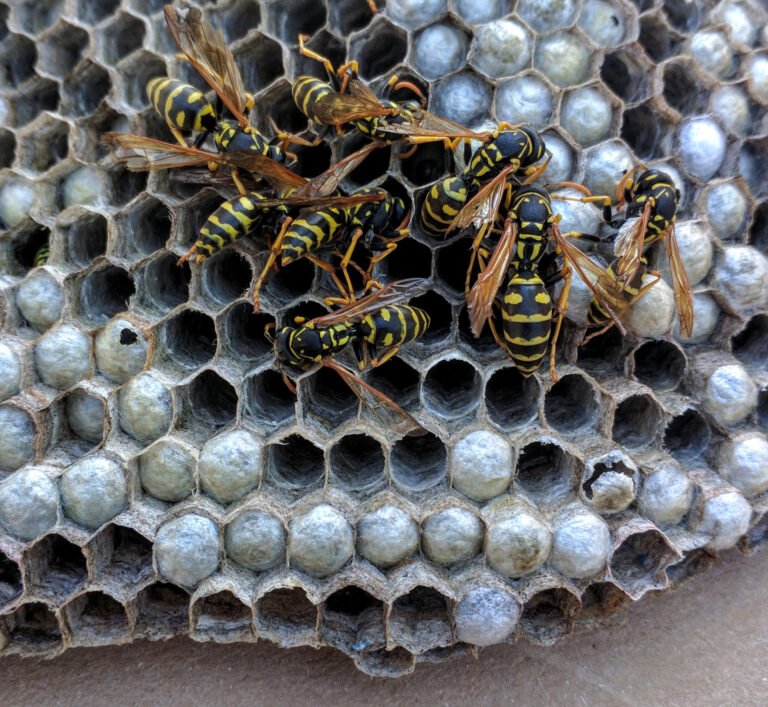
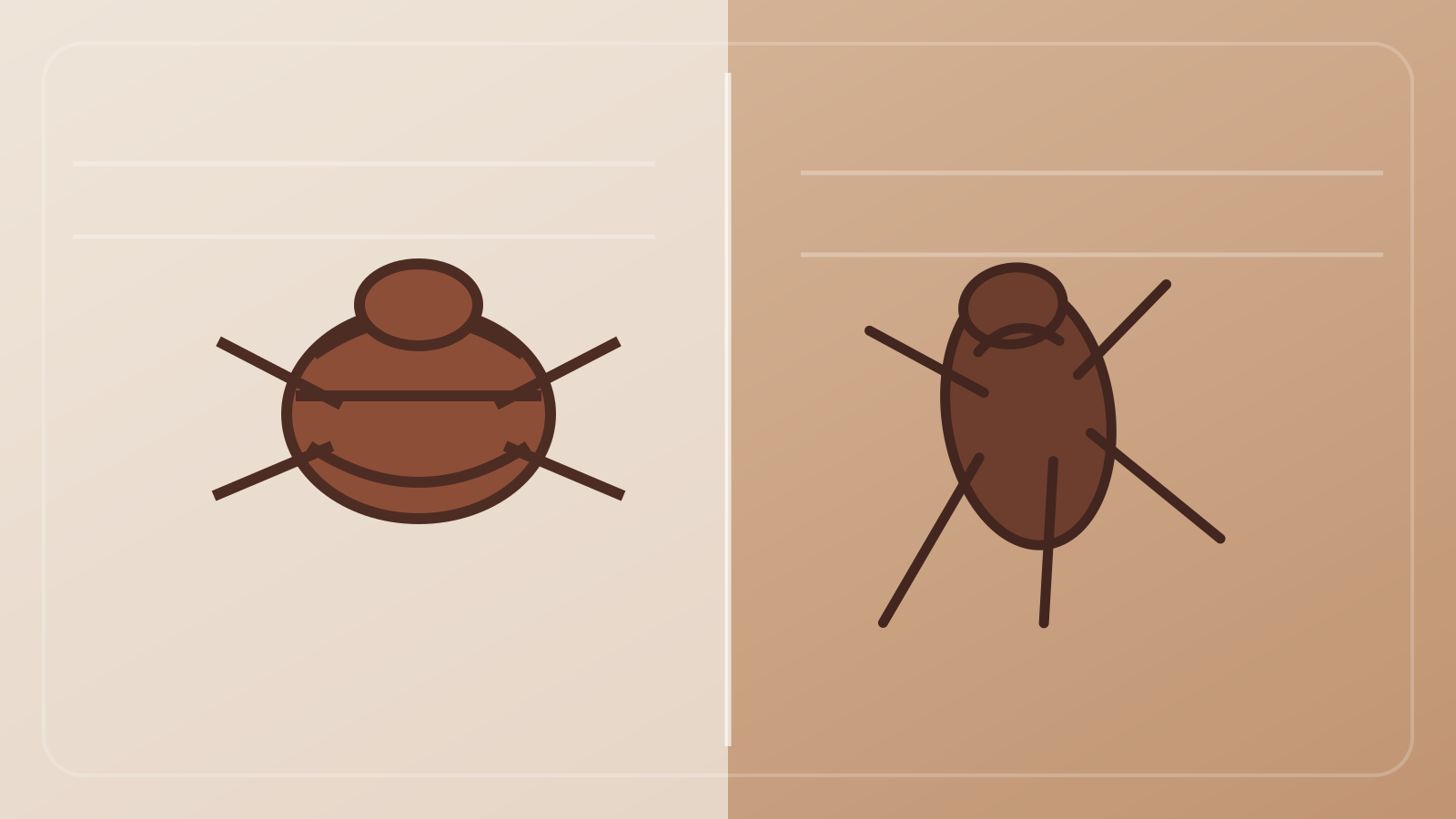
Direct answer: Bed bug bites and flea bites can look very similar, so the skin marks alone usually cannot identify the pest with certainty. Bed bug bites often become noticeable after sleeping and may affect exposed skin; flea bites commonly involve the lower legs and feet, especially when pets or flea-infested environments are involved. Look for physical evidence in the room, bedding, pets, and home rather than relying on a single photo.
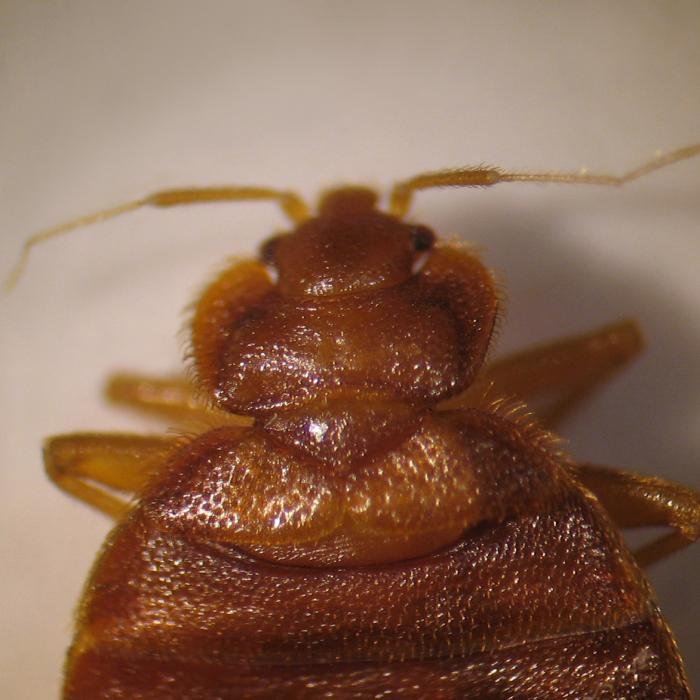
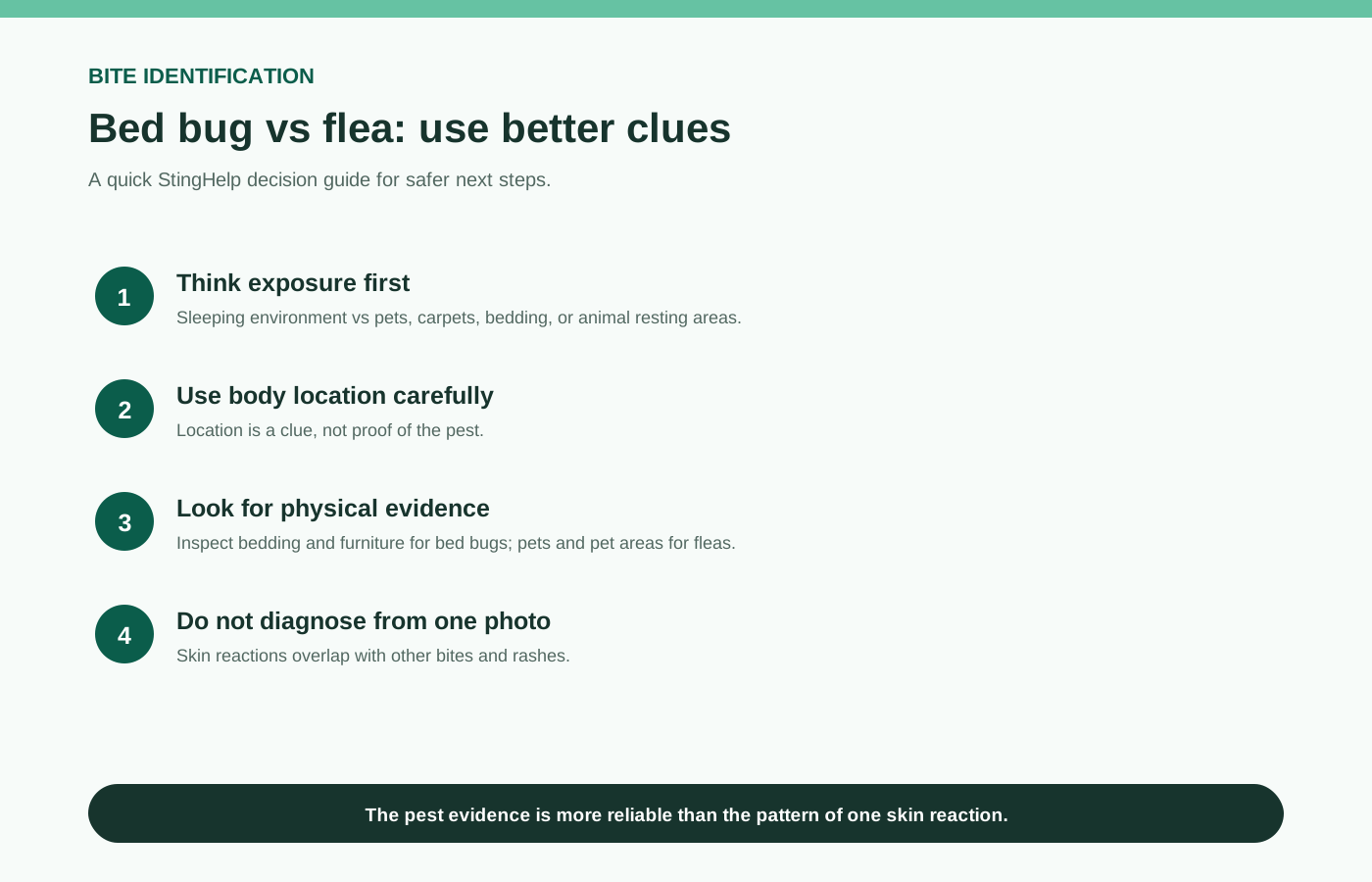
This guide is written for a U.S. audience and focuses on practical clues, safe first aid, and when a bite reaction deserves medical attention. A bite pattern can narrow the possibilities, but it is not a medical diagnosis or a substitute for finding the actual pest.
Bed bug bites vs flea bites: quick comparison
| Clue | Bed bugs | Fleas |
|---|---|---|
| Typical exposure | Sleeping or resting in an infested room, hotel, dorm, apartment, or home. | Contact with flea-infested pets, carpets, bedding, furniture, yards, or wildlife. |
| Common body areas | Exposed skin during sleep can be affected. | Lower legs, ankles, and feet are common areas. |
| Pattern | Marks may be random or appear in a line; some people show no visible reaction. | Small itchy bites may occur in groups, especially on lower legs. |
| Better evidence | Live bugs, shed skins, dark fecal spots, rusty stains, eggs, or bugs in mattress and furniture seams. | Fleas or flea dirt on pets, pet bedding, carpets, furniture, or areas where animals rest. |
Why the bite marks alone are not enough
The U.S. Environmental Protection Agency notes that skin bites are a poor indicator of a bed bug infestation because bed bug bites can resemble other insect bites, rashes, eczema, hives, and other skin problems. CDC also notes that reactions vary widely: some people have no visible marks, while others develop itchy red areas or, rarely, a larger allergic reaction.
A better approach is to combine the skin reaction with where you were, when the marks appeared, where they are on the body, whether pets are present, and whether physical pest evidence can be found.
What should you do for mild itching or irritation?
- Wash the area gently with soap and water.
- Avoid repeated scratching.
- Use a wrapped cool compress for short periods if it feels soothing.
- If itching is significant, ask a pharmacist or healthcare professional which over-the-counter option is appropriate for your age, health conditions, pregnancy status, and current medicines.
CDC guidance for bed bug bites emphasizes that most cases need only minimal symptom treatment and good hygiene. More severe inflammatory reactions or secondary infections may need clinician-directed treatment.
How to check for bed bugs
EPA recommends looking for physical signs such as live bed bugs, pale eggs or eggshells, shed skins, dark fecal spots, and rusty or reddish stains on bedding or mattresses. Inspect mattress seams, box springs, bed frames, headboards, upholstered furniture, and nearby cracks.
How to check for fleas
Check pets regularly and talk with a veterinarian about an appropriate flea-control plan. CDC recommends frequent cleaning and vacuuming of carpets, rugs, cushions, and areas where pets spend time.
When should you seek medical care?
Seek emergency care for trouble breathing, swelling of the lips, tongue, face, or throat, fainting, collapse, or rapidly worsening whole-body symptoms. Seek prompt medical advice for spreading redness, increasing warmth or pain, pus, red streaking, fever, or a reaction that is becoming worse instead of gradually improving.
Frequently asked questions
Do bed bug bites always appear in a straight line?
No. CDC notes that bed bug marks may be random or may appear in a straight line, and some people do not develop visible bite marks at all.
Are flea bites always around the ankles?
No, but CDC notes that flea bites often occur on the lower legs and feet. Exposure history and evidence of fleas on pets or in the home matter more than one body location.
Can a photo tell me whether I have bed bug bites or flea bites?
A photo can document the reaction, but it cannot reliably confirm the pest. Physical evidence from the room, bedding, pets, or environment is more useful.
Related StingHelp guides
Authoritative references
- CDC — About Bed Bugs
- CDC — Caring for Patients with Bed Bug Bites
- U.S. EPA — How to Find Bed Bugs
- CDC — Preventing Fleas
Educational information only. This article does not diagnose a bite from appearance alone and does not replace professional medical or pest-control advice.