
It looks like a walking cotton ball with racing stripes — cute, until you brush against it. A hickory tussock caterpillar rash is a real and painful skin reaction, but the right first aid calms it down fast.
What the Rash Looks and Feels Like #
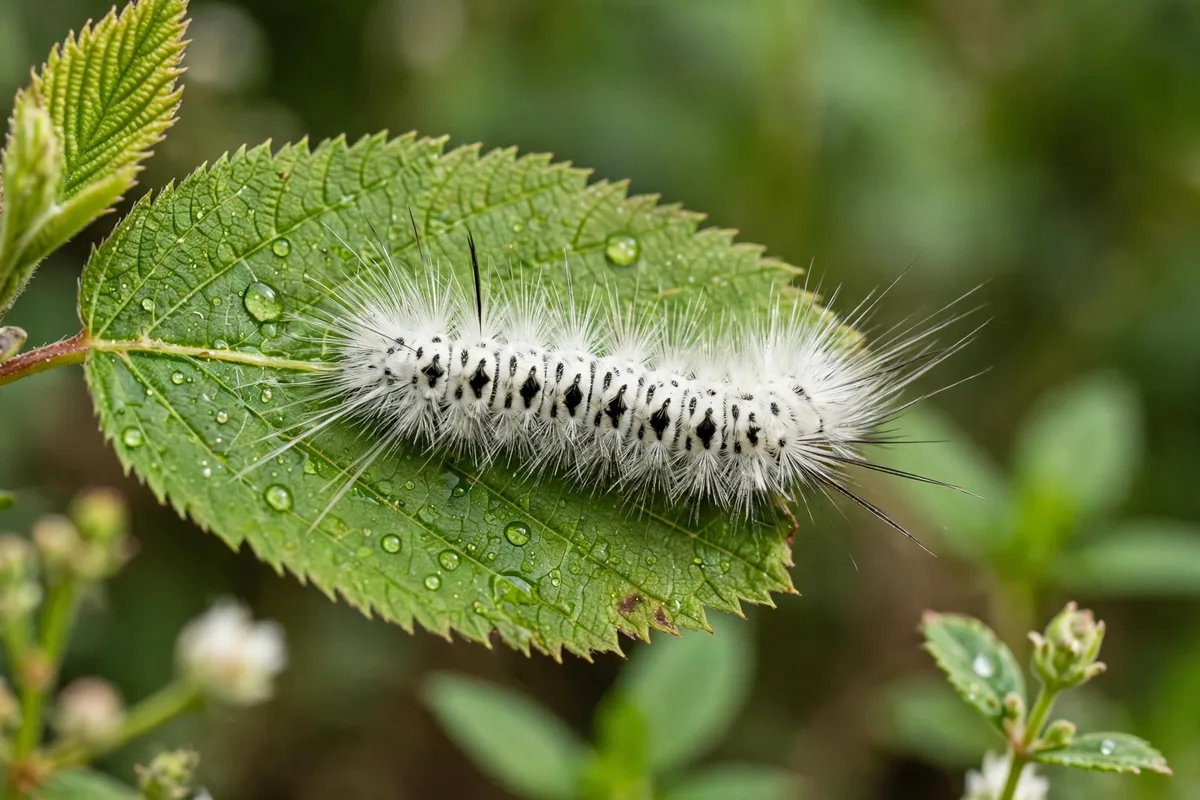
The hickory tussock moth caterpillar (Lophocampa caryae) is hard to miss once you know it: white and fluffy, about 4 to 5 centimeters long, with black chain-like markings down its back and long black hairs sticking out near its front and rear. Those tufts of hair connect to poison glands — touching them releases the irritant.
Contact typically causes a nettle-like or poison-ivy-type rash. Expect some combination of:
- Redness and small bumps where the hairs touched
- Itching, stinging, or a burning sensation that can last up to about 20 minutes or longer
- Mild swelling around the contact area
- A prickly, irritated patch that feels worse if rubbed
Most reactions stay localized and fade with basic care. But some people react more strongly — health authorities note that symptoms can include headache, nausea, or a broader allergic reaction. The rash usually sits exactly where the caterpillar touched, which helps confirm the cause. If the caterpillar is still around, do not handle it with bare hands to get a better look.
First-Aid Steps: Get the Hairs Out, Calm the Skin #
The tiny hairs are barbed and can break off in the skin, so removing them comes first. Work through these steps in order:
1. Do not scratch or rub. Rubbing drives the barbed hairs deeper and spreads irritation.
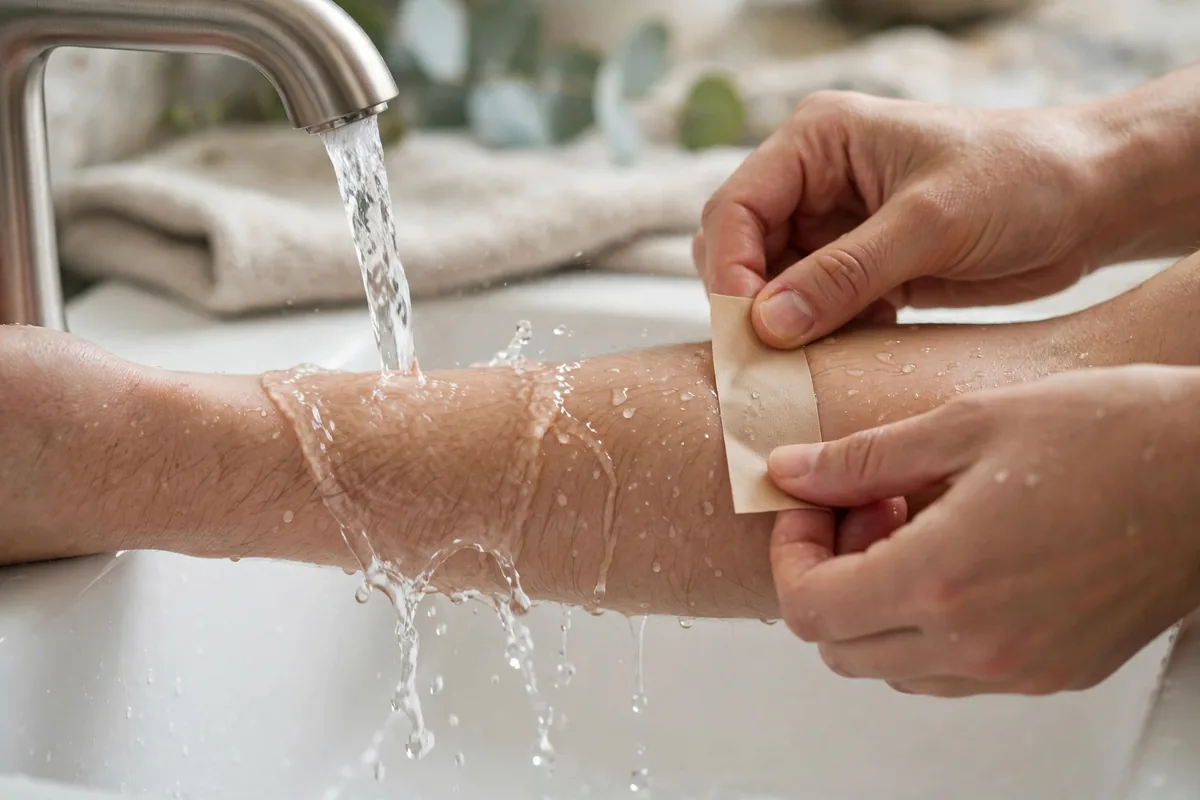
2. Lift the hairs out with tape. Press adhesive tape gently over the affected area, sticky side down, then pull it up. Repeat with fresh pieces of tape until no more hairs come away. This is the single most important step.
3. Wash with soap and cool water. Once the hairs are out, wash the area to remove any remaining irritant. Penn State Extension notes that washing alone handles hairs that are sitting on the skin without embedding.
4. Apply something cold. An ice pack or cold compress pressed against the skin reduces stinging, swelling, and pain. Our guide to cold compresses for bites and stings covers timing and technique.
5. Soothe the itch. Calamine lotion, a baking soda and water paste, or a topical hydrocortisone cream can ease itching. An oral antihistamine per label directions may help if itching or swelling worsens.
6. Wash your clothing. Hairs can cling to sleeves and gloves and cause a second round of irritation later.
Most mild reactions settle within a couple of days with this routine. And remember the golden rule for any irritated skin: do not scratch or squeeze — broken skin invites infection.
Do and Do Not List #
Do:
- Teach children the look-don’t-touch rule. The caterpillar’s cute, fuzzy appearance is exactly what draws small hands toward it.
- Wash your hands after any possible contact, before touching your face or eyes.
- Check outdoor gear — hairs can hitchhike on jackets, hats, and playground equipment.
- Watch the area for a day or two. Mild redness that fades is normal; worsening symptoms are not.
- Leave the caterpillar alone. It is a native species and an important food source for birds — it just needs its personal space.
Do not:
- Do not rub your eyes after handling or being near one. Hairs embedded in the eye need immediate medical attention.
- Do not scratch the rash, no matter how much it itches.
- Do not pick the caterpillar up, even with the “just for a second” impulse — the hairs detach easily.
- Do not ignore spreading symptoms. Swelling that grows, nausea, or trouble breathing means it is time for medical care, not more calamine.
Pets and Kids: Extra Caution #
Pets: Dogs and cats are curious in exactly the wrong way. A dog that mouths or eats a hickory tussock caterpillar can end up with irritating hairs in its mouth — watch for drooling, pawing at the muzzle, vomiting, or obvious discomfort. Hairs can also ride home on fur and transfer to your skin later, so wipe paws and brush coats after walks in areas where these caterpillars are active. If your pet shows strong mouth irritation, vomiting, or distress, call your veterinarian.
Kids: Children playing outside — especially barefoot around trees, or on playground equipment near oaks, hickories, walnuts, and elms — are the most likely to make accidental contact. Check play areas during late summer and fall, when the caterpillars are out looking for cocoon sites, and make the rule simple: fuzzy caterpillars are for looking, never touching.
Where and When Hickory Tussock Caterpillars Show Up #
The hickory tussock caterpillar lives across eastern North America, from southern Canada through the eastern United States. It feeds on the leaves of hickory, walnut, oak, elm, and other hardwood trees, then wanders in late summer and fall looking for a place to spin its cocoon — which is exactly when it ends up on sidewalks, playground equipment, porch rails, and garden furniture.
That wandering stage is the danger window. A caterpillar sitting quietly on a leaf is easy to avoid; one crossing a playground slide or dropping from a tree onto a shoulder is not. Late summer and early fall are peak encounter season, and after windstorms, caterpillars and their shed hairs can be blown onto patios and laundry left outside. If you find one on clothing or gear, shake the item out outdoors while wearing gloves — do not brush it off with bare hands.
What If the Rash Spreads or Will Not Fade? #
Most hickory tussock rashes settle within a couple of days. A rash that behaves differently deserves a second look:
- Spreading beyond the contact area: hairs can transfer on hands, clothing, and towels, creating new patches away from the original touch. Re-tape the new areas, wash everything that touched the skin, and stop the transfer chain before assuming the reaction itself is worsening.
- Rash lasting more than a week: persistent or worsening redness may mean hairs are still embedded, the skin has been scratched open and infected, or the rash is something else entirely — contact dermatitis from a plant, for instance. The difference between routine healing and a complication is covered in our guide to normal healing vs infection.
- Hairs in the eyes or mouth: treat this as urgent. Do not rub. Rinse eyes gently with clean water and seek medical care promptly — embedded hairs in the eye can cause lasting irritation if not removed properly. Mouth exposure with drooling, swelling, or trouble swallowing needs emergency care.
- A different caterpillar: the puss caterpillar, another fuzzy species, delivers a far more painful sting. If the caterpillar was short, stout, and orange-tan rather than long, white, and black-marked, compare with our puss caterpillar sting treatment guide, which follows different first-aid steps.
Keeping Caterpillars Out of Play Areas #
You cannot (and should not) remove caterpillars from the landscape — they are native wildlife and bird food. But you can lower encounter odds where children play:
- Check playground equipment, picnic tables, and outdoor toys for caterpillars on late-summer mornings before children use them.
- Trim low overhanging branches above play areas and seating so caterpillars are less likely to drop onto people.
- Shake out and inspect jackets, hats, and blankets that were left outdoors before bringing them inside.
- Teach the simple rule early: fuzzy means look, never touch. Children who can recognize the white, black-marked caterpillar avoid it without fear.
For general itch relief while the rash settles, the same measures used for bites apply — cool compresses, calamine, and not scratching. See reducing bite itching for what helps and what does not.
Warning signs: when to seek care #
Most hickory tussock reactions are local and settle with first aid. But stronger reactions happen, so know when to escalate.
Call 911 or your local emergency number right away if you notice: trouble breathing or swallowing; swelling of the face, lips, tongue, or throat; widespread hives; dizziness or fainting; or a racing heartbeat. If you carry an epinephrine auto-injector and have signs of a severe allergic reaction, use it as prescribed, then call emergency services.
Seek medical advice promptly if you develop swelling that keeps spreading, nausea, headache that will not ease, or signs of a generalized allergic reaction. Hairs in the eyes or mouth also warrant immediate medical attention — do not try to manage those at home. See a doctor or urgent care if the rash shows pus, increasing pain after the first day, fever, or no improvement within a few days.
Frequently asked questions #

How long does a hickory tussock caterpillar rash last? #
The sharp stinging often eases within about 20 minutes, while the redness and itching typically fade over a few days with proper first aid. Penn State Extension notes most patients recover spontaneously within about 48 hours with minimal care.
Is the hickory tussock caterpillar venomous? #
It is often described that way — its hair tufts connect to poison glands, and contact releases an irritant. It is not venomous in the sense of injecting venom through a bite or sting; the reaction comes from the barbed hairs and their chemical coating.
Can the rash spread to other parts of my body? #
The rash itself does not spread like an infection, but loose hairs on your hands, clothing, or pet’s fur can cause new irritated spots wherever they land. That is why taping, washing, and laundering matter.
Should I kill the caterpillars in my yard? #
There is no need. They are a native species that feeds birds and supports the local ecosystem, and they are only active for part of the year. Simply avoid touching them and teach kids and pets to do the same.
Can hickory tussock hairs cause a rash without touching the caterpillar? #
Yes. Shed hairs can linger on clothing, outdoor furniture, playground equipment, and even laundry left outside. Brushing against a contaminated sleeve or towel can transfer hairs to skin and cause a rash with no caterpillar in sight. That is why washing clothing and gear matters after any suspected contact.
Is the hickory tussock caterpillar dangerous to dogs that sniff it? #
Sniffing usually causes only mild nose and mouth irritation, but a dog that mouths or eats one can get hairs embedded in its mouth, causing drooling, pawing, and distress. Rinse the mouth gently if you can do so safely and call your veterinarian if irritation is strong or the dog vomits or seems distressed.
Should I report hickory tussock caterpillars to anyone? #
No reporting is needed — they are a native species, not an invasive pest, and they do not need to be removed or controlled. Local extension services can confirm identification if you are unsure what you found, but there is no control program for them.
Can the rash come back days after it faded? #
A faded rash can flare again if embedded hairs remain in the skin or if contaminated clothing re-exposes the area. Re-tape the area, wash all clothing and bedding that touched it, and avoid scratching. A true recurrence without re-exposure is uncommon — look for the hidden source first.
Can hickory tussock hairs survive washing clothes? #
Ordinary laundering usually removes hairs from clothing, especially with a warm wash and thorough rinse. Hairs are barbed and can cling stubbornly to fuzzy fabrics, wool, and outdoor gear, so shake garments out outdoors first, then wash separately from other laundry. If a garment still causes itching after washing, run it through a second wash or retire it from skin contact until the irritation stops.
How do I tell a hickory tussock rash from poison ivy? #
Both cause itchy red rashes, but the patterns differ. A hickory tussock rash appears within minutes to hours exactly where hairs touched, often as a prickly patch with small bumps, and it usually fades within a couple of days once the hairs are removed. Poison ivy typically appears a day or two after plant contact, often in streaks or lines where leaves brushed the skin, and it can blister and linger for two to three weeks. If you handled a fuzzy caterpillar, suspect the caterpillar first; if you were recently in brush without any caterpillar contact, consider poison ivy instead.
Medical and editorial note #
This article is for general information only and is not medical advice. Skin reactions vary from person to person, and what looks like a caterpillar rash could occasionally be something else. If your symptoms are severe, spreading, or worrying you — or if hairs get into eyes or mouth — see a doctor, urgent care clinician, or other qualified healthcare professional promptly.


