
First Aid for Bites and Stings
Find clear first-aid guidance for common insect bites and stings, including what to do immediately, what to avoid, and what changes should prompt medical care.
Clean gently
Basic skin care can reduce irritation and contamination.
Reduce discomfort
Cooling and appropriate symptom-relief measures can help many mild reactions.
Monitor changes
Watch the direction symptoms are moving over the next hours and days.
A practical first-aid framework for bites and stings
First aid depends on what happened, the severity of the reaction, and whether the exposure is still ongoing. A useful starting point is to move away from the source, check for an attached tick or visible stinger when relevant, clean the skin gently, protect the area from additional irritation, and monitor the direction symptoms are moving.
Focus on simple, low-risk care
For many mild local reactions, comfort measures and observation are more useful than aggressive home remedies. Avoid cutting, burning, squeezing, or applying harsh chemicals to a bite or sting site.
Monitor progression
Note when the exposure happened and whether pain, redness, swelling, itching, or other symptoms are improving, stable, or worsening. This timeline can be useful if medical advice becomes necessary.
Know when first aid is not enough
Whole-body allergic symptoms, breathing difficulty, throat swelling, fainting, collapse, severe illness, or another rapidly worsening reaction needs a different level of care. Review Emergency & Warning Signs for safety-focused guidance.
Latest first-aid guides
Practical steps for cleaning, cooling, monitoring, symptom relief, and knowing when home care may no longer be enough.
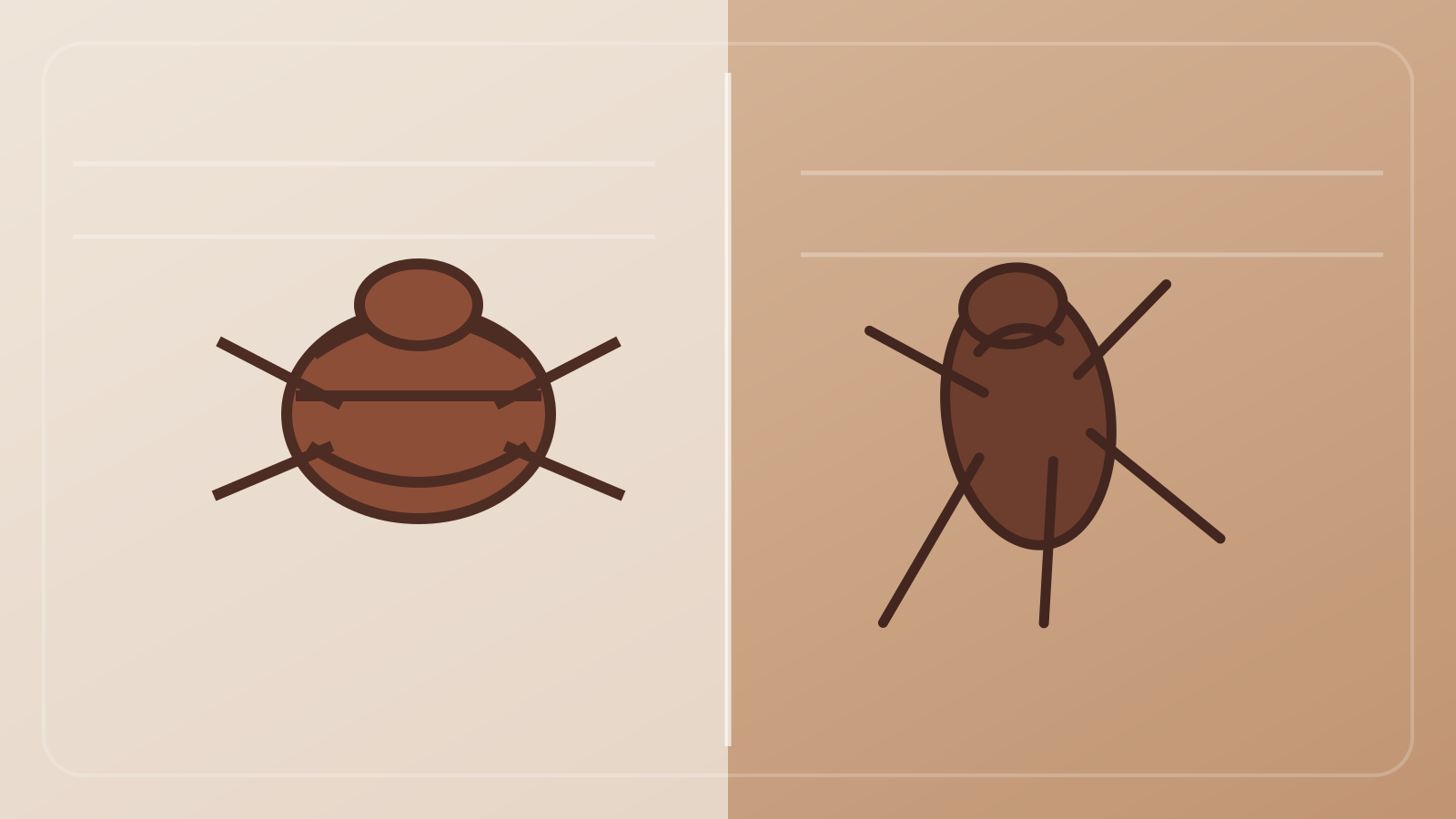
Bed Bug Bites vs Flea Bites: Key Differences, Treatment, and What to Do
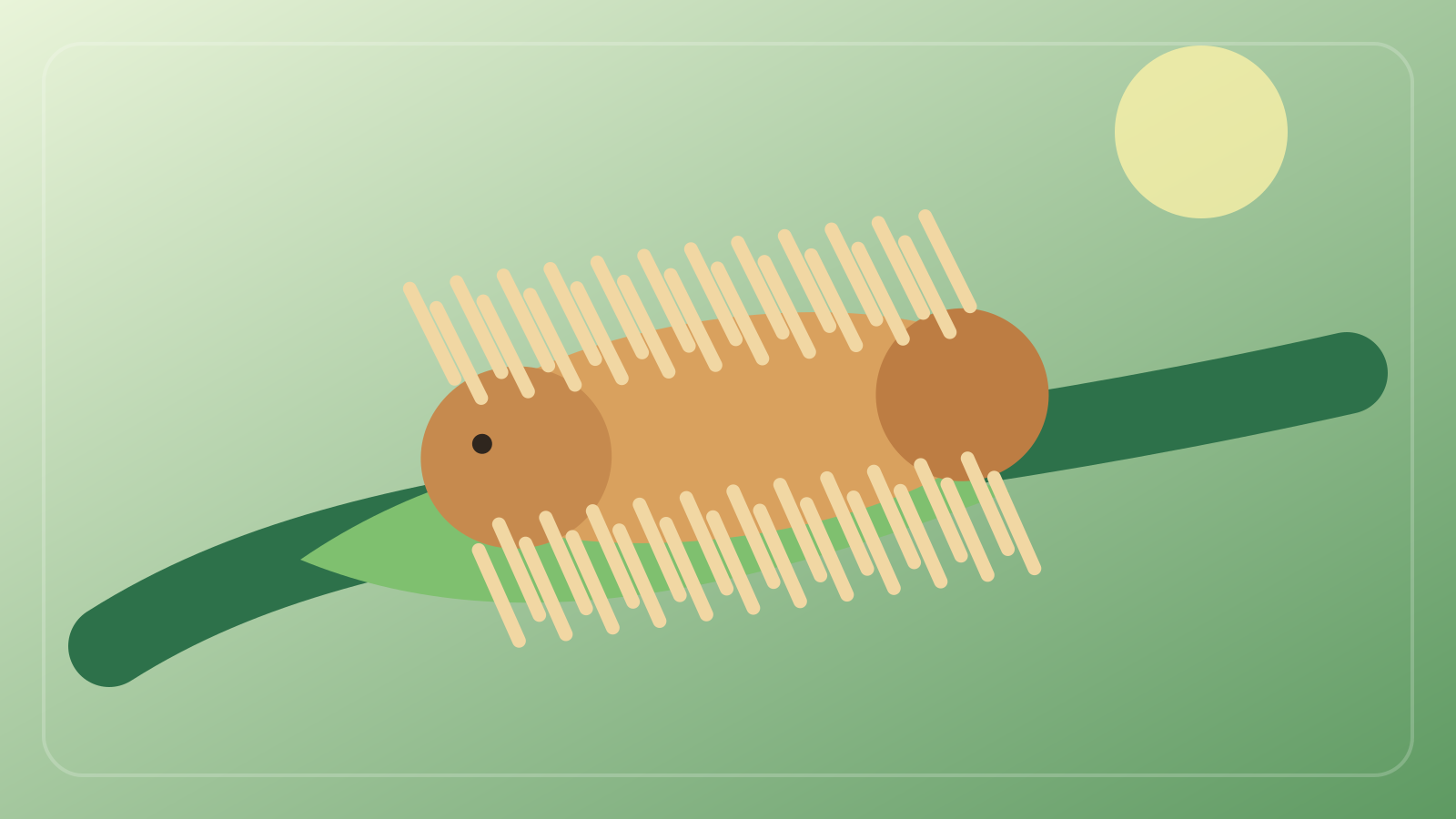
Puss Caterpillar Sting Treatment: Safe First Aid, Relief, and When to Get Help

Black Widow Bite Treatment: Safe First Aid, Relief, and When to Get Help
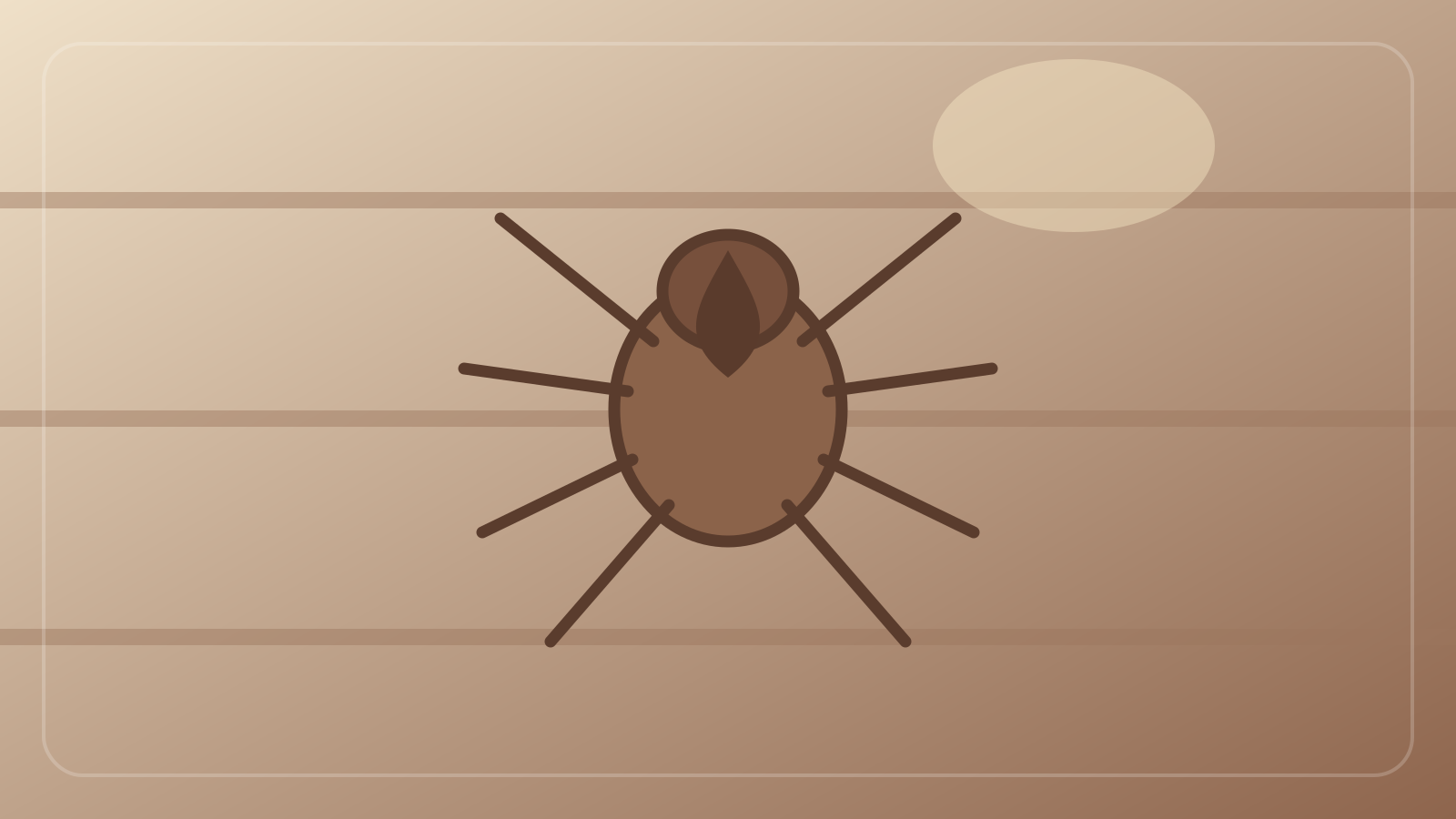
Brown Recluse Bite Treatment: Safe First Aid, Relief, and When to Get Help

Insect Sting First Aid: A Practical Safety Checklist
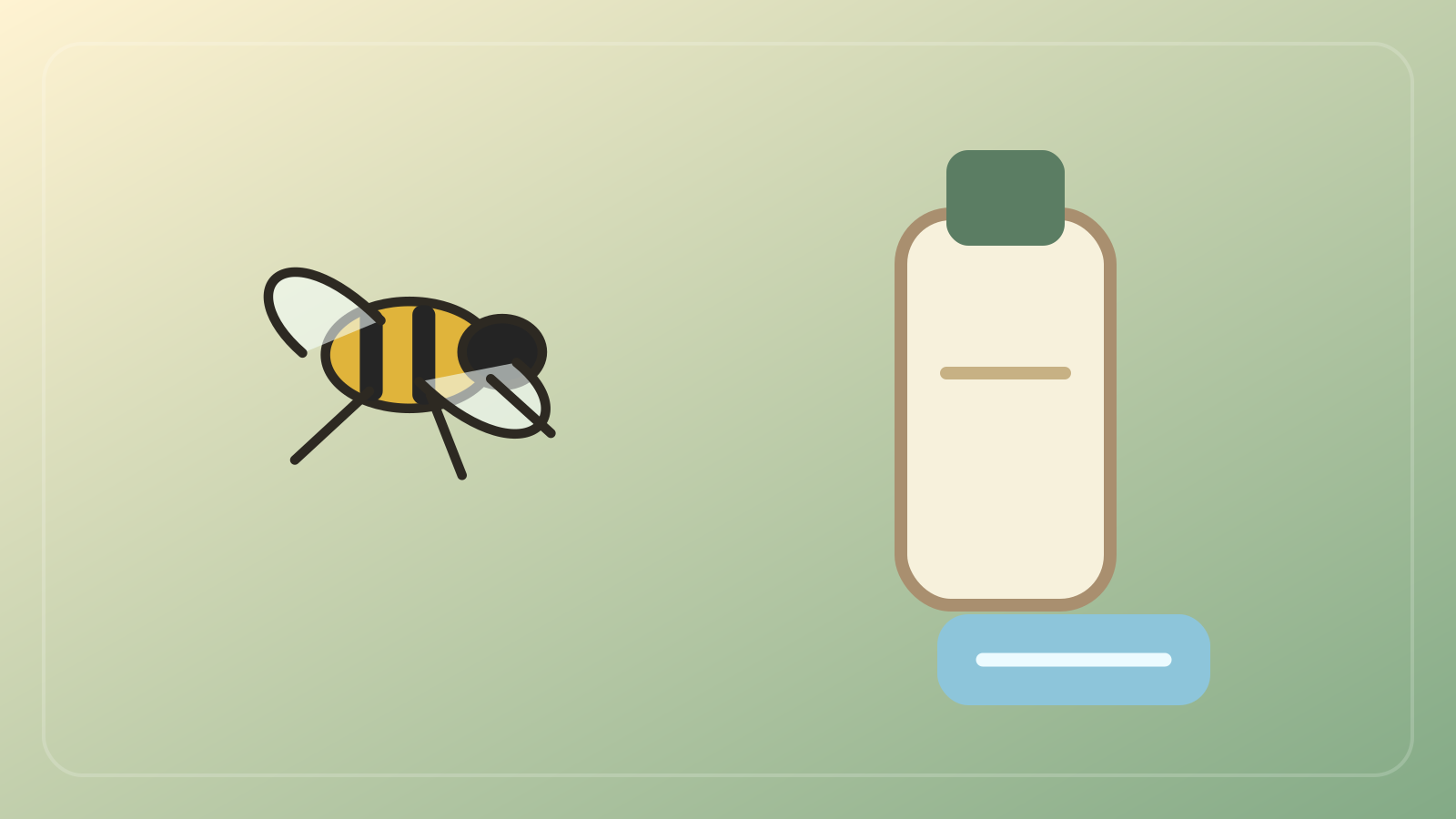
Vinegar for Wasp Stings: Does It Help? Evidence and First Aid
Insect Sting First Aid: Symptoms, Relief, and When to Get Help
Symptoms getting worse instead of better?
Rapid progression, whole-body symptoms, fever, drainage, severe pain, or spreading redness may need professional evaluation.
Frequently Asked Questions
What should I do first after an insect bite or sting?
Move away from the exposure, check for emergency symptoms, gently wash the area with soap and water, and use a wrapped cool compress for local pain or swelling. If a bee stinger is visible, remove it promptly rather than delaying while searching for a specific tool.
What if a tick is still attached?
Remove an attached tick as soon as possible. CDC recommends grasping it as close to the skin as possible with clean fine-tipped tweezers and pulling upward with steady, even pressure, then cleaning the bite area and your hands.
What should I avoid putting on a bite or sting?
Avoid cutting, squeezing, repeatedly scratching, direct ice on the skin, and harsh chemicals or caustic home remedies. If symptoms are severe, unusual, or worsening, the priority is medical assessment rather than adding more home treatments.
When does a bite or sting need emergency care?
Call emergency services for trouble breathing, swelling of the tongue or throat, fainting or collapse, severe dizziness, or a rapidly progressing whole-body allergic reaction. If a person has prescribed epinephrine and has been instructed to use it for anaphylaxis, follow that emergency plan and still seek emergency care.
Medical context: American Academy of Dermatology, CDC tick guidance, and Mayo Clinic. Educational information only.