
Does Cold Weather Kill Mosquitoes?
Every October, as the first frost silvers the lawn, the same hopeful question circulates: does cold weather kill mosquitoes? If you are still getting…
Every spring, someone opens the garage cabinet, finds last summer's half-used bug spray, and asks the obvious question: does bug spray expire? The bottle has no expiration date, which makes…

Every spring, someone opens the garage cabinet, finds last summer’s half-used bug spray, and asks the obvious question: does bug spray expire? The bottle has no expiration date, which makes the answer feel like a trick. Here is the honest version: bug spray does lose effectiveness over time, but expired repellent is not dangerous. It is simply unreliable, and unreliable is exactly what you do not want from the thing standing between you and mosquitoes and ticks.
This article explains why repellent labels skip expiration dates, what the realistic shelf life of each repellent type is, how storage decides how long a bottle lasts, how to tell when a product has gone bad, and when to replace your supply before tick season. No invented numbers, no scare tactics, just what the evidence supports.
Insect repellents are regulated as pesticides in the United States, and the US Environmental Protection Agency does not require manufacturers to print expiration dates on repellent labels. That is the whole reason for the confusion. Shoppers are used to seeing “best by” dates on sunscreen, food, and medicine, so a bottle with none looks either immortal or suspicious. Neither impression is right.
The absence of a required date does not mean infinite potency. It means the regulator has not set one, and manufacturers fill the gap inconsistently: some print lot codes that only the company can decode, some print a manufacturing date, some print a suggested use-by window, and some print nothing at all. When a bottle says nothing about age, it is not promising forever. It is just silent.
The chemistry explains why regulators are relaxed about it. The most established repellent active ingredients are remarkably stable molecules: DEET, for example, is chemically very stable, and federal regulators do not require an expiration date on repellent labels. Stability, though, is not the same as guaranteed performance. A stable molecule in a degraded formula, a leaky aerosol can, or a bottle that spent two summers in a hot trunk can still fail you when it matters. The real question is never “is this expired” in the food-safety sense. It is “will this still protect me for the hours on the label.”
Not all repellents age the same way. The active ingredient decides the timeline, and the delivery system decides whether you can even use what is left. The ranges below come from manufacturer guidance and repellent-product coverage, not from any regulatory standard, and they assume reasonable storage, which the next section defines.
DEET (N,N-diethyl-meta-toluamide). The workhorse repellent is a hardy, stable molecule, and product coverage describes its shelf life as essentially indefinite under good storage conditions. That does not make every old DEET bottle good forever. The inactive ingredients, solvents, and propellants age too, and brands including OFF! generally advise replacing repellent after about three years to be safe. Think of DEET’s chemistry as durable and the three-year guideline as the manufacturer’s conservative guarantee of full label performance.
Picaridin. The other mainstream synthetic repellent is also considered highly stable, and manufacturer guidance commonly lands on about three years from manufacture as the guaranteed full-efficacy window. Past that point the product does not become toxic; the concentration of active ingredient may simply no longer deliver the protection time printed on the label. In practical terms, old picaridin behaves like old DEET: probably weaker, not harmful.
IR3535. This repellent, used in some Avon and European-style products, is the least stable of the synthetics in this group, with product coverage putting its functional shelf life around two years before breakdown begins. If your bottle’s active ingredient is IR3535, age it more strictly than a DEET or picaridin equivalent.
Oil of lemon eucalyptus (OLE) and other plant-based repellents. Natural oils oxidize and go rancid when exposed to air, heat, and light, so plant-based repellents lose effectiveness faster than synthetics. Product coverage suggests noticeable decline can begin after about two years, depending on the oil concentration and formulation. A quick sniff test is genuinely informative here: if a lemon-eucalyptus spray that used to smell sharp and citrusy now smells faint, flat, or stale, its volatile oils have degraded and its protection window has shrunk with them.
The aerosol problem. Whatever the active ingredient, aerosol cans have a second failure mode: the propellant. Pressurized gas can slowly leak through seals over years, leaving you with a can that feels full but produces only a weak hiss. A pump spray avoids this entirely, which is one reason pump bottles tend to outlive aerosols in real-world cabinets.
| Repellent type | Commonly cited shelf life | What degrades first | Sign it is fading |
|---|---|---|---|
| DEET | Very long; brands advise ~3 years for full label performance | Solvents and propellant, not the DEET itself | Weak spray, off smell, discoloration |
| Picaridin | ~3 years per manufacturer guidance | Formulation stability over time | Reduced protection time, separation |
| IR3535 | ~2 years | The active ingredient itself | Fading effectiveness sooner than others |
| Oil of lemon eucalyptus / plant oils | ~2 years, sometimes less | Volatile oils oxidize | Flat or stale scent, less bite prevention |
| Any aerosol format | Limited by propellant seals | Propellant leaks through seals | Can feels full but barely sprays |
Treat every number in this table as an honest industry rule of thumb, not a certified expiration. The direction is what matters: synthetics outlast plant oils, and aerosols carry extra risk.
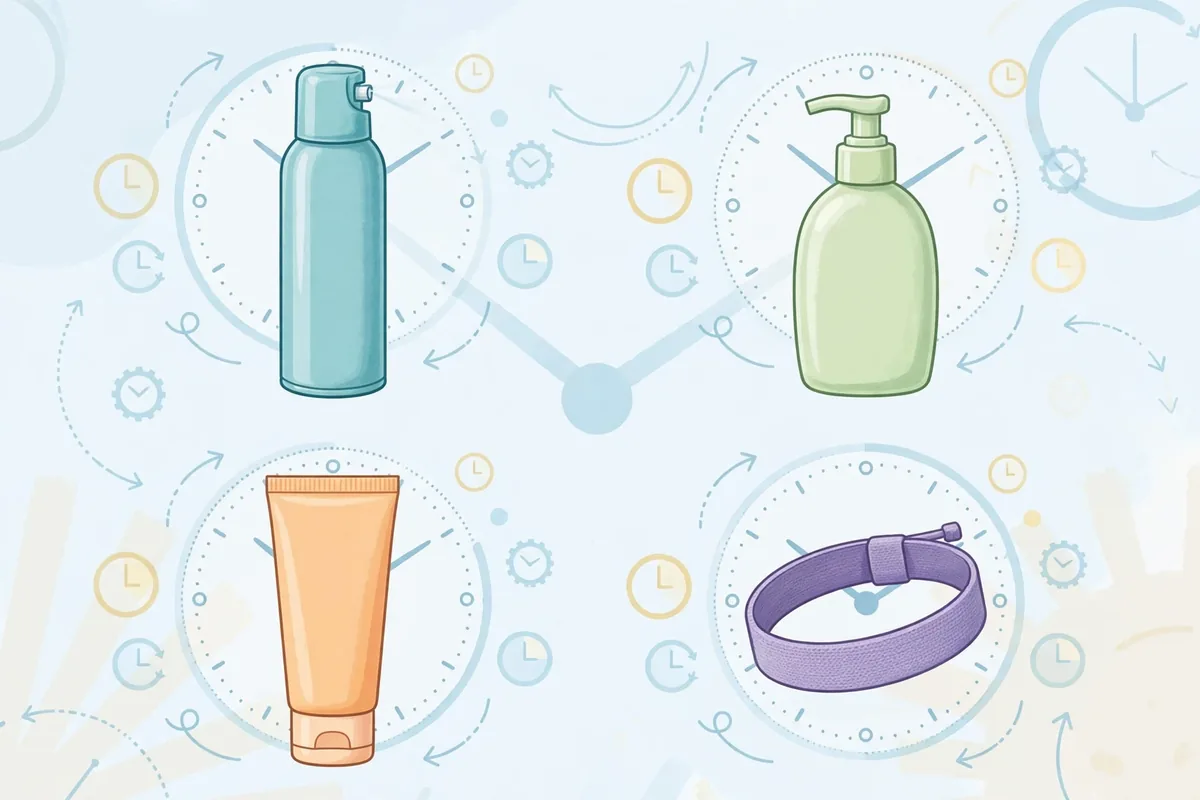
This is the frame to carry through the whole article, because it is the one people get wrong in both directions. Old repellent will not poison you, irritate your skin more, or cause some new side effect. Degradation reduces the concentration and integrity of the active ingredients; it does not create toxins. Using a four-year-old DEET spray is, at worst, like using a weaker spray than the label promises.
The real risk is false confidence. If you spray an old bottle before a hike in tick country and assume you have eight hours of protection, but the bottle is delivering four, you have created a gap in your defenses without knowing it. That gap matters most where the stakes are highest: areas with Lyme-carrying ticks, regions with West Nile or other mosquito-borne viruses, and trips with children who cannot reliably report bites. The danger of expired repellent is not the repellent. It is the bites you did not prevent because you trusted it.
One more honest boundary: never treat an old bottle as interchangeable with a fresh one for a high-stakes outing. For a backyard barbecue, a slightly faded spray is a minor gamble. For a week of camping in the Northeast in June, buy a fresh bottle. The cost of a new can is trivial next to a tick-borne illness workup.
Storage is the variable you control, and it matters more than the printed date or the absence of one. Two identical bottles bought the same day can have completely different fates depending on where they live.
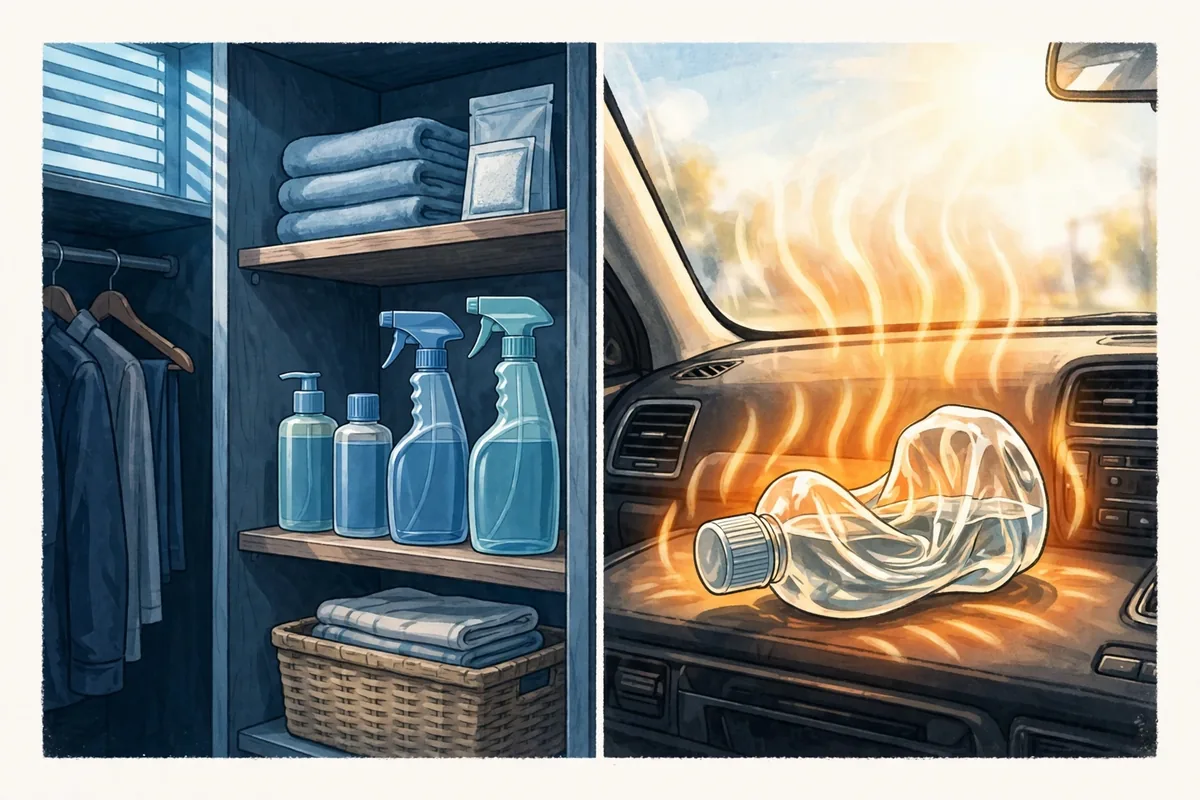
Heat is the main enemy. Most people keep bug spray in the car, the garage, or a shed, and those are the worst possible places. A car interior can exceed 140°F in summer, and sustained heat accelerates the chemical breakdown of nearly every repellent ingredient, natural oils first. If a pump bottle looks slightly warped or “sucked in,” heat has already done its work on the contents. Aerosol cans in extreme heat carry the additional concern of pressure, so never store them anywhere hot.
Light and air do quiet damage. Direct sunlight breaks down active ingredients over time, and every opening of the bottle exposes the formula to air and oxidation. Pump sprays left half-open, caps left off, and clear bottles on sunny shelves all age faster than sealed bottles in the dark.
Freezing causes separation. A bottle that winters in an unheated garage or shed can freeze and thaw repeatedly. Freeze-thaw cycles can separate the formula’s ingredients, and while a firm shake sometimes recombines them, separation that does not resolve is a sign the product’s integrity is gone.
The right way to store repellent: a cool, dark, dry place indoors, like a hall closet or a cabinet away from the stove, with caps on tight. Kept this way, a DEET or picaridin product easily reaches the manufacturer-suggested three-year window and often performs well beyond it. Our insect repellent safety guide covers choosing and applying repellents safely for kids and during pregnancy, which pairs naturally with buying fresh stock each season.
Since most bottles carry no expiration date, learn to read the physical signs. Run through this check each spring before tick season:
Check the spray first. For aerosols, test-fire into the air away from your face. A strong, even mist means the propellant is intact. A weak sputter or nothing at all from a heavy can means the gas leaked out and the can is done, regardless of what is inside.
Look at the liquid. Pour or pump a little onto white paper. Fresh repellent is generally clear and uniform. Yellowed, cloudy, or murky liquid, or visible layers that do not recombine after a firm shake, indicate the formula has broken down.
Smell it. This is especially useful for plant-based repellents. A sharp, characteristic scent means the volatile oils are present. A faint, flat, rancid, or sharply chemical-off odor that was not there when the bottle was new means the oils have oxidized. Trust your nose here; it is detecting exactly the compounds that do the repelling.
Feel it. A formula that has turned gummy, sticky, or gritty has changed chemically and should be discarded. Texture changes are less common than scent and appearance changes, but they are definitive when present.
If a bottle fails any one of these checks, replace it. If it passes all of them and has been stored well, it is reasonable to keep using it for low-stakes situations, but still replace it before any trip where tick or mosquito exposure is serious.
Make this a five-minute ritual each spring, before the first warm weekend, not during it. Pull out every repellent in the house and run each bottle through three questions.
How old is it, really? Decode whatever date information exists. Lot codes can often be looked up on the manufacturer’s website, and some brands print a clear manufacturing date. Anything past the three-year guideline for DEET or picaridin, or past two years for IR3535 and plant-based products, moves to the replace list for serious outings. Be honest about storage, too: three years in a cool closet is not three years in a car trunk.
What is the active ingredient? This determines your strictness. A well-stored DEET pump spray at three and a half years is a different proposition from a plant-oil spray of the same age. Match the bottle to the table above.
What is the upcoming exposure? Keep the “probably fine” bottles for the backyard and buy fresh for the backcountry. Tick season in the Northeast and Upper Midwest, travel to areas with mosquito-borne disease, and any outing with small children all deserve fresh, full-strength repellent applied according to the label. Our Lyme disease resource explains why the stakes of a missed tick bite justify the price of a new bottle.
Dispose of dead bottles responsibly: check the label for disposal instructions, and never puncture or incinerate aerosol cans. Many municipalities accept them at household hazardous-waste collection.
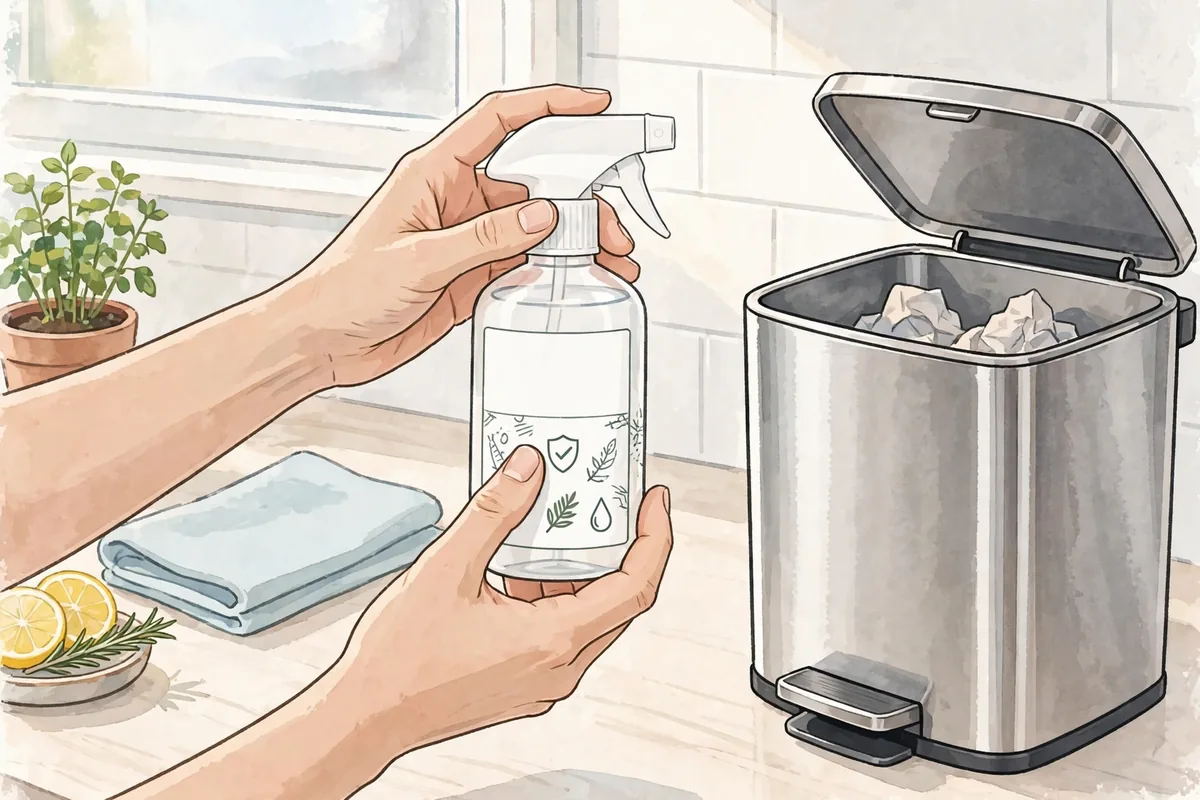
Repellent failure usually announces itself as bites, so this section covers what to do when the protection did not hold.
See a clinician promptly if you notice:
Call 911 for: trouble breathing, swelling of the lips or tongue, dizziness, or fainting after any sting or bite. Those are anaphylaxis signs, and they override everything else on this list. Our bite and sting warning signs guide has the complete red-flag rundown, and our mosquito bite warning signs page covers infection versus allergy in detail.
The through-line of this article is simple: repellent is a tool, and tools need maintenance. Check your bottles each spring, store them well, and replace them before the season that matters.
Can I still use bug spray that is five years old?
You can, in the sense that it will not harm you, but you should not rely on it. After five years, even a stable active ingredient like DEET is likely delivering less than the label’s promised protection time, and the propellant or formula may have degraded further. For casual backyard use it is a minor gamble; for hiking, camping, or travel in tick or mosquito-disease areas, buy a fresh bottle. The risk is not the old spray, it is the false confidence it gives you.
Does the expiration work differently for natural bug sprays?
Yes, and this is the one category where age matters most. Plant-based repellents rely on volatile essential oils that oxidize and go rancid with exposure to air, heat, and light. Expect noticeable decline after about two years, sometimes sooner with poor storage. The sniff test is your best tool: if the scent has gone flat or stale, the repelling compounds are largely gone. Natural does not mean longer-lasting; in repellents, it usually means the opposite.
Why do some bottles have a date and others do not?
Because no US regulation requires one, manufacturers decide for themselves. Some print manufacturing or lot-code dates for quality tracking, some add a suggested use-by window as a customer service, and some print nothing. A printed date is the manufacturer’s guarantee of full label performance up to that point, not a safety deadline. Its absence means nothing about the bottle’s actual age, which is why the physical checks in this article matter more than hunting for a date.
Is it safe to keep bug spray in the car?
Convenient, but costly to the product. Car interiors routinely reach temperatures that accelerate repellent breakdown, and the heat-cold cycling across seasons is worse than steady warmth. Aerosol cans add a pressure concern in extreme heat. If you want a bottle in the car for unplanned stops, treat it as a short-term resident: rotate it out every season and never count on it for a serious outing. Keep your main supply in a cool indoor closet.
Should I throw away repellent every spring and start fresh?
For most households, a full annual purge is overkill, but a spring audit is not. Check each bottle’s age, active ingredient, storage history, and physical condition, then replace what fails. At minimum, buy one fresh bottle of your primary repellent each spring before tick season, and relegate older bottles to low-stakes backup duty. That one habit closes the exact gap, faded protection you trusted, that this whole article warns about.
Medically reviewed by Dr. Sarah Jones, MD.
This article is for informational purposes only and isn’t medical advice. If you’re worried about a bite or sting, talk to a healthcare professional.
Dr. Jones oversees StingHelp’s clinical verification process. Every guide is systematically evaluated against active Centers for Disease Control and Prevention (CDC), Environmental Protection Agency (EPA), and American Academy of Allergy, Asthma & Immunology (AAAAI) medical consensus standards to ensure symptom distinctions and care recommendations are clinically sound.
Explore physician-reviewed first-aid procedures, identification clues, and symptom comparisons for other common outdoor bites and stings.

Every October, as the first frost silvers the lawn, the same hopeful question circulates: does cold weather kill mosquitoes? If you are still getting…

It is one of the oldest debates at any campsite: as the sun drops and the mosquitoes rise, someone gestures at the campfire and…
You are covered in itchy mosquito welts, and someone suggests an allergy pill. The question do antihistamines help mosquito bites comes up every summer…