
Does Campfire Smoke Repel Mosquitoes?
It is one of the oldest debates at any campsite: as the sun drops and the mosquitoes rise, someone gestures at the campfire and…
Every October, as the first frost silvers the lawn, the same hopeful question circulates: does cold weather kill mosquitoes? If you are still getting bitten in a jacket, or wondering…
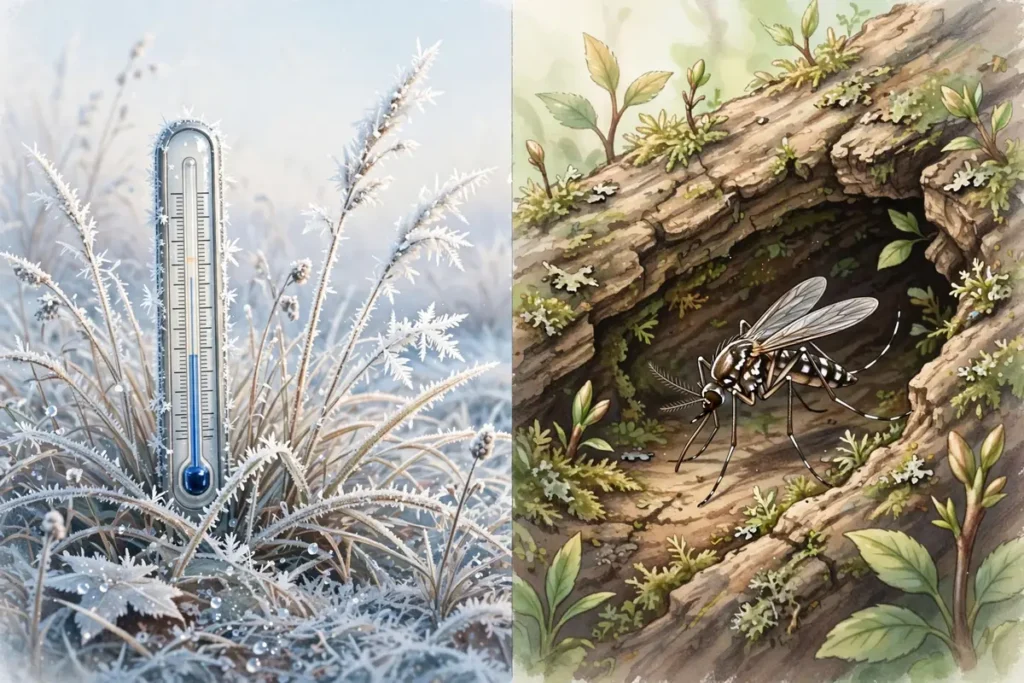
Every October, as the first frost silvers the lawn, the same hopeful question circulates: does cold weather kill mosquitoes? If you are still getting bitten in a jacket, or wondering whether winter will finally end the swarm, you want a straight answer. Here it is: cold weather kills the mosquitoes that are bothering you right now, but it does not kill the mosquito population. Frost ends the flying season, not the species. The eggs, and in some species the adult females themselves, are built to wait out winter and return in spring.
This article explains what different cold thresholds actually do, the three survival strategies mosquitoes use to overwinter, why a brutal winter never means a mosquito-free summer, and what fall yard work genuinely accomplishes. No false comfort, no doom, just the biology, and what to do with it.
Start with the mosquitoes you can see. Adult mosquitoes are cold-blooded and fragile against sustained cold. As temperatures drop below about 50°F (10°C), most species become sluggish: they fly less, feed less, and breed less. This is why bites taper off through October even before any frost, the insects are winding down, not yet dying.
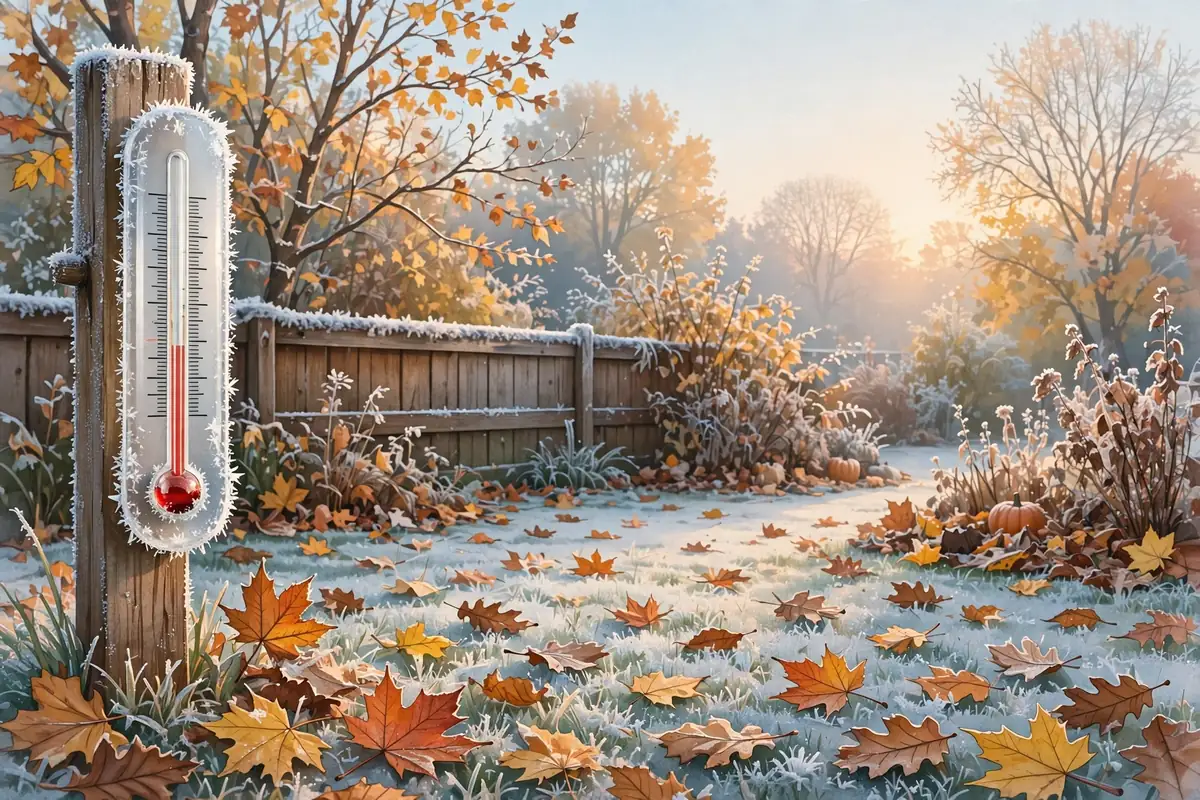
A light frost, temperatures dipping just below freezing overnight, then rebounding, kills exposed, active adults but leaves sheltered ones alive. A hard freeze, roughly 28°F (-2°C) or below sustained for several hours, kills most exposed adult mosquitoes outright. Their body fluids freeze, cell membranes rupture, and that is the end of the flying season. If you are asking why the bites stopped after the first hard freeze, this is the answer: the biting population you were dealing with is dead.
But “the biting population” and “the mosquito population” are different things, and the distinction is the entire point of this article. Killing this fall’s adults is like mowing dandelions, satisfying, visible, and completely irrelevant to what comes up in spring.
November in much of the US delivers a hard freeze followed by a 65-degree afternoon, and someone always reports a mosquito. That lone insect is not the start of a comeback. A warm spell can rouse a sheltered adult or hatch nothing at all, it cannot rebuild summer-level biting pressure, because the breeding cycle needs sustained warmth plus standing water over weeks. One mosquito on a warm November day is a curiosity. Do not restart your repellent routine over it, and do not assume the freeze “didn’t work.” It worked on the flying adults; the survivors were never flying adults to begin with.
Mosquitoes survive winter the way they survive everything else: with redundancy. Different species use different strategies, and together they guarantee that cold never sterilizes a region.
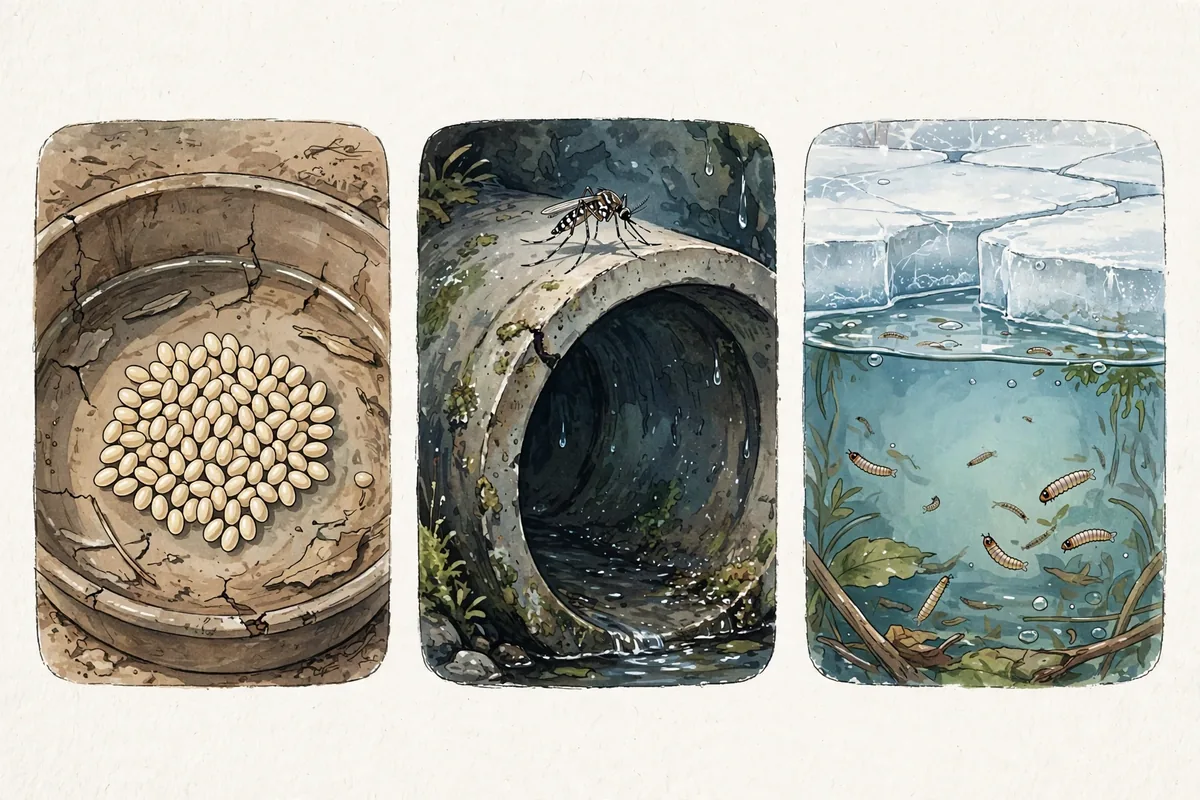
Strategy one: freeze-tolerant eggs. Many Aedes species, including aggressive biters, lay eggs designed to endure freezing and drying. These eggs enter diapause, a hormonally programmed dormancy in which development pauses entirely. They sit in soil, leaf litter, and dry containers through the winter, insulated by snow cover, and hatch within days once spring meltwater arrives and temperatures climb past roughly 50°F. Research on Aedes eggs has shown some can remain viable for months without water, waiting for the flood that triggers hatching. The adults you swatted in August are gone; their eggs are a time capsule.
Strategy two: hibernating adult females. Culex mosquitoes, the group that includes the northern house mosquito Culex pipiens, a West Nile virus vector, overwinter as mated adult females in diapause. As days shorten in fall, these females change behavior: they stop seeking blood, feed on nectar and plant sugars to build fat reserves, and tuck into sheltered spots below the frost line, culverts, storm drains, crawl spaces, hollow logs, sheds, basements, animal burrows. Their metabolism slows to a crawl. They do not need water and can persist in this state for months. When spring warms their shelter, they emerge, take a blood meal, and lay the season’s first eggs. Scientific American’s entomology coverage notes that Culex pipiens enters diapause specifically in the adult stage, and only the females survive, the males, having mated in fall, die off.
Strategy three: overwintering larvae. A few species ride out winter as larvae in water that never fully freezes, deep ponds, marshes, slow streams, slowing their metabolism under the ice until spring thaw. This is the least common strategy in the US, but it exists, and it means even the aquatic stages are not universally wiped out.
| Species group | Overwintering stage | Where they hide | Spring comeback speed |
|---|---|---|---|
| Aedes (floodwater/day biters) | Eggs in diapause | Soil, leaf litter, dry containers | Fast, hatch with first warm rains |
| Culex (house mosquitoes, dusk biters) | Mated adult females in diapause | Culverts, basements, sheds, hollow logs | Moderate, emerge, feed, then lay eggs |
| Anopheles | Varies by species/region | Sheltered adults or larvae | Moderate |
| Culex pipiens molestus (underground form) | Active year-round indoors | Sewers, subways, basements | No winter pause at all |
That last row deserves attention: in some cities, notably documented in New York, an underground-adapted form of Culex pipiens breeds through winter in warm subterranean spaces without diapause, biting people indoors in the cold months. If you are getting bitten in January in an apartment building, you may be meeting this form, and no amount of outdoor frost affects it.
It feels intuitive that a brutal winter should mean a gentle summer. The biology says otherwise. Eggs in diapause are insulated by snow and soil; a winter that is cold but snowy can protect eggs better than a milder, bare-ground winter with repeated freeze-thaw cycles that damage them. What actually predicts summer mosquito pressure is spring and summer conditions: rainfall creating breeding habitat, sustained warmth accelerating the life cycle, and the timing of the first warm rains.
This is worth internalizing because it changes planning. Hoping winter handles mosquitoes is a passive strategy built on a false mechanism. The active strategy, eliminating breeding habitat in your own yard, works regardless of what winter did, and fall is actually the ideal time to start it, as the next section explains.
Deep snow is a blanket. Eggs tucked under a foot of snow experience far steadier, milder temperatures than eggs on bare ground exposed to wind and freeze-thaw swings. Some of the worst mosquito summers follow the coldest, snowiest winters, because the snow protected the egg bank while spring meltwater provided perfect hatching floods. Counterintuitive, but well documented in vector biology. The takeaway is not to dread snow, it is to stop using winter as a forecasting tool.
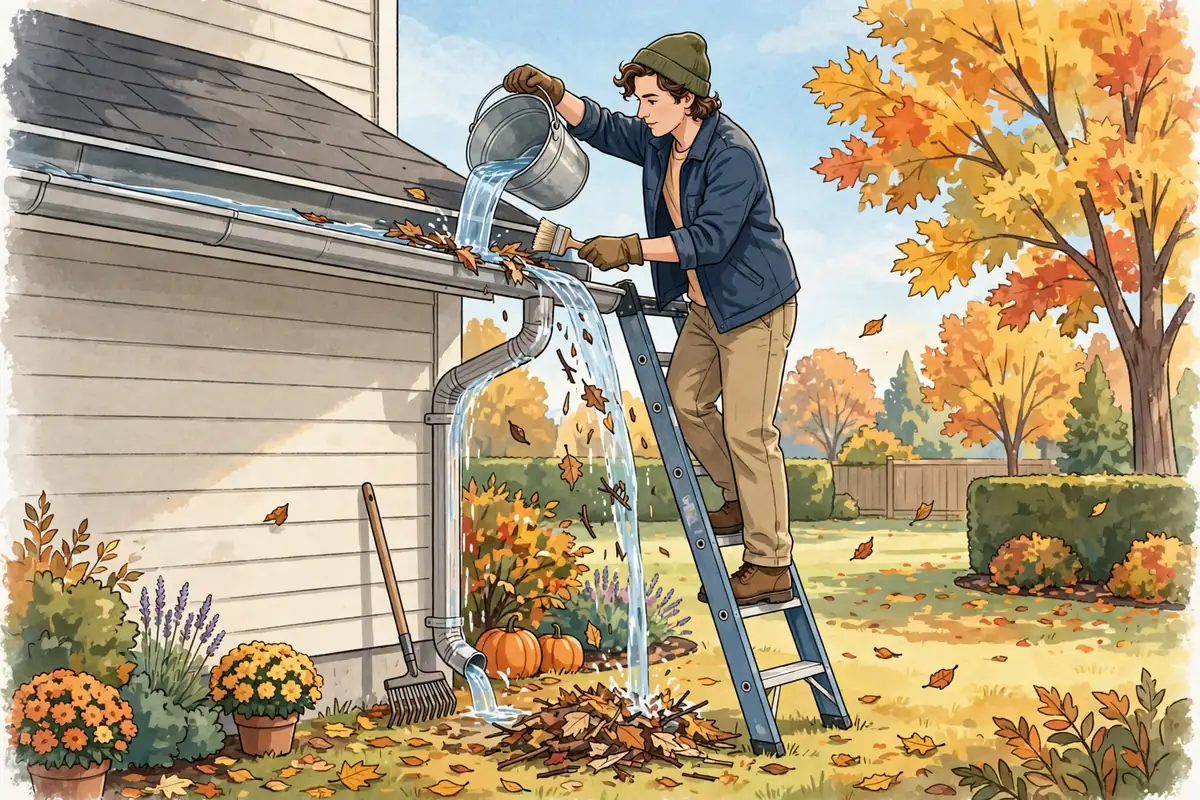
Here is where the honest verdict turns practical. Fall cleanup cannot kill overwintering eggs or diapausing females in any meaningful way, they are designed to survive exactly this. But fall cleanup absolutely reduces next spring’s mosquito pressure, through a different mechanism: habitat denial.
Tip, toss, and cover. Walk the yard and empty everything that holds water: buckets, plant saucers, toys, tarps with folds, wheelbarrows, trash can lids. Aedes mosquitoes lay their overwintering eggs in exactly these dry containers, so a container you empty and store upside-down in October is a container that cannot hatch a brood in April. This is the single highest-value fall action.
Clean the gutters. Clogged gutters are perennial mosquito nurseries, damp, organic, undisturbed. Fall leaf drop makes October the moment they clog. Clean gutters deny both fall breeding and spring hatching habitat.
Refresh birdbaths and pet bowls, then store them. Anything you will not use over winter should be emptied and stored dry. Anything in use should be scrubbed weekly; the scrubbing matters because Aedes eggs stick to container walls above the waterline and survive drying.
What cleanup cannot do. It cannot reach eggs already laid in soil and leaf litter, cannot evict diapausing Culex females from the storm drain, and cannot change your region’s spring rainfall. Think of fall cleanup as shrinking next year’s starting lineup, not canceling the season. Combined with spring vigilance, the same walk repeated as temperatures rise, it is the most effective homeowner-level mosquito strategy that exists. For keeping them out of the house and yard through every season, see our home and yard bite prevention guide.
Check the basement, crawl space, and garage in fall. If Culex females are going to overwinter in your structures, this is when they move in. Seal obvious entry points, gaps around pipes, torn screens, ill-fitting doors, and you reduce both the overwintering shelter and next spring’s first indoor generation. It is pest exclusion, not extermination, and it works on the same principle as the yard work: deny the habitat.
There are narrow cases where cold genuinely suppresses mosquitoes beyond the current season. An early, severe freeze before females have entered diapause or laid their full egg complement can cut the overwintering bank. Prolonged deep cold without snow cover on bare ground can reduce egg viability. And in regions at the edge of a species’ range, where a tropical species like Aedes aegypti pushes north, a hard winter can locally eliminate a population that has not evolved diapause for that climate. These are real effects, but they are exceptions and range-edge phenomena, not the rule for established temperate mosquito populations. Do not plan around them.
Late-season bites deserve the same respect as summer ones. See a clinician promptly if you notice:
Mosquito-borne illness does not check the calendar: West Nile virus transmission continues as long as Culex mosquitoes are active, which in warm falls means well into October and beyond. Keep using repellent on warm fall evenings; our insect repellent safety guide covers how to choose and use them safely. And if you want the full picture of biting behavior through the seasons, our mosquito bites hub has the breakdown.
Will one hard freeze end mosquito season?
It ends the biting from the current adult population, exposed adults die, and bites drop sharply. But it does not end the season’s underlying biology: diapausing eggs and sheltered females survive, and a later warm spell can still produce isolated activity. Think of the hard freeze as the end of the current chapter, not the end of the book. True season’s end is sustained cold plus the diapause transition, which is why bites fade gradually through fall rather than stopping on a single night.
Why am I still getting bitten in October?
Because “cold” is not one thing. Daytime highs in the 60s still permit feeding, sheltered microclimates (sun-warmed walls, compost piles, dense shrubs) stay warm after the air cools, and some species feed aggressively in fall before diapause, females taking final blood meals before winter. If October evenings are still mild where you are, keep the repellent handy. Our mosquito bites hub explains the seasonal behavior shift in more detail.
Can mosquitoes survive being frozen solid?
Active adult mosquitoes cannot, freezing ruptures their tissues. But diapausing eggs and diapausing adult females are not “frozen solid” in the relevant sense: eggs are in a dehydrated, dormant state that tolerates freezing, and females shelter below the frost line where temperatures stay moderated. Survival is about avoiding the freeze, not enduring it, through dormancy plus shelter. That is why the yard looks lifeless in January and hums in May.
Does a snowy winter mean fewer mosquitoes next summer?
Not reliably, sometimes the opposite. Snow insulates overwintering eggs from temperature swings, protecting the egg bank. Summer mosquito pressure tracks spring rainfall and summer warmth far more closely than winter severity. A cold, snowy winter followed by a wet, warm spring is the classic recipe for a heavy mosquito year. Watch the spring rains, not the winter thermometer.
Should I stop using repellent after the first frost?
Scale back, but do not retire it on the first frosty morning. Light frosts kill exposed adults while sheltered ones persist, and warm fall afternoons can still bring bites. Keep repellent available until daytime highs stay consistently below about 50°F and nighttime lows stay below freezing for a stretch, and even then, keep it handy for unseasonably warm days and for travel to warmer regions. The calendar is a worse guide than the thermometer.
Medically reviewed by Dr. Sarah Jones, MD.
This article is for informational purposes only and isn’t medical advice. If you’re worried about a bite or sting, talk to a healthcare professional.
Dr. Jones oversees StingHelp’s clinical verification process. Every guide is systematically evaluated against active Centers for Disease Control and Prevention (CDC), Environmental Protection Agency (EPA), and American Academy of Allergy, Asthma & Immunology (AAAAI) medical consensus standards to ensure symptom distinctions and care recommendations are clinically sound.
Explore physician-reviewed first-aid procedures, identification clues, and symptom comparisons for other common outdoor bites and stings.
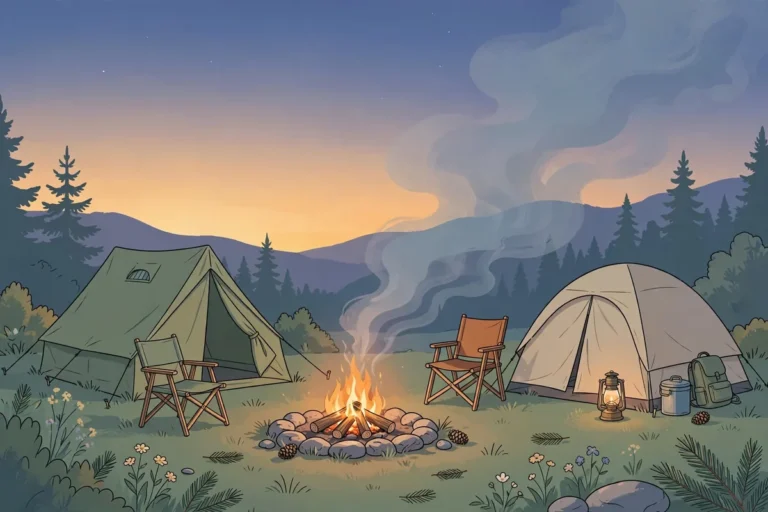
It is one of the oldest debates at any campsite: as the sun drops and the mosquitoes rise, someone gestures at the campfire and…
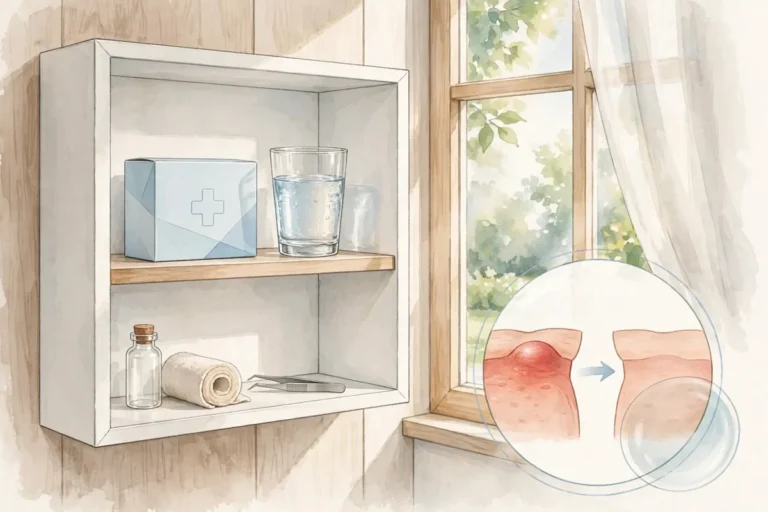
You are covered in itchy mosquito welts, and someone suggests an allergy pill. The question do antihistamines help mosquito bites comes up every summer…
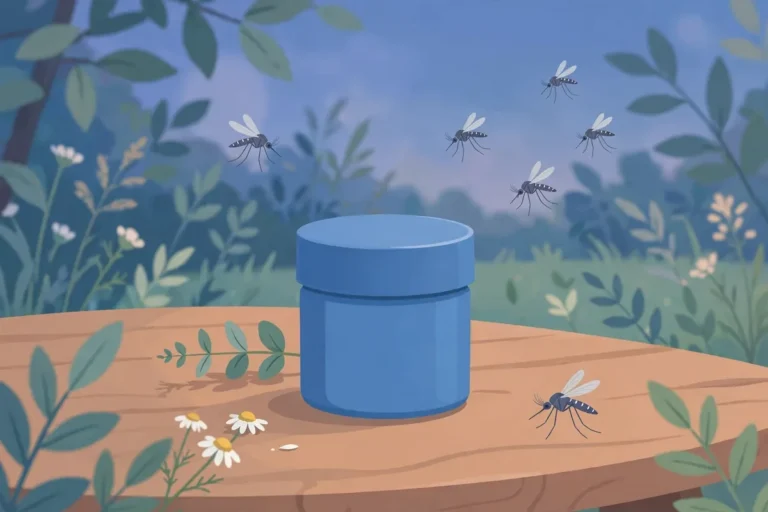
Rub a dab of Vicks VapoRub on your wrists and ankles before heading outside, and mosquitoes will leave you alone. The advice appears on…