
No-See-Um Bites vs Flea Bites: Key Differences
# No-See-Um Bites vs Flea Bites: Key Differences If your ankles and lower legs are covered in clusters of intensely itchy red welts and…
Introduction: The Short Answer Crab lice and head lice are two different types of lice that live on different parts of the body, and location is usually the fastest clue…

Crab lice and head lice are two different types of lice that live on different parts of the body, and location is usually the fastest clue to which one you are dealing with. Head lice live mainly on the scalp and in scalp hair, where they feed and lay eggs attached to hair shafts close to the scalp. Crab lice, also called pubic lice, live mainly in coarse body hair, most often pubic hair, and they can also be found in other coarse hair such as chest hair, armpit hair, facial hair, eyelashes, and eyebrows. The two parasites look different, move differently, and are treated with products and routines that are not always interchangeable, so identifying the right one matters before you start treatment.
If you have itching and you can see tiny insects or eggs in scalp hair only, head lice are the more likely explanation. If itching and tiny insects or eggs are mainly in pubic or other coarse body hair, crab lice are the more likely explanation. That simple location rule covers most cases, but it is not perfect on its own. A person can have both types at the same time, and crab lice can sometimes appear in eyebrows or eyelashes, which can be confusing. This guide walks through appearance, eggs, symptoms, spread, checking, treatment, and prevention in plain language, so you can tell the two apart, avoid common mistakes, and know when to get medical advice.
Both conditions are common, treatable, and not a sign of poor hygiene on their own. Lice do not jump or fly, and they do not live for long away from a human host. With careful checking, the correct product used exactly as directed, and attention to close contacts and bedding or clothing when relevant, most infestations clear without lasting problems. The sections below give you a practical comparison first, then deeper detail on each type, so you can read the quick answer now and return to the detail when you need it.
The table below summarizes the main differences. Use it as a starting point, then read the detailed sections for the clues that apply to your situation.
| Feature | Crab Lice | Head Lice |
|---|---|---|
| Main location | Pubic hair and other coarse body hair | Scalp hair |
| Body shape | Short, broad, crab-like body with strong claws | Longer, slimmer, more elongated body |
| Size | Very small, about the size of a pinhead | Small, about the size of a sesame seed when adult |
| Eggs (nits) | Attached to coarse hair shafts | Attached to scalp hair shafts close to the scalp |
| Main symptom | Itching in the affected body hair area | Itching of the scalp, often behind ears and at the nape |
| How they spread | Mainly through close body contact and shared bedding or clothing in some cases | Mainly through direct head to head contact and shared hair items in some cases |
| First treatment step | Identify the affected area and use a product approved for that area, exactly as directed | Use a head lice treatment on scalp hair, exactly as directed, plus careful combing |
| Check close contacts | Yes, especially intimate contacts and household members | Yes, especially household members and close head to head contacts |
If the table alone does not settle it, the next sections explain why each difference matters and what to look for during a careful check.
Crab lice are tiny parasitic insects that live on coarse human hair and feed on blood. They are sometimes called pubic lice because pubic hair is the most common location. Their scientific name is rarely needed for everyday identification, and the common name comes from their broad body shape and clawed legs, which help them grip coarse hair shafts firmly. They move slowly compared with head lice, and they tend to stay close to the skin surface where they feed.
Adult crab lice are very small and can be hard to see without close inspection and good light. They have a short, wide body and six legs, with the back legs larger and claw-like for gripping hair. Their color can blend with skin and hair, which is one reason they are often noticed first through itching rather than by sight. Eggs, called nits, are tiny oval structures attached firmly to hair shafts. They do not brush off easily, which helps distinguish them from dandruff or lint, which usually move or flake away with light touch.
The life cycle follows the familiar lice pattern of egg, nymph, and adult stages. Nymphs hatch from eggs and grow through stages before becoming adults that can lay more eggs. Because eggs can survive treatment that kills live lice, most treatment plans include a second step or a repeat check after a set number of days, exactly as the product instructions direct. Finding live lice after treatment does not always mean the first treatment failed, but it does mean you should recheck carefully and follow the product guidance or seek advice rather than repeating strong products on your own schedule.
Crab lice prefer coarse hair. Pubic hair is the usual site, but they can also live in chest hair, armpit hair, leg hair in some cases, beard or mustache hair, eyebrows, and eyelashes. They are not typically found in fine scalp hair in the same way head lice are, although overlap can occur. If you find lice in both scalp hair and pubic hair, do not assume a single treatment will cover both areas. Products approved for scalp use are not always safe for other areas, and products for pubic lice are not always suitable for scalp use. Area matters for safety, especially near the eyes, where special care and medical advice are essential.
For more help comparing biting pests by appearance and location, see our guide on bed bug vs spider bites. It shows how location and bite pattern can narrow down an identification, a method that also helps with lice.
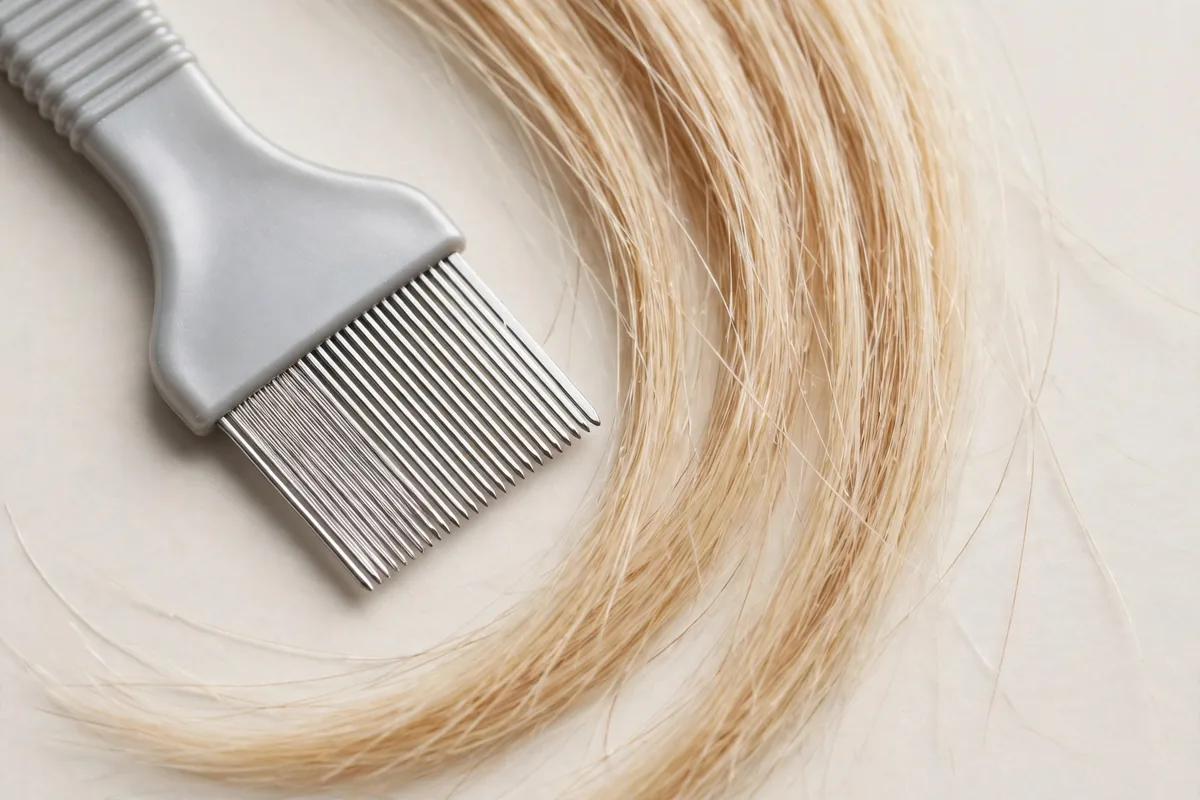
Head lice are tiny parasitic insects that live on the human scalp and in scalp hair. They are a common childhood issue, but adults can get them too, especially through close household contact. They do not carry the same health risks as some other parasites in most settings, but they cause itching, sleep disturbance, and a great deal of worry, and they require careful treatment and checking of close contacts to prevent reinfestation.
Adult head lice are small, wingless insects with elongated bodies. They are often described as about the size of a sesame seed, although newly hatched nymphs are smaller and harder to spot. They move fairly quickly through hair, which is one reason a visual check alone can miss them. They are usually grayish or tan in color, and their color can vary with feeding and lighting. Eggs are attached to individual hair shafts very close to the scalp, especially around the ears and the back of the neck. Empty egg casings can remain attached as hair grows out, so finding an old casing farther from the scalp does not always mean there is an active infestation.
Like crab lice, head lice go through egg, nymph, and adult stages. Treatment plans often include combing with a fine-toothed comb, repeat treatment, or both, depending on the product. Combing matters because it physically removes lice and eggs and helps you monitor whether live lice remain. A single quick shampoo without combing and follow-up checking is a common reason people think treatment failed when, in fact, the follow-up step was missed.
Head lice live on the scalp and in scalp hair. They stay close to the scalp for warmth and feeding, and they are most often found behind the ears, at the temples, and at the nape of the neck. They do not normally live on other body hair, in bedding for long periods, or on pets. Pets do not spread human head lice, and treating pets is not part of head lice care. If lice are found mainly on the body rather than the scalp, head lice are less likely to be the full explanation, and a broader check of coarse body hair is sensible.
Location is the strongest clue, but several other differences help when location is unclear or when both types could be present.
Head lice prefer scalp hair, which is generally finer and denser. Crab lice prefer coarse hair, which gives their claws a better grip. That preference explains why the two types rarely swap places in a simple way. If you find insects in scalp hair after close head to head contact with someone who has head lice, head lice fit the pattern. If you find insects in pubic hair after close body contact, crab lice fit the pattern. When lice appear in eyebrows or eyelashes, get medical advice promptly rather than trying to guess, because treatment near the eyes needs special care.
Crab lice look broader and more crab-like, with strong claws that hold coarse hair tightly. They move slowly and tend to stay in one area. Head lice look slimmer and more elongated, and they move more quickly through scalp hair. In practice, most people will not be able to judge species by body shape alone without magnification and experience, so shape is a supporting clue rather than a deciding test. Good light, a magnifier if available, and a fine-toothed comb for head lice checks will help more than trying to identify a single insect by shape at a glance.
Both types lay eggs attached to hair shafts, and both types of eggs are hard to remove. Head lice eggs are usually found very close to the scalp, within a short distance of the skin, when the infestation is active. Crab lice eggs are attached to coarse hair shafts in the affected area. Dandruff, dry skin flakes, and hair product residue can look similar at first, but they usually flake or slide off easily, while nits stay firmly attached and require pulling or combing to remove. If you are unsure, a careful combing check and a follow-up check a few days later are more useful than a single glance.
Itching is the most common symptom for both types, and it comes from the body’s reaction to lice feeding, not from dirt or poor hygiene. Head lice itching is usually on the scalp, often worse behind the ears and at the back of the neck, and it can disturb sleep. Crab lice itching is usually in the affected body hair area and can be intense, especially at night. Some people have little or no itching at first, so lack of itching does not rule out lice. Redness, small bumps, or scratch marks can appear in the affected area, and repeated scratching can lead to skin irritation or secondary skin infection, which is one reason early checking and gentle skin care matter.
Head lice spread mainly through direct head to head contact, when hair touches long enough for lice to crawl from one head to another. Shared combs, brushes, hats, or headphones can play a smaller role in some cases, but head to head contact is the main route. Crab lice spread mainly through close body contact, including intimate contact, and they can also spread in some cases through shared bedding, towels, or clothing used very recently. Neither type jumps or flies. Casual contact across a room, or brief contact without hair or body contact, is not a typical route. Understanding the route helps you decide who else to check: for head lice, check household members and close head to head contacts; for crab lice, check intimate contacts and household members, and consider bedding and clothing steps as directed.
For general first aid and care steps after bites from other outdoor pests, our guide on effective treatment for spider bites explains careful skin checking, cleaning, and monitoring habits that also apply when skin has been scratched or irritated.
A calm, systematic check is better than a rushed glance. Work in bright light, and use a magnifier if you have one. For scalp checks, divide hair into small sections and look closely at the scalp, behind the ears, and at the nape. Wet combing with conditioner and a fine-toothed lice comb can make head lice easier to find, because lice move more slowly on wet hair and the comb catches them. Wipe the comb on a light tissue or paper after each pass so you can see what you removed.
For body hair checks, look closely at the affected area in good light, and check for tiny insects clinging to hair shafts and for eggs attached to hairs. Do not rely on itching alone. Check close contacts as well, with their consent and privacy respected, because lice often affect more than one person in a household or close contact group. If you find lice in eyebrows or eyelashes, or if you are unsure what you found, seek medical advice before applying any product near the eyes.
Keep notes of what you found, where you found it, and when you treated. That simple record helps you judge whether follow-up treatment is working, and it helps a clinician if you seek advice later. Avoid sharing combs, brushes, hats, or towels during the checking and treatment period, and wash items that may have been shared recently according to product and laundry guidance.

Treatment depends on the type of lice and the area involved, so do not swap products between areas without checking the label. Use only products approved for the specific area and age group involved, and follow the instructions exactly, including timing, rinsing, and any repeat treatment. More product, longer application, or more frequent use than directed does not make treatment safer or more effective, and it can irritate skin.
Head lice treatments sold over the counter are designed for scalp use. They are often used together with fine-toothed combing to remove lice and eggs. After treatment, check again on the schedule the product recommends, and repeat treatment if the label directs it. If live lice remain after correct use, or if the problem keeps returning, seek medical advice about prescription options or alternative approaches rather than cycling through many products on your own. Avoid home remedies that involve harsh chemicals, flammable substances, or products not meant for skin or hair, because they can injure skin and hair without reliably killing lice.
Crab lice treatments are chosen for the affected body area. Follow the product label for that area exactly, and pay attention to warnings about sensitive skin and mucous membranes. Laundering bedding, towels, and clothing used recently can be part of the plan, following washing guidance for those items. Intimate contacts and household members may need checking and treatment as well, and guidance about avoiding close body contact until treatment is complete helps prevent reinfestation. If lice are in eyelashes or eyebrows, do not apply scalp or body lice products near the eyes without medical advice, because eye-safe care is different.
Washing bedding, towels, and recently worn clothing in hot water and drying on high heat, where fabric care allows, is a standard supportive step. Items that cannot be washed can often be sealed in a bag for a period recommended by health guidance, or handled according to product instructions. Thorough house cleaning beyond normal vacuuming and laundry is usually not needed, because lice do not survive long away from a human host and do not infest homes in the way some other pests do. Focus effort on people, hair, and recently shared items rather than on whole-house spraying, which is not a recommended lice treatment.
Do not use pet treatments, household insecticides, kerosene, or other harsh chemicals on people. Do not apply lice products to broken skin beyond label guidance, and do not treat infants, young children, pregnant people, or people with medical conditions without checking age and safety guidance or seeking medical advice. Do not shave hair as a first resort unless a clinician advises it, because shaving does not address eggs in remaining stubble or the need to check contacts, and it can cause distress, especially for children. Gentle skin care, avoiding scratching, and keeping nails short can reduce skin irritation while treatment works.
Prevention is mostly about reducing the close contact routes that lice use. For head lice, avoid prolonged head to head contact during play, photos, or sleepovers when lice are known to be present, and avoid sharing combs, brushes, hats, hair accessories, and headphones. Teach children not to share hair items, but do so without stigma, because head lice are common and treatable. Regular checks during school outbreaks or after a known exposure help catch new cases early, when treatment is simpler.
For crab lice, prevention centers on close body contact and shared personal items. Avoid intimate contact until treatment is complete and contacts have been checked, and avoid sharing towels, bedding, or clothing during the treatment period. Laundering items used recently supports prevention. Open, private communication with contacts matters here: telling a close contact that they should check and, if needed, treat protects them and reduces the chance of reinfestation for everyone involved.
In both cases, early checking beats late treatment. A quick check after a known exposure, followed by correct treatment if lice are found, prevents weeks of itching and repeated cycles. Keep a fine-toothed comb at home if head lice are a recurring concern in your household or school community, and keep lice product instructions after treatment so you can follow the repeat schedule correctly.
One common mistake is treating for head lice when the problem is actually crab lice, or the reverse, and then concluding that treatment does not work. Location should guide product choice. Another mistake is stopping after one treatment without combing or follow-up checking, which leaves eggs to hatch and restart the cycle. A third mistake is treating everyone in a household without checking first, which can expose people to products they do not need. Check first, treat those who need it, and recheck on schedule.
Another mistake is confusing nits with dandruff and treating dandruff as lice, or dismissing real nits as dandruff. The firm attachment test helps: dandruff usually flakes away easily, while nits stay attached to the hair shaft. Old empty casings farther from the scalp can also cause confusion after successful treatment. If you see only old casings and no live lice, and itching has settled, monitoring may be enough, but when in doubt, a follow-up check or clinician advice is safer than repeated treatment.
Finally, do not ignore the emotional side. Lice cause embarrassment, especially for children and for adults dealing with pubic lice. Use neutral, factual language, protect privacy, and avoid blaming language. Lice affect people across all backgrounds and hygiene levels, and prompt, private, correct treatment is the helpful response.

Seek medical advice promptly if you notice any of the following red flags or concerns. This section is not a diagnosis, and it does not replace professional care, but it can help you decide when to get help sooner rather than later.
Seek care promptly if lice are in the eyelashes or eyebrows, because eye-area treatment needs special guidance. Seek care if there is spreading redness, increasing pain, warmth, swelling, pus, or fever, which can suggest a secondary skin infection from scratching. Seek care if itching is severe, does not improve after correct treatment, or keeps returning despite careful treatment and contact checking. Seek care if you are unsure whether you have lice at all, or whether the problem might be another skin condition, such as eczema, dermatitis, or another infestation that looks similar.
Also seek advice before treating infants, young children, pregnant or breastfeeding people, or people with scalp or skin conditions, allergies, or immune concerns, because product safety and age limits matter. Seek urgent care if there is eye pain, vision change, or eye redness with eyelash lice, or if a child develops a high fever, rapidly spreading rash, or signs of serious illness. For life-threatening symptoms such as trouble breathing or fainting, call 911. When in doubt, a clinician can confirm the identification, recommend a safe product for the area and age involved, and check for skin infection or another condition that needs different care.
Can a person have both crab lice and head lice at the same time? Yes, it is possible, although it is not the usual pattern. Because the two types prefer different hair types and spread through different contact routes, a person could have both after separate exposures. If you find lice in both scalp hair and coarse body hair, treat each area with the correct product for that area, check close contacts for both types, and seek medical advice if you are unsure how to manage both safely.
Are crab lice and head lice the same insect? No. They are different types of lice adapted to different hair types and body areas. Head lice live on the scalp, while crab lice live mainly on coarse body hair. They look different, move differently, and need area-appropriate treatment. Treating one as if it were the other can lead to ineffective treatment or unsafe product use, especially near sensitive areas.
Do crab lice only spread through intimate contact? Close body contact, including intimate contact, is the main route, but shared bedding, towels, or clothing used very recently can play a role in some cases. That is why checking intimate contacts and household members, and laundering recently used bedding and clothing, are part of a careful plan. Open, private communication with contacts helps prevent reinfestation.
Can head lice jump, fly, or live on pets? No. Head lice do not jump or fly, and they crawl from head to head during direct contact. Pets do not carry or spread human head lice, so treating pets is not part of head lice care. Focus on human heads, hair items, and close head to head contacts.
How do I tell nits from dandruff? Nits are firmly attached to individual hair shafts and do not brush or flake away easily. Dandruff and dry skin flakes usually move, flake, or slide off with light touch. If you find oval structures glued to hairs close to the scalp or in coarse body hair, and they resist gentle pulling, nits are more likely. A combing check and follow-up check help confirm whether live lice are present.
How long do lice survive away from a person? Lice do not survive long away from a human host, usually only a short time without feeding. That is why whole-house spraying is not recommended, and why effort is better spent on people, hair, and recently shared items. Laundering bedding, towels, and recently worn clothing supports treatment, but normal cleaning is usually enough beyond that.
Should I treat everyone in the household just in case? Check everyone first, then treat only those who have lice, following product age and area guidance. Treating people without lice exposes them to products they do not need and does not prevent future exposure. Recheck household members on the product schedule, and repeat checks after known exposures, especially for head lice in school or household outbreaks.
This article is for general information only and is not medical advice. It does not diagnose, treat, or replace professional care for any person. Lice identification and treatment depend on age, health, pregnancy, allergies, the area involved, and other factors that only a qualified clinician can assess in person. Always read product labels fully, follow age and area directions, and seek medical advice if you are unsure, if symptoms worsen, or if any red flag in the When to See a Doctor section applies. If you think you may have a serious skin infection or an eye problem, seek care promptly.
This content is medically reviewed by Dr. Sarah Jones, MD, for general accuracy. Review does not mean this article can diagnose your situation. For personal advice, please consult a qualified healthcare professional.
Readers seeking authoritative detail can consult CDC and MedlinePlus guidance on head lice and pubic lice, and American Academy of Dermatology guidance on lice identification and treatment. Product-specific directions always come from the product label for the area and age group involved.
Dr. Jones oversees StingHelp’s clinical verification process. Every guide is systematically evaluated against active Centers for Disease Control and Prevention (CDC), Environmental Protection Agency (EPA), and American Academy of Allergy, Asthma & Immunology (AAAAI) medical consensus standards to ensure symptom distinctions and care recommendations are clinically sound.
Explore physician-reviewed first-aid procedures, identification clues, and symptom comparisons for other common outdoor bites and stings.
# No-See-Um Bites vs Flea Bites: Key Differences If your ankles and lower legs are covered in clusters of intensely itchy red welts and…

A big brown spider darts across the lawn, or freezes on your hallway floor, and the question hits instantly: grass spider vs wolf spider,…

# Pavement Ant vs Fire Ant: Sting Risk Compared You spot small ants trailing along your sidewalk and a little mound of soil in…