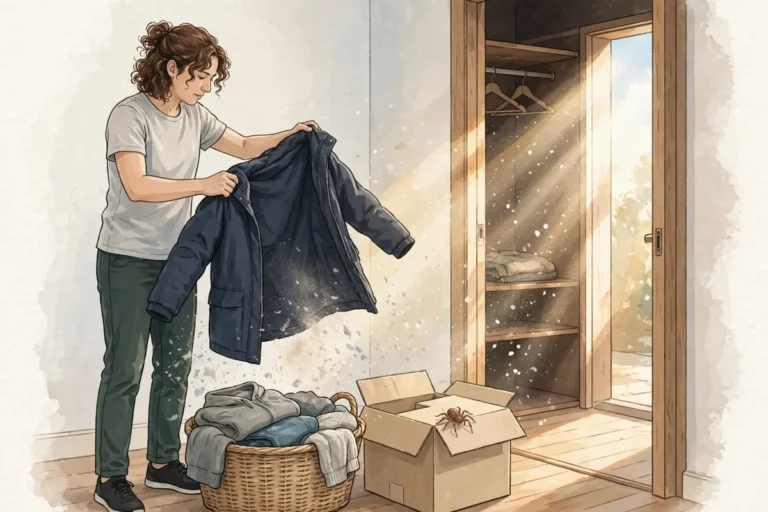
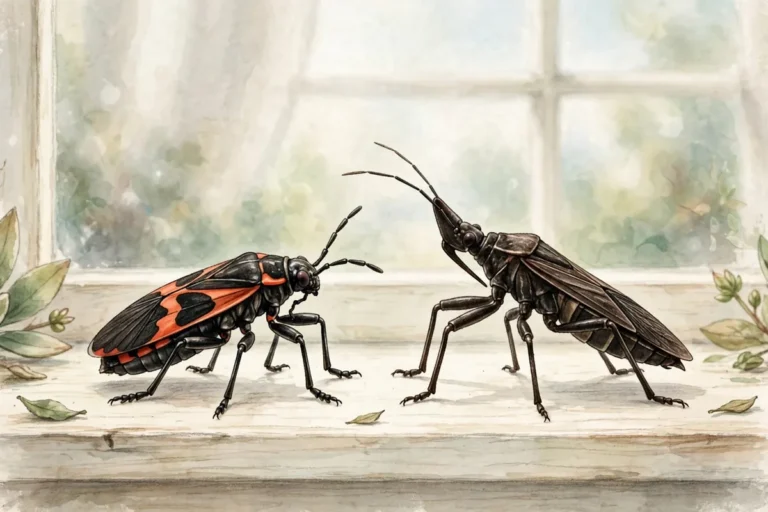
October is patio winterizing month. Cushions come off the chairs, the grill gets its cover, the umbrella folds into the shed, and the whole setup that baked in the sun all summer goes into dark, quiet storage for six months. That is also when homeowners meet the season’s most notorious spider. The risk of black widow spiders in stored patio furniture fall encounters is not about spiders hunting people. It is about people reaching into the exact dark, undisturbed spaces female black widows have been using all summer, and pressing a hand onto a spider that would rather flee than fight.
Black widows have an outsized reputation, but the practical guidance from poison centers is calm and specific: do not handle them, inspect before you carry, and know the symptoms that warrant a call. This guide covers where widows hide in patio gear, how to identify them, the step-by-step inspection protocol for winterizing, smarter storage that prevents next year’s problem, bite first aid, and the warning signs that mean medical care.
October Patio Winterizing Is the Exposure Moment
Black widow spiders favor dark, moist, undisturbed places: woodpiles, sheds, under porches, meter boxes, and basements. A stack of patio cushions in a shed checks every box. The spiders build messy, irregular webs in the gaps between stacked items and settle in for weeks at a time. Poison centers note that in fall, widows may also seek indoor warmth or get carried inside accidentally with firewood and stored items.
The encounters follow a pattern. A homeowner lifts a stack of cushions and a spider is pressed between hand and fabric. Someone reaches under a grill cover to grab the propane connection. A folded umbrella comes out of the shed and a web tears. In each case the bite is defensive, delivered because the spider felt crushed or trapped. Poison-center guidance notes that female black widows usually try to escape first and bite only when they feel they or their egg sacs are under attack.
Understanding this pattern is what makes prevention simple. The spider does not want the encounter either, so the entire strategy is about not surprising one with your bare hands.
Where Widows Hide in Patio Gear
Walk your patio with fresh eyes before you start hauling things into storage, and check these spots first.
Cushions and Pillows
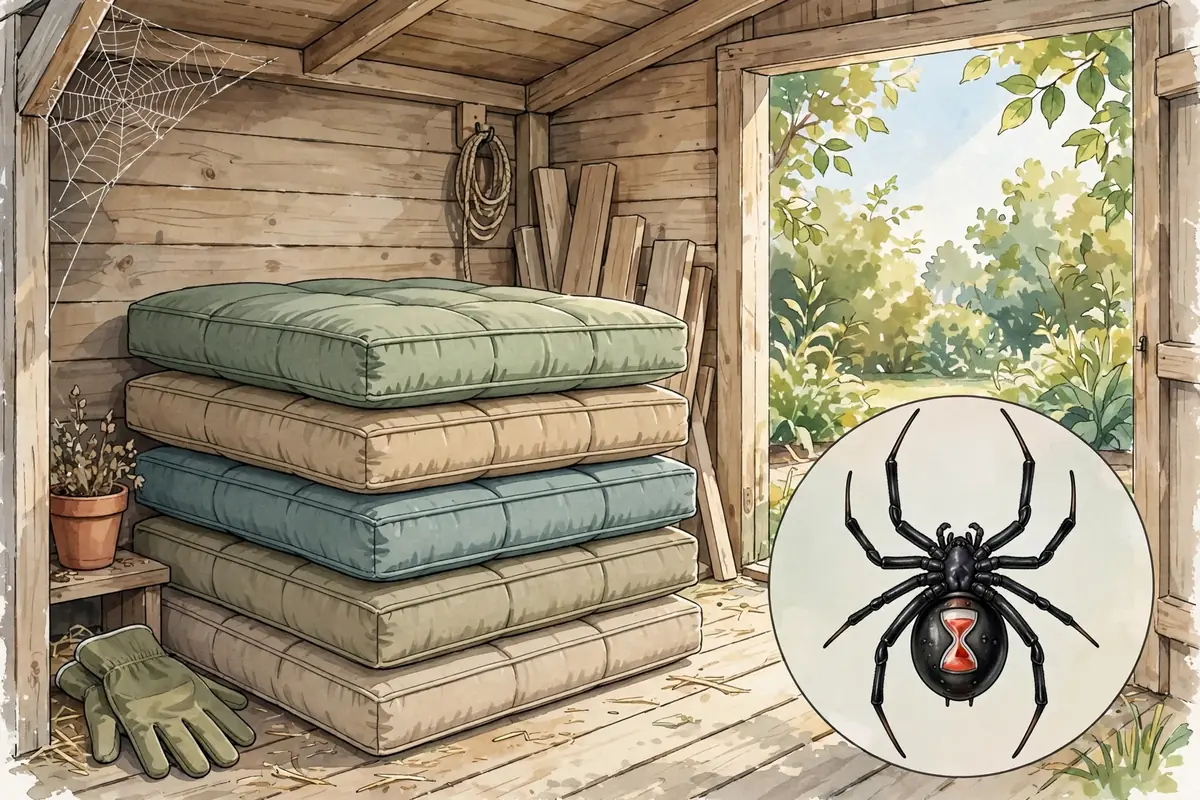
Stacked cushions are the classic widow habitat: dark, layered, and undisturbed for months. Webs get built in the crevices where cushions meet. Check the undersides and the gaps between stacked pieces before lifting the pile.
Grill Covers and Cabinets
The space under a grill cover stays dark and warm, and spiders web the corners around the legs and the propane area. Storage cabinets on outdoor kitchen islands are the same story. Lift covers slowly from one side and look before reaching underneath.
Folded Umbrellas and Furniture Frames
A folded patio umbrella is a long, dark tube, ideal shelter. Shake it out and inspect it before carrying it into the shed. Chair and table frames with hollow tubing or layered slats also collect webs in the joints.
Sheds, Deck Boxes, and Woodpiles
The storage destination itself is habitat. Sheds with cluttered corners, deck boxes that sat closed all summer, and firewood stacked against the house all host widows. Pest-management guidance commonly recommends storing firewood at least 20 feet from the house on a raised rack, partly for this reason.
Wear gloves for all of this work. Gloves will not make you invincible, but they turn a direct hand-to-spider press, the mechanism of most bites, into a far less dangerous encounter.
How to Identify a Black Widow
Positive identification matters because several harmless spiders get mistaken for widows, and because the real one deserves respect rather than panic.
The adult female is the one that bites. She is glossy black all over, up to about an inch and a half long including legs, with a bright red or orange hourglass shape on her underside. Note the location: the hourglass is underneath the abdomen, so you see it when the spider hangs upside down in her web, not from above. Males are smaller, duller, and harmless. Her web is the other tell: messy, irregular, and tangled, unlike the neat orb webs of garden spiders.
| Feature | Black Widow (female) | Brown Widow | False Widow |
|---|---|---|---|
| Color | Glossy black | Mottled brown and tan | Dark brown, less glossy |
| Marking | Red/orange hourglass underneath | Orange hourglass underneath | Faint markings or skull-like pattern on top |
| Web | Messy, irregular tangle | Messy tangle, often with spiky egg sacs | Messy cobweb |
| Bite concern | Yes, neurotoxic venom | Milder, less dangerous | Rarely bites, mild effects |
| Size | Up to 1.5 inches with legs | Similar | Smaller |
Never handle a spider to check the hourglass. Observe from a safe distance with a flashlight. If you find a spider you believe is a black widow in your patio gear, leave it alone and deal with the web and the item using the protocol below. Identification from a photo, taken at a safe distance, is enough for a pest professional or extension office to confirm.
The Inspect-Before-You-Carry Protocol
This is the patio equivalent of the shake-out rule, and it prevents the vast majority of encounters.
Gear Up First
Put on sturdy work gloves and long sleeves before touching stored or stacked patio items. Check the gloves themselves before putting them on, since gloves left in the shed can harbor a spider too.
Look, Then Lift
Before lifting any cushion, cover, or stacked item, inspect the underside and the gaps around it with a flashlight. Look for the messy webbing that signals widow presence. Lift from one edge slowly rather than grabbing the middle with both hands, which maximizes the chance of pressing a spider.
Shake Everything Outdoors
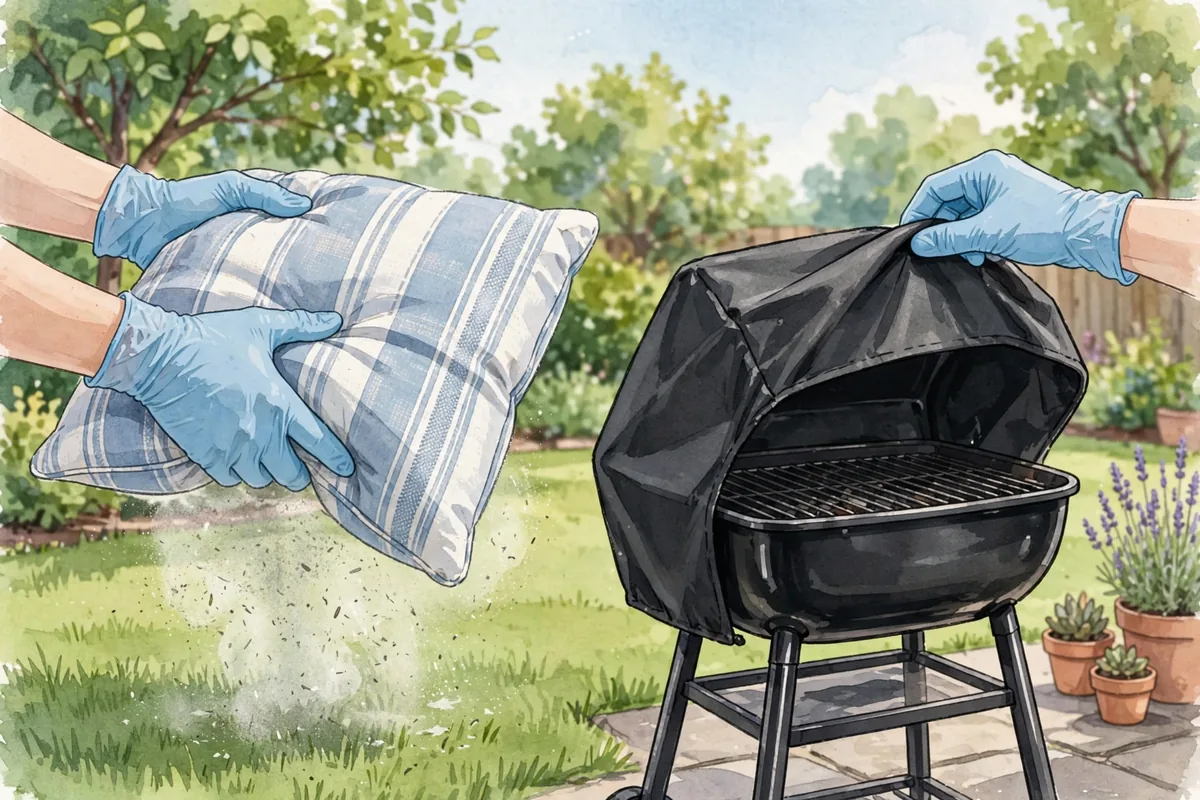
Take cushions outside, hold them at arm’s length, and shake them hard. Do the same with grill covers, outdoor pillows, and folded umbrellas. Bang chair frames and hollow tubing against the ground to dislodge anything sheltering inside. Never reach a hand into a dark tube, crevice, or cover without looking first.
Deal With Webs at a Distance
Knock down webs with a long-handled broom or pole, not your hands. If you find an actual black widow on an item you need to move, stop and reassess. You can relocate the item later after the spider has moved on, or call a pest professional if widows are a recurring presence in your storage areas. Do not try to catch or crush a widow with your hands under any circumstances.
Clean Behind as You Go
When you pull furniture away from walls and out of sheds, check the newly exposed surfaces before reaching around them. Poison-center guidance specifically warns about reaching behind stored items blindly. General spider-bite prevention follows the same inspect-and-shake discipline described at spider bites.
Smart Storage That Denies Them Shelter
This fall’s ten minutes of extra care prevents next fall’s encounters.
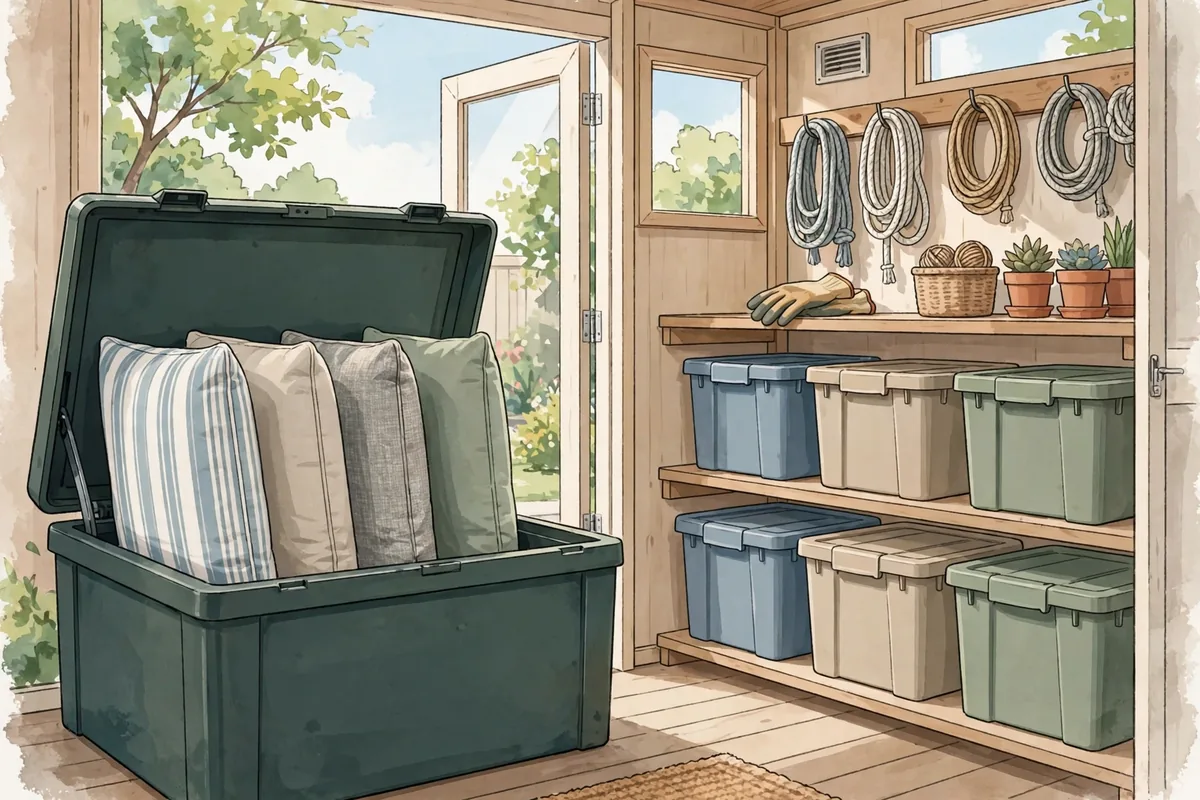
- Store cushions in sealed containers or bags. Heavy-duty storage bags or a deck box with a tight lid denies spiders the layered gaps they favor. The Inova health library specifically recommends storing clothing and outdoor equipment in tightly closed plastic bags.
- Declutter the shed. Widows thrive in cluttered corners. Keep the shed organized with items off the floor where practical, and sweep out webs regularly through the season.
- Reduce gaps between stacked items. Tight, orderly stacking leaves fewer web-building voids than a jumbled pile.
- Keep the perimeter clear. Trim tall grass and remove debris and rubble from around patios, sheds, and storage areas, since these are the staging grounds spiders come from.
- Move firewood away from the house. Store it at least 20 feet out on a raised rack, and check each piece before carrying it inside. Wear gloves for the whole job.
- Seal the shed. Caulk gaps around the shed’s base and doors to reduce the traffic of spiders wandering in from the yard.
If you find black widows repeatedly in the same storage area, that is a sign of an established local population, and a pest professional can assess the site rather than leaving you to play spider roulette every October.
First Aid for a Suspected Black Widow Bite
Black widow bites are very treatable, and deaths are extremely rare. Poison centers start with the same advice: stay calm.
Clean and Cool
Wash the bite with soap and water. Apply an ice pack for 10 to 15 minutes at a time to reduce pain and swelling. If the bite is on an arm or leg, elevate the limb and keep it still, which helps limit venom spread.
Call Poison Control
Call Poison Control at 1-800-222-1222. The specialists will ask about symptoms and help you decide whether you need emergency care or can monitor at home. This call is free, available around the clock, and specifically set up for exactly this situation. Do not wait for severe symptoms to make the call if you suspect a widow bite.
What Not to Do
Do not cut the skin, do not try to suck out venom, and do not apply a tourniquet. These measures do not remove venom and can cause real harm. Do not apply heat to the bite either. For the standard first-aid sequence and what clinicians do next, see the black widow bite treatment guide.
Capture Only If Safe
If the spider is dead and you can collect it without touching it, for example by sweeping it into a jar with a piece of cardboard, an intact specimen helps the doctor confirm the diagnosis. Never risk a second bite to get one. A clear photo from a safe distance is the next best thing.
When to See a Doctor for a Spider Bite
Black widow envenomation declares itself over hours, not seconds, so monitoring matters as much as the first response. Get medical care promptly if you notice:
- Severe muscle pain or cramping, especially in the abdomen, back, or legs, the hallmark of widow envenomation
- Muscle rigidity, twitching, or spasms spreading beyond the bite site
- Nausea, vomiting, sweating, headache, or anxiety developing after the bite
- Chest pain or difficulty breathing, which are uncommon but serious
- Redness and swelling at the bite site that keeps worsening rather than stabilizing
- Any bite on a small child or an older adult, since poison centers flag these groups as most at risk for serious effects
Clinicians treat widow bites with muscle relaxants, pain relief, and observation, reserving antivenom for severe cases. Poison-center and clinical guidance note that with prompt treatment most people recover fully within a day or two. Bring the spider or its photo if you have one safely.
Frequently Asked Questions
Can a black widow bite through a glove?
Their fangs are small, and a sturdy leather work glove is a meaningful barrier. No glove is guaranteed, which is why the protocol is look first, then lift, with gloves as backup rather than the whole plan.
How do I tell a black widow web from a regular cobweb?
Widow webs are messy, irregular tangles with no neat pattern, often built low in crevices and corners. They feel unusually strong and sticky if you touch a strand with a stick. Neat orb webs belong to harmless garden spiders.
Are black widows active in winter?
Outdoor activity drops in cold weather, but spiders sheltered in sheds, garages, and woodpiles stay active longer. The fall move indoors, or into storage, is the peak encounter season, which is why October precautions matter most.
Should I spray my shed for black widows?
Removing webs, decluttering, sealing gaps, and storing items in closed containers address the cause. Indiscriminate spraying inside a shed exposes you to chemicals and rarely reaches the crevices where widows actually live. For recurring problems, a pest professional’s targeted treatment is the safer route.
What if I find an egg sac?
Do not handle it. Egg sacs mean a female is or was nearby and more spiders are possible. Clear the area with a long-handled tool, keep gloves on, and consider professional help if sacs keep appearing in the same storage spot.
Medically reviewed by Dr. Sarah Jones, MD.
This article is for informational purposes only and isn’t medical advice. If you’re worried about a bite or sting, talk to a healthcare professional.