
Portuguese Man O’ War vs Jellyfish: How to Tell Them Apart
Introduction The direct answer is simple, and it matters for safety: a Portuguese man o' war is not a jellyfish, even though it is…
Introduction Yes, spiders can bite in winter, but winter spider bites are uncommon, and most of the spiders you see indoors during the cold months are not hunting you. The…
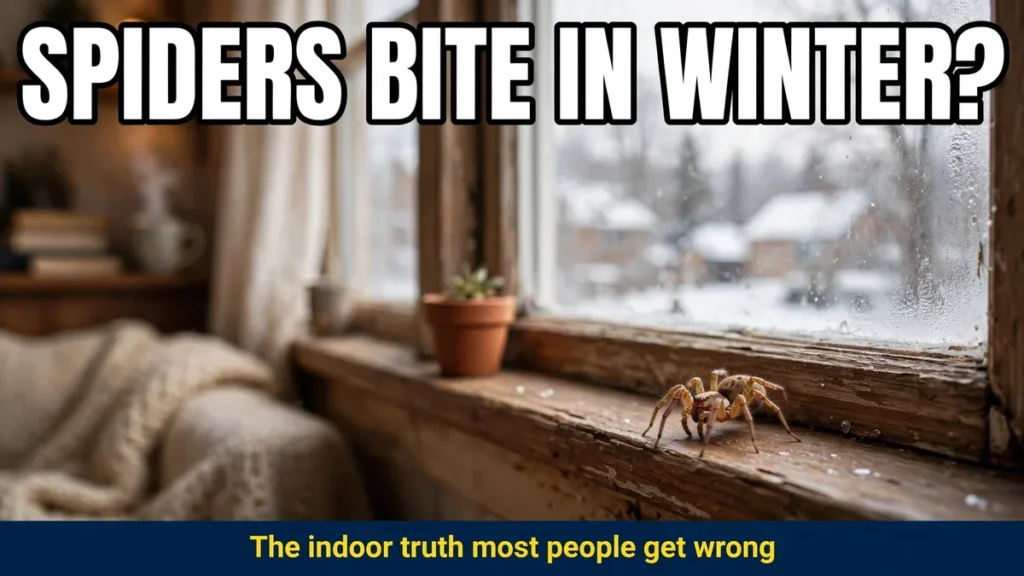
Yes, spiders can bite in winter, but winter spider bites are uncommon, and most of the spiders you see indoors during the cold months are not hunting you. The short answer is reassuring: the spiders most people meet inside their homes in winter are house spiders that live indoors all year. They were already there before the temperature dropped, and they stay active because your home stays warm. Outdoor spiders, by contrast, mostly stay outside or go dormant for the season. They do not pour into your house in a wave simply because it got cold.
So why does it feel like you see more spiders in winter? The explanation is mostly about you, not about the spiders. You spend more time indoors in winter, so you notice the spiders that share your home more often. Spiders also follow their food. Small prey insects move indoors too, and spiders go where the prey is. Add in holiday boxes pulled from storage, heavier clothing, and extra blankets, and you get more chances for a surprise encounter, and on rare occasions, a bite.
A spider bite in winter is still possible, and it is worth knowing what to do about it. Most bites happen for one simple reason: a spider gets pressed against skin and bites in self defense. That happens when someone rolls onto a spider in bed, pulls on clothing or shoes that a spider is hiding in, or reaches into a stored box or a dark corner without looking. Spiders do not seek people out to bite them. They bite when they feel trapped, and that distinction matters, because it means most winter bites are preventable with a few simple habits.
This article explains which spiders people actually meet in winter, why bites happen, what basic first aid looks like, when to get medical care, and how to lower your risk without turning your home into a chemical zone. If you are unsure what bit you, or if symptoms worry you, the safest step is to get medical advice rather than trying to identify the culprit from a mark on your skin alone.
A heated home is a stable habitat. While outdoor temperatures swing, the inside of a house stays within a narrow range, which suits house spiders just fine. Species that live indoors year round do not need to migrate, hibernate, or change their behavior much when winter arrives. They build webs in quiet corners, basements, garages, and attic spaces, and they keep catching the small insects that also live indoors.
This is an important correction to a common belief. Many people picture spiders marching indoors in autumn like an invading army, driven by cold. In reality, most of the spiders you see in January were already living in your house in October. You are simply noticing them more, because you are home more, the days are shorter, and you are spending time in rooms and corners you may have ignored during the summer.
Winter changes human behavior more than it changes spider behavior. Shorter days, cold weather, and holiday time at home mean more hours in living rooms, bedrooms, and kitchens. More time indoors means more chances to spot a spider on a wall, in a bathtub, or near a window. It also means more chances to disturb a spider that has been quietly living in the same corner for months.
Holiday routines add to this. Decorations come out of storage, guest rooms get used, blankets and sweaters come out of closets, and boxes move from garages and attics into living spaces. Each of those moves can carry a spider, or a spider’s web, into a new place where a person is more likely to meet it.
Spiders eat insects and other small arthropods, and they go where food is available. In winter, some prey insects also move indoors or remain active inside heated buildings. A house with a steady supply of small flies, moths, silverfish, or other tiny insects can support spiders through the winter. This is why spiders often show up near windows, lights, and damp areas, because those are places where prey gathers too.
Reducing indoor insects is therefore one of the most useful, if indirect, ways to reduce spiders. It will not remove every spider, and no home is ever completely spider free, but a home with fewer prey insects is a less attractive home for spiders.
Most spiders that live outdoors do not move indoors for winter. Many outdoor species spend the cold months in a dormant state, sheltered in leaf litter, under bark, in soil, or in other protected outdoor spots. They slow down, stop feeding, and wait for warmer weather. Some species lay eggs in autumn and die before winter, with the next generation emerging in spring.
That said, a few outdoor spiders may wander into garages, sheds, or entryways, especially during mild spells or while seeking shelter. The key point is that this is occasional wandering, not a seasonal invasion. Your home is not under siege. It is simply a warm building that a small number of creatures may enter, while the spiders already living inside it go about their normal lives.
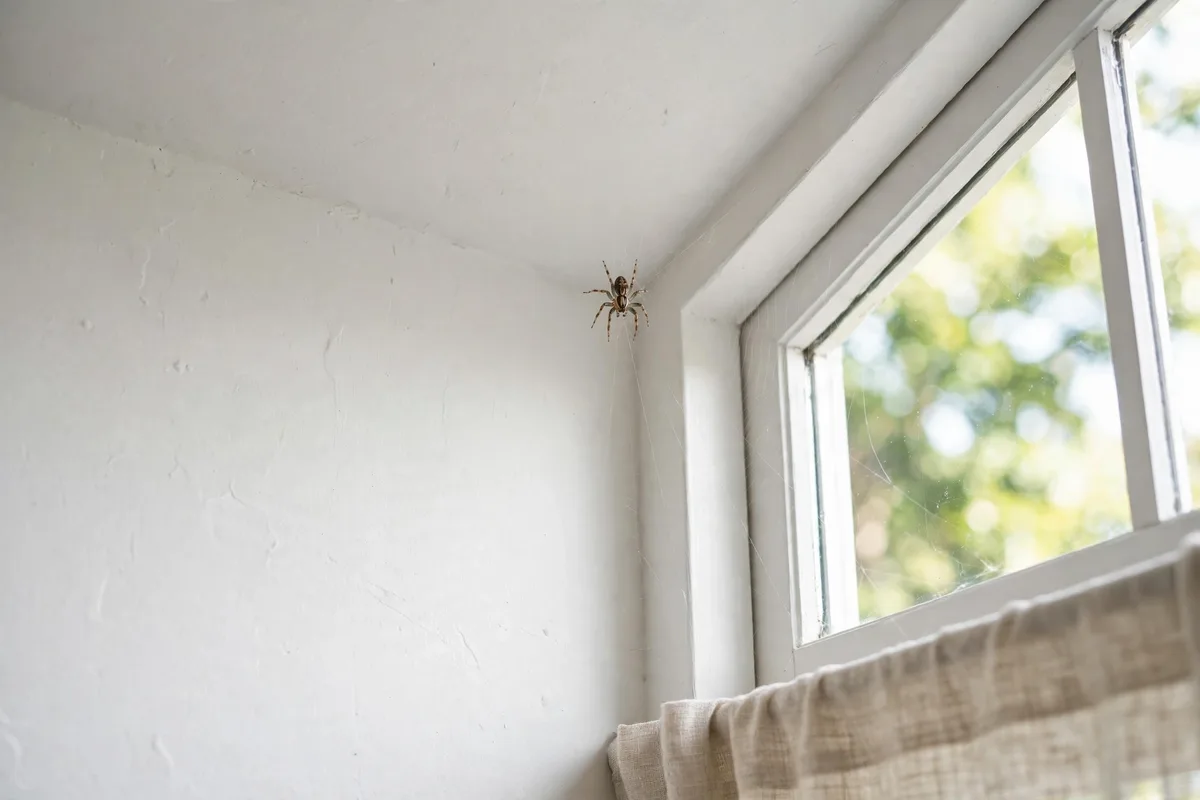
The spiders most people see in winter are the ordinary house spiders that live alongside humans year round. These are typically small to medium sized, brownish or grayish, and they build messy, irregular webs in corners, behind furniture, in basements, and near ceilings. They are shy, they tend to stay in or near their webs, and they usually retreat when disturbed rather than confronting a person.
House spiders are the classic winter spider because they never left. They feed on small household insects, they tolerate indoor conditions well, and they reproduce indoors. Seeing one in December is not a sign of an infestation or a seasonal invasion. It is a sign that a spider has found a quiet corner with food, which is normal in most homes.
Cellar spiders are the long legged, delicate spiders often found in basements, cellars, garages, and other cool, undisturbed areas. They hang upside down in loose, irregular webs and vibrate rapidly when disturbed, which is a defense behavior that can make them hard to grab. People sometimes call them daddy longlegs, although that name is also used for harvestmen, which are not spiders at all.
Cellar spiders are common winter residents because basements and cellars stay relatively stable in temperature and are rarely disturbed. They are generally considered harmless to people, and bites are rare. Their presence often tells you more about damp, quiet corners than about any danger. If you want to tell a cellar spider from a more concerning species, the comparison table later in this article and our guide on cellar spider vs brown recluse can help you see the differences side by side.
In parts of the southern and western United States, and in some other warm regions, black widow spiders may be found in winter, usually in garages, sheds, woodpiles, outdoor furniture, and other sheltered spots rather than in living rooms. Black widows are shy and prefer dark, undisturbed places. They are not aggressive, but they are medically significant, which means a bite can cause serious symptoms and should be taken seriously.
Most people will never meet a black widow indoors in winter, and in colder regions black widows are not a winter indoor concern at all. If you live in an area where black widows are known to occur, the practical advice is to be careful around woodpiles, stored boxes, and undisturbed outdoor equipment, and to shake out gloves and shoes that have been sitting in a garage or shed. Respect the species, do not handle it, and give it space.
Brown recluses live mainly in the central and southern United States, and they are famous for hiding in dark, undisturbed places such as closets, attics, storage boxes, and behind furniture. Like black widows, they are shy, and they bite mainly when pressed against skin, for example when a person puts on clothing that has been sitting undisturbed or rolls over a spider in bedding.
Brown recluse sightings outside their established range are often misidentifications, because many harmless brown spiders look similar at a glance. If you live outside the brown recluse range, a brown spider in your home in winter is very unlikely to be a brown recluse. If you live inside the range, the sensible approach is the same as for any shy spider: check stored clothing and bedding, avoid reaching blindly into dark boxes, and do not try to handle a spider you cannot identify.
Wolf spiders are larger, ground hunting spiders that do not build webs to catch prey. They are more often seen in autumn, when males wander in search of mates, but they can occasionally appear indoors in winter, especially in basements and ground floor rooms. They look more alarming than they are, because of their size and speed, but they are not aggressive toward people and bites are uncommon.
Other wandering spiders may also turn up indoors from time to time. The general rule applies to all of them: they are far more interested in escaping or finding prey than in biting a person, and a bite usually happens only when the spider is trapped against skin. If you need help with the first aid side of a larger spider encounter, our guide on wolf spider bite treatment covers the basic steps in detail.
| Spider | Where you usually find it in winter | How it behaves | Bite risk to people |
|---|---|---|---|
| Common house spider | Corners, ceilings, behind furniture, basements | Shy, stays near its web, retreats when disturbed | Low, bites are rare |
| Cellar spider | Basements, cellars, garages, quiet corners | Hangs in loose webs, vibrates when disturbed | Very low, generally considered harmless |
| Black widow (in its range) | Garages, sheds, woodpiles, sheltered outdoor spots | Shy, prefers dark undisturbed places | Higher concern, take any suspected bite seriously |
| Brown recluse (in its range) | Closets, attics, storage boxes, behind furniture | Very shy, hides in dark undisturbed places | Higher concern, bites mainly when pressed against skin |
| Wolf spider | Basements, ground floor rooms, garages | Active hunter, fast, does not build a catching web | Low, bites are uncommon and usually defensive |
This table is a general guide, not an identification tool. Many spiders look alike, and even experienced observers can struggle to identify a spider from a quick look or a photo. If you are worried about a spider in your home, do not handle it. Take a photo from a safe distance if you can, and focus on preventing contact rather than on naming the species.
Spiders do not bite people for food. Human skin is not prey, and a spider gains nothing from biting a person. When a spider bites, it is almost always because it feels trapped, squeezed, or threatened and is trying to escape. Understanding this single fact explains nearly every winter bite story.
The classic scenarios are easy to picture. A spider is in a shoe that has been sitting in a closet, and a foot goes in. A spider is in a folded sweater, and an arm goes in. A spider is in bedding, and a sleeper rolls onto it. A spider is in a box of holiday decorations, and a hand reaches in and presses it against cardboard. In each case, the spider had no way out, and biting was its last resort.
Bedding, clothing, and shoes are the highest risk items in winter because they are warm, dark, and in direct contact with skin. Winter makes this worse in a practical way: people wear heavier layers, use extra blankets, and store summer clothing and winter clothing in rotation. A garment that has been sitting undisturbed in a closet, a drawer, or a storage bin for weeks is a plausible hiding place for a spider.
The fix is simple and costs nothing. Shake out clothing, shoes, and bedding before use, especially items that have been stored or left undisturbed. Check inside shoes before putting them on. Shake blankets before getting into bed if they have been stored. These habits take seconds, and they remove the exact situation in which most bites occur.
Storage is the other winter risk factor. Holiday decorations, camping gear, and seasonal clothing often live in attics, garages, basements, and closets for most of the year. Spiders like undisturbed places, so a box that has not been opened since last winter is a natural shelter.
When you open stored boxes, do it in good light, wear gloves, and lift items carefully rather than plunging a hand to the bottom. The same advice applies to reaching behind furniture, into crawl spaces, or into woodpiles. A little caution in dark, undisturbed places prevents most unwanted encounters, not just with spiders but with other small creatures too.
Here is a humbling truth: many marks blamed on spiders are not spider bites at all. Skin reactions can come from other insects, from skin conditions, from contact with plants or fabrics, or from scratching. Unless you actually saw the spider, it is often impossible to be sure what caused a mark, and guessing can lead to unnecessary worry or to missing a different cause that needs attention.
That uncertainty is a reason to judge a skin problem by its symptoms and how it changes over time, not by a guess about the culprit. If a mark is mild, stable, and improving, basic care and observation are usually enough. If it spreads, worsens, or comes with worrying symptoms, get medical care and describe what you know, including whether you actually saw a spider, rather than insisting on a diagnosis you cannot confirm.
Most spider bites cause mild, short lived symptoms. People often notice one or two small marks, some redness, mild swelling, and itching or soreness around the area. These symptoms usually improve over a few days with basic care. A bite from a common house spider or a cellar spider, when it happens at all, is generally in this mild category.
Bites from medically significant species are different, and they deserve prompt attention. A black widow bite, for example, may cause severe muscle cramps and pain that spreads beyond the bite area. A brown recluse bite may develop into a wound that worsens over days rather than improving. These are not typical spider bites, and they are not what most people experience. The point is not to frighten you, but to help you recognize when a bite is not following the usual mild course and needs medical evaluation.
Because reactions vary from person to person, and because allergies can change the picture, it is wise to watch any bite for the first day or two. Note whether redness is spreading, whether pain is increasing instead of easing, whether fever develops, or whether the wound is opening or darkening. Those changes are signals to seek care, and they are covered in detail in the When to See a Doctor section below.

If you think a spider has bitten you, stay calm and take these basic steps. They apply to most spider bites and are a sensible starting point while you decide whether medical care is needed.
| Step | What to do |
|---|---|
| 1. Stay calm and clean the area | Wash the bite gently with soap and water. Pat dry. Avoid scratching, which can irritate the skin and increase infection risk. |
| 2. Apply a cool compress | Place a clean cloth wrapped around ice, or a cool damp cloth, on the area for short periods. This can help with swelling and discomfort. |
| 3. Keep the area still and raised if possible | Rest the affected limb and raise it on a pillow if that is comfortable. Avoid strenuous use while symptoms are present. |
| 4. Watch the bite over the next day or two | Check whether redness, pain, or swelling is improving or worsening. Take a photo or mark the edge of redness if that helps you track changes. |
| 5. Use basic symptom relief if appropriate | Over the counter pain relief or antihistamines may help some people, following the product label. If you take other medicines or have health conditions, check with a pharmacist or clinician first. |
A few cautions are worth stating plainly. Do not apply harsh chemicals, bleach, or home remedies that can damage skin. Do not try to cut or squeeze the bite. Do not apply a tourniquet. If you can safely capture or photograph the spider without handling it, that information may help a clinician, but do not risk another bite to get it. Your safety comes first.
If symptoms are severe, or if you have any reason to suspect a black widow or brown recluse bite, do not wait to see whether home care is enough. Seek medical care promptly and tell the clinician what you saw, when the bite happened, and how symptoms have changed.
Most spider bites improve with basic care, but some situations need medical attention right away. Use this section as a checklist, and err on the side of getting care if you are unsure.
Call 911 immediately if you or someone near you develops breathing difficulty, throat swelling, fainting, severe muscle cramps, or other signs of a severe reaction after a bite. These symptoms can indicate a serious allergic reaction or a medically significant bite, and they need emergency care without delay. Do not drive yourself if you are faint or having trouble breathing. Call emergency services and stay on the line until help arrives.
Seek prompt medical care if you notice spreading redness, fever, worsening pain, or a wound that opens or darkens. These changes can signal infection or a bite that is not following a normal healing course. Also seek care if swelling is severe, if the bite is on the face or near the eye, if a child or an older adult is bitten, or if the person bitten has a weakened immune system or a known allergy to insect venom.
You should also get medical advice if you are unsure whether the bite came from a black widow or a brown recluse, or if symptoms are not improving after a day or two of basic care. A clinician can examine the area, ask about what you saw, and decide whether further treatment or monitoring is needed. When in doubt, a phone call to a clinician, an urgent care clinic, or a poison control line is a reasonable first step.
It is also worth remembering that not every skin problem in winter is a spider bite. If a mark does not behave like a bite, or if it keeps returning, a clinician can help identify other possible causes. Our guide on how to tell if a bug bite is healing offers general signs of normal healing to watch for, but it does not replace medical advice for your specific situation.
Prevention in winter is mostly about removing the situations where a spider gets trapped against skin, plus making your home a little less welcoming to spiders and their prey. You do not need to eliminate every spider, which is neither realistic nor necessary. A few steady habits go a long way.
Shake out shoes, clothing, and bedding before use, especially items that have been stored or undisturbed. Store seasonal clothing in sealed containers or bags rather than open boxes. Keep beds a short distance from walls where practical, and avoid letting bedding drape onto the floor. These steps reduce the chance of a spider ending up pressed against skin overnight.
Spiders favor clutter and undisturbed corners. Clearing clutter in basements, garages, attics, and closets, and cleaning those areas regularly, removes hiding places. Sealing cracks around windows, doors, and utility entries can reduce the number of insects and spiders entering living spaces. You do not need to seal a home perfectly, which is rarely possible, but closing obvious gaps helps.
Because spiders follow food, reducing indoor insects helps over time. Keep food stored in sealed containers, clean up crumbs, fix leaks that attract insects, and empty trash regularly. A home with fewer small insects supports fewer spiders, and that effect builds across the season.
Wear gloves when handling stored boxes, firewood, or garden equipment that has been sitting outside or in a garage. Shake out gloves, hats, and boots before use. Check outdoor furniture and holiday decorations before bringing them inside. These habits protect against more than spiders, and they cost only a few seconds.
Many people reach for insecticide sprays at the first sight of a spider. Sprays can kill spiders on contact, but they are not a reliable long term solution on their own, because spiders can avoid treated surfaces, and new spiders or prey insects can arrive later. Glue traps can catch wandering spiders, but they should be placed thoughtfully, away from children and pets, and checked regularly.
If you use any pest control product, follow the label exactly, keep it away from children and pets, and consider whether the habits above would solve the problem first. For a persistent or worrying spider problem, especially if you live in an area with black widows or brown recluses, a professional pest inspection can identify entry points and hiding places more effectively than repeated spraying.

As this article has explained, most indoor winter spiders already live indoors year round. Outdoor spiders mostly stay outside or go dormant. A few may wander in, but there is no seasonal flood. The feeling of an invasion comes mostly from spending more time indoors and noticing the spiders that were already there.
Most spiders people meet indoors are harmless or nearly so, and bites are rare. The spiders that deserve real respect are a small number of medically significant species in their ranges, and even those are shy and bite only when trapped. Treating every spider as a threat leads to unnecessary fear and to risky attempts to handle or kill spiders at close range. A calm, hands off approach is safer.
Spiders do not crawl into beds looking for people to bite. A bite in bed happens when a spider that was already in bedding or clothing gets pressed against skin during sleep. Shaking out bedding and keeping beds away from walls and clutter reduces this already small risk further.
Bite marks vary a great deal, and many suspected spider bites show no clear fang marks at all. Two marks do not prove a spider bite, and their absence does not rule one out. Judging a skin problem by its symptoms and course is more useful than judging it by the shape of the mark.
Yes, spiders can bite in winter, but bites are uncommon. The spiders most people see indoors in winter are house spiders that live indoors all year, and they bite mainly when pressed against skin, for example in bedding, clothing, shoes, or stored items. Most winter encounters end with the spider retreating, not biting.
You are probably seeing more spiders because you are spending more time indoors, not because spiders are invading in larger numbers. Shorter days, cold weather, and holiday routines bring you into contact with the spiders already living in your home, and spiders follow prey insects that also move or remain indoors. Holiday boxes and heavier clothing add extra chances for encounters.
Most outdoor spiders do not move indoors for winter. Many go dormant in sheltered outdoor spots, and some species die in autumn after laying eggs. A few spiders may wander into garages or entryways, but this is occasional, not a mass migration. The spiders you see in living rooms in winter are usually indoor residents, not outdoor refugees.
Most winter spider bites cause only mild, short lived symptoms such as redness, mild swelling, and itching, and they improve within a few days. Bites from medically significant species, such as black widows or brown recluses in their ranges, can be more serious and need prompt medical care. Any bite with severe symptoms, spreading redness, fever, worsening pain, or a wound that opens or darkens should be evaluated by a clinician.
Shake out bedding and blankets before use, especially items that have been stored. Keep your bed a short distance from the wall where practical, and avoid letting bedding touch the floor. Reduce clutter around the bed, store seasonal clothing in sealed containers, and check shoes and clothing before putting them on. These simple habits remove the situations in which most bites happen.
You do not need to kill every spider, and trying to handle or kill spiders at close range can actually increase bite risk. Most house spiders are harmless and help control small household insects. A practical approach is to leave undisturbed spiders alone, relocate one safely with a cup and paper if it is in a high traffic area, and focus on prevention habits. If you live in an area with black widows or brown recluses, be extra careful around their preferred hiding places and seek professional advice for a persistent problem.
Do not put the item on. Shake it out over a sink, bathtub, or outdoors, and check inside before wearing it. If a spider is still inside, tip the item gently to let it leave rather than reaching in with your hand. If you were already bitten, wash the area, apply a cool compress, watch for changes, and seek care if symptoms worsen or worry you.
So, do spiders bite in winter? Yes, they can, but the full truth is much calmer than the fear suggests. The spiders you meet indoors in winter are mostly house spiders that have lived alongside you all year. They are not invading to escape the cold, they are not hunting you, and they bite only rarely, almost always when they are pressed against skin and cannot escape.
That understanding points to a simple, practical response. Shake out shoes, clothing, and bedding. Be careful with stored boxes and undisturbed corners. Reduce clutter and prey insects. Learn the warning signs that mean a bite needs medical care, and get help promptly if they appear. These habits protect you without requiring you to fear every corner of your home.
Winter is a season for being indoors, warm, and comfortable, and a few small routines can keep it that way. Notice the spiders, respect them, give them space, and let them go about their quiet work in the corners you rarely visit. In return, the chances of a winter bite stay very low, which is exactly where you want them.
Medical disclaimer: This article is for general information only and is not medical advice. It does not diagnose or treat any condition. If you have concerning symptoms, a known allergy, or symptoms that worsen, seek professional medical care promptly. This content is medically reviewed by Dr. Sarah Jones, MD, for general educational accuracy.
Dr. Jones oversees StingHelp’s clinical verification process. Every guide is systematically evaluated against active Centers for Disease Control and Prevention (CDC), Environmental Protection Agency (EPA), and American Academy of Allergy, Asthma & Immunology (AAAAI) medical consensus standards to ensure symptom distinctions and care recommendations are clinically sound.
Explore physician-reviewed first-aid procedures, identification clues, and symptom comparisons for other common outdoor bites and stings.

Introduction The direct answer is simple, and it matters for safety: a Portuguese man o' war is not a jellyfish, even though it is…

Introduction: The Direct Answer A jellyfish sting and sea lice irritation are different problems with different causes, even though both can leave you itchy…

Introduction: The Short Answer If you found a large brown spider and you are trying to decide whether it is a fishing spider or…