
Do Stink Bugs Bite? Myths vs Facts
Every fall, brown marmorated stink bugs march into American homes by the dozens, and with them comes the worried question: do stink bugs bite?…
Mid-October brings a familiar scene: big, sluggish flies crawling across the windowsills, buzzing heavily when disturbed, and gathering in sunny rooms. The instinctive question follows fast: do cluster flies bite?…
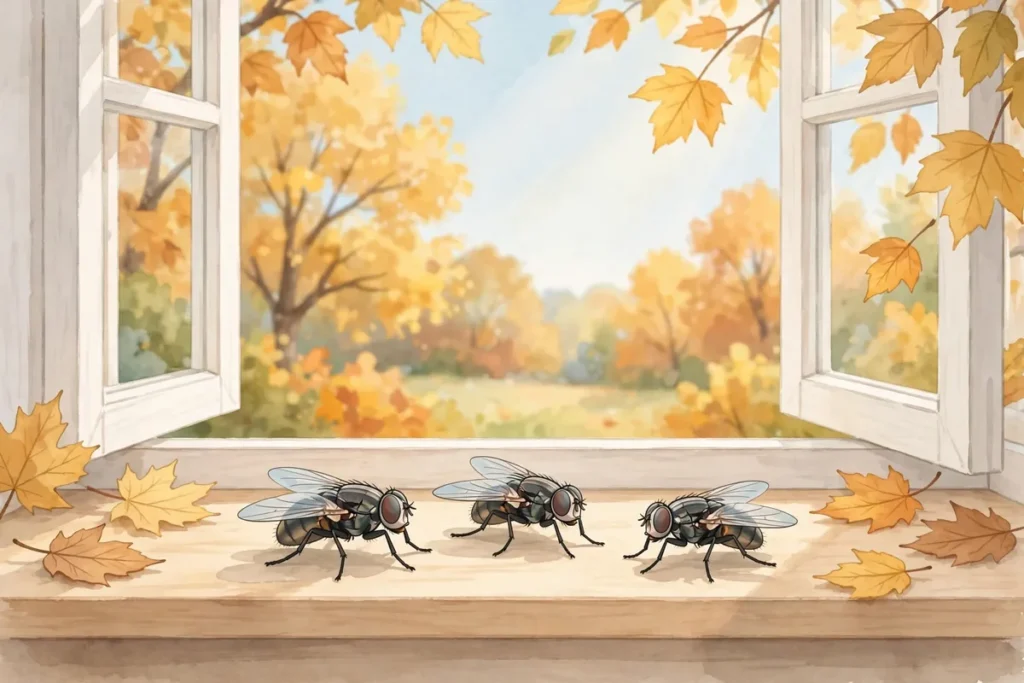
Mid-October brings a familiar scene: big, sluggish flies crawling across the windowsills, buzzing heavily when disturbed, and gathering in sunny rooms. The instinctive question follows fast: do cluster flies bite? If there are dozens of large flies in the house, surely something is going to bite.
Here is the reassuring answer, confirmed by university extension entomologists: no. Cluster flies cannot bite you, your kids, or your pets. They do not have the mouthparts for it, they do not want your blood, and they do not spread disease. They are a nuisance, not a health threat. This guide explains the anatomy behind that answer, how to tell cluster flies from the large flies that actually do bite, why they chose your house, and the exclusion and vacuum methods that genuinely work.
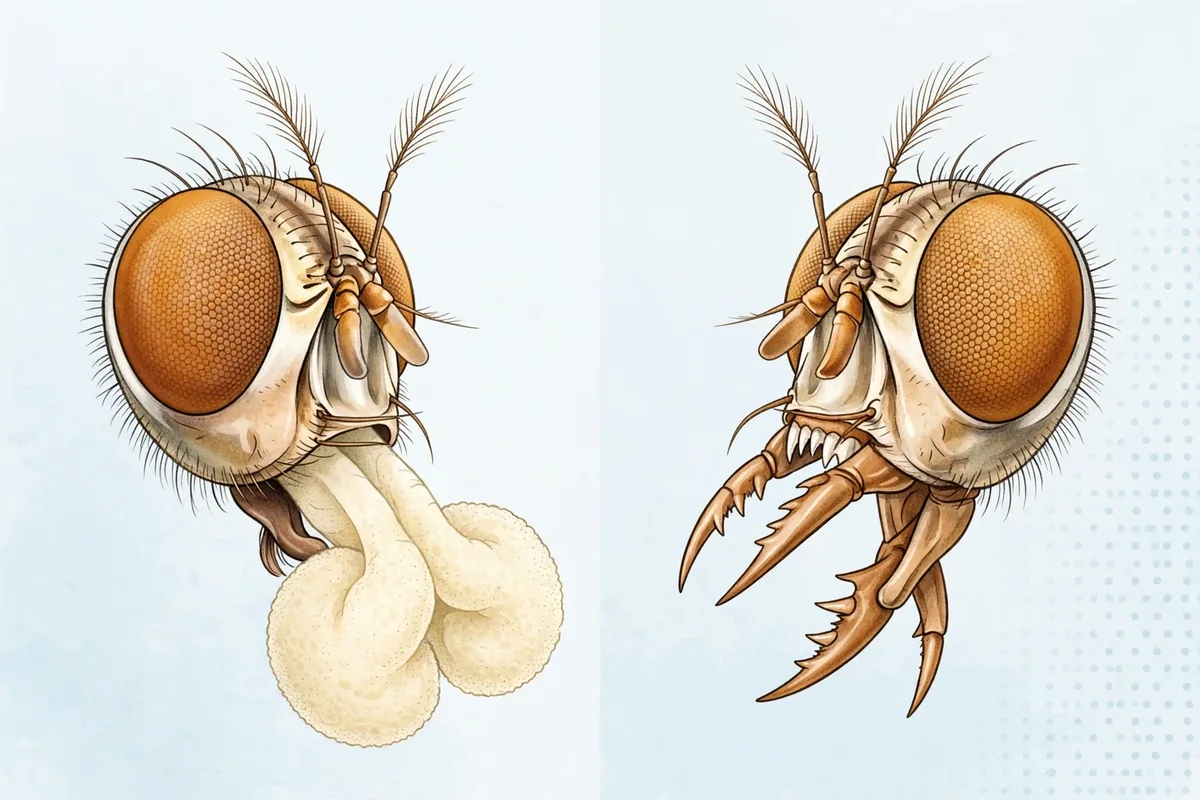
The bite question is really an anatomy question. Biting flies, horseflies, deer flies, stable flies, mosquitoes, have mouthparts built like tools for piercing skin and drawing blood: sharp stylets, cutting blades, or needle-like structures. Cluster flies have none of that.
Adult cluster flies feed on nectar and plant fluids using soft, sponging mouthparts, essentially a fleshy trunk for sopping up liquids. Virginia Tech’s entomology extension describes them plainly: cluster flies do not bite, are not associated with disease transmission, and do not reproduce inside buildings. Pest-control and university sources agree: their mouthparts are for sucking, not piercing. A cluster fly landing on your arm is looking for a warm spot to sit, not a meal. It physically cannot break your skin.
The larvae are even less interested in you. Cluster fly larvae are parasites of earthworms. Females lay eggs in soil near earthworm burrows, the larvae burrow into the worms and feed inside them for about three weeks, then pupate in the soil. The entire juvenile life of a cluster fly happens underground inside a worm. Nothing in that life cycle involves humans, pets, food, or garbage, which is why cluster flies, unlike houseflies, are not considered unsanitary.
If you are experiencing actual bites while cluster flies are present, you have two separate problems: harmless cluster flies plus a second, biting insect you have not identified yet. The identification section below will help you sort that out.
Understanding why they come in makes the prevention obvious. Cluster flies do not infest houses the way cockroaches or pantry moths do. They are not breeding in your walls, not feeding on anything indoors, and not building a colony. They are using your house as a winter hotel.
The fall migration. Through summer, cluster flies live outdoors, mating and laying eggs in soil. As days shorten and temperatures drop in late summer and fall, the adults seek sheltered places to overwinter. Warm, sun-facing walls are the beacon. Homes that stand out in the landscape, hilltop houses, tall light-colored buildings, or the tallest structure on the block, attract the most flies. They gather on south and west exposures in the afternoon sun, then slip inside through the tiniest gaps: around window and door frames, under siding, through unscreened vents, along utility penetrations.
The winter sleep. Once inside wall voids, attics, and quiet upper rooms, they cluster together and go dormant. They typically do not live long in heated indoor spaces, which are too warm and dry for proper dormancy, and many die over winter. On warm late-winter or spring days, the survivors wake, become active, and blunder toward light, which is why a February warm spell brings sluggish flies to the windows.
The spring exit. As temperatures rise, the flies that survived head back outdoors to mate and lay eggs, and the cycle restarts. Multiple generations occur each summer, so the population visiting your house this fall is bigger than the one that left in spring.
None of this involves biting, feeding on your food, or damaging your house. The flies are simply sheltering. That single fact should shape your whole response: you are managing a seasonal intrusion, not fighting an infestation.
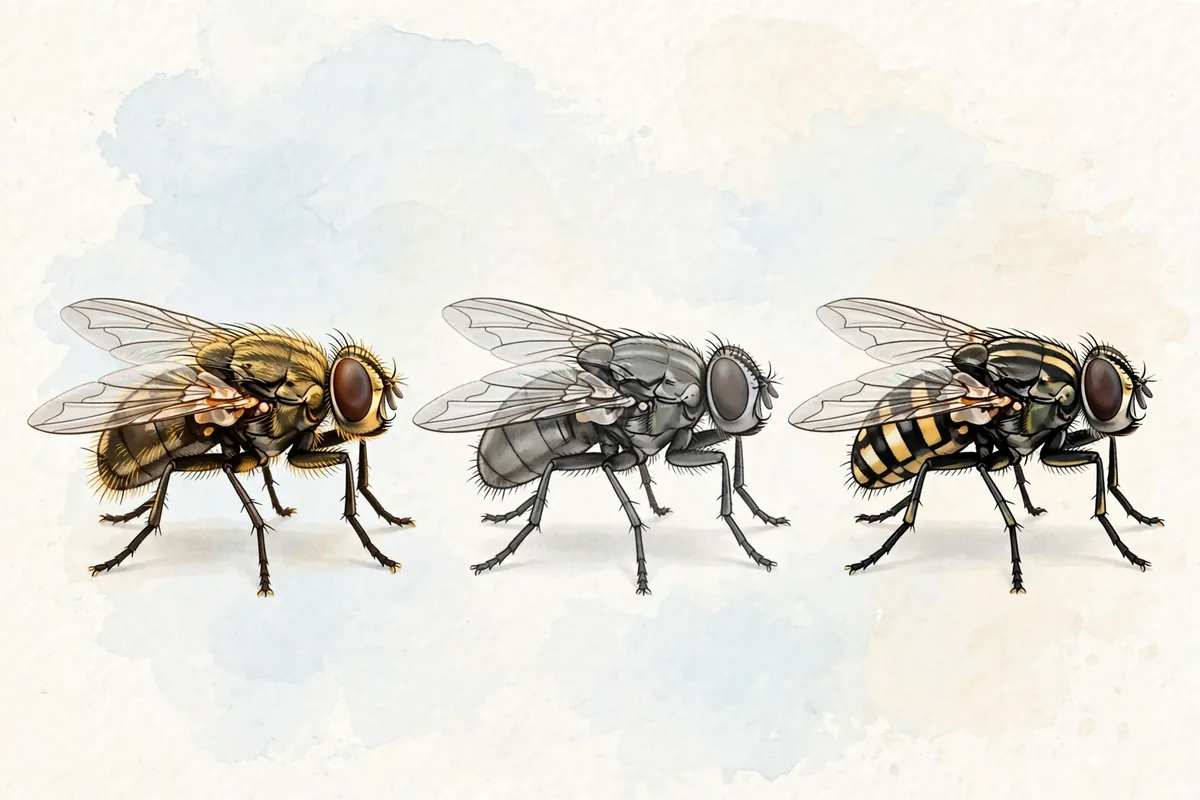
People lump every big indoor fly together, but the three usual suspects differ in looks, behavior, and what they mean for you. Correct ID changes the response, so check your flies against this table.
| Feature | Cluster fly | Housefly | Flesh fly |
|---|---|---|---|
| Scientific name | Pollenia species | Musca domestica | Sarcophaga species |
| Size | Larger than a housefly, about 7 mm | Medium, about 6 mm | Large, often the biggest of the three |
| Thorax | Short golden or yellowish hairs, distinctive | Plain grey with four dark stripes | Grey with three dark stripes |
| Abdomen | Dark with a checkered pattern | Plain | Checkered, often more contrasted |
| Wings at rest | Overlap over the back | Held separately, angled out | Held separately |
| Movement | Slow, sluggish, clumsy | Fast, frantic, hard to swat | Fast and loud |
| Bites? | No, never | No, but spreads germs from filth | No, but breeds in carrion and waste |
| Where it breeds | Soil, in earthworms | Garbage, manure, decaying matter | Carrion, feces, decaying meat |
The fastest field test: watch how it flies. If it is slow, clumsy, and easy to catch, and it has a dusting of golden hairs on its back, it is a cluster fly. If it is fast and frantic around garbage, it is a housefly and a sanitation issue. If it is big, loud, and striped, check for something dead or decaying nearby, because flesh flies go where carrion is.
Also note the seasonal signature. Houseflies are a summer problem tied to filth. Cluster flies are a fall and winter problem tied to shelter-seeking. Big slow flies in October are cluster flies until proven otherwise.
This is the section for the reader who found this article because of bites. Cluster flies are exonerated, so who is the actual biter? In fall, the usual suspects are:
The stable fly. The single most commonly confused biter. Stable flies look like houseflies but bite painfully, often around the ankles, and they are active in fall. Unlike cluster flies they are fast, not sluggish, and they will bite through thin clothing. If your “cluster flies” are fast and your ankles are chewed up, you are dealing with stable flies, a completely different problem with a different solution. Our stable fly bite treatment guide covers what to do about the bites.
Biting midges (no-see-ums). Tiny, barely visible, active at dawn and dusk near water and marshes. People often blame the visible large flies for bites actually delivered by insects they never saw.
Late-season mosquitoes. Warm fall afternoons keep some species feeding well into October, especially around sheltered microclimates like sun-warmed walls and compost piles.
Fleas from pets. If the bites are concentrated around ankles and lower legs indoors, and you have a dog or cat, fleas outrank flies as suspects regardless of what is on the windowsill.
The honest approach: treat the bite problem and the fly problem as separate investigations. Identify the biter by bite pattern, timing, and location, not by whichever insect is most visible. Visible is not the same as guilty.
Since cluster flies enter from outside each fall, the battle is won or lost at the building envelope. Exclusion, sealing entry points, is the method university extensions recommend, and it is the only approach that reduces next year’s invasion instead of just managing this year’s.
Seal the gaps in late summer. Before the fall migration begins, walk the sunny sides of your house and seal every crack: caulk around window and door frames, seal gaps where utilities enter, repair damaged screens, and close unscreened vents with fine mesh. Pay special attention to the upper stories and the attic, because cluster flies favor high, warm entry points. Weatherstripping on doors and windows earns its keep here.
Mind the siding and trim. Flies slip behind loose siding, under fascia boards, and through gaps in soffits, then find their way into wall voids. Tightening and sealing these junctions closes the highway they travel.
Do not rely on outdoor sprays. Perimeter insecticide applications are sometimes sold for cluster flies, but they are a weak tool for this pest: the flies arrive over weeks, land high on walls, and shelter in voids where sprays do not reach. Sealing lasts for years; a spray lasts for weeks. Put the effort into the caulk gun, not the sprayer.
Time it right. Exclusion work done in August pays off in October. Done in November, after the flies are already inside the walls, it mainly helps next year. If you are reading this mid-invasion, seal what you can now, then do the thorough pass next late summer. Our home and yard bite prevention guide covers the broader exclusion mindset for keeping all kinds of biting and nuisance insects out of living spaces.
For the flies currently crawling on your windowsills, the approach is low-tech and deliberately non-chemical.
Vacuum them. A vacuum with a hose attachment is the single best indoor tool. It is fast, it handles dozens at once, and it avoids the smell and stains of squashing them. Empty the canister or bag outside afterward so any survivors do not re-emerge indoors.
Use light traps if you like gadgets. Cluster flies are strongly attracted to light, so commercial light traps placed in attics or quiet rooms catch the active ones over time. They work slowly but steadily through the winter emergence period.
Leave the wall voids alone. The flies dormant inside your walls are not hurting anything, and there is no safe DIY way to treat inside a wall void. They will either die over winter or emerge in spring, when you vacuum them at the windows. Drilling into walls or fogging attics for a non-biting, non-breeding pest is overkill with real downsides: pesticide exposure in living spaces for zero health benefit.
Do not use indoor insecticide sprays as the first response. This is the explicit caution for this topic: reaching for a spray can against an insect that cannot bite, does not spread disease, and is not reproducing indoors trades a nuisance for chemical exposure without solving the entry problem. Vacuum, trap, and seal. Save the chemicals for pests that warrant them.
When to call a professional. If the numbers are overwhelming, hundreds in an attic, or if exclusion work involves heights, damaged siding, or roof junctions you cannot safely reach, a pest-management professional can help with both the sealing and, where appropriate, targeted void treatments. Choose one who starts with exclusion, not one who starts with a spray schedule.

Cluster flies cause no bites and no disease, so this section is really about the bites you might be misattributing to them.
See a clinician promptly if you notice:
Call 911 for: trouble breathing, swelling of the lips, tongue, or face, dizziness, or fainting after any sting or bite. Anaphylaxis signs always outrank every other consideration. Our bite and sting warning signs guide lists the complete red flags, and our outdoor bite prevention checklist helps you cover the actual biters on your property.
One reassuring closing note: the big slow flies on the October windowsill are the least of your worries. Identify them correctly, vacuum them calmly, seal the house in August, and spend your protective energy on the insects that actually bite.
Are cluster flies dangerous to humans or pets?
No. Cluster flies do not bite, do not sting, do not transmit diseases, and do not infest food. Their larvae live in earthworms underground, and the adults feed on nectar. The only documented sensitivities involve people with asthma or respiratory conditions who may be bothered by large numbers indoors, plus the minor annoyance of droppings spots on windowsills. Compared with houseflies, which travel between filth and food, cluster flies are hygienically unremarkable.
Why are there so many cluster flies in my house all of a sudden?
Because fall arrived. Cluster flies spend summer outdoors and move toward buildings in large numbers as temperatures drop, favoring warm, sun-facing walls, especially on houses that stand out in the landscape. What looks like a sudden invasion is the annual migration to overwintering sites: attics, wall voids, and quiet upper rooms. Sealing entry points in late summer is the way to reduce next year’s numbers.
Do cluster flies lay eggs in the house?
No. Cluster flies lay their eggs in soil outdoors, near earthworm burrows, and the larvae develop inside earthworms. They do not reproduce inside buildings at all, which is a key difference from houseflies and fruit flies. The flies in your house are the same individuals that entered in fall, slowly dying off or waiting for spring. You will not get “more” of them from the ones already inside.
What is the fastest way to get rid of cluster flies indoors?
Vacuum them. A hose attachment clears windowsills and sunny rooms in minutes, with no chemicals, no smell, and no stained walls from squashing. For ongoing winter emergence, a light trap in the attic or a quiet room catches them passively. Skip the indoor sprays: they add chemical exposure without addressing the entry points, and the flies are not a health threat that justifies it.
Will cluster flies come back every year?
They will try. The same house that sheltered them this winter remains attractive next fall, especially if entry gaps are still open. The long-term fix is exclusion work in late summer: caulk, screens, sealed vents, and tight trim. Houses with thorough sealing see dramatically smaller invasions year after year, while unsealed houses host the same reunion every October. Think of it as annual home maintenance, like cleaning gutters, not pest warfare.
Medically reviewed by Dr. Sarah Jones, MD.
This article is for informational purposes only and isn’t medical advice. If you’re worried about a bite or sting, talk to a healthcare professional.
Dr. Jones oversees StingHelp’s clinical verification process. Every guide is systematically evaluated against active Centers for Disease Control and Prevention (CDC), Environmental Protection Agency (EPA), and American Academy of Allergy, Asthma & Immunology (AAAAI) medical consensus standards to ensure symptom distinctions and care recommendations are clinically sound.
Explore physician-reviewed first-aid procedures, identification clues, and symptom comparisons for other common outdoor bites and stings.
Every fall, brown marmorated stink bugs march into American homes by the dozens, and with them comes the worried question: do stink bugs bite?…
You are getting bitten indoors, you cannot find the culprit, and the bites seem to come out of nowhere, often at night. When the…
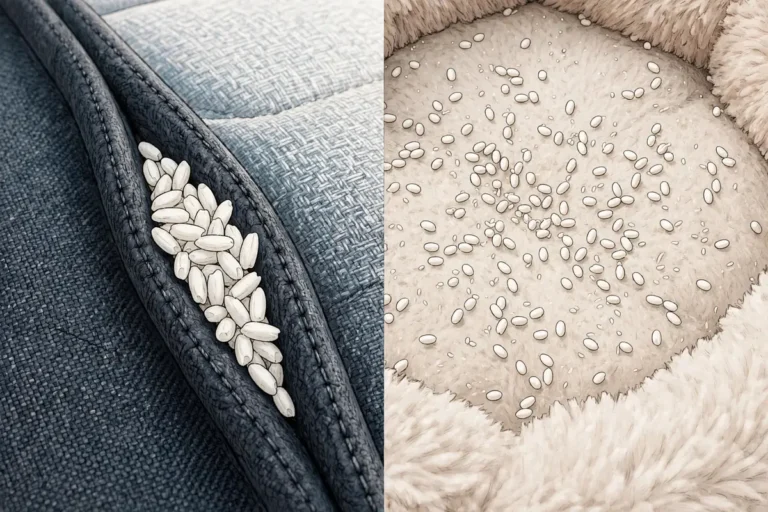
You found something tiny and white, and now the question is bed bug eggs vs flea eggs: identification guide territory. Getting this right matters…