
Do Cluster Flies Bite? Fall Home Guide
Mid-October brings a familiar scene: big, sluggish flies crawling across the windowsills, buzzing heavily when disturbed, and gathering in sunny rooms. The instinctive question…
Every fall, brown marmorated stink bugs march into American homes by the dozens, and with them comes the worried question: do stink bugs bite? Someone in the house reports a…
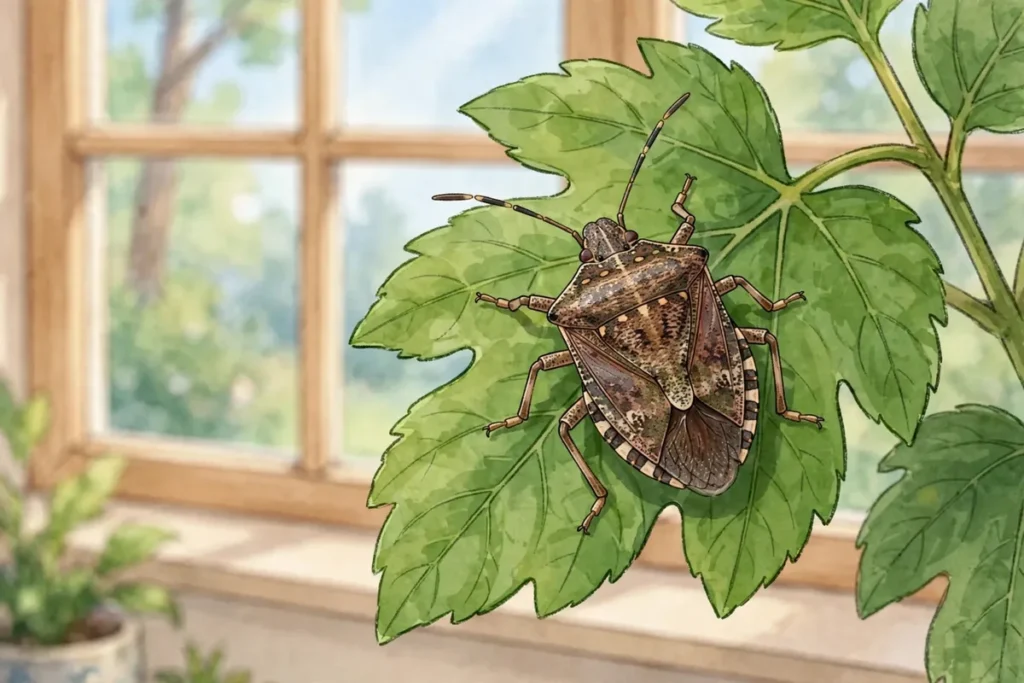
Every fall, brown marmorated stink bugs march into American homes by the dozens, and with them comes the worried question: do stink bugs bite? Someone in the house reports a sharp sting, a red patch, or burning eyes after handling one, and the natural conclusion is that the bug bit them.
The honest answer is no. Stink bugs do not bite people. Their mouthparts are built for piercing plants, not skin, and they cannot break human skin no matter how motivated they are. But the story does not end there, because stink bugs have a chemical defense that genuinely burns, irritates eyes, and fools people into feeling bitten. This article separates the myth from the chemistry, corrects a false claim circulating on some pest-control sites, covers real first aid for skin and eyes, and flags the one lookalike insect that truly does bite.
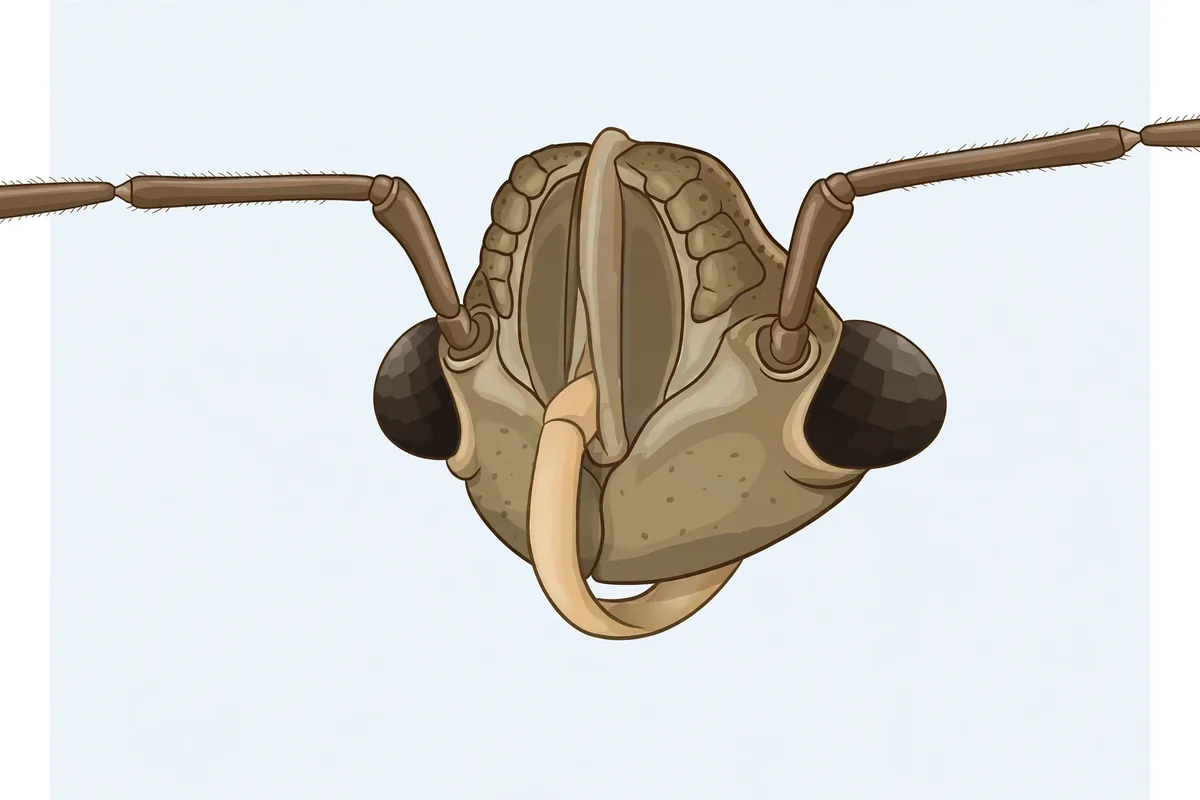
Start with the hardware. Stink bugs belong to the family Pentatomidae, the shield bugs, and like their plant-feeding relatives they carry piercing-sucking mouthparts: a slender, straw-like beak called a rostrum, tucked under the body when not in use. They drive that rostrum into fruit, seeds, and stems to suck out plant juices. It is a precision tool for plumbing into plant tissue.
Human skin is a different engineering problem, and the stink bug’s tool is not up to it. The rostrum cannot pierce human skin, and stink bugs have no interest in trying: they do not feed on blood, do not seek out people, and would rather avoid you entirely. Pest-control and allergy sources are consistent on this point. The defensive secretion, not the mouth, is what causes every “bite-like” complaint.
The rare exception that proves the rule. On very rare occasions, a stink bug trapped against skin, inside clothing or a glove, may press its rostrum against the surface and produce a light pinching or prickly sensation. This is not a true bite: nothing pierces, nothing is injected, and it cannot break the skin. Think of it as the insect equivalent of poking you with a blunt straw. Uncomfortable for a second, medically meaningless.
If stink bugs cannot bite, what caused the sharp burn, the red patch, or the sudden sting sensation? The answer is the chemical weapon that gives them their name.
The defensive spray. When threatened, handled roughly, or crushed, stink bugs release a foul-smelling liquid from specialized scent glands. This secretion is a cocktail of pungent aldehydes and related compounds, oily, persistent, and genuinely irritating to human tissue. On skin it can cause a burning sensation that arrives suddenly and sharply, which is exactly why people describe it as feeling like a bite or sting. The sensation is chemical, not mechanical.
What it does to skin. Direct contact with the secretion can cause redness, itching, and mild swelling, a form of contact dermatitis, especially in people with sensitive skin. Crushing a bug and then touching your face transfers the compounds to thinner, more reactive skin, which intensifies the effect. The residue can also stain skin brownish and leave the famous lingering odor that soap struggles to remove on the first wash.
Why it fools the brain. Pain is pain to the nervous system, and a sudden chemical burn on the forearm feels subjectively identical to an insect bite in the first seconds. The brain pattern-matches: bug plus sharp pain equals bite. Only the aftermath differs. A true bite or sting leaves a puncture-centered reaction that evolves over hours; secretion irritation is diffuse, surface-level, and fades as the chemical is washed away.
This section exists because misinformation on this exact question is currently ranking in search results, and it needs a direct correction.
The false claim. At least one pest-control website claims that stink bug bites cause pain similar to a bee sting. This is wrong, and it is wrong in a way that matters. Bee stings involve a venom-injecting stinger, a puncture wound, and an immune response that can escalate to anaphylaxis in allergic people. Stink bugs have no stinger, no venom, inject nothing, and cannot puncture skin at all. Equating the two is not a simplification; it is a fabrication, and it needlessly frightens people dealing with a harmless household nuisance.
What the evidence actually shows. No medical literature documents stink bugs inflicting bee-sting-like pain, because the mechanism does not exist. What the literature and clinical sources do document is contact irritation from the defensive secretion: burning, redness, itching, and eye irritation, all surface-level, all self-limited with proper washing and flushing. Unpleasant, yes. Comparable to a bee sting, no.
Why the correction matters for your decisions. If you believe a stink bug “stung” you like a bee, you might reach for sting treatments, worry about venom allergy, or panic about a child who handled one. The correct frame, chemical irritation, points to the correct response: wash the skin, flush the eyes if involved, and move on. Accurate information produces calmer, better decisions, which is the entire point of myth-busting.
With the bite question settled, here is the practical guide to the real effects of stink bug secretion and what to do about each.
Skin contact. Wash the area promptly and thoroughly with soap and lukewarm water. Soap matters because the secretion is oily, and water alone spreads it around. Remove the odor and the irritant together. Most redness and itching fade within hours once the chemical is off the skin. Do not scrub raw; gentle, thorough washing beats aggressive friction. If a rash spreads, blisters, or persists beyond a day or two of washing, that is a reason to see a clinician rather than keep waiting.
Eye contact. This is the one scenario that deserves real respect. If stink bug secretion gets into the eyes, it causes burning, tearing, redness, and a gritty sensation, an acute chemical conjunctivitis. The first aid is immediate, generous irrigation: flush the affected eye continuously with room-temperature water or sterile saline for 10 to 15 minutes. Remove contact lenses before flushing and do not reinsert them until all symptoms have fully resolved. Permanent eye damage from stink bug secretion is not an established pattern in reported cases; with prompt irrigation, symptoms are self-limited and resolve as the chemical is washed out, but persistent pain, ongoing redness, or any change in vision after thorough flushing warrants an eye doctor or emergency department visit to rule out corneal abrasion.
Inhalation. Crushing many stink bugs at once, or disturbing a large overwintering cluster, can release enough airborne secretion to irritate the nose and throat. People with asthma, allergies, or other respiratory sensitivities may notice coughing or wheezing. Move to fresh air, and anyone with significant breathing difficulty should seek care promptly. This is uncommon in normal household encounters but worth knowing if you find a large aggregation behind shutters or in an attic.
Secondary infection. The secretion itself does not cause infection, but scratching irritated skin can introduce bacteria. Keep nails short, avoid scratching, and watch for the classic infection signs, increasing heat, swelling, pus, or red streaks, covered in the doctor section below.

Dogs and cats find stink bugs fascinating, and they eat them. The secretion that irritates human skin irritates animal mouths more directly.
What happens. A pet that crunches a stink bug typically drools heavily, paws at its mouth, and may vomit. The irritation is chemical and oral, not a bite or sting, and in most cases it resolves on its own once the taste and secretion clear. Offer water, and do not try to rinse the mouth forcefully, which risks aspiration.
When to call the vet. Most cases need no intervention beyond monitoring, but call your veterinarian if vomiting is repeated or persistent, if the pet refuses water, if drooling continues for hours, or if you see swelling of the muzzle or difficulty breathing, which could indicate an allergic reaction rather than simple irritation. As with any pet exposure question, the vet, not the internet, makes the call on whether an exam is needed.
Prevention is simple. Vacuum stink bugs rather than leaving them where pets can hunt them, and check pet bedding areas in fall when invasions peak. Cats that bat at windowsill bugs are usually fine; dogs that eat them enthusiastically are the ones who learn the lesson the hard way.
Here is the genuinely important identification warning in this article. Not everything shield-shaped and brown is a stink bug, and one common lookalike absolutely does bite people.
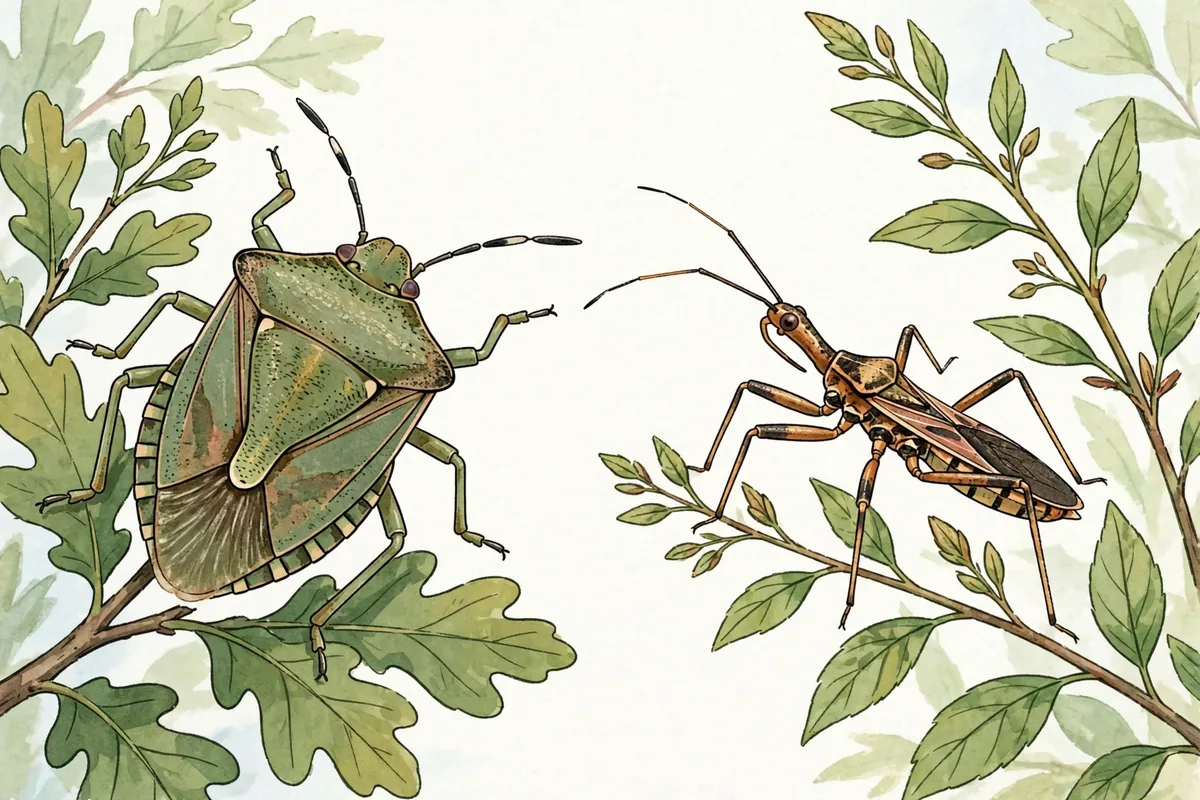
The wheel bug and other assassin bugs. Assassin bugs (family Reduviidae) are predatory insects with narrow heads, long legs, and a stout, curved beak they use to stab prey. Unlike stink bugs, their beak can pierce human skin, and a defensive bite from a wheel bug or masked hunter is famously painful, often described as worse than a wasp sting, with local swelling that can last days. They do not seek people out, but they bite hard when handled or trapped against skin.
How to tell them apart. Stink bugs are broad and shield-shaped, about half an inch long, with a wide body and white banding on the antennae. Assassin bugs are narrower, with a distinct thin “neck,” longer legs, and in the wheel bug’s case a cog-like wheel on its back. If the insect looks like a stink bug but with a skinny neck and long stilt-like legs, do not handle it.
The boxelder comparison. Boxelder bugs, another fall home invader, are sometimes confused with stink bugs too. Like stink bugs, they do not bite; their defense is also chemical, and they are mainly a staining nuisance. The pattern holds: fall’s home-invading true bugs are overwhelmingly harmless to people, with assassin bugs as the notable exception.
| Feature | Brown marmorated stink bug | Assassin bug (e.g., wheel bug) | Boxelder bug |
|---|---|---|---|
| Body shape | Broad shield, half inch | Narrow, long legs, thin neck | Narrow oval, black with red markings |
| Bites people? | No, cannot pierce skin | Yes, painful defensive bite | No |
| Main complaint | Smell, secretion irritation | Painful bite if handled | Staining, nuisance numbers |
| Handling rule | Vacuum or soapy water, avoid crushing | Do not handle, ever | Vacuum, seal entry points |
If you are unsure which one you have, photograph it rather than picking it up. The photo is enough for identification, and your fingers stay out of the experiment.
Stink bugs enter homes each fall seeking overwintering shelter, the same seasonal logic as cluster flies. The strategy is exclusion plus gentle removal, not chemical warfare.
Seal entry points in late summer. Caulk around windows and doors, repair screens, seal gaps around utility lines, and close off attic and chimney access. Stink bugs are famously good at finding the one unsealed gap, so thoroughness beats speed.
Remove them gently. Vacuum with a hose attachment, or drop them into soapy water, which kills without triggering the full defensive spray. Avoid crushing them indoors: squashing releases the maximum secretion, stinks up the room, and can stain walls, curtains, and upholstery.
Skip the indoor insecticide sprays as a first response. For an insect that cannot bite, does not transmit disease, and is not reproducing in your home, broadcast indoor spraying trades a nuisance for chemical exposure without solving the entry problem. Seal, vacuum, and repeat next August.
The garden side. Outdoors, stink bugs are a genuine agricultural pest, damaging fruit, vegetables, and ornamentals. That is a gardening problem with gardening solutions, and it has nothing to do with whether they bite you. Keep the two contexts separate in your planning.
Stink bugs do not bite, but their secretion can cause real irritation, and this section covers when that irritation, or a misidentified bite, needs professional care.
Eye exposure first aid, repeated because it matters: flush the affected eye continuously with room-temperature water or sterile saline for 10 to 15 minutes, remove contact lenses first, and do not reinsert them until symptoms fully resolve. See an eye doctor or go to the emergency department if eye pain, redness, tearing, or any vision change persists after thorough flushing.
See a clinician promptly for skin issues if:
Call 911 for: trouble breathing, swelling of the lips, tongue, or face, dizziness, or fainting. True anaphylaxis to stink bug exposure is not a documented pattern, but these signs after any insect encounter always warrant emergency care, and they are also the signs of a real bee or wasp sting, which is worth ruling out if the insect was misidentified. Our bee sting warning signs describe what an actual sting emergency looks like, a useful contrast now that you know stink bugs cannot produce one. For eye-specific sting and bite guidance, our bee sting near the eye doc covers the general principles of eye-area first aid.
Can stink bugs bite you in your sleep?
No. Stink bugs cannot bite at any time of day, asleep or awake, because their mouthparts cannot pierce human skin. If you wake with red marks or itching during stink bug season, the marks came from something else: bed bugs, fleas, mosquitoes, or contact irritation from secretion if you crushed one in the bedding. Investigate the actual biter rather than blaming the visible stink bugs.
What does a stink bug “bite” look like?
There is no such thing as a true stink bug bite mark, so there is nothing to photograph or compare. What people describe is usually a diffuse red patch or mild swelling where secretion contacted the skin, without a central puncture point. A mark with a clear puncture, a stinger, or a rapidly swelling puncture-centered welt points to a different insect, such as a bee, wasp, or spider, and should be evaluated on its own terms.
Are stink bugs poisonous to humans?
No. Stink bugs are not venomous, not poisonous, and do not transmit diseases to people. Their defensive secretion is an irritant, not a toxin: it burns and smells terrible, but it does not poison you, and washing it off resolves the problem. The distinction matters because “poisonous” implies systemic danger that simply does not exist here. Keep them off your skin and out of your eyes, and they are harmless.
Why do stink bugs stink, and does the smell mean danger?
The smell is a defense against predators, mainly birds, not a warning to humans. The same aldehyde compounds that taste awful to a bird irritate human skin and eyes on contact, which is the entire basis of the “bite” confusion. The smell itself, just the odor in the air, is not dangerous; it is the concentrated liquid on skin or in eyes that causes irritation. Ventilate the room, wash what the bug touched, and the incident is over.
Do stink bugs lay eggs in houses?
No. Like cluster flies, stink bugs come indoors to overwinter as adults, not to breed. They do not lay eggs in your walls, furniture, or pantry, and the ones you see in fall and winter are the same individuals waiting for spring. You will not get an exponentially growing indoor population from the bugs already inside. Vacuum them, seal the entries, and the cycle ends when they leave in spring.
Medically reviewed by Dr. Sarah Jones, MD.
This article is for informational purposes only and isn’t medical advice. If you’re worried about a bite or sting, talk to a healthcare professional.
Dr. Jones oversees StingHelp’s clinical verification process. Every guide is systematically evaluated against active Centers for Disease Control and Prevention (CDC), Environmental Protection Agency (EPA), and American Academy of Allergy, Asthma & Immunology (AAAAI) medical consensus standards to ensure symptom distinctions and care recommendations are clinically sound.
Explore physician-reviewed first-aid procedures, identification clues, and symptom comparisons for other common outdoor bites and stings.
Mid-October brings a familiar scene: big, sluggish flies crawling across the windowsills, buzzing heavily when disturbed, and gathering in sunny rooms. The instinctive question…

You are getting bitten indoors, you cannot find the culprit, and the bites seem to come out of nowhere, often at night. When the…
You found something tiny and white, and now the question is bed bug eggs vs flea eggs: identification guide territory. Getting this right matters…