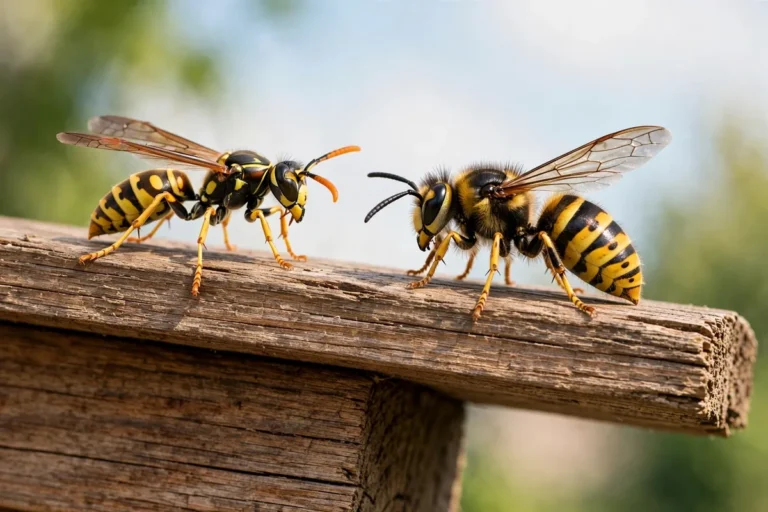
The Short Answer
Technically yes, but you should never use it that way. When you ask does tea tree oil kill fleas, the honest answer has two halves that must stay together. Concentrated tea tree oil can kill fleas on direct contact, which is exactly why the viral videos look convincing. But tea tree oil is toxic to dogs and cats, and applying it to your pet as a flea treatment can cause drooling, tremors, loss of coordination, collapse, and liver damage. A landmark 2014 study in the Journal of the American Veterinary Medical Association documented 443 cases of tea tree oil poisoning in dogs and cats reported to the ASPCA Animal Poison Control Center, most of them from owners intentionally using it on their animals. This article explains the evidence, the toxicity data, and what safe flea control actually looks like. It does not contain instructions for using tea tree oil on pets, because veterinarians advise against it.
The danger of this particular myth is that it is half true. Most flea myths fail because the remedy does nothing. Tea tree oil fails in the opposite direction: it does something, and that something is poisoning the animal you are trying to protect. Every section below keeps that framing front and center, because the internet is full of content that mentions the flea-killing half and buries the toxicity half. You deserve both.
Why the Videos Look Convincing
Search for tea tree oil and fleas and you will find videos of fleas dying in dishes of oil, or pet owners reporting that fleas “fell right off” after a tea tree oil application. These demonstrations are real in the narrowest sense: concentrated tea tree oil contains terpenes, aromatic compounds that are genuinely insecticidal on direct contact. Drop a flea into undiluted tea tree oil and the flea will die. That is chemistry, not trick photography.
What the videos do not show is the rest of the story. A dish is not a dog. Killing fleas in a bowl says nothing about whether the treatment is safe on living skin, whether it addresses the 95 percent of the flea population living in the environment as eggs, larvae, and pupae, or whether the pet survives the treatment unharmed. The videos also do not follow up. Nobody films the same dog twelve hours later, when tea tree oil poisoning signs typically begin: the wobbling walk, the drooling, the vacant staring. The convincing part of the demonstration is real; the safety of it is an illusion created by stopping the camera too early.
Contact Kill Is Not Flea Control
Even setting toxicity aside, contact killing is a poor flea strategy. Fleas that die on contact with oil on the dog’s coat are replaced within hours by new fleas emerging from pupae in carpets and bedding. Effective flea control requires breaking the life cycle, killing fleas before they reproduce and treating the environment where the immature stages live. A substance that kills the occasional adult flea on contact, while poisoning the host animal, is the worst of both worlds: dangerous and ineffective at the population level.
The 443 Cases That Changed Veterinary Advice
The definitive study on tea tree oil poisoning in pets is Khan, McLean, and Slater (2014), “Concentrated tea tree oil toxicosis in dogs and cats: 443 cases (2002 to 2012),” published in the Journal of the American Veterinary Medical Association. The authors reviewed a decade of calls to the ASPCA Animal Poison Control Center involving exposure to 100 percent tea tree oil. The numbers are sobering.
Of the 443 animals, 337 were dogs and 106 were cats. In 89 percent of cases, the tea tree oil had been used intentionally, most often by owners applying it to the animal for skin problems, fleas, or as a “natural” remedy. The amounts ranged from 0.1 milliliters (about two drops) to 85 milliliters (around three tablespoons). Seventy-seven percent of the exposed animals developed clinical signs consistent with toxicity. Signs appeared within 2 to 12 hours of exposure and lasted up to 72 hours. The most commonly reported abnormalities were drooling, depression and lethargy, weakness, incoordination, muscle tremors, and elevated liver enzymes. Less common but documented were vomiting, skin rashes, collapse, and coma.
The Detail That Matters Most
Here is the finding that should end every internet debate about “just a drop on the collar.” Exposure route did not protect the animals. Dogs and cats that had tea tree oil applied only to the skin, with no ingestion, developed the same neurological signs as animals that swallowed it. Dermal exposure caused poisoning just as reliably as oral exposure. Cats were at particular risk: younger cats and smaller cats showed a significantly higher prevalence of severe illness. This demolishes the two most common reassurances you will read online: “I only put it on the fur, they didn’t lick it” and “it was just a tiny amount.” Two drops were enough to appear in a poison control database.
How Tea Tree Oil Poisons Pets
Tea tree oil’s toxic components are terpenes, the same compounds responsible for its characteristic medicinal smell and its antimicrobial properties in human products. In people, appropriately formulated tea tree oil products are generally well tolerated on intact skin. Dogs and cats are not small people, and their vulnerability comes from two directions.
First, skin absorption. The 2014 study demonstrated that terpenes pass through animal skin in sufficient quantity to cause systemic neurological signs. Dogs and cats have thinner skin relative to body mass than humans in many areas, and oil applied to the coat spreads, concentrates in skin folds, and persists. Second, grooming. Dogs lick, and cats are compulsive groomers, so anything on the coat eventually reaches the mouth. The study found combined skin-plus-oral exposure in 30 percent of cases, but as noted, skin alone was sufficient.
Why Cats Are in Greater Danger
Cats deserve special emphasis because the feline liver lacks certain enzymes, particularly glucuronyl transferase pathways, that other mammals use to metabolize terpenes and similar compounds. This is the same metabolic gap that makes many essential oils dangerous to cats. In the 443-case study, younger and lighter cats were significantly more likely to develop major illness. If you share your home with cats, tea tree oil should not be used on any pet in the household, applied to bedding, or diffused heavily in enclosed spaces where cats cannot leave. A “flea treatment” applied to the dog can poison the cat that sleeps curled against it.
Signs of Tea Tree Oil Poisoning in Pets
Poisoning signs typically begin 2 to 12 hours after exposure, which creates a dangerous delay: the owner applies the oil, sees fleas dying, feels satisfied, and goes to bed. The crisis unfolds overnight. Knowing the signs can save your pet’s life because early veterinary care dramatically improves outcomes.
Watch for excessive drooling or hypersalivation, unusual lethargy or depression, weakness, and loss of coordination, the wobbly, drunken walk veterinarians call ataxia. Muscle tremors, partial weakness in the legs, vomiting, and skin irritation at the application site are also documented. In severe cases, animals can collapse or lose consciousness. Blood work may show elevated liver enzymes, reflecting the liver’s struggle to process the terpenes. Signs can persist for up to three days even with treatment.
What to Do If Your Pet Is Exposed
If you suspect tea tree oil exposure, act quickly and do not try to manage it at home. Call your veterinarian or an animal poison control line immediately. Do not “wait and see,” because signs can worsen over hours, and do not attempt home decontamination with other chemicals or solvents, which can make absorption worse. If the oil was recently applied to the skin, your veterinarian may recommend gentle bathing with lukewarm water and mild dish soap, but follow professional guidance rather than improvising. Bring the product packaging so the vet knows the concentration. There is no specific antidote for terpene poisoning; treatment is supportive, intravenous fluids, temperature regulation, anti-seizure medication if needed, and liver support, which is why getting to a clinic promptly matters so much.
The “Proper Dilution Makes It Safe” Myth
The most persistent rebuttal to the toxicity data is the dilution argument: sure, 100 percent tea tree oil is dangerous, but a properly diluted preparation is safe and still kills fleas. This sounds reasonable and is not supported by evidence. Here is why veterinarians do not accept it.
First, “proper dilution” has no standard definition in the world of homemade pet remedies. The internet offers ratios ranging from a few drops per cup of carrier oil to a few drops per spray bottle, with no testing behind any of them. Home dilution is imprecise: drops vary in size, carrier oils vary, and owners mismeasure. Second, dilution reduces but does not eliminate the hazard, and the margin between “dilute enough to be safe” and “concentrated enough to kill fleas” has never been established in any study. You would be guessing at both ends of the equation simultaneously. Third, cats groom, dogs lick, and diluted oil on a coat still reaches mouths and sensitive skin.
Some commercial pet products contain very low concentrations of tea tree oil or its derivatives, formulated and tested by manufacturers. Those products are a separate category from homemade dilutions, and even they should be used exactly as labeled, never on cats unless the label explicitly states feline safety, and ideally only after a conversation with your veterinarian. A manufactured product with a tested formulation is not an endorsement of the DIY version.
Tea Tree Oil Around the Home
What about using tea tree oil in the home environment, on bedding, carpets, or in diffusers, rather than on the pet? The same cautions apply in weaker form. Residues on bedding end up on skin and in mouths. Heavy diffuser use in small, poorly ventilated rooms can irritate pets’ airways, and cats in particular should always be able to leave a room where essential oils are diffused. If your goal is environmental flea control, proven methods, frequent vacuuming with the bag disposed outside, hot-water laundering of all pet bedding, exist without the toxicity gamble. There is no flea-control job that requires tea tree oil specifically.
What Actually Works Against Fleas
Safe, effective flea control has been worked out over decades, and it does not involve essential oils. The modern toolkit gives you options for nearly every dog and cat.
| Method | Best For | Key Facts |
|---|---|---|
| Oral chewable preventives | Dogs (and some cats with feline-labeled products) | Prescription; kills fleas when they bite; fast-acting; no coat residue |
| Topical spot-on treatments | Dogs and cats (species-specific formulas) | Monthly; long safety history; never use dog formulas on cats |
| Long-acting collars | Dogs needing extended protection | Up to 8 months; must fit correctly; keep away from cats that chew collars |
| Environmental control | Every household | Vacuuming, hot-water laundry, flea combing; targets the 95% of fleas off the pet |
Two warnings from the toxicity theme of this article apply to real products too. First, never use a dog flea product on a cat. Certain canine topicals contain permethrin, which is safe for dogs and potentially fatal to cats. Species-specific labeling is not a suggestion. Second, buy preventives from your veterinarian or a reputable pharmacy. Counterfeit flea products are a documented problem online, and a fake product may contain anything.
Building a Plan With Your Veterinarian
Flea control works best as a plan rather than a product. Your veterinarian can account for your pet’s species, age, weight, and health, whether there are cats in the home, and the severity of the infestation. Heavy infestations may need a combination approach: a fast-acting adulticide to knock down the biting population, a long-term preventive to keep it down, and environmental measures to eliminate the reservoir in the home. Puppies and kittens can start proven preventives at young ages, so “too young for chemicals” is rarely a reason to gamble on unproven remedies. This ten-minute conversation replaces years of trial, error, and risk.
Why Honest Answers Beat Viral Hacks
The tea tree oil story is a case study in how half-truths travel faster than full ones. “Tea tree oil kills fleas” is shareable. “Tea tree oil kills fleas on contact but the 2014 JAVMA study documented 443 poisoned pets, most from intentional use by owners, with neurological signs lasting up to three days” is not. Social media rewards the first version, and pets pay for the gap between the versions.
The pattern repeats across the natural-remedy space: a compound with real biological activity gets promoted for a use that was never tested, the risks get minimized with words like “just dilute it,” and the people who follow the advice discover the risks firsthand. You can break the pattern by asking one question of any flea remedy: has it been tested for both safety and efficacy in the species I want to use it on? For tea tree oil on pets, the safety testing exists, and it says danger. The efficacy testing for flea control on living animals does not exist at all. That combination, proven harm plus unproven benefit, is the clearest possible signal to choose something else.
When to See a Doctor for Flea Bites
Flea bites on people usually show up as small, fiercely itchy red bumps around the ankles, lower legs, and waistline. They are miserable but rarely dangerous. Still, know when to escalate.
Seek emergency care for signs of severe allergic reaction: trouble breathing, swelling of the face, lips, or throat, dizziness, or fainting. Anaphylaxis from flea bites is rare, but any suspected anaphylaxis is an emergency. Our anaphylaxis warning signs guide explains the full picture.
See a doctor or urgent care for infection signs: spreading redness, warmth, swelling that increases after 48 hours, pus, red streaks from the bite, or fever. Scratching is the main route from bite to infection, so avoid scratching and keep the area clean.
Get veterinary help immediately if your pet shows any poisoning signs after essential oil exposure: drooling, wobbliness, tremors, lethargy, vomiting, or collapse. Remember the 2-to-12-hour delay: a pet that seemed fine at bedtime can be in crisis by morning. Call your vet or an animal poison control line at the first suspicion, and bring the product packaging.
Frequently Asked Questions
Does tea tree oil kill fleas on contact?
Concentrated tea tree oil can kill fleas on direct contact because its terpenes are insecticidal. But contact killing is not flea control: it does nothing about the eggs, larvae, and pupae living in your home, which make up about 95 percent of the infestation. More importantly, the same terpenes poison dogs and cats through skin contact alone, as documented in 443 ASPCA poison-control cases. A substance that kills some fleas while hospitalizing the pet is not a flea treatment.
Is diluted tea tree oil safe for dogs?
There is no established safe dilution of homemade tea tree oil preparations for dogs, and veterinarians advise against the practice. Home dilution is imprecise, the safety margin has never been studied, and dogs lick anything applied to their coat. The 2014 JAVMA study found that even small amounts, down to about two drops of concentrated oil, were associated with toxicity cases. Do not rely on internet dilution ratios.
Can I use tea tree oil on my cat for fleas?
Absolutely not. Cats are significantly more vulnerable to tea tree oil poisoning than dogs because their livers cannot efficiently metabolize terpenes. In the 443-case study, younger and smaller cats had a significantly higher rate of severe illness. Never apply tea tree oil, or any essential oil flea remedy, to a cat, and keep tea tree oil products away from cats in multi-pet households.
What should I do if I already put tea tree oil on my pet?
Call your veterinarian or an animal poison control line right away, even if your pet seems normal. Signs typically begin 2 to 12 hours after exposure, so “seems fine” early on means nothing. Do not try to counteract it with other home chemicals. Your vet may recommend gentle bathing with mild soap and will provide supportive care, monitoring for neurological signs and liver effects over the following days.
What is the safest flea treatment for a multi-pet household with cats?
Ask your veterinarian for species-appropriate preventives: products labeled for dogs for the dogs, products labeled for cats for the cats, never cross-applied. Many canine topicals contain permethrin, which can be fatal to cats, so keeping dog and cat products strictly separated is critical. Combine preventives with environmental control, vacuuming, hot-water laundering of bedding, which is safe for every species in the home.
Medically reviewed by Dr. Sarah Jones, MD.
This article is for informational purposes only and isn’t medical advice. If you’re worried about a bite or sting, talk to a healthcare professional.