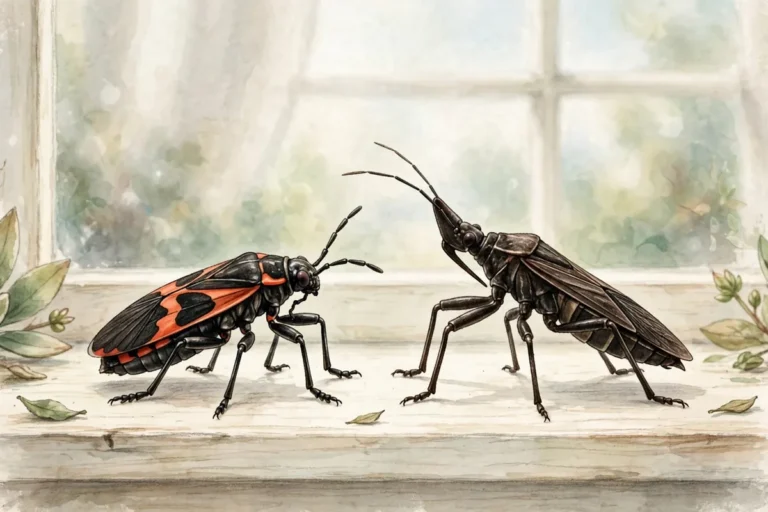
You brushed against a caterpillar on an oak branch, and now your arm is on fire. Was it the spiny black one with the branching bristles, or the soft-looking cream-colored one that resembles a tiny toupee? The question buck moth caterpillar sting vs puss caterpillar sting matters because these two southern stinging caterpillars look nothing alike, hurt on different timelines, and demand slightly different first aid.
Here is the direct answer: the puss caterpillar, also called the asp, is widely regarded as the more painful and more medically significant of the two, capable of producing severe burning pain and occasionally systemic symptoms. The buck moth caterpillar still delivers a genuinely nasty sting, often described as comparable to a bee sting, with burning, itching, and welts that can linger for days. Both are venomous, neither is something to tough out without care, and both respond to the same core first aid. This article compares the two caterpillars side by side, explains how their venom works, gives you step-by-step first aid, and covers when a sting needs medical attention.
Meet the Two Contenders
The buck moth caterpillar (Hemileuca maia)
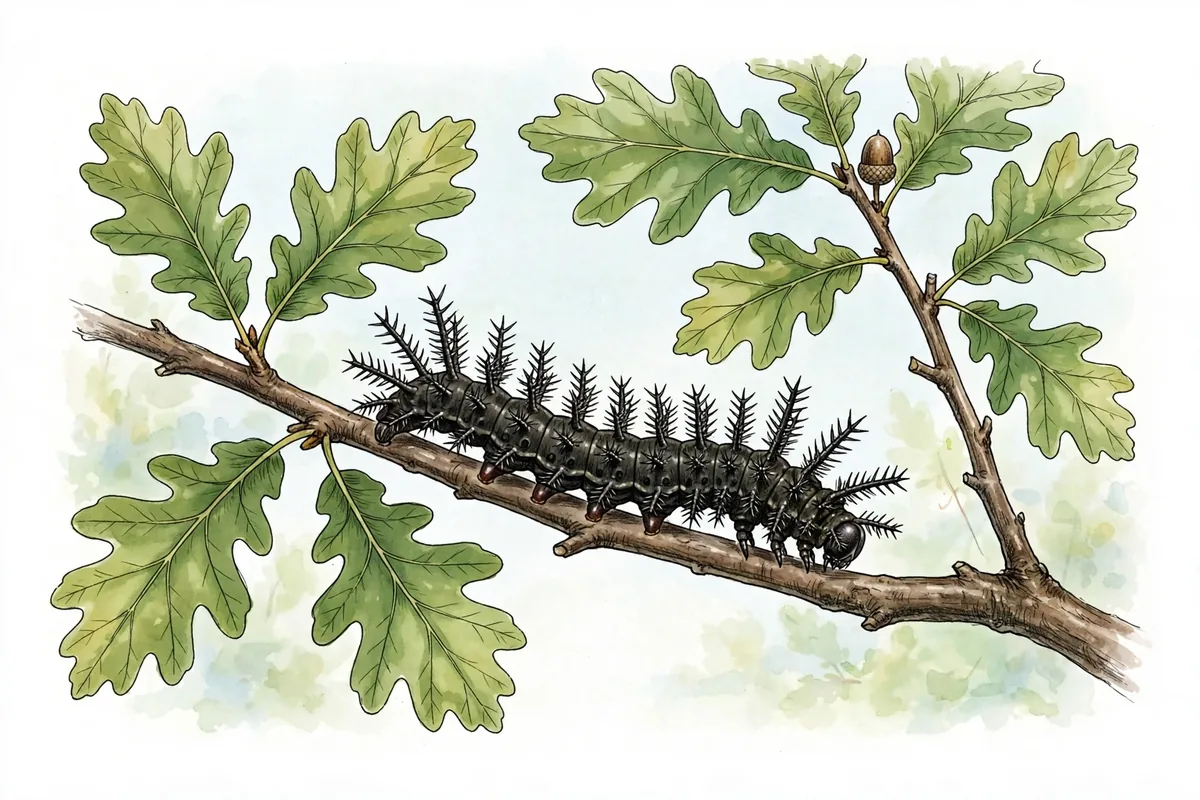
The buck moth caterpillar is the larval stage of the buck moth, Hemileuca maia. It is a spiny, bristly caterpillar, brownish-black in color though sometimes lighter, with long multi-branched spines arranged in rings around its body. Those spines are attached to venom glands, and touching them drives the spines into skin and delivers the venom. Buck moth caterpillars are oak specialists, most commonly found on oak trees, though Virginia Tech’s extension notes they also occur on willow, hazelnut, cherry, and rose. They have one generation per year: eggs laid in the fall overwinter, hatch in the spring, and the caterpillars are most abundant in early summer, particularly June. Young caterpillars cluster together on host plants, while older ones wander singly, and the adult moths emerge in the fall to mate and lay eggs. In the Gulf South, especially around Baton Rouge and New Orleans, buck moth caterpillars are a genuine seasonal public health nuisance: New Orleans-area health-system physicians publish treatment guidance every April and May, when the caterpillars are most abundant.
The puss caterpillar (Megalopyge opercularis)
The puss caterpillar is the larval stage of the southern flannel moth, Megalopyge opercularis. It is one of the most deceptive insects in North America: it looks like a soft, fluffy, cream or gray tuft of fur, the kind of thing a child might want to pick up. Hidden among those soft hairs are venomous spines, and contact produces what many entomologists and physicians consider the worst caterpillar sting in the United States. Southern outdoor guides regularly list the buck moth, puss, saddleback, and io moth among the main stinging caterpillars pestering people in the South, and the puss consistently ranks at the top of the pain scale. Reports describe its populations expanding on the East Coast in recent years, widening the zones where people encounter it.
Both caterpillars are defensive, not aggressive. Neither hunts people; both sting when pressed against skin, whether by a curious hand, a forearm brushing a branch, or a caterpillar that fell onto clothing or a picnic blanket and was leaned on unknowingly.
Visual ID: Telling Them Apart at a Glance
Identification is the fastest way to know what stung you, because the two look nothing alike. Here is the full comparison.
| Feature | Buck moth caterpillar | Puss caterpillar (asp) |
|---|---|---|
| Scientific name | Hemileuca maia | Megalopyge opercularis |
| Appearance | Dark brownish-black, openly spiny with long branched bristles | Soft, fluffy, cream-to-gray “fur” hiding venomous spines |
| Deceptiveness | Looks dangerous, is dangerous | Looks harmless, is dangerous |
| Size | Up to about 2.5 inches when mature | About 1 to 1.5 inches, teardrop shaped |
| Habitat | Oak trees primarily; also willow, hazelnut, cherry, rose | Oaks, elms, citrus, roses, and many garden shrubs |
| Season | Caterpillars mainly early summer (June); adults in fall | Late summer through fall, depending on region |
| Behavior | Young cluster in groups; older wander singly | Usually found singly, often on the underside of leaves |
| Sting mechanism | Visible spines break off into skin | Hidden spines beneath soft hairs penetrate on contact |
If you saw obvious spines, you likely met a buck moth caterpillar. If you touched something that looked soft and furry and immediately regretted it, that was almost certainly a puss caterpillar. The puss’s disguise is the reason it stings so many people: the fluffy coat invites touch, and the venomous spines beneath do the rest. Teaching children this specific lesson, that the softest-looking caterpillar is the one to avoid, is one of the most useful pieces of outdoor safety education in the South.
A note on a common mix-up: buck moth caterpillars are sometimes confused with spiny elm caterpillars and spongy moth caterpillars, which are active at the same time of year. The multi-branched spines in rings and the oak association are the best field marks, but for sting purposes the distinction matters less than the response, since first aid overlaps.
How the Venom Works and Which Hurts More
Both caterpillars deliver venom through hollow or venom-coated spines, but the chemistry and the pain profile differ in ways that explain their reputations.
Buck moth caterpillar venom produces a burning, stinging sensation that sources compare to a bee sting, sometimes worse. The spines, called setae, are attached to venom glands containing urticating fluid; when touched, they break off in the skin and release it. The result is severe itching, swelling, redness, and welts that can persist from 24 hours to a week. Sensitive individuals may experience nausea within the first few hours after contact. The pain is real and memorable, but it is usually local: it stays where the spines went in, and systemic symptoms beyond nausea are uncommon.
Puss caterpillar venom hits harder. Contact typically causes immediate, severe, radiating burning pain, often described as far worse than a bee or wasp sting, accompanied by a rash and swelling. The pain of a puss sting usually subsides in about an hour, but that hour can be excruciating, and in some cases the reaction is more severe, with swelling, nausea, headache, and in rare cases difficulty breathing or other systemic signs that require medical care. The venom appears to be more potent, and because the spines are hidden, people often press harder or longer before realizing what they touched, delivering a larger dose.
So which hurts more? By the consensus of entomologists, physicians, and the many sting victims who have experienced both, the puss caterpillar wins this contest decisively. It is widely described as the most painful caterpillar sting in the United States. The buck moth caterpillar is no consolation prize, though: its sting is genuinely painful, longer-lasting in its local effects, and fully capable of ruining a week. The honest ranking is that a puss sting is the more intense and more urgent event, while a buck moth sting is the more lingering one.
First Aid That Actually Helps
The good news is that first aid for both stings follows the same steps, and physicians who treat these stings seasonally agree on the protocol. Act promptly; the sooner the spines are removed and the area cooled, the better the outcome.
Step 1: Remove the spines
This is the most important step and the one people skip. For buck moth caterpillars, the spines are visible; for puss caterpillars, they are the invisible venomous hairs hidden in the fluff. Press adhesive tape firmly over the sting area and pull it off, repeating with fresh tape several times. Alternatively, use tweezers for visible spines or scrape gently with the edge of a credit card. Do not use your bare fingers; you will only drive more spines in or sting yourself. Physicians at New Orleans’s University Medical Center, who treat these stings every spring, emphasize spine removal first, using forceps or stripping with tape.
Step 2: Wash the area
Wash gently with soap and lukewarm water to remove residual venom and hairs from the skin surface. Avoid scrubbing hard, which can break off more spine tips in the skin.
Step 3: Cool it
Apply an ice pack wrapped in a thin cloth for 10 to 15 minutes at a time. Cold reduces pain, swelling, and the itch. The cold compress routine we recommend for bites and stings generally applies here as well.
Step 4: Soothe the skin
Physicians treating buck moth stings advise applying a paste of baking soda and water, followed by hydrocortisone cream. The baking soda paste is a traditional soothing measure; the hydrocortisone addresses the inflammatory component of the reaction.
Step 5: Manage pain and itch
For significant pain, an over-the-counter pain reliever such as ibuprofen can help; for itching or a stronger local reaction, an oral antihistamine may be appropriate. Talk to your pharmacist or clinician about which option fits, especially for children, and never guess at doses for kids. Our general bite and sting first aid checklist covers the sequencing if you want a printable reference.
Step 6: Watch and wait
Monitor the area over the next 24 to 72 hours. Expect the buck moth sting to remain sore and itchy for a day or two, sometimes longer. Expect the puss sting’s worst pain to fade within an hour or so, with residual tenderness and rash after. Keep the area clean, resist scratching, and note whether the trend is improving.
What not to do: do not apply heat to a fresh sting, do not cut or squeeze the area, and do not apply unproven home remedies like meat tenderizer or bleach. These add irritation without removing venom.
Prevention: Look, Don’t Touch

Avoidance is genuinely the best treatment for stinging caterpillars, and it is mostly a matter of habits during the caterpillar season.
Under oak trees in spring and early summer, wear a wide-brimmed hat and clothing that covers your arms and legs; buck moth caterpillars fall from oaks and can land on shoulders, necks, and picnic gear. Shake out towels, blankets, and clothing left under trees before using them, because these caterpillars cling to fabric and can sting hours later when the fabric is handled. Wear shoes outdoors rather than going barefoot, since wandering mature caterpillars end up on the ground. Gardeners working around oaks, roses, elms, and citrus should wear gloves; puss caterpillars favor the undersides of leaves on exactly these plants.
Teach children the rule plainly: never touch a hairy or spiny caterpillar, and be especially wary of the cute fluffy ones. The puss caterpillar’s entire danger lies in its inviting appearance, and a child who knows that soft does not mean safe is a child who avoids the worst sting on this list. For dogs, watch paws on walks through oak-heavy areas in caterpillar season; dogs nose and paw at interesting things, and a caterpillar sting on a paw or muzzle is painful for them too.
If you find large numbers of buck moth caterpillars on a prized tree, contact your local extension service for management advice rather than handling them yourself. They rarely occur in numbers that threaten the tree, so control is usually about human safety, not plant health.
Sting Severity Comparison
For quick reference, here is how the two stings compare on the dimensions that matter to the person who was just stung:
| Dimension | Buck moth caterpillar sting | Puss caterpillar sting |
|---|---|---|
| Onset | Burning within minutes of contact | Immediate, severe burning on contact |
| Peak pain | Moderate to severe, often compared to a bee sting | Severe to excruciating, often rated the worst US caterpillar sting |
| Pain duration | Soreness and itch for 1 to 7 days | Worst pain usually subsides within about an hour |
| Local reaction | Redness, swelling, welts, itching | Rash, swelling, intense burning |
| Systemic symptoms | Nausea possible in sensitive individuals | Headache, nausea, occasionally more severe reactions |
| Main danger | Prolonged local misery; secondary infection if scratched | Intensity of pain; rare systemic or allergic reactions |
| First aid priority | Spine removal, ice, soothing cream | Spine removal, ice, pain control, watch for systemic signs |
Neither sting is typically dangerous to a healthy adult, and both are survivable with home care in the usual case. The difference is in the experience: the puss sting is the emergency-room story, the buck moth sting is the week-long itch story.
When to See a Doctor for a Sting

Most caterpillar stings resolve with the first aid above, but get medical care if:
- You develop signs of a severe allergic reaction: difficulty breathing, swelling of the lips, tongue, or throat, widespread hives, dizziness, faintness, or a feeling of doom. Call 911 immediately; anaphylaxis from insect stings is always an emergency, and our guide to anaphylaxis warning signs covers what to watch for.
- After a puss caterpillar sting, you develop headache, significant nausea or vomiting, muscle cramps, or difficulty breathing. These suggest a stronger systemic reaction that deserves evaluation.
- The sting area shows signs of infection: increasing pain after the first 48 hours, spreading redness, warmth, pus, red streaks, or fever.
- Swelling is severe, involves the face or eyes, or does not begin improving within a few days.
- A child was stung and you are uncertain about the severity; pediatricians would rather hear about it early.
Bring the details: which caterpillar you think it was, when the sting happened, what first aid you have done, and any medications taken. If you safely have a photo of the caterpillar, it can help, but never handle one to get it.
Frequently Asked Questions
Which is worse, a buck moth caterpillar sting or a puss caterpillar sting?
The puss caterpillar sting is widely regarded as worse: more immediately painful, with severe burning that victims often describe as the worst insect sting they have experienced. The buck moth caterpillar sting is still genuinely painful and its local effects tend to linger longer, with itching and welts that can last up to a week. Both deserve prompt first aid.
How long does a buck moth caterpillar sting last?
The burning and inflammation can be as painful as a bee sting initially, and the irritation commonly lasts a day or two, sometimes with welts and itching persisting up to a week. Nausea can occur during the first few hours in sensitive individuals. If pain is worsening after 48 hours rather than improving, that suggests infection or another problem and deserves medical attention.
What should I do first if I get stung by a puss caterpillar?
Remove the spines first: press adhesive tape over the area and pull it off, repeating several times, or use tweezers for any visible spines. Then wash with soap and water, apply ice, and use hydrocortisone cream and an oral antihistamine as needed for pain and itching. Do not touch the area with bare hands during spine removal. If headache, nausea, or breathing difficulty develop, seek medical care promptly.
Can caterpillar stings cause an allergic reaction?
Yes, though severe allergic reactions are uncommon. Any insect sting can trigger allergy in a sensitive person, with signs including widespread hives, swelling of the face or throat, difficulty breathing, and dizziness. These symptoms are an emergency. People known to be sensitive to insect stings should talk to their clinician about carrying emergency medication and about their caterpillar-season precautions.
Are buck moth caterpillars active in the fall?
The caterpillars themselves are mainly an early-summer phenomenon, peaking around June, while the adult buck moths emerge in the fall to mate and lay eggs. The eggs overwinter and hatch in spring. So if you are stung in October, the culprit is more likely a late-season puss caterpillar or another fall-active species than a buck moth caterpillar; check our comparison of tick bites and puss caterpillar stings if the season does not match.
Medically reviewed by Dr. Sarah Jones, MD.
This article is for informational purposes only and isn’t medical advice. If you’re worried about a bite or sting, talk to a healthcare professional.